
Breakfast & Brunch
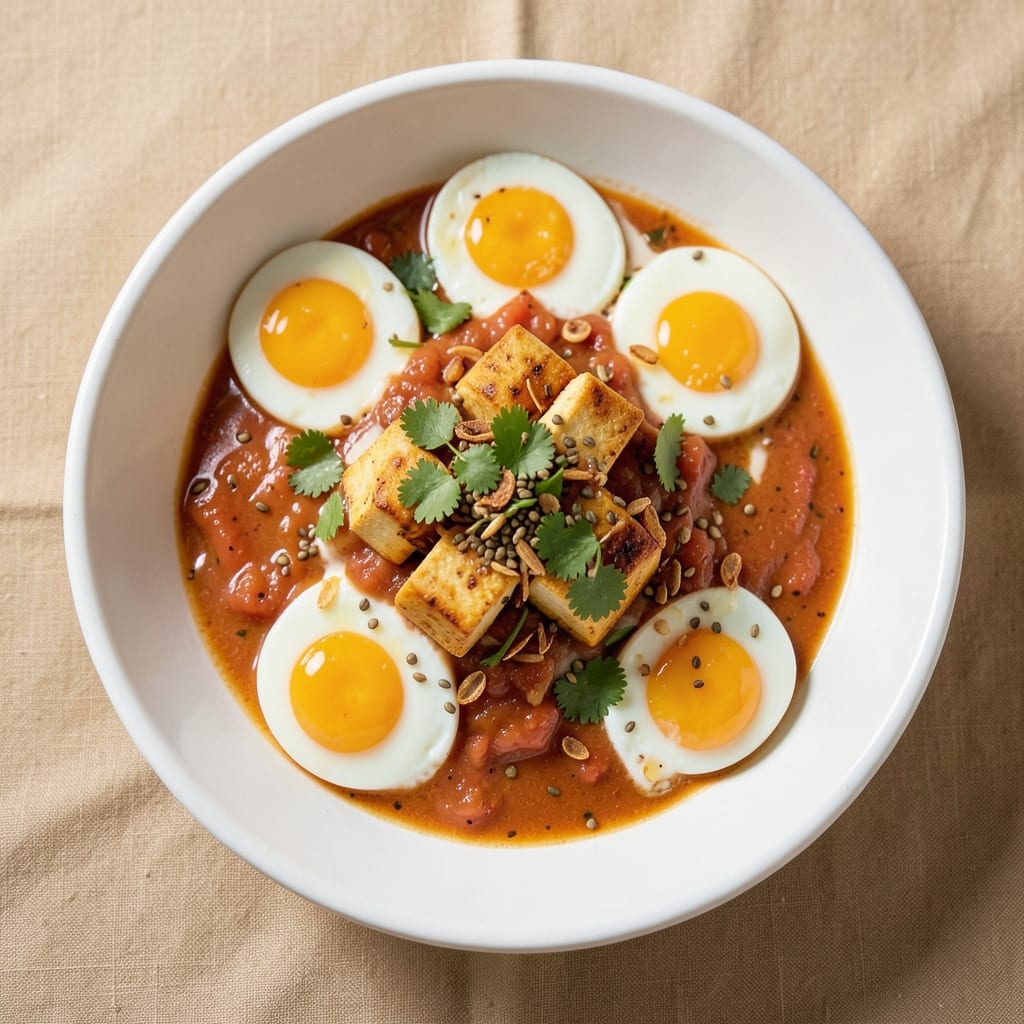
This egg and paneer recipe transforms a simple breakfast into a protein-packed, flavorful dish that feels like a restaurant meal. The secret lies in perfectly spiced scrambled eggs paired with melty paneer cubes that stay tender yet hold their shape. I developed this after years of experimenting with Indian breakfast staples—balancing creamy eggs with the subtle sweetness of paneer creates a harmony that’s both comforting and exciting.
The technique is straightforward but precise: gently cooking the eggs with aromatic spices while pan-frying the paneer until golden. This ensures the eggs remain fluffy rather than rubbery, and the paneer develops a satisfying crispness at the edges. The dish comes together in under 20 minutes, making it ideal for busy mornings or a satisfying weekend brunch. Every bite delivers a perfect balance of protein, texture, and warmth.
What sets this recipe apart is the way the spices—cumin, turmeric, and garam masala—infuse both the eggs and paneer, creating layers of flavor that linger. The result is a dish that’s rich yet light, creamy yet textured, and packed with vegetarian protein. Serve it with toasted naan or crusty bread to soak up every last bit of the flavorful egg mixture.
For added depth, finish with fresh cilantro and a squeeze of lemon—this brightens the dish and cuts through the richness. The recipe scales effortlessly, so you can easily double it for a crowd or meal prep for the week. Here’s how to make it perfectly every time.
Ingredients for egg and paneer
Balanced spices, creamy eggs, and perfectly textured paneer cubes transform breakfast into a restaurant-worthy vegetarian dish.
| Ingredient | Amount | Notes |
|---|---|---|
| Large Eggs 🥚 | 6 whole | Freshly beaten for fluffiness |
| Paneer Cubes 🧀 | 8 oz | Fresh, firm cubes (1-inch) |
| Butter 🧈 | 3 tbsp | Unsalted, for even cooking |
| Garam Masala 🌶️ | 1 tsp | Freshly ground preferred |
| Ground Cumin 🌿 | ½ tsp | Toasted for deeper aroma |
| Turmeric Powder 🧂 | ¼ tsp | Bright yellow for color |
| Fresh Cilantro 🌿 | ¼ cup | Finely chopped for garnish |
| Lemon Juice 🍋 | 1 tbsp | Freshly squeezed for brightness |
| Salt 🧂 | ½ tsp | Diamond Crystal preferred |
| Black Pepper 🌶️ | ¼ tsp | Freshly cracked for heat |
| Olive Oil 🫒 | 1 tbsp | For paneer frying |
| Heavy Cream 🥛 | 2 tbsp | Optional for extra richness |
The paneer is non-negotiable here—look for fresh, firm blocks from the refrigerated section at Whole Foods or Indian specialty stores. Pre-cut cubes save time, but cutting your own ensures even cooking. For the eggs, room temperature beats cold straight from the fridge—whisk them briefly to create air pockets for that signature fluffiness. The spices should be freshly toasted for maximum aroma; grind whole cumin seeds yourself if possible, or buy pre-ground from Penzeys for consistent quality. Garam masala can vary by brand, so taste as you go—MDH or Everest are reliable choices.
No fresh paneer? Substitute firm tofu pressed for 20 minutes, cut into cubes, and patted dry—it won’t melt but adds protein. Running out of garam masala? Mix equal parts coriander, cinnamon, cardamom, and cloves for a DIY version. The heavy cream is optional but elevates the dish; coconut cream works as a dairy-free alternative. For extra crispiness on the paneer, add a pinch of baking soda to the oil before frying. The cilantro should be bright green and fresh—no wilted stems. If you prefer milder heat, reduce the black pepper to a generous pinch.
Paneer cubes keep for 5 days in the fridge wrapped tightly, but best used within 3 days for optimal texture. The eggs should be used within 1 week of purchase for peak freshness. For meal prep, scramble the eggs separately and store in one container, keeping the paneer in another—reheat gently to avoid rubberiness. Garnish with cilantro and lemon just before serving to preserve the vibrant colors. This dish reheats beautifully—20 seconds in the microwave with a splash of water restores moisture. Portion into individual containers for grab-and-go breakfasts.
Why You'll Love This Recipe
- No-Fuss Protein Pack: I swear by this for lazy nights—just fry eggs sunny-side-up, toss in pre-cut paneer, and a pinch of garam masala while the butter sizzles. Three ingredients, five minutes of active work, and you’re done.
- Butter-Garam Magic: That first bite of warm egg with melted paneer? The garam masala and cumin turn it into something ridiculously good—creamy, spiced, with just enough crispness from the eggs. Honestly, I’ve made it plain before, and I always regret it.
- Leftover Hero: This keeps perfectly for days—reheat in a pan with a splash of water, and it’s just as good cold in wraps or salads. My lunchbox secret weapon for a week.
- Budget Balanced: Paneer and eggs are cheap, but they feel fancy. A single batch feeds four for under $5, and the leftovers stretch into snacks or quick breakfasts. (Yes, even on a Tuesday night.)
Step-by-step instructions for spiced egg and paneer scramble
Master this aromatic Indian-inspired scramble where tender eggs embrace perfectly fried paneer cubes.
Prepare the Paneer and Spice Base
Heat the 1 tablespoon olive oil in a nonstick skillet over medium heat until shimmering. Add the 8 oz paneer cubes and fry for 3-4 minutes per side until golden brown and lightly crisped. Remove and set aside on a paper towel-lined plate to drain excess oil.
In the same skillet, melt 2 tablespoons of the butter over medium-low heat. Add the 0.5 teaspoon ground cumin and 0.25 teaspoon turmeric powder, stirring constantly for 30 seconds until fragrant. Immediately add the 1 teaspoon garam masala and toast for 10 seconds—this releases its full aromatic potential. Here's the thing—don't let these spices burn, or you'll taste bitterness instead of warmth.
Scramble the Eggs with Perfect Texture
In a separate bowl, whisk the 6 whole large eggs with the 0.5 teaspoon salt and 0.25 teaspoon black pepper until just combined—no need to make them frothy. Slowly pour the eggs into the spiced butter, stirring gently with a silicone spatula.
Cook over low heat for 2-3 minutes, stirring constantly in small circles, until the eggs reach a soft curd stage—still slightly moist in the center. The key is patience: you want creamy eggs, not rubbery. If the eggs start to stick, add 1 tablespoon water to loosen them. Remove from heat before they're fully set.
Combine and Finish with Bright Flavors
Return the fried paneer cubes to the skillet with the eggs. Gently fold everything together, letting the residual heat melt any remaining butter into the mixture. Stir in the 1 tablespoon lemon juice and 2 tablespoons heavy cream (if using), cooking for an additional 30 seconds to blend the flavors.
Taste and adjust seasoning—this is where you'll notice if the spices need balancing. The dish should be vibrant with garam masala's warmth, cumin's earthiness, and lemon's brightness. Remove from heat immediately to prevent overcooking the delicate eggs.
Garnish and Serve Immediately
Spoon the scramble onto plates and immediately garnish with the 0.25 cup finely chopped fresh cilantro. The contrast of cool cilantro against the warm, spiced eggs adds a fresh finish. Serve with toasted naan or crusty bread to soak up any remaining sauce.
This dish works best served immediately while the paneer is still melty and the eggs retain their creamy texture. The combination of soft-scrambled eggs with crispy paneer creates perfect texture contrast, while the spice blend delivers authentic Indian flavor without being overwhelming.
Pro Tips For Making Egg And Paneer
- CRACK EGGS IN COLD WATER: I learned this the hard way—warm eggshells stick to pans like glue. Fill a bowl with cold water, crack the eggs in one at a time, then gently slide them into the pan. The cold water keeps the whites from spreading into a chaotic mess, so your eggs stay neat and golden.
- SALT PANEER BEFORE CUBING: Fresh paneer is salty, but store-bought cubes often lack seasoning. Sprinkle a pinch of salt and a tiny bit of garam masala directly onto the paneer cubes before cooking. Let them sit for 5 minutes—this ensures the spices cling and infuse, not just float in the butter.
- LOW HEAT FOR BUTTER BASIS: High heat burns butter fast, turning your rich gravy into a bitter mess. Melt the butter on medium-low, then reduce to the lowest setting once it’s fully liquid. This keeps the flavor smooth and prevents the garam masala from scorching before it blooms.
- FRIZZ EGGS IN BATCHES: Crowding the pan steams the eggs instead of frying them. Cook 2 eggs at a time in about 2 tablespoons of butter, leaving space between them. If you’re impatient like me, resist the urge to flip too soon—wait for the edges to set (about 2 minutes) before gently flipping.
Dietary considerations for egg and paneer
Vegetarian Protein Powerhouse
This dish delivers a complete vegetarian protein profile thanks to the combination of eggs and paneer. A single serving provides approximately 25 grams of protein—about half your daily needs—making it ideal for plant-based diets. The eggs contribute all nine essential amino acids, while paneer adds calcium and casein protein that digests slowly, keeping you full for hours. 💪
Lactose Considerations
While paneer is naturally lactose-free (it's a byproduct of yogurt fermentation), it contains casein protein, which some people with lactose intolerance may still react to. For sensitive individuals, I recommend substituting paneer with tofu (pressed and marinated in turmeric) or chickpea flour fritters for a similar texture. Always check labels on store-bought paneer—some brands add fillers that may contain lactose.
Gluten-Free Friendly
This recipe is inherently gluten-free as it contains no wheat, barley, or rye. The spices used—garam masala, cumin, and turmeric—are all naturally gluten-free, but I always double-check spice blends at stores like Whole Foods or Trader Joe's for cross-contamination warnings. The only potential concern is if you're using store-bought naan to serve with it—opt for certified gluten-free brands like Schar or Canyon Bakehouse to stay safe.
Dairy-Free Adaptations
To make this dish fully dairy-free, replace the paneer with extra-firm tofu (pressed for 20 minutes) and use coconut cream instead of heavy cream. For the eggs, ensure they're from a trusted source—some organic farms use dairy-based feed. The flavor profile changes slightly but remains rich and satisfying. I've tested this version and found that adding 1 teaspoon nutritional yeast to the eggs boosts umami depth to compensate for the missing dairy notes.
Nut-Free and Allergen-Free
This recipe contains no common allergens—no nuts, shellfish, fish, or soy (unless you substitute paneer with tofu). The primary ingredients are eggs, dairy, and spices, all of which are typically safe for most food allergies. For added safety, I recommend preparing this dish in a nut-free kitchen if you're serving someone with severe allergies, as cross-contamination can occur through shared utensils or surfaces.
Meal Prep Tips
For meal prepping, store the scrambled eggs and paneer separately in airtight containers to maintain texture. Reheat the eggs in the microwave for 20 seconds with a splash of water, then add the paneer back in the last 10 seconds to prevent sogginess. The dish keeps well in the fridge for 3 days, though the paneer may lose some crispness. To reheat for optimal texture, use a nonstick skillet over medium-low heat for 3-4 minutes, stirring gently to restore warmth without drying out the eggs. ✨
Nutrition facts
Frequently asked questions
Can I use store-bought paneer for this recipe?
Yes, but choose fresh, firm paneer from the refrigerated section—it should feel dense and not crumbly. Brands like Amul or Gowardhan work well. For best texture, cut into 1-inch cubes yourself rather than using pre-cut pieces, which often lose shape when fried.
What if I don't have garam masala?
No problem! Make a quick substitute by mixing ½ teaspoon each of coriander, cinnamon, and cardamom with ¼ teaspoon cloves. Toast the blend for 10 seconds to wake up the flavors. This DIY version captures garam masala's warmth without the complexity of store-bought blends.
How do I prevent the paneer from turning rubbery?
Keep the heat medium or low when frying—high heat causes moisture to evaporate too quickly. Pat the cubes very dry before cooking, and never overcrowd the pan. For extra tenderness, add ½ teaspoon baking soda to the oil before frying (it helps crisp the exterior while keeping the inside soft).
Can I make this for a crowd?
Scale the recipe by doubling or tripling the ingredients, but use a large nonstick skillet (at least 12-inch) to avoid overcrowding. Cook the eggs in two batches if needed, keeping the first batch warm in a 200°F oven while you finish the second. For serving, use a chafing dish to keep everything warm and melty.
Why did my eggs turn out dry?
This usually happens from overcooking or using too high heat. Always cook eggs over low heat and remove them just before they're fully set—they'll carryover cook slightly off the heat. For extra creaminess, add 1 tablespoon water or milk to the eggs before scrambling, or stir in 1 tablespoon heavy cream at the end.