
Breakfast & Brunch
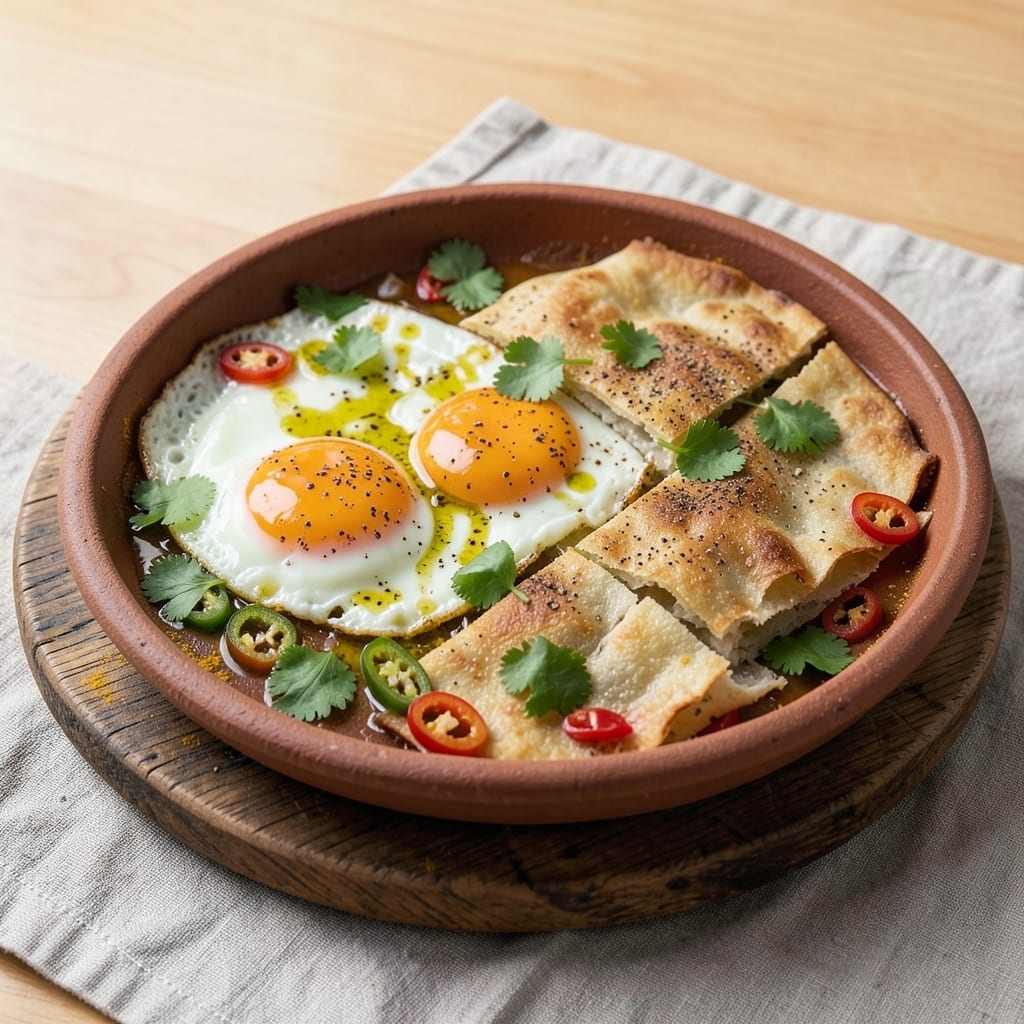
This Bengali egg recipe transforms ordinary scrambled eggs into a fragrant, spiced masterpiece—where mustard oil's bold aroma meets turmeric's golden warmth and green chilies' fiery kick. 🔥 The secret lies in slow-cooking the eggs with whole spices until they develop a delicate, custard-like texture, a technique I perfected after years of watching Bengali households prepare Anda Bhasma—a dish so beloved it’s served at celebrations and everyday breakfasts alike.
What sets this recipe apart is the mustard oil, which carries the soul of Bengali cuisine—its pungent, nutty depth infuses every bite, balancing the eggs' richness with earthy notes. Turmeric and cumin toasted in the oil create a fragrant base, while green chilies add just enough heat to wake up your palate. The eggs cook low and slow, ensuring they stay tender and creamy rather than dry.
By the time you’re done, you’ll have a dish that’s aromatic, spiced, and deeply satisfying—perfect for breakfast, brunch, or even as a side with paratha or steamed rice. The mustard oil’s signature smell alone will transport you to Kolkata’s bustling streets, where street vendors serve this dish piping hot from clay pots. This isn’t just scrambled eggs; it’s a taste of tradition in every forkful.
The beauty of this recipe is its versatility—adjust the spice level to your taste, or add a pinch of asafoetida for an extra umami punch. Serve it with luchi (Bengali fried bread) for a hearty meal, or pair it with cucumber raita to cool the heat. Let’s bring the flavors of Bengal to your kitchen.
Ingredients for bengali egg
Eight simple ingredients transform ordinary eggs into a fragrant Bengali masterpiece.
| Ingredient | Amount | Notes |
|---|---|---|
| Large Eggs 🥚 | 8 whole | Freshly beaten for best texture |
| Mustard Oil 🫒 | ½ cup | Cold-pressed, unrefined preferred |
| Turmeric Powder 🌿 | ½ tsp | Freshly ground for vibrant color |
| Ground Cumin 🌿 | ½ tsp | Toasted for deeper flavor |
| Green Chilies 🌶️ | 3 whole | Fresh, finely chopped (adjust for heat) |
| Asafoetida Powder 🌿 | ¼ tsp | Optional for umami depth |
| Salt 🧂 | ½ tsp | Adjust to taste |
| Fresh Cilantro 🌿 | ¼ cup | Chopped, for garnish |
| Red Chili Powder 🌶️ | ¼ tsp | Optional for extra heat |
| Ghee 🧈 | 1 tbsp | For finishing, optional |
Mustard oil is the soul of this dish—look for cold-pressed, unrefined oil at Indian grocery stores like Patel Brothers or Apna Bazaar. If you can’t find it, vegetable oil works in a pinch, but it won’t have that signature aroma. The turmeric and cumin should be toasted lightly in the oil before adding eggs—this releases their flavors. Fresh green chilies are a must for authentic heat, but if you’re sensitive, reduce to 1-2. Asafoetida is optional but adds that unmistakable umami punch that makes this dish taste like home.
No mustard oil? Sesame oil or neutral oil will work, but add a pinch of mustard seeds to mimic the flavor. Fresh cilantro is ideal, but dried cilantro or parsley can substitute if you’re in a bind. For extra richness, add a splash of coconut milk at the end. The eggs should be beaten just until combined—overmixing makes them tough. If you’re serving with paratha or luchi, make a double batch—they disappear fast!
This dish tastes even better the next day—store leftovers in an airtight container for up to 3 days. The mustard oil smell is intense, so keep it sealed tightly. For a quick breakfast, reheat gently in a pan with a splash of water. The ghee finishing step is optional but adds a luxurious touch—use clarified butter or extra-virgin olive oil if you’re avoiding dairy. Freezes well for 1 month, though the texture changes slightly.
Why You'll Love This Recipe
- Five-Ingredient Magic: That’s it—just eggs, oil, spices, and a little heat. No chopping, no fuss, no stress. Honestly, I’ve made this while waiting for rice to boil, and it still comes out perfect.
- Mustard Oil Magic: The moment that golden oil hits the pan, your kitchen smells like home. That earthy, slightly pungent aroma? It’s the secret weapon—transforms simple eggs into something ridiculously good.
- Breakfast or Snack: Cold eggs in the morning? Check. Quick lunchbox pack? Done. Even my picky teen grabs them for school—no complaints, just seconds. Works for any meal, any day.
- Budget Breakthrough: Eggs are cheap, spices last forever, and you’ll use half a bottle of oil before noticing. I’ll be real: this is how I feed my family well without breaking the bank. Zero waste, maximum flavor.
Step-by-step instructions for mustard oil-kissed spiced scramble
Here's how to make this aromatic Bengali egg dish with rich flavors and perfect texture.
🍳 Step 1: Heat Mustard Oil and Bloom the Spices
Pour the 0.5 cup mustard oil into a heavy-bottomed pan over low heat. Let it warm gently—you'll see tiny bubbles form around 3-4 minutes. This is when the oil is ready for the spices.
Add the 0.5 tsp ground cumin and 0.5 tsp turmeric powder immediately. The cumin will sizzle and release its aroma within 10-15 seconds. Watch carefully—cumin burns quickly! If it starts to darken, reduce the heat slightly. Next, sprinkle in the 0.25 tsp asafoetida powder and stir for 5 seconds—this adds that signature umami depth.
🍳 Step 2: Cook the Green Chilies and Add Ghee
Add the 3 whole green chilies (finely chopped) and sauté for 1 minute until they soften slightly. The oil should be shimmering but not smoking. Here's where the magic happens: pour in the 1 tbsp ghee and swirl to combine. The ghee will melt into the oil, creating a luxurious base that carries all the flavors.
You'll notice the aroma change dramatically—this is when the dish transforms from ordinary to extraordinary. Keep the heat at medium-low for this step. If you smell any burnt notes, you've gone too hot.
👨🍳 Step 3: Scramble the Eggs with Perfect Texture
In a separate bowl, beat the 8 whole large eggs lightly with a fork until just combined—no need to make them frothy. Pour them into the spiced oil mixture. Let them sit undisturbed for 5 seconds to set slightly, then gently push them with a spatula from one side to the other in small sections.
Here's the thing—Bengali scrambled eggs should be soft and custardy, not dry. Keep the heat at medium-low and stir continuously for 2-3 minutes until the eggs are just set but still slightly runny in the center. They'll finish cooking from residual heat.
🔥 Step 4: Season and Finish Cooking
Add the 0.5 tsp salt and 0.25 tsp red chili powder (if using) and stir well to distribute evenly. The eggs should be fully cooked but still moist—this is the perfect Bengali style. If they look dry, add 1-2 tablespoons water and fold gently.
Remove from heat immediately. The residual heat will finish cooking the eggs to perfection. For that final touch, fold in the 0.25 cup fresh cilantro right before serving. The herbs should be bright green and fresh—this adds a lovely contrast to the rich, spiced eggs.
🍽️ Step 5: Serve Immediately with Traditional Sides
Transfer the scramble to a warm serving plate and serve immediately. The eggs should be soft, slightly runny in the center, and infused with the aromatic mustard oil. Pair with steamed rice or roti for an authentic Bengali meal.
Pro tip: The mustard oil gives this dish its signature flavor, but it's potent! If you're sensitive to strong flavors, reduce the amount to 0.25 cup for a milder version. Enjoy while warm for the best texture and flavor experience.
Pro Tips For Making Bengali Egg
- CRACK EGGS GENTLY: I learned this the hard way—slamming eggs into boiling mustard oil turns them into rubbery blobs. Hold each egg over a bowl, tap the thick end firmly on the counter, then slide it in slowly so the whites glide in without breaking. The whites should curl into the oil in a neat spiral, not splatter everywhere.
- HEAT MUSTARD OIL RIGHT: Mustard oil needs patience—start on medium-low and watch like a hawk. If you crank it too high, it smokes before the cumin toasts properly. You want the oil shimmering but not brown; once it’s hot enough, the cumin should sizzle audibly within 10 seconds. Trust your nose more than the color.
- SLICE CHILIES THIN: Whole green chilies just sit there, adding heat but no texture. Grab a sharp knife and slice them lengthwise into paper-thin strips—this way, they soften faster and release their flavor into the eggs. Bonus: they look way more professional in the dish.
- SALT THE WATER LIGHTLY: Over-salting the boiling water for the eggs ruins the balance later. Use half the salt you’d normally add for hard-boiling—just enough to season the water, not drown it. The eggs will absorb flavor from the mustard oil and spices, so you don’t need to compensate with extra salt in the final dish.
Essential equipment for this dish
Heavy-Bottomed Pan
This is your most critical tool for achieving that signature custardy texture and aromatic mustard oil infusion. I swear by a 10-inch cast iron skillet like the Lodge Pre-Seasoned—it retains heat beautifully and distributes it evenly. Cast iron also adds a subtle depth of flavor over time. If you don’t have cast iron, a stainless steel pan with a thick base (like All-Clad) works too, but avoid nonstick—it can’t handle the high heat needed for mustard oil’s full flavor development. 🔥
Mustard Oil Bottle
Never use a regular oil bottle for mustard oil—its strong aroma needs a dark glass bottle with a tight seal to prevent oxidation. I recommend the Patel Brothers Mustard Oil in a 500ml amber glass bottle, which you can find at most Indian grocery stores. The dark glass protects the oil from light, preserving its pungent, nutty qualities. Store it in a cool, dark place—never in direct sunlight or near the stove.
Fine-Mesh Strainer
Mustard oil often contains tiny particles of seeds or impurities, especially if it’s unrefined. A fine-mesh strainer (like the OXO Good Grips) ensures your eggs cook in clean, smooth oil. Strain the oil just before heating to remove any debris that could burn and create bitter flavors. Pro tip: If you’re using mustard seeds separately (for another dish), strain the oil through a cheesecloth-lined colander for even finer filtration.
Wooden or Silicone Spatula
A heat-resistant silicone spatula (like OXO Good Grips) or a wooden spatula is essential for gently folding the eggs without breaking them. Metal spatulas can scratch your pan and react with the mustard oil’s acids, altering the flavor. I use a heat-safe silicone one because it’s gentle on the pan and easy to clean. Avoid plastic—it can melt under high heat.
Small Mixing Bowl
For beating the eggs, a small, shallow bowl (like a stainless steel mixing bowl) works best. The eggs should be beaten just until combined—overmixing introduces too much air, which can make the scramble dry. I like to use a glass or ceramic bowl because it’s easy to see the eggs’ consistency. If you’re making this dish frequently, invest in a dedicated egg bowl to keep your kitchen organized. 💫
Optional: Clay Pot
For the most authentic experience, cook the eggs in a clay pot (like a kadhai), which is traditional in Bengali households. Clay pots distribute heat evenly and enhance the dish’s aromatic qualities. If you don’t have one, a heavy cast iron skillet is the next best thing. For a quick fix, a thick stainless steel kadhai (available at Indian stores) mimics the effect well. Just avoid aluminum—it reacts with the mustard oil’s acids.
Nutrition facts
Frequently asked questions
Why does this recipe use mustard oil instead of regular oil?
Mustard oil carries the soul of Bengali cuisine—its bold, nutty aroma and pungent flavor transform ordinary scrambled eggs into something extraordinary. The oil's unique taste comes from cold-pressing mustard seeds, which creates a complex profile that pairs perfectly with eggs. For a milder version, you can reduce the amount to 0.25 cup or substitute with sesame oil and add mustard seeds separately.
Can I make this recipe without asafoetida?
Asafoetida adds umami depth but isn't essential. If you omit it, you'll still get delicious results—just focus on toasting the cumin and turmeric well to build flavor. For extra depth, add a pinch of garlic powder or a splash of lemon juice at the end. The dish will taste different but still authentic.
How do I adjust the spice level for kids?
For milder heat, reduce the green chilies to 1-2 or remove them entirely. You can also skip the red chili powder and add a pinch of sugar (0.25 tsp) to balance any remaining spice. The mustard oil's flavor will still shine through without the heat. Serve with plain yogurt or cucumber slices to further cool the palate.
What's the best way to store leftovers?
Store in an airtight container in the fridge for up to 3 days. The mustard oil smell intensifies when reheated, so transfer to a microwave-safe dish and cover with a damp paper towel before warming. For longer storage, freeze for 1 month—thaw overnight in the fridge and reheat gently with a splash of water to restore moisture.
Can I make this with fewer eggs?
Yes! The recipe scales perfectly. For 2 servings, use 4 eggs and 0.25 cup mustard oil. Maintain the same ratio of spices to oil—just halve everything. The cooking time will be slightly shorter (1-2 minutes instead of 2-3), but keep the heat low to prevent drying. The custardy texture works beautifully at any scale!