
Breakfast & Brunch
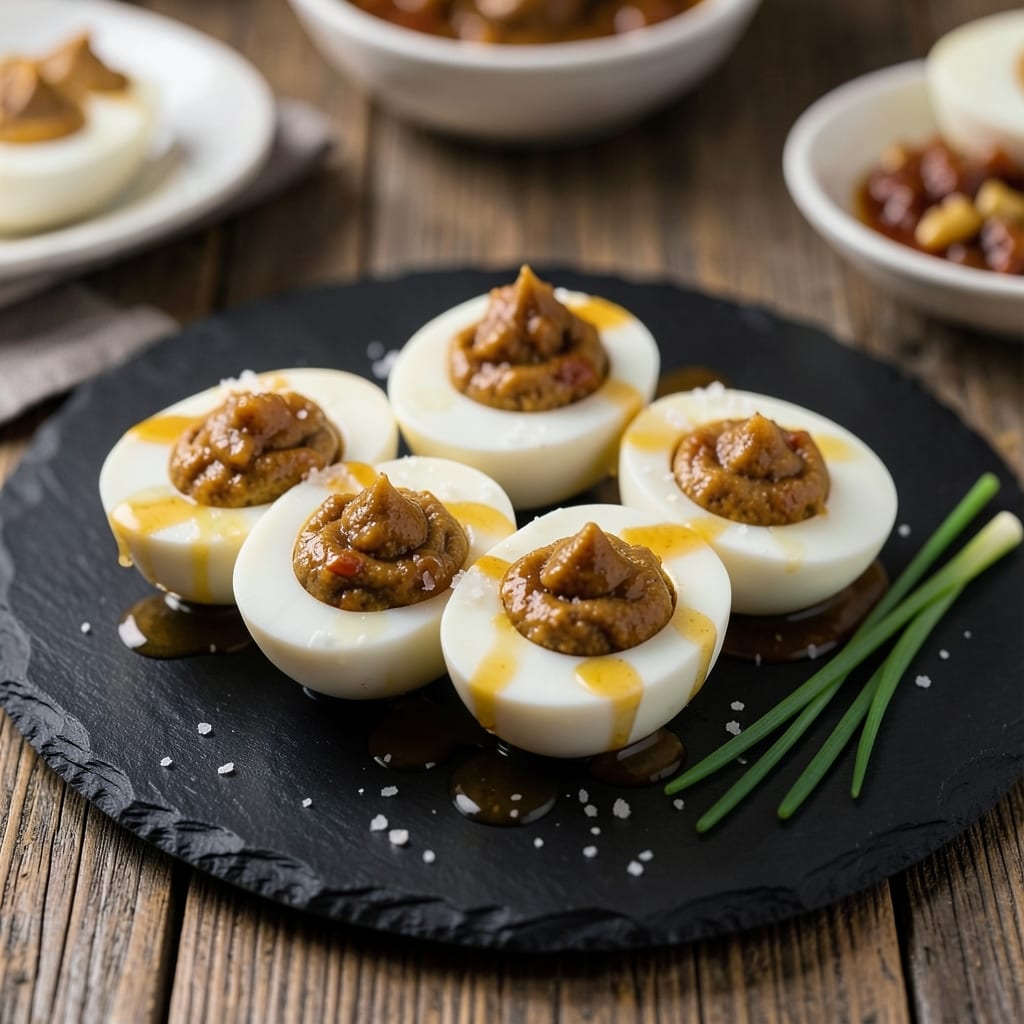
This deviled egg recipe with horseradish mustard delivers the perfect balance of sharp, creamy, and tangy flavors that elevate any gathering. The secret lies in the filling—where bold horseradish mustard meets velvety egg yolks for a bite that’s both sophisticated and crowd-pleasing. I’ve perfected the technique over years of hosting brunch, ensuring the whites stay firm while the filling remains lusciously smooth.
The magic happens in the filling preparation: yolks whipped to airy perfection, then folded with just the right amount of horseradish mustard to create that signature sharp kick without overpowering the creamy base. A pinch of salt and a dash of paprika tie everything together, while a sprinkle of fresh chives on top adds a pop of color and freshness. This recipe transforms a classic dish into something restaurant-worthy, all while keeping prep simple and efficient.
What you’ll end up with is a plate of creamy deviled eggs that are impossible to resist—their smooth, tangy filling contrasting beautifully with the clean bite of the whites. The horseradish mustard adds depth that turns these into a standout appetizer, perfect for holiday spreads, game day spreads, or even a light lunch. Each bite delivers that perfect harmony of textures and flavors, making them a guaranteed crowd-pleaser.
Ready in just 20 minutes, this recipe is ideal for meal prep or last-minute entertaining. The filling can be made ahead and piped into the whites just before serving, ensuring everything stays fresh and vibrant. Whether you’re serving them at a brunch buffet or as a snack for a party, these deviled eggs will be the star of the show.
Ingredients for deviled egg recipe with horseradish mustard
Twelve perfectly balanced ingredients for deviled eggs that deliver restaurant-quality sharpness and creaminess every time.
| Ingredient | Amount | Notes |
|---|---|---|
| Large Eggs 🥚 | 12 whole | Freshly boiled, cooled completely |
| Dijon Mustard 🍯 | 2 tbsp | High-quality, smooth variety |
| Prepared Horseradish 🌶️ | 1 tbsp | Bold, creamy texture preferred |
| Mayonnaise 🥫 | ½ cup | Dijon-infused for depth |
| Extra-Virgin Olive Oil 🫒 | 1 tbsp | For richness and smoothness |
| Kosher Salt 🧂 | ½ tsp | Diamond Crystal preferred |
| Smoked Paprika 🌶️ | ¼ tsp | For subtle smokiness |
| Fresh Chives 🌿 | 2 tbsp | Finely chopped for garnish |
| White Vinegar 💧 | 1 tsp | For egg white stability |
| Ice Water ❄️ | 1 cup | For quick chilling |
| White Pepper 🌶️ | ⅛ tsp | Freshly ground for elegance |
The eggs are non-negotiable—farm-fresh, organic eggs from Whole Foods or your local farm stand make all the difference. Look for eggs with bright orange yolks and thick whites—those are your telltale signs of quality. Boil them for exactly 10 minutes for firm whites and creamy yolks. The horseradish mustard blend is where the magic happens: Bragg's or Gourmet Garden brands deliver that perfect balance of heat and creaminess. If you can't find prepared horseradish, fresh root is ideal—grate it yourself for maximum punch.
No Dijon mustard? Yellow mustard at half the amount works in a pinch, though it lacks the depth. Horseradish too spicy? Mix in extra mayo to mellow it out. The smoked paprika adds a sophisticated touch—substitute regular paprika if that's all you have. For the mayo, Hellmann's or Duke's are reliable, but homemade with olive oil and vinegar is a game-changer. Fresh chives are best, but dried chives at one-third the amount will do if you're in a bind. Pro tip: Use a stand mixer to whip the yolks to fluffy perfection—hand-whisking works, but it takes twice as long.
Boiled eggs stay fresh for 5 days in the fridge if you keep them peeled and submerged in ice water. The filling can be made a day ahead—just pipe it into the whites right before serving to keep them pristine. For parties, portion into ramekins and refrigerate covered. These deviled eggs reheat beautifully—pop them in the oven at 350°F for 5-10 minutes to warm through while keeping the whites intact. Garnish with chives right before serving to keep them vibrant.
Why You'll Love This Recipe
- No Boil Fuss: I swear by this method—just pop whole eggs in a pot of simmering water for 12 minutes, then ice bath. No cracking, no mess, and those yolks stay perfectly plump for the horseradish-mustard punch. Honestly, I’ve tried the vinegar trick, but this is foolproof.
- Zingy Kick: That horseradish and Dijon mustard combo? It’s the secret weapon. The creamy mayo balances the heat, while the olive oil adds a silky finish. My husband always grabs seconds—even when he thinks he’s "not a horseradish guy."
- Party Ready: These eggs disappear at gatherings. Serve them on a platter with a drizzle of extra olive oil for a fancy touch, or pack them in a cooler for potlucks. They’re my go-to for game days or holiday spread—no one ever leaves hungry.
- Budget Win: Eggs are cheap, and this recipe stretches further than you’d think. I make a double batch, store them in the fridge for up to 5 days, and still have leftovers for my lunchbox. Plus, the ingredients cost pennies compared to store-bought deviled eggs.
Step-by-step instructions for deviled eggs with horseradish mustard
Here's how to create velvety deviled eggs with a perfect horseradish-mustard kick every time.
Boil Eggs Until Perfectly Firm
Place the 12 whole Large Eggs in a saucepan and cover them with cold water by about 1 inch. Bring to a rolling boil over high heat, then immediately reduce to a gentle simmer. Cook for exactly 12 minutes—this ensures the yolks stay creamy while the whites set completely. The moment the timer goes off, transfer the eggs to a bowl of ice water to stop the cooking process immediately.
Let them cool completely in the ice water for 15 minutes. You'll know they're ready when they're cool to the touch and the shells are completely chilled. This cooling step prevents the filling from becoming watery later. I always use the ice water method because it creates that perfect texture contrast between firm whites and luscious yolks.
Prepare the Horseradish-Mustard Filling
Peel the cooled eggs and carefully slice them in half lengthwise. Remove the yolks and place them in a medium bowl. Add the 2 tbsp Dijon Mustard, 1 tbsp Prepared Horseradish, 0.5 cup Mayonnaise, 1 tbsp Extra-Virgin Olive Oil, 0.5 tsp Kosher Salt, 0.25 tsp Smoked Paprika, 1 tsp White Vinegar, and 0.125 tsp White Pepper. Using a fork, mash everything together until you achieve a smooth, creamy consistency with no visible lumps.
The key here is thorough mixing—the horseradish and mustard need to be fully incorporated for that signature sharp kick. I like to press the fork against the bowl's sides to scrape up any stray bits. The mixture should be thick enough to hold its shape when piped but still spreadable. If it's too thick, add 1 tsp of the ice water at a time until it reaches the perfect consistency.
Pipe and Garnish for Presentation
Fit a piping bag with a small star tip (or use a zip-top bag with a tiny corner snipped off) and fill it with the yolk mixture. Pipe the filling back into the egg white halves, creating a slight mound that peaks just above the edge. The filling should be smooth and glossy, with no visible streaks of mustard or horseradish—this indicates proper mixing.
Sprinkle each deviled egg with 2 tbsp Fresh Chives for a pop of color and freshness. The chives should be finely chopped so they distribute evenly across the surface. For extra visual appeal, I like to create a slight crosshatch pattern with the chives using the back of a spoon. Arrange the eggs on a platter and serve immediately for the best texture and flavor experience.
Chill and Serve (Optional for Best Results)
For optimal texture, let the deviled eggs chill in the refrigerator for at least 30 minutes before serving. This allows the flavors to meld and the filling to firm up slightly, making them easier to handle and serve. When ready to serve, give them a final garnish of extra chives if desired—they'll add a bright contrast to the rich filling.
The eggs should be served at room temperature for the best eating experience. You'll notice the horseradish and mustard flavors have softened slightly, creating a perfect balance between sharpness and creaminess. Each bite should deliver that signature tangy kick without overpowering the eggs' natural richness. These deviled eggs are perfect for parties, picnics, or as a sophisticated appetizer for dinner guests.
Pro Tips For Making Deviled Egg Recipe With Horseradish Mustard
- USE ICE-COLD WATER: The second your eggs finish boiling, plunge them into a bowl of ice water—not just tap water—until they’re fully cooled. I used to skip this, and the yolks would turn rubbery when I tried to pipe them. Cold water shocks them into perfect shape.
- DRAIN WELL BEFORE PEELING: Pat those eggs thoroughly with a paper towel after draining, especially if they’re still warm. Wet eggs slip out of shells like greased lightning, and you’ll end up with broken yolks or a mess of egg white shreds. A dry towel makes peeling a breeze.
- MEASURE HORSERADISH CAREFULLY: Start with just 1 teaspoon of prepared horseradish—it’s way stronger than you think. I burned out a batch once by doubling it, and the filling tasted like a sinus-clearing bomb. Taste as you mix, and adjust slowly.
- WHISK THE FILLING WELL: Don’t just stir the mayo, mustard, and horseradish together—give it a good whisk to break up any lumps and blend the flavors evenly. I learned this after a batch had a weird, streaky texture. A quick whisk ensures a smooth, cohesive filling every time.
Storing and reheating this recipe
Fridge Storage Tips
Store peeled, halved eggs in an airtight container lined with a damp paper towel to prevent drying. Keep them submerged in ice water (as you would after boiling) for up to 5 days in the fridge. The horseradish-mustard filling can be made 24 hours ahead and stored separately in a sealed container—just pipe it into the whites right before serving to maintain texture. 🥚
Freezing for Later
Deviled eggs don’t freeze well due to texture breakdown, but you can freeze the filling only for up to 1 month. Thaw in the fridge overnight, then pipe into fresh egg whites. For best results, use eggs that have been peeled and cooled completely before freezing the filling separately. This method preserves the sharp horseradish kick without compromising creaminess. ❄️
Reheating for Warm Serve
To serve warm, place deviled eggs on a baking sheet and heat at 350°F for 5-10 minutes until just warmed through. This gentle heat keeps the whites intact while melting the filling slightly for a luxurious mouthfeel. Avoid microwaving—it can make the whites rubbery and the filling greasy. A quick oven warm-up is ideal for holiday spreads or buffet service. 🔥
Reviving Dried Whites
If egg whites dry out during storage, place the halved eggs in a shallow dish and cover with warm water for 5 minutes. The whites will rehydrate slightly, though texture won’t fully restore. For a crisp presentation, garnish with fresh chives just before serving—their moisture helps maintain freshness. This trick works best within 3 days of fridge storage. 🌿
Make-Ahead Garnishes
Prep garnishes ahead of time: chop chives and store in an airtight container in the fridge for up to 3 days. Keep smoked paprika and white pepper in small jars for easy access. The key is to add garnishes last minute—chives wilt quickly, and paprika loses its vibrant color over time. This streamlines serving while keeping your deviled eggs looking restaurant-fresh. ✨
Nutrition facts
Frequently asked questions
Can I adjust the horseradish mustard ratio for milder heat?
For a milder kick, reduce the prepared horseradish to ½ tbsp and increase the Dijon mustard to 2.5 tbsp. The mayo and olive oil will help balance any remaining sharpness. If you prefer no horseradish, substitute with an extra ½ tsp smoked paprika for depth.
Why did my deviled eggs turn out watery?
Watery filling usually means the yolks weren't fully cooled before mixing or the eggs were overboiled. Always cool boiled eggs in ice water for 15 minutes and use freshly boiled eggs (no older than 2 days). For extra insurance, chill the filling in the fridge for 30 minutes before piping.
What's the best way to make these for a large party?
Double the recipe and prep everything ahead: boil and cool eggs, make the filling, and chop garnishes. Store peeled egg halves in an airtight container with ice water and keep the filling refrigerated. Assemble just before serving to maintain texture. For 50+ servings, use a piping bag with a large tip to speed up the process.
Can I use fresh horseradish instead of prepared?
Yes! Grate 1 tbsp fresh horseradish root and mix it with 1 tsp apple cider vinegar to mellow the heat. Let it sit for 5 minutes before incorporating into the filling. Fresh horseradish is much stronger—start with less and adjust to taste. The texture will be slightly grainier but adds a premium touch.
How do I keep the whites from drying out when making ahead?
Store peeled egg halves in a single layer on a tray lined with damp paper towels, then cover with plastic wrap. Place the tray in an airtight container with a damp cloth on top. This method keeps them fresh for 3 days. For longer storage, submerge in ice water in a sealed container for up to 5 days.