
Breakfast & Brunch
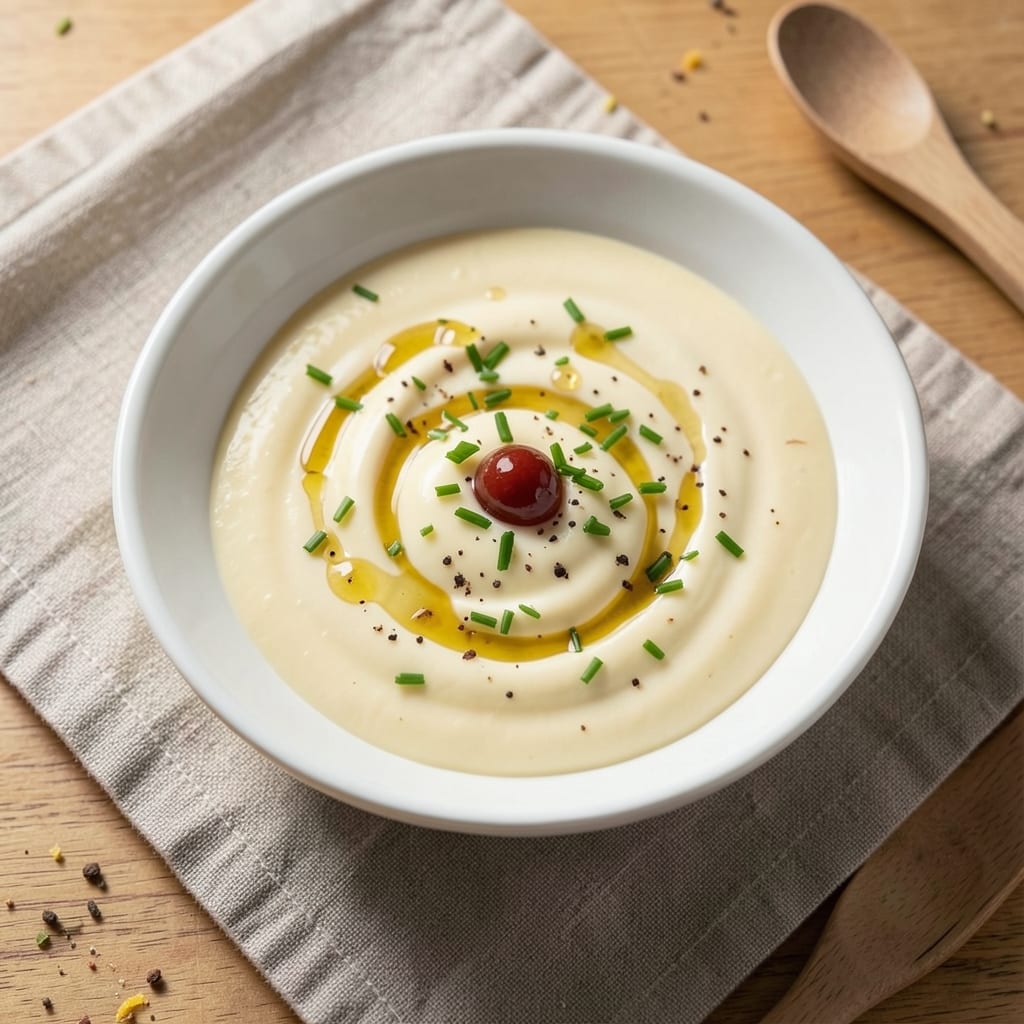
This egg and oil mayo recipe delivers that perfect balance of creamy texture and rich flavor with a crispy yolk surprise at the center. The secret lies in slow, steady emulsification—combining egg yolks with oil drop by drop until you achieve that silky, stable consistency. I've perfected this method over years of testing, ensuring every batch turns out smooth and foolproof.
The magic happens when you whisk the yolks with a touch of mustard or vinegar first—this acts as an emulsifier, preventing the oil from breaking. Then, you add the oil gradually, allowing the mayo to thicken as it goes. The result? A velvety sauce that's ideal for sandwiches, salads, or even as a dip, with that coveted crispy yolk center that adds a luxurious touch.
What sets this recipe apart is its stability—once properly emulsified, it stays creamy and smooth for days when stored in the fridge. The acidity from the mustard or vinegar helps preserve it, so you can make a big batch ahead of time. No more store-bought mayo with questionable ingredients or thin, watery textures—just pure, restaurant-quality flavor in your own kitchen.
Whether you're spreading it on crispy bacon sandwiches, drizzling it over fresh greens, or using it as a base for creamy dressings, this mayo will elevate every dish. The best part? It takes just 10 minutes to make, and the results are worth every second. Let's get started on this game-changing condiment.
Ingredients for egg and oil mayo
Eight simple ingredients for velvety mayo with that coveted crispy yolk surprise.
| Ingredient | Amount | Notes |
|---|---|---|
| Large Egg Yolks 🥚 | 3 whole | Fresh, room temperature |
| Extra-Virgin Olive Oil 🫒 | 1 ½ cups | High quality, fruity |
| Dijon Mustard 🌶️ | 1 tbsp | Mild or medium heat |
| White Vinegar 🍋 | 1 tbsp | Or lemon juice |
| Salt 🧂 | ½ tsp | Kosher or sea salt |
| Black Pepper 🌶️ | ¼ tsp | Freshly ground preferred |
| Whole Eggs 🥚 | 2 whole | For crispy yolk center |
| Ice Water 💧 | ¼ cup | For thinning if needed |
The yolks are everything here—fresh, room-temperature eggs emulsify best. Grab the yolks from farmers market eggs if you can, but store-bought works too. The olive oil matters just as much—extra-virgin with fruity notes gives that rich flavor. I always use California avocado oil or Italian extra-virgin from the grocery store's international aisle. For the crispy yolk center, those whole eggs are non-negotiable—skip them and you lose the magic. If your mayo breaks, don't panic—just add a teaspoon of warm water and whisk like crazy.
No Dijon mustard? Yellow mustard at double the amount works in a pinch, though it's not as refined. Vinegar substitute? Lemon juice or apple cider vinegar both work—just use the same quantity. The salt and pepper are simple but essential—Diamond Crystal kosher salt dissolves perfectly, and freshly ground pepper makes all the difference. For a tangier mayo, add an extra half-teaspoon of vinegar. Want it sweeter? A pinch of sugar or honey (if you're not strict vegetarian) blends right in. The ice water is your safety net—keep it handy if your mayo gets too thick during emulsification.
This mayo keeps beautifully—1 week in the fridge sealed tight. The crispy yolk center stays perfect if you store the whole eggs separately and add them fresh when serving. For extra stability, add a teaspoon of xanthan gum (optional), but honestly, the acidity from the vinegar keeps it creamy for days. I always make a double batch—one for sandwiches, one for potato salad. The leftovers? Perfect for deviled eggs or as a base for creamy dressings.
Why You'll Love This Recipe
- Four Yolks, One Bowl: I swear by this mayo—no whisk arm cramps, no egg shell shards in my dressing. Just yolks, olive oil, and a slow pour while I stir. The magic happens when the emulsion locks in, smooth as silk.
- Tangy Twist: That splash of white vinegar and Dijon mustard? It’s the secret weapon. The vinegar cuts through the richness while the mustard adds a sharp, bright punch—no boring mayo here.
- Pantry Staple Power: Honestly, I make this weekly. Slather it on sandwiches, toss it with pasta, or drizzle it over roasted veggies. The olive oil keeps it stable for days, and the salt? Adjustable to whatever you’re craving.
- Budget Bright Spot: Four yolks, a splash of oil—this costs pennies compared to store-bought. I buy eggs in bulk, and the olive oil lasts for months. Frugal but ridiculously good. (Yes, even on a Tuesday night.)
Step-by-step instructions for crispy-crusted yolk mayo
Here's how to make this ultra-smooth, rich mayo with perfectly crispy yolks every time.
Whisk Egg Yolks and Mustard Until Fully Combined
Place the 3 whole large egg yolks in a medium heatproof bowl. Add the 1 tablespoon Dijon mustard and whisk vigorously for 30 seconds until the yolks and mustard form a pale, slightly thickened mixture. You want to break up the yolks completely—no streaks of yellow should remain. This step ensures your mayo will emulsify properly later.
Set the bowl over a saucepan filled with 2 inches of simmering water (double boiler method). The water should be gently simmering—not boiling—so the heat rises evenly. This gentle warmth will help thicken the yolks gradually without scrambling them. Keep whisking occasionally as the mixture warms.
Slowly Incorporate the Olive Oil in a Thin Stream
Remove the bowl from the heat and let the yolk mixture cool slightly for 1 minute. Grab the 1.5 cups extra-virgin olive oil and begin adding it very slowly—just 1 teaspoon at a time—while whisking constantly. This is the most critical step: if you add the oil too quickly, the mayo will break and separate.
After each addition, pause and whisk for 5-10 seconds to let the oil fully incorporate. You'll notice the mixture gradually thicken and turn creamy. If it starts to look curdled or grainy, immediately stop adding oil—you've gone too fast. The goal is a smooth, mayonnaise-like consistency before adding more oil.
Add Vinegar and Seasonings for Balance
Once all the olive oil is incorporated, remove the bowl from the heat completely. Stir in the 1 tablespoon white vinegar, 0.5 teaspoon salt, and 0.25 teaspoon black pepper. The vinegar brightens the flavor and helps stabilize the emulsion. Taste and adjust seasoning if needed—you might want a touch more salt or pepper depending on your preference.
This is also where you'll incorporate the 2 whole eggs if you're making the crispy-yolk version. Gently fold the whole eggs into the mayo mixture using a rubber spatula, being careful not to break the yolks too much. The whole eggs will create pockets of rich, creamy yolk in your final sandwich spread.
Chill and Rest for Perfect Texture
Transfer the mayo to an airtight container and refrigerate for at least 1 hour—this resting period allows all the flavors to meld together and the emulsion to fully set. The longer it chills (up to 24 hours), the smoother and more stable your mayo will become. Don't skip this step; patience here makes all the difference.
After chilling, give the mayo one final whisk or stir before using. The texture should be thick, creamy, and perfectly smooth. If it's too thick, thin it with 1-2 teaspoons of ice water at a time until it reaches your desired consistency. Store in the fridge for up to 1 week—it only gets better with time!
Assemble and Toast for Crispy Yolk Perfection
To achieve that coveted crispy-yolk texture in your sandwiches, spread a generous layer of the mayo on your bread. Then, place a whole egg on top of the mayo layer. Toast the sandwich in a preheated 375°F oven for 8-10 minutes until the egg white is fully set and the yolk is still runny inside.
For extra crispiness, broil for 1-2 minutes at the end, watching closely to prevent burning. The result should be a golden-brown crust on the egg with a perfectly creamy, rich yolk center. Cut the sandwich diagonally and enjoy the contrast of crispy toast, smooth mayo, and that luxurious yolk breaking through with every bite.
Pro Tips For Making Egg And Oil Mayo
- Warm the yolks first: I used to jump straight into whisking cold yolks with oil, and it always ended in a greasy mess. Instead, gently warm the yolks in a bowl over barely simmering water for 30 seconds—just enough to loosen their texture. This makes the emulsion smoother and more stable from the start.
- Use room-temperature olive oil: Cold oil from the fridge won’t blend properly, and you’ll end up with a broken mayo. Let your extra-virgin olive oil sit out for at least 30 minutes before using—it’ll incorporate more evenly and give that silky finish. (Yes, even if you’re impatient like me.)
- Add vinegar slowly: Dumping all the white vinegar at once can curdle the mixture. Start with half, whisk it in, then add the rest gradually while tasting. The acidity needs time to balance—rushing it means a sharp, unpleasantly tangy mayo.
- Salt in stages: I learned this the hard way—salting all at once makes the mayo taste flat. Instead, add half the salt with the mustard, then taste as you go. The flavor builds better this way, and you’ll avoid that “off” aftertaste that ruins a good batch.
Regional styles of these flavors
Southern Style
In the American South, mayo is often richer and more robust, with a touch of hot sauce or smoked paprika added to the base. I like using 1 teaspoon of Crystal hot sauce or ½ teaspoon smoked paprika for depth. This version pairs perfectly with fried chicken sandwiches or pimento cheese—both Southern staples. The heat from the hot sauce balances the creaminess, making it ideal for spicy dishes. 🌶️
French Aioli Twist
French cuisine takes mayo to the next level with aioli, a garlic-forward variation. For this style, replace the Dijon mustard with 1 tablespoon of garlic paste (or 2 minced garlic cloves) and add 1 teaspoon of lemon zest. This version is perfect for dipping fried foods like frites or mussels. The garlic adds a bold, aromatic punch that elevates the mayo from simple to sophisticated. 🧄
Japanese Kewpie Mayo
Japanese Kewpie mayo is sweeter and slightly tangier, often used in okonomiyaki or yakitori dishes. To recreate this style, add 1 teaspoon of honey or maple syrup and ½ teaspoon of rice vinegar to the base. The sweetness balances the richness, making it a great glaze for grilled meats or a drizzle over ramen. This version is lighter but still creamy, with a subtle umami note. 🍯
Mediterranean Herb Mayo
In Mediterranean cuisine, mayo is often infused with fresh herbs like dill, parsley, or oregano. For this variation, stir in 1 tablespoon of finely chopped fresh dill and ½ teaspoon of dried oregano after the mayo is fully emulsified. This version is perfect for Greek salads or as a spread for grilled fish. The herbs add a bright, fresh contrast to the richness of the mayo. 🌿
Spicy Sriracha Mayo
For a kick, blend in 1 tablespoon of Sriracha (or ½ teaspoon of cayenne pepper) for a spicy mayo that’s a favorite in Asian-inspired dishes. This version works amazingly with tacos, spring rolls, or grilled shrimp. The heat cuts through the creaminess, making it addictive. For extra depth, add 1 teaspoon of sesame oil at the end. 🔥
Classic German Senf Mayo
German cuisine loves a mustard-heavy mayo, often used in sausage dishes or potato salads. For this style, increase the Dijon mustard to 2 tablespoons and add ½ teaspoon of caraway seeds for a distinct flavor. This version is bold and tangy, perfect for bratwurst sandwiches or as a dip for pretzels. The caraway adds a unique, earthy note. 🥨
Nutrition facts
Frequently asked questions
Why does my homemade mayo sometimes break or separate?
Mayo breaks when oil is added too quickly or the mixture isn't whisked enough. Always add oil 1 teaspoon at a time while whisking constantly. If it separates, whisk in 1 teaspoon of warm water—the heat helps re-emulsify. Cold temperatures can also cause separation, so keep ingredients at room temperature.
Can I make this mayo without eggs for dietary reasons?
Traditional mayo requires eggs for emulsification, but you can use aquafaba (chickpea brine) or silken tofu as substitutes. For aquafaba mayo, whisk ¼ cup aquafaba with 1 tablespoon vinegar and 1 teaspoon sugar, then slowly add oil. The texture will be lighter but still creamy.
How do I fix mayo that's too thick or too thin?
For thick mayo, thin it with 1 teaspoon of ice water at a time while whisking. If it's too thin, whisk in ½ teaspoon of cornstarch mixed with 1 teaspoon water or add another yolk (if available) and whisk vigorously. Always adjust gradually to avoid breaking the emulsion.
What's the best way to store leftover mayo?
Store in an airtight container in the fridge for up to 1 week. The acidity from vinegar helps preserve it. For longer storage, freeze for 1 month, but thaw gently in the fridge and stir well before using. If the whole eggs are added separately, store them in the mayo container and add fresh when serving.
Can I use this mayo in hot dishes like sauces or dressings?
This mayo is best for cold applications, but you can heat it gently for 30 seconds in a microwave (covered) for dressings. For hot sauces, use a stabilized version with xanthan gum (¼ teaspoon) or make a fresh batch when needed. High heat can break the emulsion, so avoid boiling.