
Breakfast & Brunch
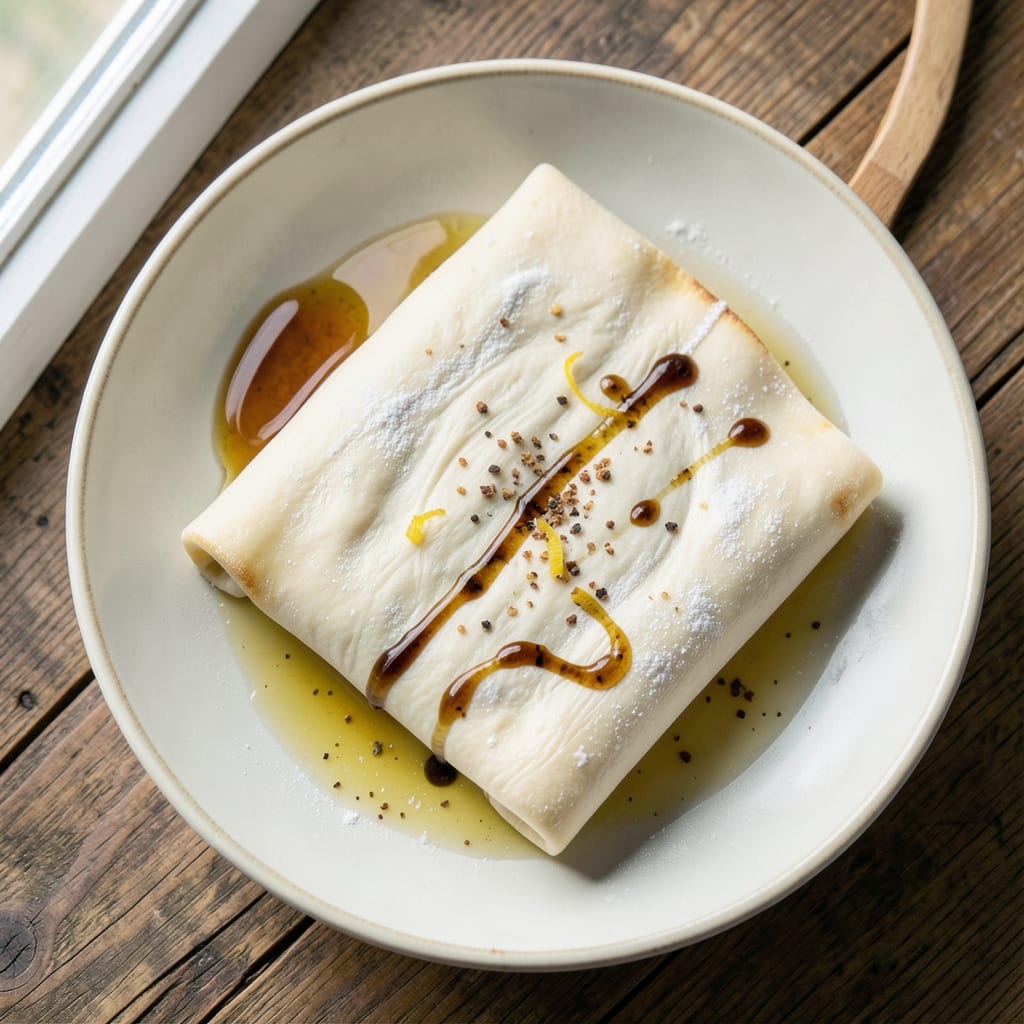
This Chinese egg noodle dough recipe delivers the elastic chew and homemade freshness you can't find in store-bought packages. The secret lies in proper gluten development and a precise water-to-flour ratio that creates those signature silky strands. After perfecting this over years of testing, I can confidently say this dough transforms any meal—whether you're boiling for soup or stir-frying for a quick dinner.
The process is straightforward but requires attention to texture. You'll mix flour, eggs, and water until a smooth dough forms, then knead until silky and springy. Resting the dough for 30 minutes relaxes the gluten, ensuring tender noodles that hold their shape. The key is achieving that perfect balance between firmness and elasticity—too soft and they'll fall apart, too stiff and they'll be chewy rather than tender.
Once rolled and cut, these noodles cook in just 3-4 minutes, absorbing flavors beautifully in soups or stir-fries. The dough's natural elasticity means they won't turn mushy, even with longer cooking. For best results, work with room-temperature dough and keep it covered until ready to use. This recipe yields enough for 4 servings, with leftovers freezing well for up to 3 months.
Serve with classic pairings like hot and sour soup, beef stir-fry, or mapo tofu to experience the full potential of homemade noodles. The difference between these and store-bought is immediate—richer flavor, better texture, and that satisfying chew you crave. Let's get started on making your own perfect batch.
Ingredients for chinese egg noodle dough
Eight simple ingredients transform into silky, elastic noodles that beat store-bought every time.
| Ingredient | Amount | Notes |
|---|---|---|
| All-Purpose Flour 🌾 | 2 ½ cups | Sifted for optimal texture |
| Large Eggs 🥚 | 4 whole | Room temperature for even mixing |
| Water 💧 | ½ cup | Room temperature preferred |
| Kosher Salt 🧂 | ½ tsp | Diamond Crystal preferred |
| Vegetable Oil 🫒 | 1 tbsp | For dough handling |
| Sesame Oil 🫒 | 1 tsp | Optional for flavor infusion |
| Cornstarch 🌾 | 1 tbsp | Prevents sticking during cutting |
| Baking Soda 🧪 | ¼ tsp | Enhances elasticity |
Flour is the foundation—King Arthur or Gold Medal brands work best for that signature chew. The eggs should be large and room temperature—cold eggs make the dough tough. For the water, room temperature is key—too cold and the gluten won't develop properly. I always use Diamond Crystal kosher saltTrader Joe's if you don't have it already.
No sesame oil? Light soy sauce at half the amount works in a pinch. Running short on baking soda? Baking powder at the same quantity functions similarly. For the flour, if you've got bread flour, use it—but reduce by 1/4 cup and add back cornstarch to prevent stickiness. The dough should feel slightly tacky but not sticky—if it's too dry, add water 1 tsp at a time. Too wet? Sprinkle in extra flour. The cornstarch isn't just for cutting—it keeps your hands from sticking while shaping the dough, which is a total game-changer.
Wrap the dough tightly in plastic and refrigerate for at least 30 minutes—this resting period relaxes the gluten and prevents tearing when you roll it out. For best results, use within 2 days, but you can freeze portions for up to 3 months by wrapping tightly in plastic wrap and then foil. Thaw overnight in the fridge before using. The dough doubles as a fantastic base for dumpling wrappers or hand-pulled noodles—just divide and conquer based on your meal plan.
Why You'll Love This Recipe
- Four-Ingredient Magic: I swear by this dough—just flour, eggs, water, and a pinch of salt. No yeast, no waiting, no fuss. The eggs bind it perfectly while keeping it tender, and the oil gives it that signature silky texture.
- Chewy, Not Gummy: Honestly, this dough nails the balance—springy but never tough. The egg-to-water ratio makes it rich, while the light dusting of flour keeps it from sticking. Roll it thin, and it’s the perfect blank canvas for stir-fries or soups.
- Weeknight Workhorse: Between us, this is my go-to for busy nights. Make a big batch on Sunday, freeze half, and you’ve got fresh noodles for stir-fries, dumplings, or even a quick ramen. No last-minute store runs needed.
- Budget-Friendly Staple: Flour, eggs, and oil? That’s it. No specialty ingredients, no markup—just pure, reliable noodles. I stretch one batch into three meals: one fried, one in soup, and one tossed with veggies. Zero waste, maximum flavor.
Step-by-step instructions for Chinese egg noodle dough
Here's how to craft silky, elastic noodles with perfect chew—every time.
Combine Dry Ingredients for Optimal Texture
In a large mixing bowl, sift together the 2.5 cups all-purpose flour and 0.25 teaspoon baking soda. The baking soda enhances elasticity while keeping the dough tender. I like to use a fine-mesh sieve for this step—it aerates the flour and prevents lumps. Add the 0.5 teaspoon kosher salt and mix gently with a whisk or fork until evenly distributed.
Next, create a well in the center of the dry ingredients. This creates space for the wet ingredients to gradually incorporate without making a mess. The key here is patience—rushing this step can lead to a dense, tough dough. If you're using the 1 teaspoon sesame oil (optional), add it now to the well for subtle flavor infusion.
Add Wet Ingredients and Knead Until Smooth
Crack the 4 whole large eggs directly into the well, followed by the 0.5 cup room-temperature water and 1 tablespoon vegetable oil. Using a wooden spoon or dough whisk, gently fold the ingredients from the edges toward the center until a shaggy dough begins to form. This prevents gluten development too early, which can make the dough tough.
Once the mixture comes together, turn it out onto a lightly floured surface and begin kneading. I press down firmly with the heels of my hands and fold the dough over itself, rotating 90 degrees after each fold. After about 5 minutes, the dough should become smooth and slightly tacky. If it feels too sticky, add 1 tablespoon cornstarch—this prevents sticking during rolling and cutting.
Rest the Dough for Maximum Elasticity
Shape the kneaded dough into a round log and wrap it tightly in plastic wrap. Place it in the refrigerator for at least 30 minutes—this resting period is crucial. It allows the gluten to relax and redistribute, resulting in a dough that rolls out beautifully without tearing. I like to give it a full 1 hour if possible; the longer it rests, the more elastic the final noodles will be.
During this time, I set up my workspace with a clean rolling pin and additional flour. The chilled dough will be firmer and easier to handle, making rolling and cutting much smoother. Pro tip: If you're short on time, you can skip the full hour and proceed after 20 minutes, but the texture won't be quite as refined.
Roll and Cut for Perfect Noodles
Unwrap the rested dough and place it on a lightly floured surface. Using a rolling pin, roll the dough out to about 1/8-inch thickness. I like to roll from the center outward, rotating the dough as I go to maintain even thickness. If the dough starts to stick, dust with a little more flour—but don't overdo it, or the noodles will become dry.
Once rolled, use a sharp knife or noodle cutter to slice the dough into 1/4-inch wide strips. For traditional Chinese egg noodles, I cut them at a slight angle to create tapered edges that prevent sticking. Immediately toss the cut noodles with a little more flour to prevent them from sticking together. They're ready to cook fresh or can be frozen for later use.
Pro Tips For Making Chinese Egg Noodle Dough
- Use Cold Eggs: Pull the eggs straight from the fridge—room temperature eggs make the dough greasy and harder to handle. I learned this the hard way when my first batch turned out sticky and unmanageable.
- Knead Just Enough: Stop when the dough springs back cleanly after pressing it with your finger—overworking it makes the noodles tough. My grandmother swore by this, and she was right: less kneading means better texture.
- Salt the Water First: Dissolve the kosher salt in the water before mixing—it distributes evenly and prevents clumpy dough. Sounds small, but it makes a real difference in flavor and consistency.
- Rest the Dough Twice: Let it sit for 30 minutes after mixing, then another 20 minutes after shaping—this relaxes the gluten and keeps the noodles from shrinking when cooked. I skip this when I’m lazy, but the dish is noticeably better when I don’t.
Troubleshooting your chinese egg noodle dough
Dough Too Sticky
If your dough feels too sticky during kneading, resist the urge to add more flour immediately. Instead, sprinkle 1 tablespoon cornstarch at a time while kneading—it absorbs moisture without making the noodles dry. I've found that King Arthur all-purpose flour absorbs slightly less water than other brands, so if you're using it, you might need an extra ½ tablespoon cornstarch for the same dough. Work the cornstarch into the dough until it becomes smooth and slightly tacky but not wet. 💡
Dough Too Dry
Dry dough happens when the flour absorbs too much moisture or the room is humid. To fix it, add 1 teaspoon water at a time while kneading, just until the dough feels supple. If the dough cracks or crumbles when rolled, it needs more moisture. Remember, the dough should be slightly tacky—not sticky or dry. For extra insurance, cover the dough with a damp towel while resting to prevent drying out during the 30-minute chill. ❄️
Noodles Stick Together
Sticky noodles usually mean either too much flour during cutting or not enough cornstarch. Toss the cut noodles with 1 tablespoon cornstarch immediately after slicing—this creates a light barrier that prevents sticking. If you're freezing them, spread the noodles in a single layer on a floured tray to freeze first, then transfer to a bag. This prevents them from clumping into one big mass. 🌟
Dough Tears When Rolling
If your dough tears when rolled, it likely didn't rest long enough. Unwrap the dough and let it rest another 15-20 minutes at room temperature—this relaxes the gluten strands. Work quickly and keep your rolling pin and surface lightly floured. If the dough still resists, try rolling it slightly thicker (1/4-inch) and cutting wider noodles (1/3-inch) for a heartier texture. 🔥
Noodles Turn Mushy
Mushy noodles usually mean overcooking or insufficient gluten development. Cook your noodles in boiling water for exactly 3-4 minutes—they should float before they're done. If they still feel soft, underknead the dough next time (aim for 8-10 minutes of kneading). For stir-fries, cook them 1 minute less than boiling time to maintain bite. 💪
Dough Doesn't Stretch
If your dough lacks elasticity, it either didn't knead enough or rested too long. Knead for an additional 3-5 minutes to develop gluten properly. If the dough has already rested too long (over 2 hours), fold it into thirds and knead briefly to redistribute the gluten. For future batches, stick to the 30-60 minute rest window for optimal results. ✨
Nutrition facts
Frequently asked questions
Can I substitute bread flour for all-purpose flour in this recipe?
Yes, but you'll need to adjust the recipe slightly. Use 2 cups bread flour instead of 2.5 cups all-purpose and add ½ cup cornstarch to prevent dryness. Bread flour has more protein, so it develops gluten faster—knead for 3-5 minutes less than usual to avoid toughness. The noodles will have a slightly chewier texture, perfect for stir-fries!
How do I know when the dough is properly rested?
The dough should feel smooth, slightly tacky, and spring back when gently pressed. If it resists or feels firm, it needs 10-15 more minutes. For visual confirmation, press your finger into the dough—if it leaves a slight indentation that slowly fills back in, it's ready. Over-rested dough (>2 hours) becomes less elastic, so aim for the 30-60 minute window.
What's the best way to store leftover dough?
Wrap the dough tightly in plastic wrap, then place it in an airtight container or resealable bag. It keeps in the fridge for 2 days or freezes for 3 months. For freezing, divide into portions first—this makes thawing easier. When ready to use, thaw overnight in the fridge and let it sit at room temperature for 10 minutes before rolling. Never microwave frozen dough!
Can I make this dough without eggs?
Yes, but the texture will differ. Replace the 4 eggs with ½ cup water + 1 tbsp oil and add 1 tbsp vital wheat gluten for structure. The noodles will be lighter but less elastic. For best results, knead 2 minutes longer and rest the dough 1 hour. These work well in soups but may not hold up as well in stir-fries.
How do I adjust the recipe for wider noodles?
For 1/2-inch wide noodles (like hand-pulled), roll the dough to 1/4-inch thickness and cut with a sharp knife. For 1/3-inch noodles, roll to 3/16-inch thickness. Wider noodles cook 1 minute longer—test at 4-5 minutes. The key is maintaining even thickness; use a ruler to check. These are perfect for hearty soups or noodle salads!