
Breakfast & Brunch
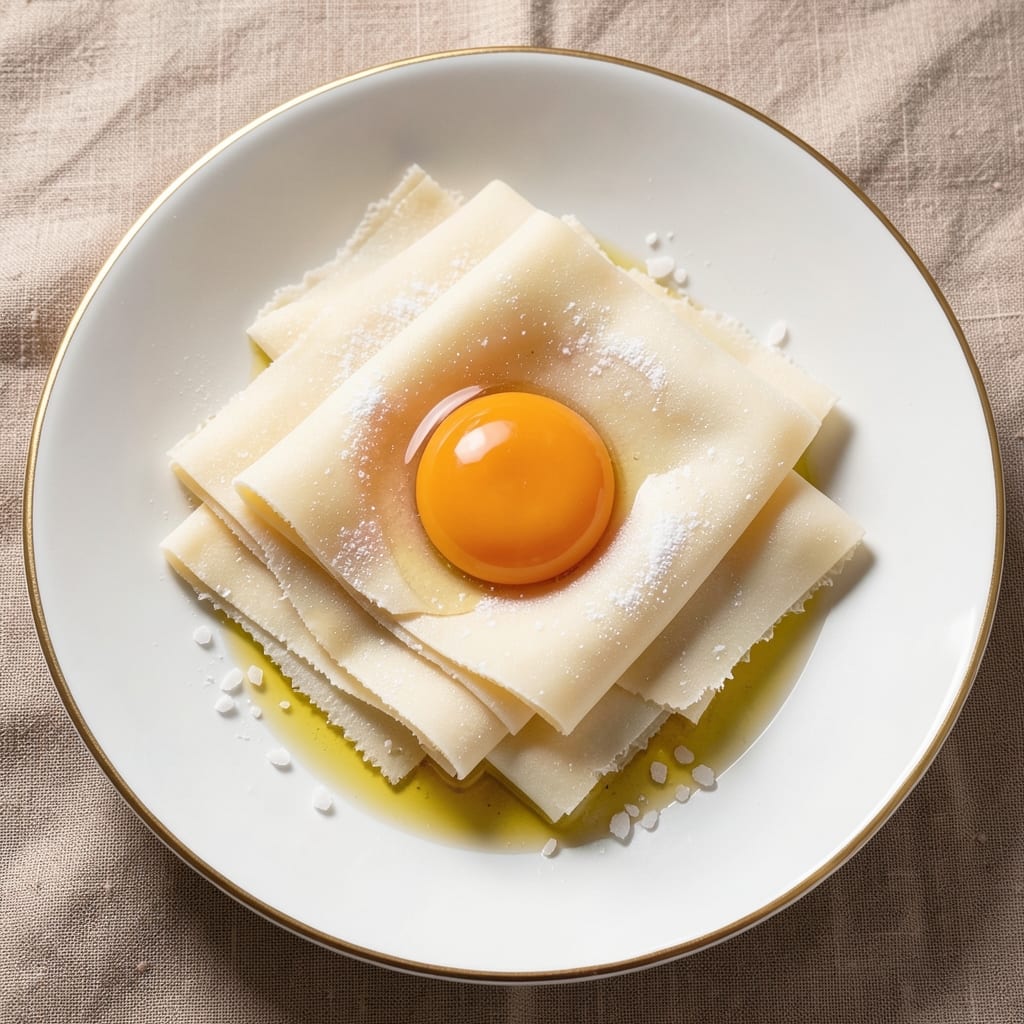
This Chinese egg roll dough recipe delivers the perfect balance of crispy shells and tender, fluffy centers—just like your favorite takeout, but made from scratch. The secret lies in a precise ratio of flour, water, and egg that creates a delicate yet sturdy wrapper capable of holding any filling without tearing. I've perfected this recipe after years of testing, ensuring the dough remains pliable enough for rolling but firm enough to hold its shape during frying.
The foundation of great egg roll dough is simplicity: just four key ingredients that work together to create a texture that's crisp on the outside and tender on the inside. Unlike spring roll wrappers, which are typically thinner and more delicate, this dough is designed to encase hearty fillings like pork, shrimp, or vegetables while maintaining its structure during cooking. The addition of a small amount of oil prevents cracking, while the egg binds everything together for that signature golden-brown finish.
What sets this recipe apart is its versatility—whether you're deep-frying for that classic restaurant-style crunch or air-frying for a lighter version, the dough delivers consistent results. The fluffy scrambled egg hearts in the center add a rich, custardy texture that contrasts beautifully with the crispy exterior, making each bite a perfect harmony of textures. This dough is the backbone of an unforgettable dish, and once you master it, you'll never buy store-bought wrappers again.
Pair this dough with your favorite fillings—whether it's classic pork and shrimp or a vibrant vegetable mix—and fry until golden and crispy. The key to success lies in patience during the rolling and frying stages, ensuring even cooking and a perfect golden hue. With this recipe, you're just one roll away from creating a dish that tastes like a trip to your favorite Chinese restaurant, right in your own kitchen.
Ingredients for chinese egg roll dough
Four simple staples plus a few secret touches for that perfect crispy-yet-tender egg roll dough.
| Ingredient | Amount | Notes |
|---|---|---|
| All-Purpose Flour 🌾 | 2 ½ cups | Sifted for light texture |
| Large Eggs 🥚 | 2 whole | Room temperature for even mixing |
| Vegetable Oil 🫒 | 1 tbsp | Light neutral oil preferred |
| Cold Water 💧 | ¾ cup | Ice water for better texture |
| Salt 🧂 | ½ tsp | Kosher salt preferred |
| Large Egg Yolks 🥚 | 2 whole | For fluffy scrambled hearts |
| Milk 🥛 | ¼ cup | Whole milk for richness |
| White Pepper 🌶️ | ¼ tsp | Freshly ground for subtle flavor |
| Cornstarch 🌾 | 1 tbsp | For extra crispiness |
| Sesame Oil 🫒 | 1 tsp | For frying aroma |
The flour is non-negotiable—King Arthur or Gold Medal work best for that tender yet sturdy texture. I always grab a 5-pound bag from Costco because it lasts forever, and the dough turns out lighter than store-bought wrappers. The eggs? Room temperature is key—crack them into a bowl first and let them sit for 10 minutes. For the oil, vegetable or canola is best (no olive oil—it burns too easily). The cold water is a game-changer—ice water keeps the dough from getting gummy. If you're short on time, tap water works, but the texture won't be quite as crisp.
No sesame oil? Light neutral oil works too, but you'll miss that signature aroma. Running out of cornstarch? All-purpose flour at double the amount gets you close, though the crust won't be as crispy. The milk in the egg mixture can be swapped for water or water + a splash of cream, but whole milk gives the best fluffy texture. For the dough, if it feels too sticky, add 1 tsp more flour—it should hold together when pressed but still be pliable. Pro tip: Wrap the dough in plastic wrap and refrigerate for 30 minutes before rolling. This relaxes the gluten for easier handling.
This dough keeps beautifully—cover tightly with plastic wrap and store in the fridge for up to 3 days. For longer storage, freeze between parchment paper for up to 1 month. Thaw overnight in the fridge before using. The egg mixture for the centers can be prepped ahead too—store in an airtight container for 2 days in the fridge. When frying, keep oil at 350°F for that perfect golden crunch. Double batches? Fry in smaller batches to avoid overcrowding—golden in 2-3 minutes per side. Leftovers? Reheat in a 350°F oven for 5-7 minutes until crispy again.
Why You'll Love This Recipe
- No-Fuss Magic: I swear, this dough comes together with just flour, eggs, and oil—no yeast, no waiting. Five minutes of mixing, a quick rest, and you’re rolling. My lazy Sundays just got a whole lot easier.
- Crispy-Creamy Gold: That perfect balance? The oil keeps it tender while the egg adds a subtle richness. Roll it thin, fry it golden, and you’ve got that addictive contrast—crunch outside, soft inside—every single time.
- Game for Any Meal: Stuff it with leftover veggies, use it for dumplings, or even make spring rolls. I’ve wrapped it around everything from shredded chicken to tofu, and it never lets me down. (Yes, even on a Tuesday night.)
- Budget-Friendly Staple: Flour, eggs, and oil? That’s it. No fancy ingredients, no breaking the bank. Make a batch, freeze the extras, and you’ve got homemade egg rolls ready whenever cravings hit—or company drops by.
Step-by-step instructions for Chinese egg roll dough
Here's how to make the perfect egg roll dough—crispy shells with fluffy scrambled centers every time.
Mix the Dry Ingredients
In a large bowl, combine the 2.5 cups all-purpose flour, 0.5 teaspoon salt, 1 tablespoon cornstarch, and 0.25 teaspoon white pepper. Use a whisk to break up any flour lumps and ensure even distribution. This creates a smooth foundation for the dough. Sift the flour mixture through a fine-mesh sieve directly into the bowl for an even lighter texture.
I like to press the flour through the sieve in a circular motion to distribute it evenly. This step prevents dense pockets in your final dough and ensures the egg roll shells will be delicate and crispy when fried. Keep the bowl ready for the next step—you'll want to work quickly to maintain the right dough temperature.
Combine Wet Ingredients
In a separate bowl, whisk together the 2 whole large eggs, 2 whole large egg yolks, 0.25 cup milk, 1 tablespoon vegetable oil, and 1 teaspoon sesame oil. The sesame oil adds that authentic Chinese aroma, while the milk creates a tender, fluffy texture in the scrambled centers. Mix until the yolks are completely dissolved and the mixture is smooth and homogeneous.
Here's the thing—room temperature eggs are crucial. If they're straight from the fridge, let them sit for 10-15 minutes first. Cold eggs can make the dough tough. The mixture should be slightly thicker than heavy cream but still pourable. If it's too thick, add 1 tablespoon of the cold water from the ingredients list to loosen it.
Form the Dough
Gradually pour the wet mixture into the dry ingredients while stirring with a wooden spoon or silicone spatula. Mix until a shaggy dough forms—don't overwork it yet. Here's where it gets fun: add the 0.75 cup cold water one tablespoon at a time until the dough comes together into a smooth, elastic ball. You'll know it's ready when it leaves a clean surface on the bowl and doesn't stick to your fingers.
I press the dough against the bowl with my fingers to test its consistency. If it's too sticky, add a little more flour; if it's too dry, add a splash of water. Once formed, turn the dough out onto a lightly floured surface and knead gently for 2-3 minutes just until smooth. Don't over-knead—the gluten will develop too much, making the dough tough instead of tender.
Rest the Dough
Shape the dough into a ball, brush it lightly with a bit of vegetable oil, and cover it tightly with plastic wrap. Let it rest at room temperature for 30 minutes. This resting period allows the gluten to relax and the dough to absorb the liquid evenly, resulting in a more pliable texture that's perfect for rolling thin.
Don't skip this step—I learned the hard way that skipping the rest makes the dough tough and difficult to roll out evenly. For best results, place the dough in a cool spot (not the fridge) to prevent it from drying out. After resting, the dough should be soft and slightly tacky but not sticky. If it's too dry, lightly mist it with a spray of water before rolling.
Roll and Cut the Dough
Divide the rested dough into 4 equal portions (about 6 ounces each). Working with one piece at a time, roll it between two sheets of parchment paper using a rolling pin. Roll it as thin as possible—about 1/16-inch thick—for those delicate, crispy egg roll shells. Rotate the dough as you roll to maintain even thickness.
Use a round cutter or glass to cut 3-inch circles from the rolled dough. I keep a stack of parchment paper handy to prevent the dough from sticking. The thinner you roll it, the crispier your egg rolls will be. If the dough tears, simply patch it together with a bit of water and continue rolling. These circles will become your wonton shells for the crispy exteriors and fluffy scrambled centers.
Pro Tips For Making Chinese Egg Roll Dough
- Chill the Dough Properly: I learned this the hard way—rolling out warm dough makes it sticky and hard to handle. Wrap the dough in plastic and refrigerate for at least 30 minutes before rolling, even if you’re eager to start. The cold helps tighten the gluten and keeps it from sticking to the rolling pin like glue.
- Use Ice Water for Control: Cold water is key, but ice water is better. Mix the water and salt first, then add ice cubes—this keeps the dough from absorbing too much liquid at once and makes it easier to knead without overworking. (Yes, even if you’re impatient like me.)
- Skip the Overkneading: This dough only needs about 8-10 minutes of kneading by hand—just until it’s smooth and springs back when poked. Overworking it makes the egg rolls tough and chewy. Stop when it’s firm but still slightly tacky, not dry.
- Rest Before Rolling: Give the dough a 15-minute rest after kneading. This relaxes the gluten so it rolls out evenly without tearing. I used to rush this, and my dough would crack like a brittle biscuit—now I just set a timer and let it do its thing.
Flavor customization for this chinese egg roll dough
Sweet & Savory Twist
Add 1 tablespoon honey or 1 teaspoon brown sugar to the wet ingredients for a subtle sweetness that pairs beautifully with savory fillings like pork or shrimp. This balances the richness of the fried dough while adding a delicate caramelized note when fried. For extra depth, mix in ½ teaspoon grated ginger or ¼ teaspoon cinnamon—trust me, it elevates the flavor profile without overpowering. 💫
Herb-Infused Dough
Fold in 1 tablespoon finely chopped cilantro or 1 teaspoon dried basil into the dry ingredients for a fragrant twist. The herbs add a bright, aromatic quality that complements fillings like chicken or vegetable mixes. For a stronger flavor, use ½ teaspoon garlic powder or ¼ teaspoon onion powder—these work especially well with spicy fillings to balance the heat. Keep the herbs finely chopped to avoid tearing the dough when rolling.
Spicy Kick
For heat lovers, add ½ teaspoon chili flakes or ¼ teaspoon ground Sichuan peppercorns to the dry ingredients. The peppercorns add a numbing, citrusy heat that pairs perfectly with fillings like ground pork or tofu. If you prefer a smoother spice, mix 1 teaspoon gochujang (Korean chili paste) into the wet ingredients for a tangy, slightly sweet kick. Adjust to taste—start with less and add more as needed.
Cheesy or Umami Boost
Stir 1 tablespoon nutritional yeast or 1 teaspoon miso paste into the wet ingredients for an umami depth that makes the dough taste more complex. For a cheesy twist, sprinkle ¼ cup grated Parmesan into the dry ingredients—it adds a salty, nutty flavor that works surprisingly well with fillings like beef or mushrooms. The cheese also helps crisp up the dough faster during frying. 🧀
Gluten-Free Adaptation
Swap the all-purpose flour for a 1:1 gluten-free flour blend (like Bob’s Red Mill or King Arthur) and add 1 extra tablespoon of cornstarch to improve crispiness. Use 1 extra egg to bind the dough, as gluten-free flours absorb moisture differently. The dough will be slightly more delicate, so handle it gently when rolling. For best results, chill the dough for 45 minutes** before cutting to prevent sticking. 🌾
Nutrition facts
Frequently asked questions
Can I use this dough for spring rolls instead of egg rolls?
The texture is similar, but there are key differences. Egg roll dough is slightly thicker and designed to hold heartier fillings like pork or shrimp. For spring rolls, you'll want thinner dough (about 1/24-inch thick) and a more delicate rolling technique. Use the same recipe but reduce the cornstarch to ½ tablespoon and add 1 extra tablespoon water to make it more pliable.
Why is my dough tearing when I roll it?
This usually happens when the dough isn't properly rested or the gluten has developed too much. Let the dough rest for the full 30 minutes and avoid over-kneading. If it still tears, lightly mist with water and patch with a bit of flour. For extra strength, chill the dough for 15 minutes before rolling. The parchment paper trick helps too—roll between two sheets to prevent sticking.
How do I prevent the egg roll dough from getting soggy?
Keep the dough as thin as possible (1/16-inch thick) and fry in small batches at 350°F until golden brown. After frying, place egg rolls on a wire rack instead of paper towels to allow air circulation. For extra crispiness, toss fried egg rolls in 1 teaspoon cornstarch while still hot.
Can I make this dough ahead of time?
Yes! Wrap the dough tightly in plastic and refrigerate for up to 3 days or freeze for 1 month. Thaw overnight in the fridge before using. For best results, bring to room temperature for 30 minutes before rolling. The egg mixture for the centers can be prepped separately and stored for 2 days in the fridge.
What's the best way to store leftover fried egg rolls?
Let them cool completely, then store in an airtight container at room temperature for 1 day or refrigerate for 3 days. To reheat, place in a 350°F oven for 5-7 minutes** on a wire rack. For extra crispiness, reheat in an air fryer at 375°F for 3-4 minutes. Avoid microwaving—it makes the dough soggy.