
Breakfast & Brunch
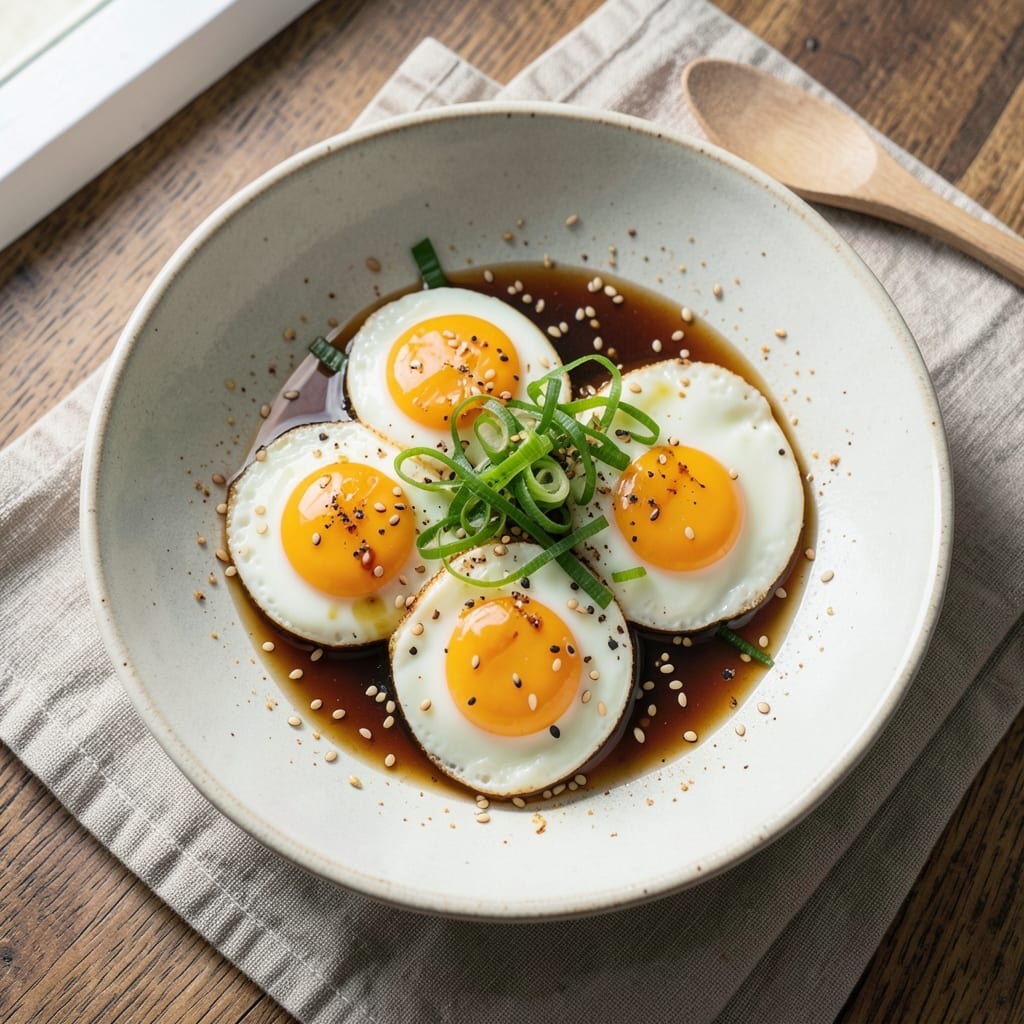
This egg banchan recipe transforms simple fried eggs into a crispy, golden Korean side dish with a velvety yolk that melts at the first bite. The secret lies in a precise balance of heat and technique—achieving that perfect crispy exterior while keeping the center silky smooth, just like the banchan you'd find at a traditional Korean table. What makes this dish special is its versatility; it pairs beautifully with rice, grilled meats, or even as a standalone snack when served with a drizzle of sesame oil.
The recipe starts with a simple preparation: eggs are gently fried in a hot pan until the whites set into delicate layers, while the yolks remain runny and rich. A touch of soy sauce and sesame oil adds depth, enhancing the natural umami of the eggs without overpowering their clean, savory flavor. The key to success? Cooking over medium-low heat to ensure even browning and avoiding overcrowding the pan, which can lead to soggy results. This method guarantees that every bite delivers the perfect contrast of textures—crispy edges and a luscious, creamy yolk.
What sets this egg banchan apart is its cultural significance. In Korean cuisine, banchan are small, flavorful side dishes designed to complement the main meal, and this recipe captures that essence in a way that’s both authentic and approachable. The dish is quick to prepare, making it ideal for breakfast or as a light lunch, and it can be customized with optional toppings like green onions or sesame seeds for added texture. Once you master this technique, you’ll find yourself reaching for eggs in a whole new way—transforming a basic ingredient into something truly special.
Serve these crispy fried eggs alongside steamed rice and other banchan for a complete Korean-style meal, or enjoy them as a standalone snack with a side of pickled vegetables. The simplicity of the recipe belies its sophistication, proving that sometimes the most impressive dishes require just a few well-chosen ingredients and a little finesse. Let’s get cooking!
Ingredients for egg banchan
Simple ingredients, precise technique—this egg banchan delivers restaurant-quality crispy edges and silky yolks every time.
| Ingredient | Amount | Notes |
|---|---|---|
| Large Eggs 🥚 | 4 whole | Room temperature for even cooking |
| Neutral Oil 🫒 | ¼ cup | Vegetable or canola preferred |
| Light Soy Sauce 🧂 | 1 tbsp | Korean or Japanese style |
| Toasted Sesame Oil 🫒 | 1 tsp | For aroma, not cooking |
| White Sesame Seeds 🌰 | 1 tsp | Toasted lightly for garnish |
| Green Onions 🧅 | 2 whole | Thinly sliced, for garnish |
| Salt 🧂 | ¼ tsp | Fine sea salt for seasoning |
| Black Pepper 🌶️ | ⅛ tsp | Freshly ground for finish |
| Rice Vinegar 🍶 | ½ tsp | Optional for brightness |
| Steamed White Rice 🍚 | 2 cups | For serving, optional |
The eggs are the star, so use large, fresh eggs—they hold their shape better when fried. Korean grocery stores often carry high-quality eggs, but any good supermarket brand works. Room temperature eggs fry more evenly, so take them out 30 minutes before cooking. For the oil, neutral varieties like vegetable or canola ensure the eggs don't absorb unwanted flavors. If you're feeling adventurous, try avocado oil for an even higher smoke point. The soy sauce should be light and clean—Kikkoman or Yamasa are reliable choices, but any light soy will do.
No sesame oil? Toasted peanut oil adds a similar nutty depth, though it won't be identical. Short on sesame seeds? Toasted peanuts or cashews work as a garnish, though they'll change the texture slightly. The rice vinegar is optional but adds a subtle tang that balances the richness—substitute with apple cider vinegar in a pinch. For extra crispiness, crack the eggs into a bowl first, then slide them into the pan to minimize splatter. And if you're serving this as a standalone snack, double the sesame seeds and green onions for maximum crunch and color.
These eggs keep best at room temperature for 2 hours after cooking, but refrigerate leftovers for up to 3 days—reheat gently in a dry pan over low heat. The sesame oil and seeds can be stored in the pantry for 6 months, while the soy sauce lasts indefinitely. For meal prep, cook a batch ahead and store in an airtight container, reheating portions as needed. Pair with kimchi or pickled vegetables to round out the meal, or serve alongside grilled meats for a complete Korean spread.
Why You'll Love This Recipe
- Five-Ingredient Magic: I swear, this is the kind of recipe where you open your pantry and boom—you’ve got everything. No last-minute grocery runs, no forgotten spices. Just eggs, a splash of soy sauce, and that golden sesame oil that turns "meh" into "I need more."
- Umami Bomb: That first crack of the egg into hot oil? The soy sauce caramelizes into something deep, while the toasted sesame oil adds this nutty, toasty punch. Sprinkle those white sesame seeds, and suddenly you’ve got a flavor explosion that’s weirdly satisfying—like a tiny, salty, crispy hug.
- Banchan for Days: Honestly, this keeps better than most side dishes. Make a batch on Sunday, and it’ll still be crispy and tasty by Friday. It’s my go-to for lazy nights, potlucks, or when I’m too tired to cook but still crave something real. Plus, it pairs with everything—rice, noodles, even sandwiches.
- Budget Crunch Saver: I’m not joking—this costs me pennies per serving. Eggs are cheap, soy sauce lasts forever, and sesame oil stretches far. It’s the kind of dish that makes me feel fancy without breaking the bank. (Yes, even on a Tuesday night.)
Step-by-step instructions for crispy fried eggs with silky yolk Magic
Master this technique and you'll achieve restaurant-quality banchan with perfectly crisp edges and velvety yolks every time.
Prepare the Eggs and Seasoning
Crack all 4 whole large eggs into a shallow bowl. Add the 0.25 teaspoon salt and 0.125 teaspoon black pepper, then whisk gently until the whites are fully incorporated but yolks remain intact. The eggs should be at room temperature—this ensures even cooking throughout. If they're cold, they'll cook unevenly and potentially break apart.
While the eggs rest, prepare your seasoning mixture in a small bowl. Combine the 1 tablespoon light soy sauce and 0.5 teaspoon rice vinegar. This balance of umami and brightness will elevate the simple fried eggs to banchan-worthy status. The vinegar adds a subtle tang that cuts through the richness of the eggs, while the soy sauce provides depth. Stir well and set aside—you'll add this just before serving.
Heat the Oil to Perfect Temperature
Place a non-stick skillet over medium-low heat and add the 0.25 cup neutral oil. Let it heat for 2-3 minutes until it shimmers gently but doesn't smoke. This is critical—the right oil temperature gives you crispy edges without cooking the yolks too quickly. If the oil is too hot, you'll end up with rubbery whites and overcooked yolks. If it's too cool, the eggs will absorb oil and lose their crisp texture.
I like to test the oil by dropping in a tiny piece of egg white—it should sizzle gently and cook in 5-7 seconds before turning opaque. This simple test takes the guesswork out of temperature control. Once your oil is ready, reduce the heat to low—you'll be working with gentle, even heat from this point forward.
Fry the Eggs to Crispy Perfection
Using a small ladle or spoon, carefully drop the eggs one at a time into the hot oil. The eggs should float gently—their natural buoyancy helps create that signature crispy edge. Let each egg cook undisturbed for 2-3 minutes on one side until the whites are set but still slightly translucent at the edges. You're aiming for golden brown crispiness, not fully opaque whites.
Here's the secret: when the whites are about 80% set (they should hold their shape but still look slightly runny), gently flip each egg using a thin spatula. Cook the other side for another 1-2 minutes until the edges are crisp and the yolks remain completely liquid. The yolks should still jiggle slightly when you shake the pan—this indicates perfect doneness. Remove the eggs and let them rest on a wire rack for 1 minute to maintain their crisp texture.
Finish and Serve Immediately
Just before serving, drizzle each crispy egg with 1 teaspoon toasted sesame oil and sprinkle with 0.25 teaspoon white sesame seeds. The sesame oil adds an aromatic depth that complements the soy sauce perfectly, while the seeds provide both texture and visual appeal. Thinly slice the 2 whole green onions and arrange them around the eggs for freshness and color contrast.
Serve the eggs immediately over the 2 cups steamed white rice, accompanied by the soy-vinegar mixture you prepared earlier. The contrast of crispy eggs against soft rice creates the perfect textural experience. Each bite should deliver that satisfying crunch from the edges, followed by the luxurious, runny yolk that coats your rice. The soy-vinegar dip adds brightness that cuts through the richness, making this simple banchan feel like a gourmet experience.
Pro Tips For Making Egg Banchan
- CRACK EGGS COLD: I learned this the hard way—whisking eggs straight from the fridge makes them clump like glue. Let them sit in warm water for 5 minutes first, then whisk vigorously. The result? Silky, even scrambles that don’t turn into rubbery globs. (Yes, even if you’re impatient like me.)
- USE LOW HEAT FOR GOLDEN CRUST: High heat burns the bottom before the top sets. Start on medium-low, then lower to the absolute minimum once the edges lift. You’re aiming for a crispy, caramelized crust—not a charred hockey puck. Sounds weird, but it works: the eggs cook through without turning into a sad, gray mess.
- SALT THE EGGS FIRST: Tossing salt in after cooking? You’re missing half the flavor. Whisk the eggs with a pinch of salt before cooking—it distributes evenly and seasons the protein properly. Light soy sauce gets added later, but salt upfront makes a real difference in texture and taste. (Your future self will thank you.)
- TOAST SESAME SEEDS DRY: Skip the oil when toasting white sesame seeds—just dry-toast them in a small pan over medium heat for 30 seconds until they’re fragrant and just starting to brown. Oil makes them greasy, and you want them to pop with nutty aroma when sprinkled over the finished dish. I was skeptical until I tried it.
Dietary considerations for this dish
Vegetarian-Friendly
This egg banchan recipe is naturally vegetarian, making it perfect for plant-based diets or meals without meat. The eggs provide high-quality protein while keeping the dish light and flavorful. Since it doesn’t contain any dairy or meat derivatives, it’s also suitable for lacto-ovo vegetarians. The soy sauce and sesame oil add umami depth without relying on animal products. 🌱
Gluten-Free Adaptation
For a gluten-free version, simply swap the regular soy sauce for a certified gluten-free tamari or coconut aminos. These alternatives provide the same savory depth without the gluten content. Always check labels, as some brands may contain cross-contamination risks. The rest of the recipe remains unchanged, ensuring the crispy texture and silky yolks stay intact. 🥚
Low-Carb Option
To make this dish lower in carbs, skip the rice and serve the crispy eggs as a standalone snack or with non-starchy vegetables like cucumber or bell pepper slices. The eggs themselves are naturally low-carb, and the sesame oil and seeds add healthy fats. This version is perfect for keto or low-carb diets while still delivering that satisfying crunch and rich yolk. 🥑
Allergen Considerations
This recipe contains eggs and sesame, which are common allergens. For those with egg allergies, this dish isn’t suitable, but you could explore tofu-based banchan alternatives. Sesame-sensitive individuals can omit the sesame oil and seeds, though they’ll lose some of the dish’s signature flavor. Always double-check ingredient labels for hidden allergens, especially in soy sauce or vinegar substitutes. 🚨
Nut-Free Version
While sesame seeds are traditional, you can easily make this dish nut-free by omitting them entirely. Swap the white sesame seeds for extra green onions or a sprinkle of toasted pumpkin seeds for a different texture. The flavor profile will still shine through, proving that the crispy eggs and soy-sesame oil combo are the stars of this banchan. 🌰
Nutrition facts
Frequently asked questions
Can I use this egg banchan recipe for breakfast?
These crispy fried eggs make an excellent breakfast when served with steamed rice and a side of pickled vegetables. The silky yolks and savory seasoning provide protein and energy to start your day. For extra breakfast appeal, add a sprinkle of toasted sesame seeds and serve with a side of kimchi.
What's the secret to getting perfectly crispy edges?
The key is using medium-low heat and letting the eggs cook undisturbed for 2-3 minutes per side. The whites should be golden brown but still slightly translucent at the edges when you flip them. Overcrowding the pan causes steam, which makes the eggs soggy—keep only 2 eggs in the pan at once for best results.
Can I make this ahead of time?
While best served fresh, you can prepare the eggs up to 2 hours ahead and keep them at room temperature. For longer storage, refrigerate for up to 3 days and reheat gently in a dry pan over low heat for 30 seconds to restore crispiness. The sesame oil and seeds should always be added fresh before serving.
How can I add more Korean flavors?
For deeper Korean-inspired flavors, try adding 1 tsp gochujang (Korean chili paste) to the soy sauce mixture or garnish with thinly sliced scallions and a drizzle of sesame oil. You could also serve with doenjang (fermented soybean paste) or doenjang jjigae (stew) for an authentic pairing.