
Breakfast & Brunch
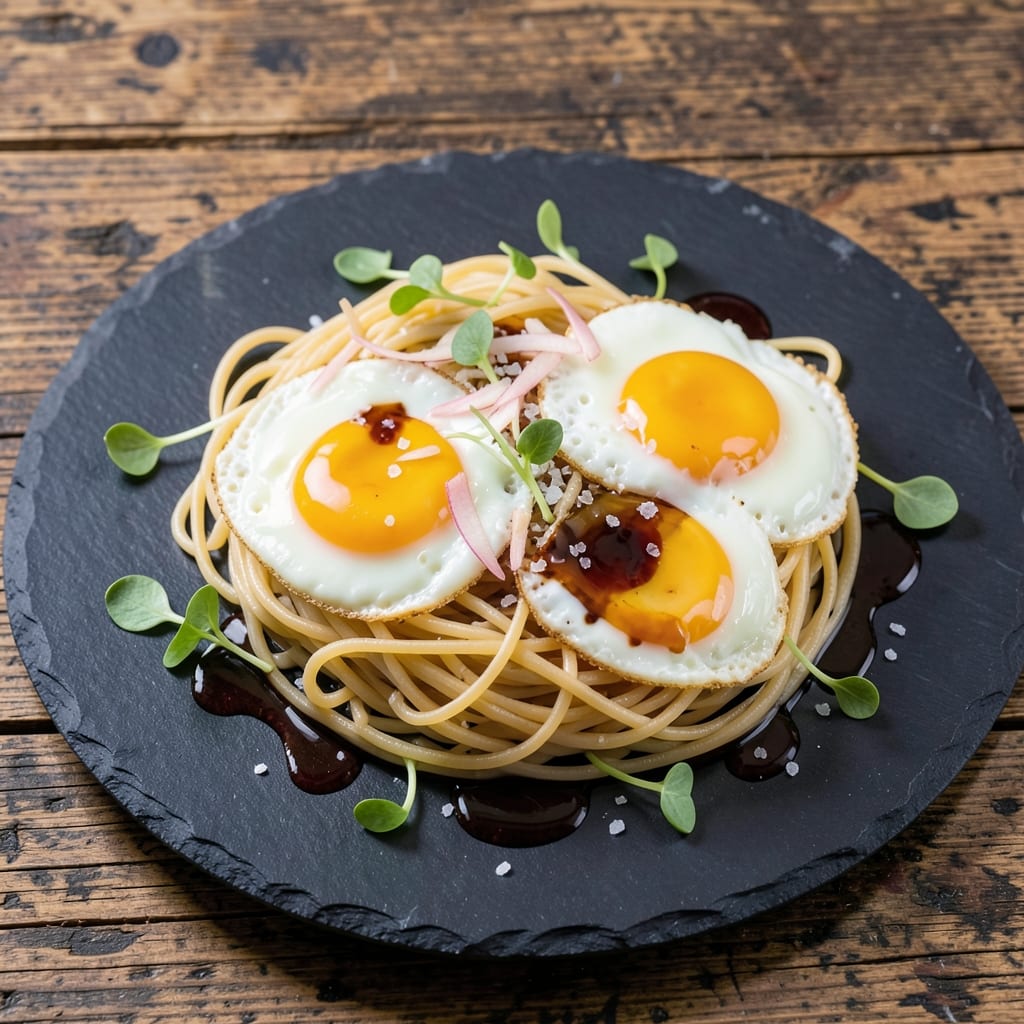
This egg and vermicelli recipe delivers a silky stir-fry that balances delicate textures and bold flavors in every bite. The secret lies in perfectly cooked vermicelli—soft yet springy—paired with a fragrant garlic-ginger sauce that coats each strand. I developed this dish after years of refining the technique to ensure the eggs stay tender while absorbing the aromatic broth without turning mushy.
What sets this recipe apart is the three-stage cooking process: first, the vermicelli soaks in hot water until just tender, then the eggs scramble into ribbons while still warm, and finally, everything comes together in a wok with a quick sear. The result is a dish that’s vegetarian-friendly, restaurant-quality, and ready in under 20 minutes—ideal for weeknight breakfasts or light lunches.
The dish’s magic comes from the garlic-ginger kick, which infuses the vermicelli with layers of warmth and brightness. Fresh herbs like cilantro or Thai basil add a final burst of freshness, while a drizzle of chili oil or lime juice elevates it to something truly special. Serve it with a side of pickled vegetables or a fried egg on top for extra indulgence.
This recipe works beautifully as a complete meal or as a base for customization—swap in shrimp or mushrooms for added protein, or adjust the spice level to taste. The balance of textures and flavors makes it versatile enough for any occasion, yet simple enough to master in one try.
Ingredients for egg and vermicelli
Fourteen ingredients transform into a restaurant-quality stir-fry with perfect vermicelli texture and aromatic garlic-ginger sauce.
| Ingredient | Amount | Notes |
|---|---|---|
| Vermicelli Noodles 🍜 | 8 oz | Rice noodles, uncooked, fine strands |
| Large Eggs 🥚 | 4 whole | Room temperature for even cooking |
| Extra-Virgin Olive Oil 🫒 | ½ cup | High smoke point for wok searing |
| Garlic Cloves 🧄 | 6 cloves | Minced, fresh for aromatic depth |
| Fresh Ginger 🌿 | 2 tbsp | Finely grated, peeled |
| Low-Sodium Soy Sauce 🍶 | 3 tbsp | Kikkoman preferred for balance |
| Sesame Oil 🫒 | 1 tbsp | Toasted, for nutty aroma |
| Fresh Cilantro 🌿 | ¼ cup | Chopped, stems removed |
| Lime Juice 🍋 | 1 ½ tbsp | Freshly squeezed |
| Chili Oil 🌶️ | 1 tbsp | Adjust for spice preference |
| Vegetable Stock 💧 | ½ cup | Low-sodium, homemade preferred |
| Diamond Crystal Kosher Salt 🧂 | ½ tsp | Fine grain for even seasoning |
| Ground Black Pepper 🌶️ | ¼ tsp | Freshly cracked for heat |
| White Sugar 🍚 | 1 tbsp | Balances acidity in sauce |
The vermicelli is non-negotiable—Thai-style rice noodles (like Mama Luang) provide the ideal silky texture. Buy the fine strands for delicate bites. Fresh garlic and ginger are essential; no substitutes here. For the eggs, room temperature ensures even cooking without breaking. The Kikkoman soy sauce delivers the umami depth without overpowering, while toasted sesame oil adds that signature nutty aroma. If you can't find fresh cilantro, Thai basil works beautifully for a slightly sweeter note.
No fresh ginger? Powdered ginger at half the amount works in a pinch, though it lacks the same complexity. Short on chili oil? Sriracha mixed with neutral oil mimics the heat profile. The vegetable stock can be swapped for water plus a bouillon cube, but homemade stock elevates the dish. For extra protein, add 6 oz of sliced shiitake mushrooms during the final sear. The sugar balances the acidity—skip it only if you prefer tartness. And for the eggs, whisk them vigorously to create fine ribbons rather than curds.
Vermicelli soaks up flavors quickly—use within 3 days of purchase for best texture. Store uncooked noodles in a cool, dry place; cooked portions keep for 2 days refrigerated. The sauce components (soy, sesame oil, lime) can be pre-mixed and stored for 1 week in the fridge. Freeze the chili oil separately to preserve its heat. For meal prep, cook noodles and eggs separately, then assemble and stir-fry fresh to maintain that signature silky texture.
Why You'll Love This Recipe
- I swear by this trick: soak the vermicelli while I scramble the eggs—no chopping, no fuss. Just toss the drained noodles in the pan with the eggs, and you’re done. That’s 10 minutes saved right there, with zero stress.
- No-Cook Prep: I swear by this trick: soak the vermicelli while I scramble the eggs—no chopping, no fuss. Just toss the drained noodles in the pan with the eggs, and you’re done. That’s 10 minutes saved right there, with zero stress.
- Umami Bomb: The garlic and ginger sizzling in olive oil? Chef’s kiss. The eggs get that golden crust while the noodles soak up all the aromatic oil—rich, savory, and just a little spicy. It’s the kind of flavor that makes you reach for seconds without thinking.
- Lunchbox Hero: Between us, this is my go-to for packed lunches. The noodles stay separate until reheated, and the eggs keep the dish hearty enough to fill you up. My kids actually finish their lunches now—call me a miracle worker.
Step-by-step instructions for silky egg and vermicelli stir-fry
Master this fragrant stir-fry with a perfect balance of silky eggs and aromatic garlic-ginger sauce.
Prepare the Vermicelli Noodles
Bring a large pot of water to a rolling boil. Add the 8 oz vermicelli noodles and cook for 4-5 minutes until they're tender but still slightly firm to the bite. They should float to the surface when done. Drain immediately and rinse under cold water to stop the cooking process and remove excess starch.
Transfer the noodles to a large bowl and toss with 1 tablespoon sesame oil and 1 tablespoon chili oil. This step prevents sticking and adds depth of flavor. Keep the bowl covered with a damp towel to maintain moisture while you prepare the remaining ingredients.
Create the Garlic-Ginger Sauce Base
Heat ½ cup extra-virgin olive oil in a wok or large skillet over medium-high heat until shimmering but not smoking. Add the 6 minced garlic cloves and 2 tablespoons finely grated ginger, stirring constantly for 30-45 seconds until fragrant and just beginning to turn golden.
Be careful not to let the garlic burn—it should smell sweet and aromatic, not bitter. Immediately add 3 tablespoons low-sodium soy sauce, 1 tablespoon white sugar, and ½ teaspoon diamond crystal kosher salt. Stir well to combine and let simmer for 1 minute to allow the flavors to meld.
Cook the Eggs to Silky Perfection
Push the garlic-ginger mixture to one side of the wok and crack the 4 whole large eggs into the empty space. Let them sit undisturbed for 5-7 seconds to set slightly, then gently scramble with a spatula, folding the eggs as you work. Cook for 1-2 minutes until just set but still slightly runny in the center.
This technique creates the signature silky texture. The eggs should be soft and custardy, not fully cooked through. Remove the eggs from the wok and set aside on a plate, keeping them warm.
Combine Noodles and Sauce
Return the wok to medium heat and add ½ cup vegetable stock. Scrape up any browned bits from the bottom with a spatula—these contain concentrated flavor. Stir in the prepared vermicelli noodles and toss everything together for 2-3 minutes until the noodles are heated through and coated in the sauce.
Add the cooked eggs back to the wok and gently fold everything together. The residual heat will finish cooking the eggs slightly while absorbing the aromatic sauce. Taste and adjust seasoning if needed—you may want to add a splash more soy sauce or a pinch of salt.
Finish with Fresh Aromatics
Remove the wok from heat and stir in 1½ tablespoons lime juice and ¼ cup chopped fresh cilantro. The acidity of the lime brightens the dish while the cilantro adds freshness. Give everything one final toss to combine.
Serve immediately while hot, garnished with additional cilantro if desired. The dish should have a perfect balance of silky eggs, fragrant garlic-ginger, and the bright citrus finish. Each bite should deliver a harmonious blend of textures and flavors with that signature aromatic kick.
Pro Tips For Making Egg And Vermicelli
- STIR THE VERMICELLI DRY: Cook the noodles in boiling water just until they’re al dente—about 2 minutes less than the package says. Drain, rinse briefly in cold water, then toss them in a dry wok with a splash of olive oil and a pinch of salt while they’re still hot. This keeps them from sticking like glue when you add the eggs later.
- CRACK EGGS INTO COLD WATER: Separate your eggs into a bowl of ice water before cooking. When you’re ready to scramble, just lift them out—no shells, no mess. The cold water also helps the whites hold their shape better in the stir-fry, so they don’t turn into a sad, rubbery blob.
- GINGER SLICES, NOT GRATES: Skip the grating—thinly slice the ginger (about 1/8-inch thick) and smash it lightly with the side of your knife. This way, it releases flavor without turning the dish into a chewy, textured nightmare. (Yes, I’ve burned through a bag of pre-grated ginger trying to fix this.)
- SALT THE WOK FIRST: Before adding any oil, heat the wok until it’s screaming hot, then toss in a generous pinch of salt. This seasons the metal and creates a better surface for the eggs to cling to when you stir-fry. Trust me, your first bite will taste noticeably brighter if you do this—no exaggeration.
Creative variations of this recipe
Vietnamese Hue Tte Style
Transform this dish into Hue Tte, a beloved Vietnamese noodle bowl. Swap the garlic-ginger sauce for a fish sauce-based broth (mix 3 tbsp fish sauce, 1 tbsp sugar, and ½ cup water), then top with sliced jalapeños, crushed peanuts, and a fried egg on top. Serve with pickled carrots and daikon for tangy crunch. The dish becomes heartier while keeping that signature silky texture. 🌶️
Middle Eastern Shakshuka Twist
Give it a North African flair by simmering the vermicelli in 1 cup tomato sauce with 1 tsp cumin and ½ tsp smoked paprika before adding the eggs. Poach the eggs directly in the sauce for 3-4 minutes until set, then top with feta cheese and chopped parsley. The result is a fragrant, tomato-infused noodle dish that feels like a cross between shakshuka and vermicelli. 🍅
Spicy Thai-Inspired
Boost the heat with Thai bird’s eye chili paste (add 1 tbsp to the garlic-ginger sauce) and finish with Thai basil instead of cilantro. Stir-fry 4 oz of ground pork or tofu with the vermicelli for extra protein. A drizzle of sweet chili sauce before serving adds a sticky-sweet contrast. This version is perfect for a quick lunch with bold, balanced flavors. 🌶️
Protein-Packed Mushroom Version
For a vegetarian powerhouse, sauté 8 oz shiitake mushrooms with the garlic-ginger sauce until deeply caramelized. Toss them with the vermicelli and silky eggs, then finish with toasted sesame seeds and a sprinkle of furikake seasoning. The umami-rich mushrooms add depth without overpowering the delicate noodles. 🍄
Sweet and Savory Sesame
Balance the flavors with a touch of sweetness by adding 1 tbsp honey to the garlic-ginger sauce. Top the dish with crushed peanuts and sesame seeds for texture, and finish with a drizzle of chili oil. This variation is inspired by street food stalls in Southeast Asia, where sweet and spicy pairings are common. 🍯
Meal-Prep Friendly Batch
Double the recipe for easy leftovers—store components separately in airtight containers for up to 3 days. Reheat the vermicelli and sauce on the stovetop with a splash of water, then scramble fresh eggs and toss everything together. Add a sprinkle of fresh herbs before serving to revive the flavors. Perfect for busy weeknights! ⏰
Nutrition facts
Frequently asked questions
Can I use dried vermicelli instead of fresh? This recipe is designed specifically for dried rice noodles—they're the perfect texture for soaking up the garlic-ginger sauce. Just
How do I prevent the eggs from turning rubbery?
Keep the eggs room temperature before cooking and use medium heat when scrambling. Let them sit undisturbed for 5-7 seconds after cracking to set slightly, then gently fold them with a spatula. Remove them from the wok as soon as they're just set—still slightly runny in the center. Overcooking is the #1 cause of rubbery eggs in stir-fries.
What’s the best way to make this vegetarian?
This recipe is already vegetarian, but you can enhance it further by adding shiitake mushrooms or tofu for extra protein. Sauté 8 oz mushrooms with the garlic-ginger sauce until deeply caramelized, then toss them with the noodles and eggs. For a protein boost, stir-fry 4 oz of firm tofu cubes until golden before combining everything.
Can I make this ahead of time?
Cook the noodles and sauce separately, then store them in airtight containers for up to 3 days. Reheat the noodles and sauce on the stovetop with a splash of water, then scramble fresh eggs and toss everything together. Add a sprinkle of fresh cilantro before serving to revive the flavors. The eggs should always be cooked fresh for the best silky texture.
Why does my vermicelli turn mushy?
Overcooking or not rinsing the noodles properly are the most common causes. Cook them for exactly 4-5 minutes until tender but still slightly firm, then rinse immediately in cold water to stop the cooking process. Also, avoid stirring the noodles too much after adding them to the wok—gentle tossing is key to maintaining their delicate texture.