
Breakfast & Brunch
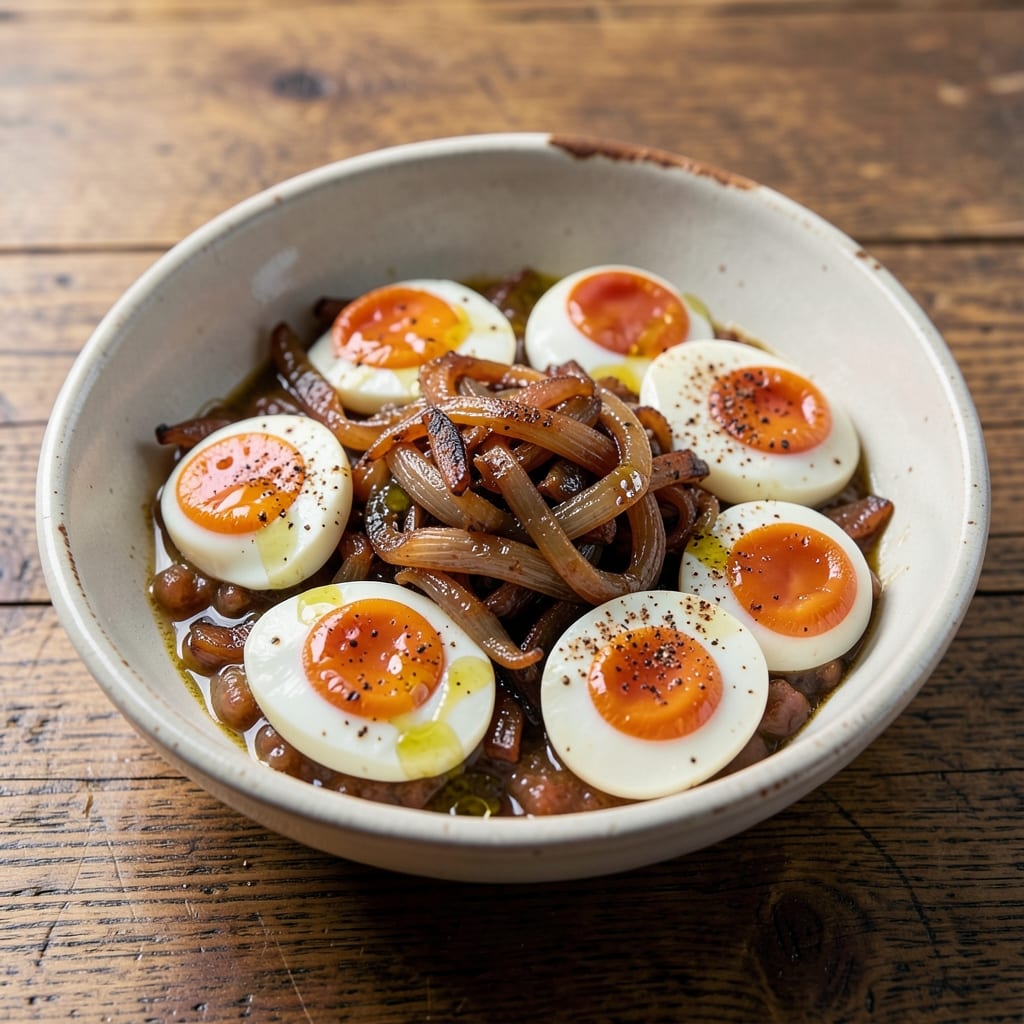
This egg and onion Jewish recipe transforms a simple skillet into a hearty, one-pot meal that tastes like home—rich, comforting, and packed with the flavors of tradition. The secret lies in slow-cooked onions caramelizing into a sweet, savory base that cradles poached eggs, creating a dish that’s both rustic and refined. I first made this for a Shabbat morning when I wanted something warm, satisfying, and easy to share—no fuss, just deep flavor. What sets this recipe apart is the balance: tender onions simmered until they’re sweet and jammy, paired with eggs poached directly in the skillet for maximum richness. A touch of smoked paprika and cumin nods to Jewish culinary roots, while a sprinkle of fresh parsley brightens the dish at the end. The result? A meal that’s foolproof, comforting, and ready in under 30 minutes—perfect for weekdays or special occasions alike. The beauty of this dish is its versatility. Serve it with crusty bread to soak up every last bit of the onion-egg mixture, or pair it with a crisp green salad for balance. It’s the kind of meal that feels like a hug—warm, familiar, and impossible to resist. Whether you’re cooking for a family gathering or a quiet morning at home, this recipe delivers restaurant-quality comfort without the effort. For an extra touch of tradition, serve it with a glass of grape juice or a bold red wine. The flavors only deepen as it sits, so leftovers taste even better the next day. Let’s get cooking—this dish is a game-changer for any breakfast or brunch table.
Ingredients for egg and onion jewish
Sweet caramelized onions, rich eggs, and fragrant spices create this comforting Jewish-style one-pot dish.
| Ingredient | Amount | Notes |
|---|---|---|
| Yellow Onions 🧅 | 3 large | Sliced into half-moons |
| Large Eggs 🥚 | 4 whole | Room temperature for poaching |
| Extra-Virgin Olive Oil 🫒 | ½ cup | High quality, fruity |
| Smoked Paprika 🌶️ | 1 tsp | For authentic Jewish flavor |
| Ground Cumin 🌿 | ½ tsp | Toasted for deeper flavor |
| Salt 🧂 | 1 tsp | Diamond Crystal preferred |
| Black Pepper 🌶️ | ½ tsp | Freshly ground preferred |
| Fresh Parsley 🌿 | ¼ cup | Chopped for garnish |
| Garlic Cloves 🧄 | 2 cloves | Minced for depth |
| Vegetable Broth 💧 | 1 cup | Low-sodium preferred |
| Crusty Bread 🍞 | 1 loaf | For serving, optional |
| Red Wine Vinegar 🍷 | 1 tbsp | Balances sweetness |
The onions are the heart of this dish. Yellow onions caramelize beautifully, developing that sweet, jammy texture that makes everything taste like home. Whole, unpeeled onions from the grocery store's bulk bin stay fresher longer—just slice them yourself for the best texture. For extra depth, roast the onions first at 375°F for 20 minutes before cooking, but it's not required. The garlic? Fresh is non-negotiable here—jarred garlic has none of that bright, fresh flavor. Look for plump cloves with no green shoots when shopping.
No smoked paprika? Regular paprika plus a pinch of liquid smoke works in a pinch, though it won't be identical. Running short on cumin? Ground coriander at the same amount gives a similar earthy note. The vegetable broth can be swapped for water, but add an extra pinch of salt to compensate. For a richer base, deglaze the pan with red wine after cooking the onions instead of vinegar. And if you're serving this for a crowd, double the onions and eggs—it scales beautifully. The parsley is purely for freshness, so don't stress if you're out.
This dish tastes even better the next day—leftovers keep for 3 days in the fridge, with flavors deepening overnight. For make-ahead prep, caramelize the onions and store them in the fridge for up to 3 days, then finish cooking when ready. The bread? Toast it lightly to prevent sogginess when serving. Freezing isn't recommended for the egg-onion mixture, but you can freeze the caramelized onions alone for up to 3 months—just reheat gently before adding eggs.
Why You'll Love This Recipe
- One-Pot Magic: I swear by this recipe when I’m too tired to wash dishes—just one skillet, a knife, and 15 minutes later, you’ve got dinner. The onions caramelize right alongside the eggs, so you’re not left with a pile of dirty pans or a sink full of clutter.
- Smoky Depth in Minutes: That smoked paprika and cumin? It’s the secret weapon here. The onions soak up the warmth like a sponge, giving every bite a cozy, almost charred edge that pairs perfectly with the runny yolk. Honestly, I reach for this when I just want something that tastes like it took longer to make.
- Breakfast or Dinner Fix: Serve it sunny-side-up for a lazy weekend brunch, or pile it onto crusty bread with a sprinkle of salt for a hearty weeknight supper. My kids even ask for it on school nights—(yes, even on a Tuesday night)—because it’s simple enough to make but feels special.
- Pantry Staple Power: You’re using things you already have: onions, eggs, olive oil, and spices that last forever. I made a double batch last week, and the leftovers kept me going for three lunches—no fancy prep, just reheat and enjoy. Budget-friendly? Absolutely. Reliable? Even more so.
Step-by-step instructions for savory shakshuka-style egg and onion dish
This one-pot method delivers rich, savory flavors with minimal effort.
Sauté the Onions Until Caramelized
Heat the 0.5 cup extra-virgin olive oil in a large, deep skillet over medium heat. Add the 3 large yellow onions, sliced into half-moons, and cook for 10-12 minutes until they soften and begin to caramelize at the edges. Stir occasionally to prevent burning, but don't rush this step—caramelized onions form the flavor base.
When the onions are golden and sweet-smelling, add the 2 cloves minced garlic and cook for an additional 1 minute until fragrant. This small step releases the garlic's full flavor without letting it turn bitter. Remove the skillet from heat briefly to let the garlic cool slightly before proceeding.
Build the Spiced Tomato Base
Return the skillet to medium heat and stir in the 1 tsp smoked paprika, 0.5 tsp ground cumin, 1 tsp salt, and 0.5 tsp black pepper. Cook for 30 seconds to toast the spices and deepen their flavors. Then pour in the 1 cup vegetable broth and 1 tbsp red wine vinegar, scraping up any browned bits from the bottom of the pan.
Simmer the mixture for 5-7 minutes until it thickens slightly and reduces by about 25%. The sauce should coat the back of a spoon but still be loose enough to gently poach the eggs. If it thickens too quickly, add 1-2 tablespoons water to maintain the right consistency for the eggs.
Create Wells for the Eggs
Using a spoon, create 4 small wells in the sauce, spaced evenly apart. Crack the 4 whole large eggs gently into each well—room temperature eggs are less likely to break. The sauce should come about halfway up the sides of each egg for perfect poaching.
Cover the skillet with a lid and cook over low heat for 6-8 minutes. You're looking for eggs with set whites and still slightly runny yolks—this creates the classic shakshuka texture. Check at the 6-minute mark to ensure the whites are fully cooked but the yolks remain tender.
Finish and Garnish
Once the eggs are perfectly set, remove the skillet from heat. Sprinkle the 0.25 cup chopped fresh parsley evenly over the top for brightness and color. Let the dish rest for 2-3 minutes before serving to allow the flavors to meld together—this resting period ensures each bite is cohesive and flavorful.
Serve immediately with slices of crusty bread on the side for dipping. The bread soaks up the rich sauce beautifully, creating a satisfying, comforting meal. The balance of caramelized onions, spiced tomato base, and tender eggs makes this dish a hearty yet simple comfort food.
Pro Tips For Making Egg And Onion Jewish
- Caramelize the Onions First: I learned this the hard way—skipping the deep caramelization means your dish will taste like raw onion, no matter how much paprika you add. Cook the onions in olive oil on medium-low heat for 20-25 minutes, stirring occasionally, until they’re dark brown and almost jammy. The longer they cook, the richer the flavor, even if it means you’ll have to wait.
- Crack Eggs Directly Into the Pan: No need to pre-whisk or use a bowl—just crack the eggs right into the hot onion mixture. The residual heat from the onions will gently cook the edges while the centers stay runny, giving you that perfect balance of soft and slightly set. (Yes, it’ll look messy at first, but that’s how you know it’s working.)
- Use Smoked Paprika Late: Sprinkle the smoked paprika over the eggs after they’ve started to set but before they’re fully done. This lets the spices bloom without burning, adding depth without overpowering. If you add it too early, you’ll taste bitter smoke instead of that warm, earthy flavor.
- Toast the Cumin Separately: Warm the ground cumin in a dry pan for 30 seconds until fragrant—it’ll smell like a spice market. Then mix it with the paprika before adding to the eggs. This step makes a real difference, especially if you’re using store-bought cumin that’s lost its punch. (Skip this, and you’ll just get a dull, generic taste.)
Pro cooking tips for egg and onion jewish
Low Heat Poaching
Poaching eggs directly in the skillet is where this dish gets its magic. The key is low heat—never medium or high, or your whites will overcook before the yolks set. I use a 10-inch cast iron skillet because it retains heat evenly, but any deep skillet works. Covering with a lid traps steam, creating a gentle bath that cooks the eggs evenly without scrambling them. 🌡️
For perfect eggs, aim for 6-8 minutes on low heat. The whites should be fully set but still slightly translucent at the edges, while the yolks remain runny. If your eggs cook too fast, reduce the heat further or move the skillet to a cooler part of the stovetop. Overcooked yolks ruin the texture, so keep an eye on them!
Spice Toasting
Toasting the spices is a game-changer for depth of flavor. When you add the smoked paprika and cumin, cook them for 30 seconds until fragrant—you’ll smell the difference. This step removes any raw, bitter notes and enhances their natural flavors. I like to use Penzeys smoked paprika for its authentic, slightly smoky taste, but any good-quality smoked paprika works. 🌶️
If you don’t have smoked paprika, a mix of ½ tsp regular paprika + ¼ tsp liquid smoke mimics the effect, though it won’t be identical. The cumin should toast until it smells earthy and warm—this is your cue to add the broth. Skipping this step means your dish will taste flat and one-dimensional.
Onion Caramelization
The onions are the soul of this dish, so don’t rush them. Cook them over medium heat for 10-12 minutes, stirring occasionally, until they’re deep golden and sweet-smelling. The longer you cook them, the more complex their flavor becomes—think jammy, caramelized perfection. If they start to brown too quickly, reduce the heat slightly. 🧅
For extra richness, I sometimes add a splash of water or broth halfway through cooking to prevent burning. This keeps the onions moist and encourages even caramelization. If you’re short on time, you can use a food processor to quickly slice the onions into even half-moons, but hand-slicing gives the best texture.
Sauce Consistency
The sauce should be thick enough to coat the back of a spoon but still loose enough to gently poach the eggs. If it thickens too quickly, add 1-2 tablespoons of water or broth to maintain the right consistency. The goal is a sauce that’s cohesive but not gluey, so the eggs can sit comfortably in their wells without sinking or floating awkwardly. ✨
If your sauce is too thin, simmer it uncovered for an extra 2-3 minutes to reduce it slightly. The perfect consistency ensures the eggs cook evenly and the flavors meld beautifully. A good rule of thumb: the sauce should cling to the onions and eggs lightly, like a thin gravy.
Nutrition facts
Frequently asked questions
Can I make this recipe without tomatoes?
The vegetable broth and red wine vinegar create a rich, savory base that mimics tomato sauce's depth. For extra umami, add 1 tablespoon soy sauce or ½ teaspoon miso paste when building the spiced base. This keeps the dish vegetarian while maintaining that comforting, hearty texture.
How can I adapt this for Passover?
For a Passover-friendly version, replace the vegetable broth with 1 cup water + 1 tbsp Passover-certified tomato paste (if using tomatoes) and ensure all spices are certified kosher for Passover. Skip the red wine vinegar and use grape juice instead for acidity. Check labels carefully—many smoked paprika brands contain non-Passover ingredients.
Why do my eggs turn out rubbery?
Rubbery eggs usually mean overcooking. Keep the heat at low during poaching and check at 6 minutes—whites should be set but yolks still runny. If using a nonstick skillet, reduce heat even further. For extra insurance, preheat your skillet for 2 minutes before adding onions to ensure even cooking.
What's the best way to reheat leftovers?
Gently reheat in a skillet over low heat with 1-2 tablespoons water or broth to prevent drying. Cover for 3-4 minutes, stirring occasionally. The sauce will thicken again—add more liquid if needed. Microwaving works too, but the texture suffers. Leftovers taste even better the next day as flavors meld!
Can I add other vegetables?
Bell peppers, zucchini, or spinach work beautifully. Sauté them with the onions or add them after the sauce forms. For heartier versions, try ½ cup diced potatoes (simmer 10 minutes longer) or ½ cup chickpeas for protein. Just adjust cooking times—veggies should be tender but still hold shape.