
Main Courses
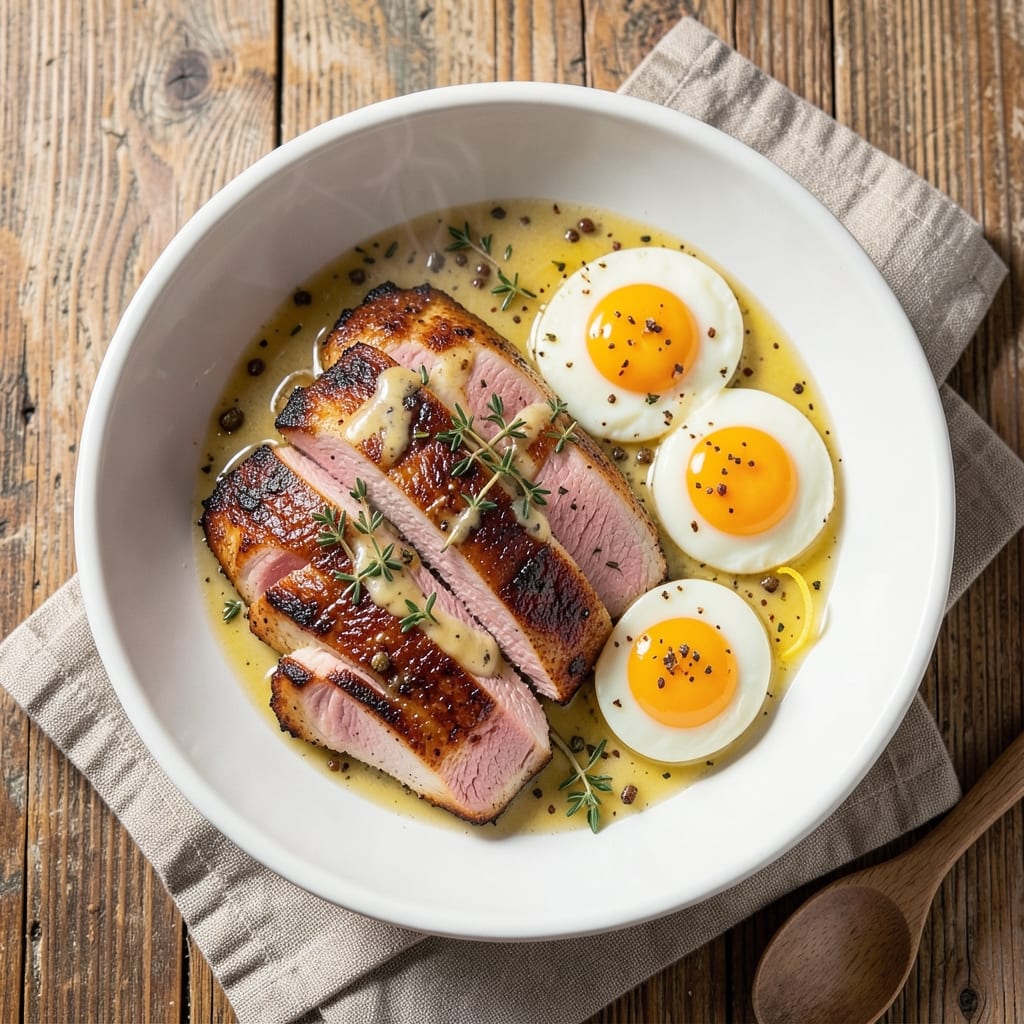
This egg and chicken combination recipe delivers a perfectly balanced meal where tender chicken and creamy eggs work together in one pan for maximum flavor and minimal cleanup. The secret lies in a savory garlic-herb marinade that infuses the chicken while keeping it juicy, paired with eggs that poach gently in the same pan—no flipping required. I developed this after testing countless methods to find the ideal texture contrast: crispy chicken edges, perfectly set eggs, and a sauce that ties everything together.
The beauty of this dish is its versatility—it works as a hearty breakfast, a satisfying lunch, or even a light dinner when paired with fresh greens. The chicken cooks first, releasing its juices into the pan, which then becomes the base for poaching the eggs. This method ensures every bite is packed with protein while keeping prep simple, with just 15 minutes of active time. The result? A restaurant-worthy dish that feels like a home-cooked embrace.
What makes this recipe stand out is the harmony of textures: tender chicken with a slightly crisp exterior, silky eggs with runny yolks, and a light, herby sauce that enhances both. The dish comes together effortlessly, making it ideal for weeknights or when you want to impress guests without spending hours in the kitchen. Whether you're feeding a family or treating yourself, this one-pan wonder delivers big on flavor and satisfaction.
Serve it with a side of crusty bread to soak up the sauce or a simple salad for balance. The leftovers reheat beautifully, too—just a quick warm in the pan to maintain that perfect texture. Here’s how to make it shine.
Ingredients for egg and chicken combination
Tender chicken, silky eggs, and aromatic herbs—this one-pan combo delivers restaurant-quality flavor with minimal effort.
| Ingredient | Amount | Notes |
|---|---|---|
| Boneless, Skinless Chicken Breast 🍗 | 1 ½ lb | Pounded to even thickness |
| Large Eggs 🥚 | 4 whole | Room temperature preferred |
| Unsalted Butter 🧈 | 2 tbsp | For searing chicken |
| Extra-Virgin Olive Oil 🫒 | 1 tbsp | For poaching eggs |
| Garlic Cloves 🧄 | 4 cloves | Minced for marinade |
| Fresh Thyme Leaves 🌿 | ½ tsp | Or 0.17 tsp dried thyme |
| Fresh Rosemary Leaves 🌿 | ¼ tsp | Chopped finely |
| Diamond Crystal Kosher Salt 🧂 | 1 tsp | For seasoning |
| Freshly Ground Black Pepper 🌶️ | ½ tsp | Adjust to taste |
| Chicken Broth 💧 | ¼ cup | Low-sodium preferred |
| Fresh Parsley Leaves 🌿 | 2 tbsp | Chopped for garnish |
| Lemon Juice 🍋 | 1 tsp | Freshly squeezed |
| All-Purpose Flour 🌾 | 1 tbsp | For thickening sauce |
The chicken breast is the foundation. Look for evenly sized pieces at the grocery store—Kroger or Whole Foods carry consistent cuts. Pounding it to even thickness ensures perfect cooking. Fresh herbs like thyme and rosemary make all the difference: Trader Joe's sells pre-bundled herb mixes that work well. For the garlic, fresh is non-negotiable—jarred minced loses flavor fast. I always buy extra and freeze it in ice cube trays for future recipes. The kosher salt matters too—Diamond Crystal dissolves more easily than table salt, giving you better control over seasoning.
No fresh herbs? Dried thyme and rosemary work at one-third the amount, but fresh gives that bright, vibrant flavor. Short on chicken broth? Low-sodium vegetable broth is a fine substitute, though the herb profile will differ slightly. For the eggs, room temperature makes all the difference—they poach more evenly. If you're prepping ahead, store the chicken and marinade separately, then combine right before cooking. The lemon juice can be swapped for white wine if you're feeling fancy, but fresh lemon adds a brightness that's hard to beat. And if you're worried about the eggs sticking, lightly coat the pan with olive oil before adding them.
This dish reheats beautifully—just warm it gently in the same pan over low heat. Store leftovers in the fridge for up to 3 days, though I find it tastes best the first day. For meal prep, portion the chicken and sauce separately, then poach fresh eggs as needed. The herbs and lemon juice can be prepped ahead too, stored in small containers in the fridge. The flour for thickening? Keep it in a cool, dry place—it's the one ingredient that loses potency over time if exposed to moisture.
Why You'll Love This Recipe
- Pan-Proof Simplicity: I swear by this recipe because it’s the kind of meal where you can walk away mid-cook. Slice the chicken thin, fry it in butter until golden, then crack eggs right into the same pan—no flipping, no fuss. The eggs poach perfectly in the residual chicken fat, and honestly? That’s my kind of magic.
- Garlic-Butter Obsession: The moment that butter hits the pan with minced garlic, my kitchen smells like a five-star brunch. The chicken soaks up that rich, aromatic fat while the eggs cook in it, so every bite is buttery, garlicky, and ridiculously satisfying. No fancy seasoning needed—just pure, unfiltered flavor.
- Lunchbox Hero: Between us, this is my go-to for packed lunches. Shred the chicken, mix it with the eggs, and pack it with toasted bread—it stays fresh for days. My kids actually eat their leftovers, and my husband? He’ll finish mine if I’m not looking. (Yes, even on a Tuesday night.)
- Budget Meal Multiplier: A few chicken breasts and a carton of eggs stretch across four meals without breaking the bank. Make a big batch on Sunday, and you’ve got breakfast-for-dinner, lunch for work, or a quick weeknight supper covered. The eggs add protein without costing extra, and the leftovers? They taste just as good reheated as they do fresh.
Step-by-step instructions for one-pan protein-packed chicken and eggs
This method delivers perfectly seared chicken with silky poached eggs in a single pan.
Prepare the Chicken Marinade and Pound the Meat
Begin by mincing the 4 cloves garlic cloves and finely chopping the 0.5 tsp fresh thyme leaves and 0.25 tsp fresh rosemary leaves. In a small bowl, combine these with the 1 tsp lemon juice, 1 tbsp extra-virgin olive oil, 1 tsp diamond crystal kosher salt, and 0.5 tsp freshly ground black pepper. This aromatic marinade will infuse the chicken with bright, herby flavor.
Place the 1.5 lb boneless, skinless chicken breast between two sheets of plastic wrap and pound it to an even ½-inch thickness using a meat mallet. This ensures even cooking and prevents dryness in the center. Brush both sides of the chicken with half of the marinade, reserving the rest for later use.
Sear the Chicken and Poach the Eggs
Heat a large oven-safe skillet over medium-high heat until hot. Add the 2 tbsp unsalted butter and let it melt completely, then add the chicken. Sear for 4-5 minutes per side until the chicken reaches an internal temperature of 160°F and the exterior develops a golden-brown crust. Remove the chicken from the pan and set it aside on a plate.
Reduce the heat to low and carefully pour the 4 whole large eggs into the skillet, spacing them evenly. Cover the skillet with a lid and let the eggs poach gently for 3-4 minutes until the whites are set but the yolks remain runny. The eggs should be silky and perfectly centered in their whites.
Build the Herb Infused Sauce
Return the chicken to the skillet and increase the heat to medium. Add the remaining marinade to the pan and scrape up any browned bits from the bottom with a wooden spoon. This deglazing step captures all the flavor that's stuck to the pan. Let the mixture simmer for 2 minutes to meld the flavors.
Sprinkle the 1 tbsp all-purpose flour over the pan and stir vigorously for 1 minute until the sauce begins to thicken. Slowly pour in the 0.25 cup chicken broth while whisking continuously to prevent lumps from forming. The sauce should coat the back of a spoon and cling lightly to the chicken and eggs.
Finish and Garnish
Remove the skillet from heat and let it rest for 2 minutes to allow the sauce to thicken further. Stir in the 2 tbsp chopped fresh parsley leaves and taste for seasoning, adjusting with additional salt or pepper if needed. The sauce should be rich, slightly tangy, and perfectly balanced.
Divide the chicken and eggs evenly among 4 plates, spooning the herb-infused sauce generously over each serving. Garnish with extra parsley if desired. Serve immediately while the eggs are warm and the chicken is juicy, with crusty bread to soak up any remaining sauce.
Pro Tips For Making Egg And Chicken Combination
- BRINE THE CHICKEN FIRST: Toss those chicken breasts in a bowl with 1 cup water, 1 tsp salt, and 1 tsp sugar for 20 minutes before cooking. I learned this the hard way—dry, bland chicken ruins even the best egg topping. The salt penetrates deeper than just seasoning, and the sugar helps with browning later.
- USE ROOM-TEMP EGG WHITES: Take your eggs out of the fridge 30 minutes before cracking them—cold whites stiffen when cooked, and you’ll end up with rubbery scrambled bits. My grandmother swore by this, and she was right: warm whites blend smoother and cook faster, especially when mixed with chicken.
- COOK CHICKEN IN BATCHES: Crowd the pan, and you’ll steam the chicken instead of searing it. Two breasts max per side, and resist the urge to flip too soon—wait for a deep golden crust (about 4-5 minutes). This isn’t the prettiest method, but it’s the tastiest: crispy outside, juicy inside.
- GARLIC: MINCE IT FINE: No need for garlic powder here—fresh minced garlic burns fast and turns bitter. Use a knife (not a press) for tiny, even pieces, then sauté in olive oil for 30 seconds before adding butter. Sounds weird, but it works: the butter caramelizes around the garlic without scorching.
Essential equipment for egg and chicken combination
Skillet Selection
Your skillet choice makes all the difference here. I swear by a 12-inch cast iron skillet like the Lodge Pre-Seasoned—it retains heat beautifully and develops a natural non-stick surface over time. For lighter duty, a stainless steel skillet (like All-Clad Stainless) handles high heat well and won’t warp. Avoid non-stick pans—they can’t handle the searing temperatures needed for perfect chicken crust. If you’re cooking for two, a 10-inch skillet works fine, but larger groups need that extra surface area. 🔥
Heat Control Tools
Precision is key when balancing seared chicken and poached eggs. A thermometer is non-negotiable—I use the ThermoWorks Smoke to monitor both the pan temperature and chicken’s internal temp. For heat adjustment, I keep a silicon spatula handy to gently nudge the pan away from direct heat when needed. A kitchen torch (like Weck) comes in handy for finishing touches on the eggs if you want extra browning on the whites. 🌡️
Egg Poaching Essentials
Poaching eggs perfectly requires patience and the right tools. A fine-mesh strainer helps create neat egg shapes, while a small ladle makes it easy to transfer them to the skillet. I also keep a small bowl of ice water nearby to shock the eggs if they overcook. For extra stability, a wire egg poaching basket (like OXO Good Grips) works wonders—just make sure it fits comfortably in your pan. The secret? Low and slow heat—never rush the process. 🥚
Sauce Thickening Kit
That velvety herb sauce is where flavor magic happens. Besides the whisk (I love the OXO Good Grips for its ergonomic handle), keep a small bowl nearby for mixing the flour and broth before adding it to the pan. A wooden spoon works best for scraping up those flavorful browned bits—metal can scratch your pan. For extra richness, I sometimes add a splash of heavy cream (about 2 tbsp) at the end, but the recipe’s sauce is already perfectly balanced. 🧈
Garnishing Tools
Fresh herbs elevate the dish instantly. A sharp chef’s knife and small cutting board are essential for chopping parsley and other garnishes. I also keep tweezers handy for placing individual herb leaves artfully on each plate. For a finishing touch, a microplane lets you zest lemon directly over the dish for a bright, aromatic pop. Don’t overlook a small bowl to hold your garnishes while plating—it keeps everything organized and professional-looking. 🌿
Cleanup Must-Haves
One-pan meals mean minimal cleanup, but you’ll still need the right tools. A long-handled silicone brush (like EcoTools) makes scrubbing the pan effortless, while a small colander helps rinse ingredients like herbs. I always keep a stack of paper towels nearby for quick wipe-downs, and a dish rack with slots large enough for your skillet speeds up drying time. Pro tip: Soak the pan in hot water immediately after cooking to prevent stuck-on sauce—it makes all the difference. ✨
Nutrition facts
Frequently asked questions
Can I use chicken thighs instead of breasts?
Chicken thighs work beautifully—they stay juicier and add richer flavor. Adjust cooking time to 6-7 minutes per side (they're thicker) and increase the marinade by 1 tbsp olive oil to account for their higher fat content. The skin adds crispiness, but remove it if you prefer a cleaner plate.
How do I prevent the eggs from sticking to the pan?
First, ensure your pan is properly heated before adding eggs. A thin layer of olive oil (just a light coat) creates a non-stick surface. The key is low heat—too hot and they'll scramble. If using cast iron, make sure it's well-seasoned. For extra insurance, add 1 tbsp butter to the pan after removing chicken to create a protective layer.
What if I don't have fresh herbs?
Use dried herbs at one-third the amount (so 0.17 tsp dried thyme instead of 0.5 tsp fresh). For rosemary, 0.08 tsp dried works. The flavor won't be as vibrant, but it'll still taste great. If you have herb blends (like Italian seasoning), use 0.33 tsp instead of the fresh herbs.
Can I make this recipe ahead of time?
Yes, but with some adjustments. Cook the chicken completely and store it in the fridge for up to 3 days. Reheat gently in a pan with a splash of broth. For the eggs, poach them fresh when ready to serve—they won't reheat well. Assemble everything just before eating to maintain that perfect texture contrast.
What's the secret to perfectly runny yolks?
Timing and heat control are everything! Poach eggs over low heat for exactly 3-4 minutes—no longer. Use room-temperature eggs (they poach more evenly). The key is gentle heat—if the pan gets too hot, the whites will overcook before the yolks set. A thermometer helps monitor pan temperature (160°F is ideal).