
Breakfast & Brunch
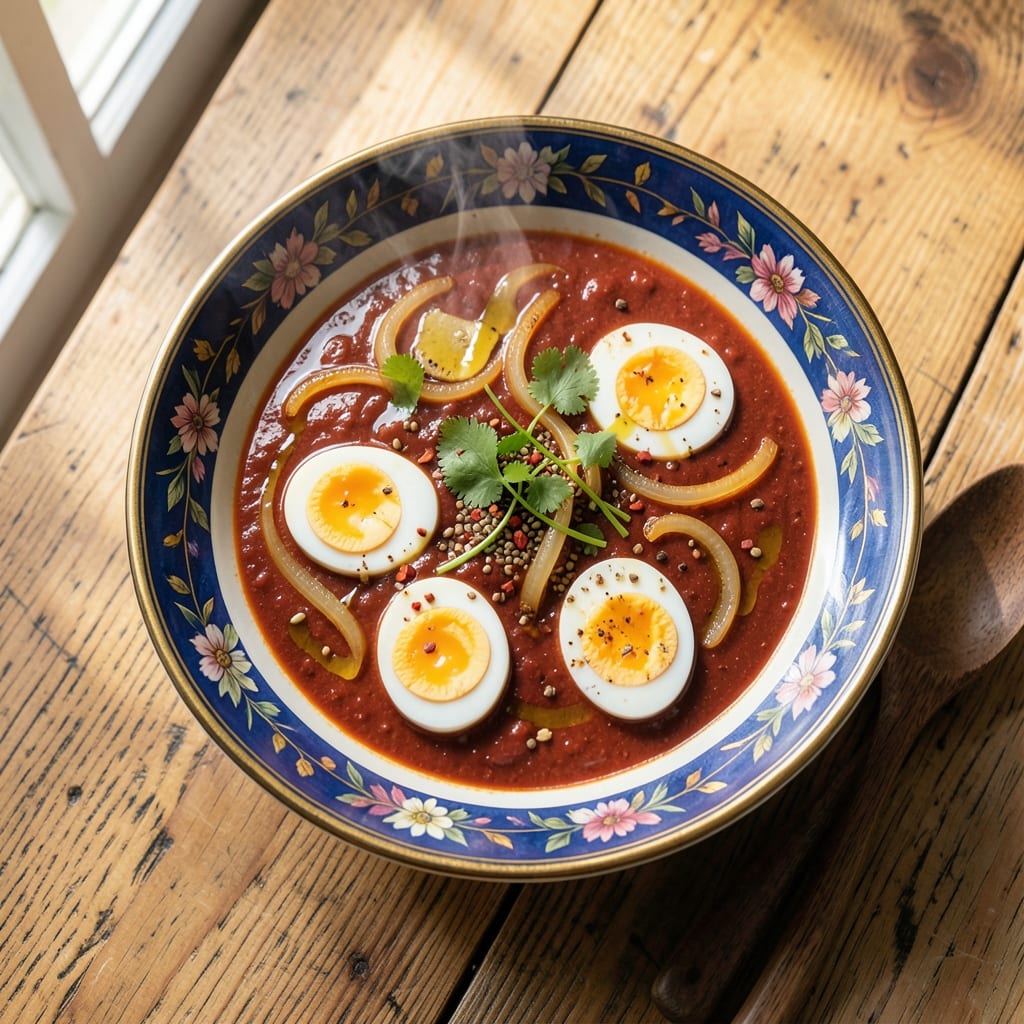
This East Indian egg curry delivers a symphony of warm spices, tender eggs, and velvety coconut milk that defines home-style Indian cooking. 💛 The secret lies in the tempering—whole spices like mustard seeds and cumin toasted in hot oil until they release their aromatic magic. I've perfected this recipe over years of testing, balancing the earthy heat of turmeric with the creamy richness of coconut milk for a dish that's both comforting and deeply flavorful.
The process begins with gently simmering onions and ginger until they melt into the sauce, then adding spices that bloom into complex layers of flavor. Eggs are cooked just enough to stay tender while absorbing the aromatic broth. What makes this curry special is how the spices—cumin, coriander, and garam masala—work together to create a harmonious balance that's neither too spicy nor too mild, making it perfect for breakfast or a light lunch.
By the end, you'll have a dish with vibrant golden color, tender eggs floating in a fragrant, slightly thickened sauce that clings to every bite. The coconut milk adds a subtle sweetness that rounds out the earthy spices, while the tempered mustard seeds add a satisfying crunch. This is the kind of curry that tastes even better the next day as the flavors meld together.
Serve it with steamed basmati rice or warm roti to soak up every last drop of that spiced coconut sauce. The combination of textures and flavors makes this more than just a dish—it's an experience that brings a taste of East India to your table. Let's get cooking!
Ingredients for east indian egg curry
Spices, coconut milk, and eggs—this curry brings East Indian warmth to your table.
| Ingredient | Amount | Notes |
|---|---|---|
| Large Eggs 🥚 | 6 whole | Freshly laid preferred |
| Yellow Onions 🧅 | 1 whole | Medium size, finely chopped |
| Fresh Ginger 🌿 | 1 ½ tbsp | Minced, peeled root |
| Vegetable Oil 🫒 | ½ cup | Light or canola preferred |
| Coconut Milk 🥥 | 1 can | Full-fat, 13.5 oz can |
| Medium Tomatoes 🍅 | 2 whole | Ripe, diced or crushed |
| Mustard Seeds 🌶️ | 1 tsp | Whole seeds, yellow preferred |
| Ground Cumin 🌿 | 1 tsp | Freshly toasted preferred |
| Ground Coriander 🌿 | 1 tsp | Freshly ground preferred |
| Turmeric Powder 🌶️ | ½ tsp | Fresh root preferred |
| Garam Masala 🌶️ | 1 tsp | Store-bought or homemade blend |
| Green Chilies 🌶️ | 2 whole | Fresh, slit lengthwise |
| Fresh Fenugreek Leaves 🌿 | ¼ cup | Kasuri methi, optional |
| Salt 🧂 | 1 tsp | Adjust to taste |
| Fresh Cilantro 🌿 | ¼ cup | Chopped, for garnish |
The coconut milk is the heart of this dish—full-fat canned gives you that rich, velvety texture. Thai Kitchen or Aroy-D brands are my go-tos, but any full-fat works. Fresh ginger and onions are non-negotiable here; Indian grocery stores often have the freshest ginger with vibrant color. Mustard seeds? Toast them in hot oil first—they release that signature aroma that makes this curry sing. I grab mine from Whole Foods bulk bins, but regular grocery stores carry them too. Skip the pre-ground spices if possible—they lose potency fast.
No fresh fenugreek leaves? Dried kasuri methi works at half the amount. Short on green chilies? Red chili powder at one-quarter teaspoon adds heat without color. The tomatoes can be canned (drained) if fresh aren't available—Muir Glen diced tomatoes are my backup. For the eggs, farm-fresh if you can get them—they hold up better to the gentle simmer. The garam masala blend is crucial; Madhur or M.P. Birla are reliable brands if you're buying pre-made. Want to make your own? Toast cumin, coriander, cardamom, cinnamon, and cloves together for a custom blend.
This curry tastes even better the next day as flavors meld. Store leftovers in the fridge for 4-5 days—the sauce thickens nicely. Freeze portions for up to 3 months by pouring into ice cube trays first, then transferring to a bag. The eggs will stay tender if you reheat gently on low heat. Garnish with fresh cilantro right before serving—it brightens everything up. Make a double batch; steamed basmati rice soaks up every last bit of that spiced coconut goodness.
Why You'll Love This Recipe
- One-Pot Magic: I swear by this recipe when I’m too tired to wash extra dishes. The onions caramelize in the same pot where the eggs poach—no straining, no fuss—just rich, golden curry that tastes like it simmered for hours.
- Ginger-Garlic Punch: That fresh ginger and coconut milk combo? Chef’s kiss. The ginger’s sharp bite cuts through the eggs’ creaminess while the coconut adds this silky depth—like a hug in a bowl, but way more flavorful.
- Lunchbox Hero: Between us, this is my go-to for meal prep. The curry reheats beautifully, and I pack it with steamed rice or naan for a hearty lunch that still feels special. (Yes, even on a Tuesday night.)
- Budget-Friendly Luxury: Eggs are cheap, onions last forever, and coconut milk stretches far. I make this for four people for under $10, and somehow it always feels like a restaurant-worthy dish—without the price tag.
Step-by-step instructions for East Indian egg curry
Here's how to create a rich, aromatic curry with tender eggs and velvety coconut harmony.
🍳 Step 1: Bloom the Spices in Oil
Heat the 0.5 cup vegetable oil in a heavy-bottomed pan over medium heat until shimmering but not smoking. Add the 1 tsp mustard seeds and let them sizzle for 30 seconds until they pop like tiny fireworks—this is your signal they're ready. Add the 2 slit green chilies and cook for 1 minute until fragrant.
Next, add the 1.5 tbsp minced fresh ginger and sauté for 1-2 minutes until the raw aroma disappears and the ginger turns translucent. This step builds the aromatic foundation—don't rush it or you'll miss that essential depth of flavor. The spices should be dancing in the oil, filling your kitchen with warm, inviting aromas.
🍳 Step 2: Add Aromatics and Tomatoes
Push the spices to one side of the pan and add the 1 whole finely chopped yellow onion. Cook for 4-5 minutes until golden brown, stirring occasionally. Here's the thing—you want the onions to caramelize slightly for maximum sweetness and depth.
Add the 2 diced medium tomatoes and cook for 5 minutes until they soften and release their juices. Stir in the 0.5 tsp turmeric powder, 1 tsp ground cumin, and 1 tsp ground coriander. Cook for another 3 minutes until the oil starts to separate from the tomato mixture—this indicates the spices have fully bloomed and the base is ready for the eggs.
🥘 Step 3: Cook the Eggs to Perfect Tender-Crisp
Gently crack the 6 whole large eggs into a bowl, add the 1 tsp salt, and whisk lightly—just enough to combine the yolks and whites without making them frothy. Pour the eggs carefully over the tomato-spice mixture in the pan.
Cook on low heat for 6-7 minutes, stirring gently with a spatula every 2 minutes to prevent sticking. You're aiming for eggs that are tender inside with slightly set edges—like soft scrambled eggs but with more body. The curry should look like a rich, golden custard rather than broken egg pieces. If it starts to stick, add 2-3 tablespoons of water to loosen it.
🥘 Step 4: Build the Coconut Cream Sauce
Pour in the 1 can full-fat coconut milk and stir gently to combine with the egg mixture. Add the 0.25 cup fresh fenugreek leaves (if using) and 1 tsp garam masala. Bring to a gentle simmer over medium-low heat and let it cook for 8-10 minutes until the sauce thickens slightly and coats the back of a spoon.
Here's where the magic happens: the coconut milk will create a velvety texture while the spices meld together. Taste and adjust the salt if needed—sometimes the eggs need a little more seasoning to balance the coconut richness. The curry should be creamy but not watery, with visible egg pieces suspended in the sauce.
🍽️ Step 5: Finish and Garnish
Remove from heat and let the curry rest for 5 minutes—this allows the flavors to settle and the sauce to thicken further. Stir in the 0.25 cup chopped fresh cilantro just before serving. The cilantro adds a bright, fresh contrast to the rich coconut and spiced eggs.
Serve immediately with steamed basmati rice or warm roti. The curry should be aromatic, with layers of spice, coconut creaminess, and tender eggs. Each bite should deliver a perfect balance of heat from the green chilies, earthiness from the spices, and the subtle sweetness of the tomatoes. Trust me, this is the kind of dish that tastes even better the second time around!
Pro Tips For Making East Indian Egg Curry
- CRACK EGGS IN HOT OIL: I learned this the hard way—drop whole eggs into cold oil, and you’ll end up with rubbery curds instead of silky, jammy yolks. Once the oil is smoking hot (test with a tiny onion piece—it should sizzle immediately), crack the eggs directly into the pan. The shock of heat keeps the whites intact while the yolks stay rich and runny. (Yes, even if you’re impatient like me.)
- GRILL ONIONS UNTIL BLACK: That charred, bitter edge isn’t a mistake—it’s the soul of the dish. After sautéing onions until golden, crank the heat to medium-high and let them darken to almost black in spots. This deepens the flavor base way more than stopping at golden brown. Just keep stirring so they don’t burn completely. (Your future self will thank you.)
- GRATE GINGER FINE, THEN REST: I used to toss freshly grated ginger straight into the pan, and it’d clump or burn. Instead, grate it super fine (almost like a paste), then let it sit for 10 minutes before cooking. This releases the oils and prevents it from sticking like glue. (Sounds weird, but it works.)
- ADD COCONUT MILK LAST: Dump it in too early, and the curry turns into a watery mess. Wait until the onions are blackened and spices are toasted—then stir in the coconut milk just before simmering. This keeps the sauce thick and velvety, not thin and sad. (No, you can’t rush this step.)
Wine and beer pairings for east indian egg curry
Creamy Coconut Harmony
The rich, velvety texture of this curry pairs beautifully with sweet, floral white wines that complement the coconut milk's creaminess. I love Chenin Blanc from India's Karnataka region—its honeyed notes and subtle acidity cut through the spice while enhancing the coconut's natural sweetness. A Viognier from California also works wonderfully, with its stone fruit undertones balancing the earthy spices. 🍷
Spiced Beer Pairings
For beer lovers, a lightly spiced lager like König Pilsner from Germany provides a crisp, clean palate cleanser that resets your taste buds between bites. The subtle malt sweetness echoes the coconut while the hop bitterness tempers the heat. If you prefer something bolder, try a Belgian-style witbier like Stella Artois Wit—its coriander and orange peel notes mirror the curry's aromatic spices. 🍺
Regional Wine Match
In East India, this curry would traditionally be paired with local country wines like Goan Fenny (a cashew-infused spirit) or Kashmiri Muscat—both offer floral and nutty profiles that harmonize perfectly. For a modern twist, try an Indian Gewürztraminer from Nashik—its lychee and rose aromas create a stunning contrast with the coconut and mustard seeds. The wine's slight sweetness also complements the dish's natural richness.
Non-Alcoholic Options
For a refreshing non-alcoholic match, serve with sparkling lime soda—the effervescence cleanses your palate while the citrus brightens the dish's earthy flavors. I also recommend coconut water (straight from the can) to enhance the curry's tropical notes. For something more substantial, try masala chai—the warm spices in the tea echo the curry's aromatic profile while adding a comforting warmth. 💛
Flavor-Enhancing Garnishes
Before serving, garnish with lemon wedges—their acidity balances the coconut's richness and adds a zesty contrast. A sprinkle of toasted coconut flakes on top intensifies the coconut flavor, while crispy fried shallots add texture and a subtle onion sweetness. These garnishes not only enhance the pairing but also make the dish visually stunning.
Regional Adaptations
In Bengal, this curry would traditionally be paired with local rice wine (rice beer) like Handia—its light, slightly sweet profile complements the dish's delicate flavors. In Odisha, try tender coconut water served chilled, which enhances the coconut milk's natural sweetness. For a modern twist, pair with sparkling rosé**—its berry notes provide a delightful contrast to the earthy spices. 🌟
Nutrition facts
Frequently asked questions
Can I make this egg curry with store-bought garam masala?
Yes! Store-bought garam masala works perfectly—just choose a high-quality blend like Madhur or M.P. Birla for authentic flavor. For extra depth, toast the spices lightly in a dry pan before grinding them yourself (cumin, coriander, cardamom, cinnamon, and cloves). The key is using 1 tsp and adding it at the end to preserve its aromatic oils.
How do I adjust the spice level for kids or sensitive palates?
Reduce the green chilies to 1 whole (or omit entirely) and skip the mustard seeds if their pungency is too strong. For extra mildness, add 1 extra tbsp coconut milk to balance the spices. Always taste the sauce before adding eggs—you can adjust salt or sweetness (try a pinch of sugar) to complement the coconut.
What's the difference between this curry and a Bengali vs. Odia version?
Bengali versions often use mustard oil (for a sharper taste) and more fenugreek leaves, while Odia styles incorporate panch phoron (five-spice blend) and sometimes a touch of jaggery. This recipe blends both traditions—use vegetable oil for versatility, but swap in mustard oil if you prefer a more authentic Bengali profile.
Can I make this curry ahead of time?
The flavors actually improve overnight. Store in an airtight container in the fridge for 4-5 days. Reheat gently on low heat, adding 1-2 tbsp water if the sauce thickens too much. For freezing, portion into ice cube trays first, then transfer to a bag—this preserves the eggs' texture better than freezing the whole dish.
Why did my eggs turn rubbery instead of staying tender?
Overcooking is the most common cause—keep heat at low-medium and stir every 2 minutes. If the pan gets too hot, the eggs will firm up. Another fix: add 1 extra tbsp coconut milk when simmering to keep them moist. For extra insurance, whisk the eggs with 1 tsp cornstarch before adding to the pan.