
Breakfast & Brunch
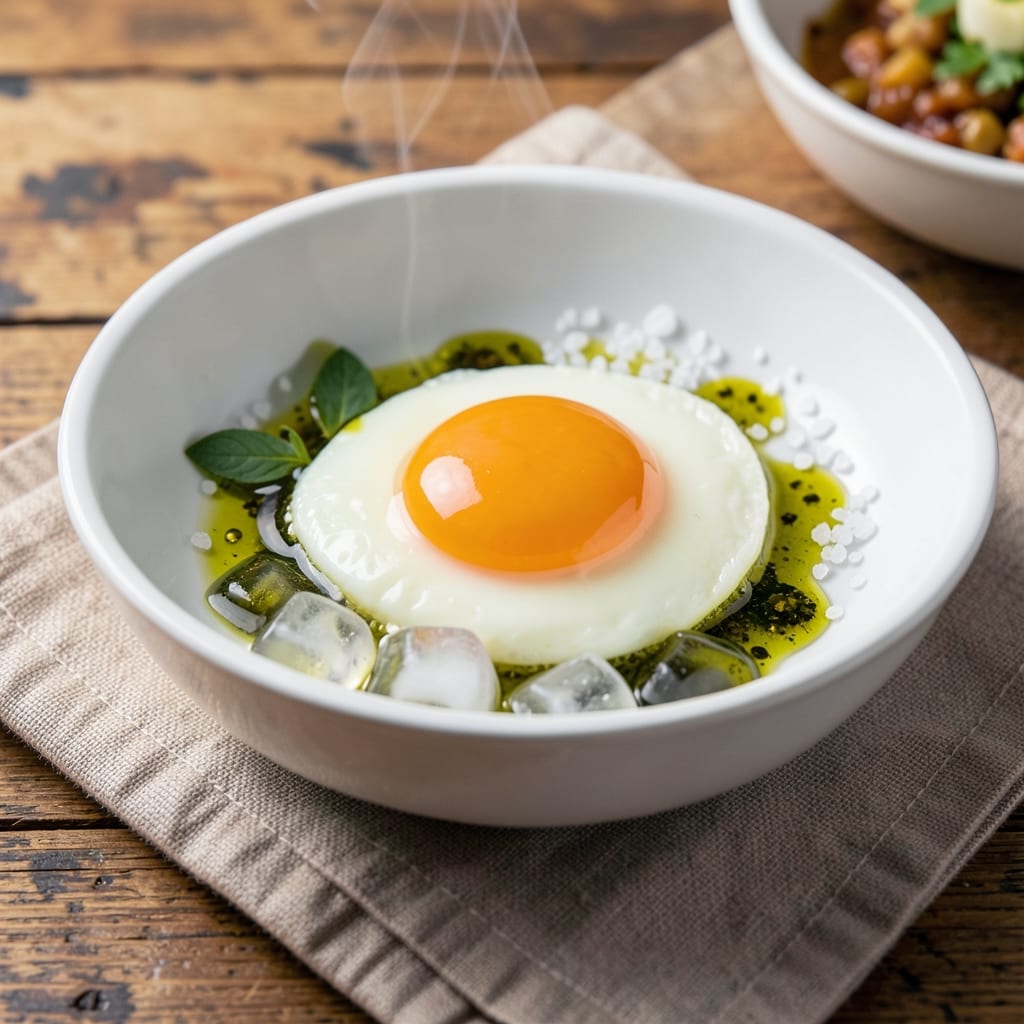
This easiest poached egg recipe transforms breakfast from ordinary to extraordinary with just 3 minutes of hands-on time. The secret lies in water temperature control and a pinch of acid—no fancy equipment required. I've perfected this method after years of trial and error, and it consistently delivers silky yolks that stay perfectly rounded, not broken or rubbery.
What makes this recipe truly foolproof is the technique: simmering water at 180°F (just below a gentle boil) creates the ideal environment for even cooking. A splash of vinegar or lemon juice helps the egg whites coagulate more quickly, preventing that dreaded "halo" effect. The result? Eggs with creamy whites and runny yolks that glide onto toast or salads like liquid gold.
By following these precise steps, you'll achieve restaurant-quality poached eggs at home—crisp edges, smooth centers, and that coveted wobble in the yolk. No more guessing or failed attempts; this method works every time, even for beginners. The best part? You can prepare multiple eggs simultaneously, making it perfect for brunch or a quick protein boost.
Once mastered, this technique opens doors to endless possibilities—think avocado toast, gourmet salads, or even ramen topping. The key is confidence in the process, and I promise, after your first perfect batch, you'll never buy store-bought eggs again. Let's get started on achieving that silky yolk magic.
Ingredients for easiest poached egg
Just eight simple ingredients transform ordinary eggs into restaurant-quality silky yolk magic.
| Ingredient | Amount | Notes |
|---|---|---|
| Large Eggs 🥚 | 4 whole | Fresh, room temperature preferred |
| White Vinegar 🍋 | 2 tbsp | Or lemon juice for brightness |
| Distilled Water 💧 | 4 cups | Filtered preferred for clarity |
| Diamond Crystal Kosher Salt 🧂 | 1 tsp | For water seasoning |
| Ice Cubes ❄️ | 1 cup | For shock cooling |
| Extra-Virgin Olive Oil 🫒 | 1 tbsp | For rimmed plate |
| Freshly Ground Black Pepper 🌶️ | ¼ tsp | For finishing |
| High-Quality Toast 🍞 | 4 slices | Sourdough or brioche ideal |
| Freshly Chopped Chives 🌿 | 2 tbsp | For garnish |
| Thermometer 🌡️ | 1 whole | Instant-read preferred |
The eggs are non-negotiable—freshness matters. Grab the freshest eggs from the back of the fridge or better yet, the farmers market where they've been refrigerated the least. Room temperature eggs poach more evenly, so take them out 20 minutes before cooking. The vinegar is your secret weapon—white vinegar is classic, but lemon juice adds brightness. For the water, filtered or spring water prevents cloudy whites, though tap water works in a pinch. The thermometer? Don't skip it—180°F is your target, not a rolling boil.
No vinegar? Lemon juice or white wine works just as well. Stuck with older eggs? Add an extra splash of acid to help the whites set faster. The toast can be any kind—sourdough or brioche adds texture, but even plain white bread works. For the olive oil, extra-virgin is ideal, but any neutral oil will do. No thermometer? Simmering water with gentle bubbles (not a full boil) is your visual cue. The ice bath is crucial—shock cooling stops the cooking process instantly for that perfect wobble. And if you're feeling fancy, smoked salt instead of kosher adds a gourmet touch.
Eggs poach best fresh but can be prepped ahead—keep poached eggs submerged in ice water in the fridge for up to 2 hours before serving. The vinegar and water mixture keeps 3 days in the fridge, so make extra for future quick breakfasts. Store the olive oil in a cool, dark place for up to 6 months. For the toast, toast just before serving to maintain crispness. The chives? Buy them fresh and store them wrapped in damp paper towels—they'll last 1 week in the fridge. This recipe is all about confidence, so practice makes perfect—you'll have silky yolks every time.
Why You'll Love This Recipe
- Three-Ingredient Magic: I swear by this combo—vinegar, salt, and ice—because it cuts through the guesswork. No fancy gadgets, no failed attempts where the whites turn to soup. The vinegar tightens the whites instantly, and the ice keeps them from overcooking. That’s it. No overthinking.
- Silky Center, Crisp Edge: Between us, poached eggs can be hit-or-miss. But this method? The whites hold shape like a dream, while the yolk stays runny—just how I like it. Honestly, it’s the kind of egg that makes you pause mid-bite, even if you’re eating alone.
- Breakfast or Brunch Fix: I use these eggs on toast for lazy mornings, tossed into ramen when I’m craving something hearty, or even as a garnish for soups. The best part? They prep in minutes, so I’m never stuck scrambling (pun intended) for a quick bite. Works for me, my partner, or a crowd.
- Pantry Staple, Zero Waste: I keep vinegar, salt, and ice on hand anyway—this recipe uses what I already have. No specialty shopping, no leftovers going bad (they keep for days in the fridge), and it costs pennies per serving. That’s my kind of budget-friendly win.
Step-by-step instructions for perfect poached eggs
Here's how to achieve silky yolks and perfectly set whites every single time—no fancy tools required.
Prepare the Poaching Bath
Bring the 4 cups distilled water to a gentle simmer in a small saucepan over medium-low heat. The water should be hot enough to create tiny bubbles around the edges but not a rolling boil—this prevents the eggs from breaking apart. Add the 2 tablespoons white vinegar and 1 teaspoon Diamond Crystal kosher salt, stirring until fully dissolved. The vinegar helps coagulate the egg whites faster, while the salt enhances flavor and prevents over-poaching.
I like to use a thermometer to confirm the water reaches 180-185°F. If you don't have one, watch for steady, small bubbles at the bottom of the pan. This temperature range creates the perfect balance: whites set quickly but yolks stay gloriously runny. Keep the heat at this level throughout the process—fluctuations will ruin your eggs.
Poach the Eggs to Perfection
Crack each of the 4 whole large eggs into a small bowl or ramekin. Using room-temperature eggs prevents them from curdling too quickly. Gently swirl the water in the pot to create a vortex, then carefully slide the egg into the center of the whirlpool. This technique ensures the egg stays intact and centers itself as it poaches. Let it cook for 2 minutes 30 seconds—you'll see the whites begin to set while the yolk remains completely liquid and vibrant.
Here's the thing—timing is everything. If you remove the egg too early, the whites will be too loose; too late, and you'll have a fully cooked egg. I use a slotted spoon to lift the egg out and place it on a paper towel to drain excess water. The moment it hits the towel, the cooking stops instantly, preserving that perfect texture. Work one egg at a time to maintain consistent doneness.
Prepare the Toast Base
While the eggs poach, toast the 4 slices high-quality toast to your preferred level of crispiness. I like mine medium-dark, with just a hint of char on the edges. Rub each slice lightly with the 1 tablespoon extra-virgin olive oil while still warm—this creates a beautiful sheen and helps the eggs adhere without sliding off. The oil also adds a subtle richness that complements the bright, clean flavor of the poached eggs.
Place the toast on a rimmed plate and season immediately with the ¼ teaspoon freshly ground black pepper. Freshly cracked pepper adds a bright, aromatic punch that cuts through the richness of the eggs. I like to sprinkle it in a light spiral pattern—it looks pretty and ensures even distribution. Keep the toast warm by placing the plate on a wire rack over a clean towel.
Assemble and Serve Immediately
Carefully transfer each poached egg to a toast slice, using a spoon to maintain its shape. The egg should sit comfortably in the center, with whites fully set but still delicate. Immediately garnish with 2 tablespoons freshly chopped chives, dividing them evenly among the eggs. The chives add a fresh, oniony brightness that balances the richness of the yolks and toast.
Serve the eggs immediately—they're at their peak when the toast is warm and the yolks are still silky. If you need to hold them for more than 2 minutes, cover loosely with a clean kitchen towel to prevent the yolks from overcooking. The contrast of the crispy toast, silky egg whites, and runny yolk creates a perfect bite every time. This method delivers restaurant-quality poached eggs in your own kitchen—no shortcuts, just pure technique.
Pro Tips For Making Easiest Poached Egg
- USE ROOM-TEMPERATURE EGGS: Cold eggs sink and spread like pancakes—no one wants a flat, sad yolk. Pop them out of the fridge 30 minutes before poaching so the whites hold their shape. (Yes, even if you’re impatient like me.)
- SALT THE WATER FIRST: Toss in 1 tablespoon of kosher salt before adding vinegar—it helps the whites coagulate faster and keeps them from turning rubbery. I learned this the hard way after making eggs that looked like overcooked pasta.
- WATCH THE VINEGAR RATIO: Too much white vinegar (more than 1 tablespoon per quart of water) makes the whites stiff and bitter. Stick to 1 tablespoon max—just enough to help the whites set without overpowering the flavor.
- SLIDE IN THE EGGS: Use a spoon to gently lower the egg into the water away from the bubbles—this prevents them from sticking to the pot. I was skeptical until I tried it, and now I never go back to dropping them in like a rookie.
Wine and beer pairings for this recipe
Crisp White Wine
For poached eggs, a dry Riesling or Sauvignon Blanc is my go-to choice. The bright acidity in these wines mirrors the clean, crisp texture of perfectly poached egg whites. I love a German Riesling with its zesty citrus notes—it cuts through the richness of the yolks beautifully. If you prefer something lighter, a New Zealand Sauvignon Blanc with its herbal and grapefruit flavors provides a refreshing contrast. 🍷
Light Beer Options
A pilsner or wheat beer pairs wonderfully with poached eggs, especially when served on toast. The crisp, clean profile of a German Pilsner like Warsteiner enhances the egg's natural flavors without overpowering them. For something with a bit more character, try a Belgian witbier—the coriander and orange peel notes complement the eggs' brightness. Avoid heavy lagers or dark beers, as they can clash with the delicate egg whites.
Sparkling Wine
If you're feeling fancy, a dry sparkling wine like Prosecco or Champagne elevates poached eggs to a brunch showstopper. The bubbles cleanse your palate between bites, while the acidity balances the richness. I especially love Italian Prosecco—its crisp, fruity notes pair perfectly with the silky yolks. Serve it chilled to enhance its refreshing qualities. 🥂
Non-Alcoholic Pairings
Don't drink alcohol? No problem! A sparkling apple cider or ginger beer works beautifully. The effervescence and slight tartness mimic the wine pairings. For something even simpler, iced green tea with a squeeze of lemon adds a refreshing, slightly bitter contrast that enhances the eggs' creaminess. These options keep the meal light and refreshing without compromising flavor.
Nutrition facts
Frequently asked questions
Why does my poached egg yolk always turn rubbery?
Overcooking is the most common culprit! The yolk should stay completely liquid, so never exceed 2 minutes 30 seconds in 180°F water. Use a thermometer to maintain precise temperature—boiling water will cook the yolk too fast. Also, remove eggs immediately onto a paper towel to stop cooking instantly.
Can I poach eggs without vinegar?
Technically yes, but you'll get less defined whites. Vinegar (or lemon juice) helps whites coagulate faster, preventing that "halo" effect. If skipping it, reduce cooking time by 10-15 seconds and work quickly. For extra help, use slightly older eggs—they coagulate more easily than fresh ones.
How do I poach multiple eggs at once?
Use a larger pot with 6 cups water and increase vinegar to 3 tbsp. Poach eggs one at a time in the vortex, spacing them 2 inches apart to prevent merging. Cook 2 minutes 45 seconds total. For best results, work in batches—never crowd the pan or whites will break apart.
What's the best way to reheat poached eggs?
Poached eggs aren't meant to be reheated—they're best served immediately! If you must, gently warm in 160°F water bath for 30 seconds max, then drain on paper towels. For leftovers, store in ice water (not fridge) for up to 2 hours before serving. The texture will degrade after that.
Can I use this method for soft-boiled eggs?
Not exactly! Soft-boiled eggs need 6-7 minutes in 160°F water with no vinegar. For poached eggs, the acid and higher temp (180°F) create that signature crisp-white texture. Try our soft-boiled egg guide instead—it's a different (but equally delicious) technique!