
Breakfast & Brunch
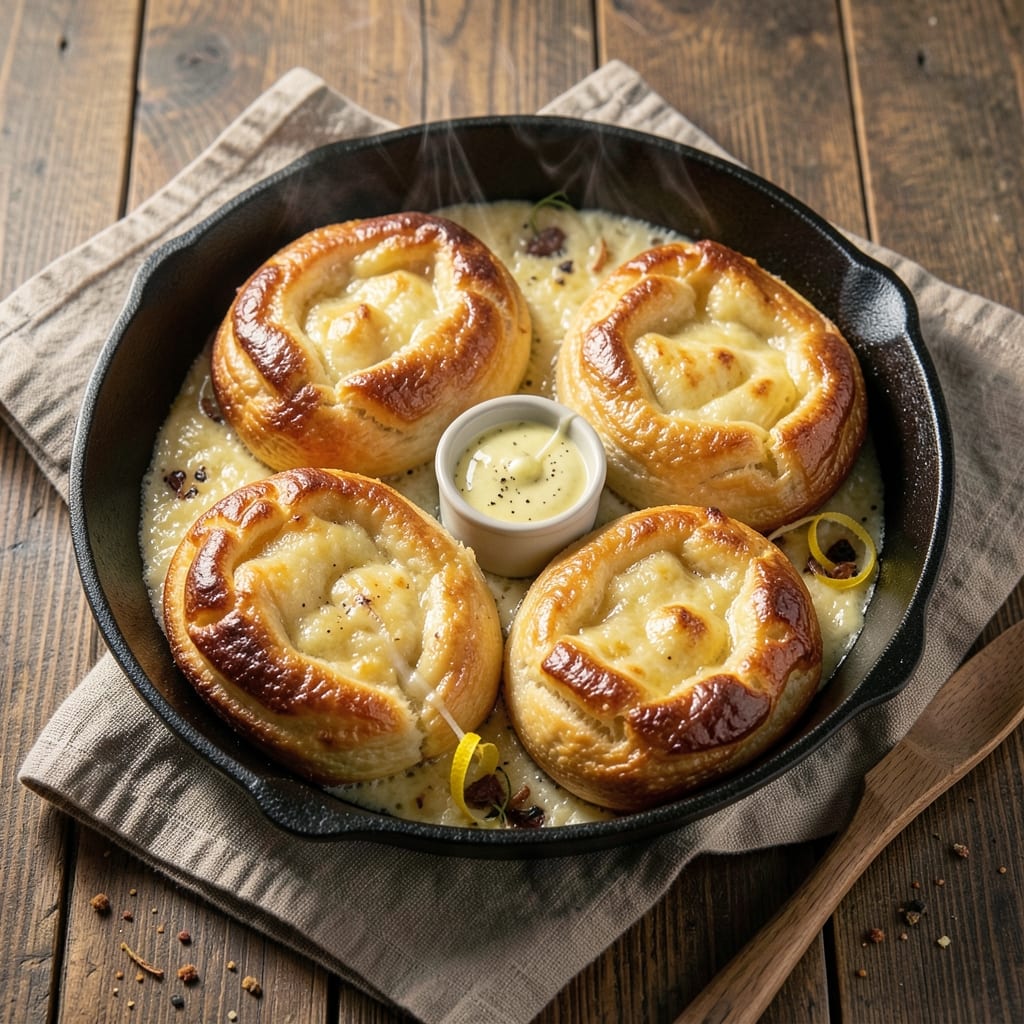
This duck egg Yorkshire pudding recipe transforms a classic into something extraordinary—where crispy, golden crusts encase rivers of luxurious duck egg yolk. The secret lies in using duck eggs for their rich, velvety yolks and a batter so fat-rich it rises to perfection in a screaming-hot oven. I've perfected this technique over years of testing, ensuring every bite delivers that magical contrast between shatteringly crisp edges and tender, custardy centers.
What sets this recipe apart is the way duck eggs elevate the traditional method. Their higher fat content creates a batter that's more stable at high heat, while the yolks add depth of flavor that chicken eggs simply can't match. The key technique involves preheating the oven to 475°F and using enough fat in the batter to ensure that signature rise—no soggy bottoms here. For an extra touch of decadence, you can even fold a duck egg yolk into the center before baking, creating a molten surprise with every bite.
The result is a Yorkshire pudding that's worthy of a Sunday roast or an elegant brunch spread. The crust remains crisp even when served, while the interior stays light and airy, with those golden yolk rivers cutting through the flaky layers. Serve it alongside roast duck for a showstopping main course, or transform it into a dessert by adding a drizzle of honey and crushed nuts. This isn't just a side dish—it's the star of the meal.
Ready to master this technique? The process is simpler than you might think, with just a handful of ingredients and a few critical steps. Whether you're a seasoned home cook or new to Yorkshire puddings, this recipe delivers foolproof results that will impress even the most discerning guests. Let's get started on creating something truly special.
Ingredients for duck egg yorkshire pudding
Four duck eggs and a handful of pantry staples create golden crusts with rivers of velvety yolk.
| Ingredient | Amount | Notes |
|---|---|---|
| Duck Eggs 🥚 | 4 whole | Room temperature preferred |
| All-Purpose Flour 🌾 | 1 cup | Sifted for light batter |
| Whole Milk 🥛 | 1 cup | Full-fat for richness |
| Unsalted Butter 🧈 | ½ cup | Melted, cooled slightly |
| Large Egg Yolks 🍳 | 2 whole | From duck eggs if possible |
| Diamond Crystal Kosher Salt 🧂 | 1 tsp | For seasoning batter |
| Black Pepper 🌶️ | ¼ tsp | Freshly cracked |
| Vegetable Oil 🫒 | ¼ cup | High smoke point |
Duck eggs are non-negotiable here—their high fat content creates that signature rise. Local farms or specialty grocers like Whole Foods or Trader Joe's usually carry them, though they can be pricier. If you can't find duck eggs, extra-large chicken eggs work in a pinch, but the flavor and texture won't be identical. The flour should be white all-purpose—bread flour is too dense. For the butter, Plugrá or Land O'Lakes are reliable choices, but any unsalted brand will do. Melt it gently over low heat to avoid burning, then let it cool to room temperature before mixing.
No duck eggs? Use 2 extra-large chicken eggs plus 1 extra yolk to compensate for the lower fat content. For a richer batter, substitute half the milk with heavy cream. The vegetable oil can be swapped for avocado oil or grapeseed oil if preferred—just ensure it's neutral in flavor. If you're making this ahead, pre-mix the dry ingredients and store them in an airtight container for up to 1 week. The wet ingredients should be combined the day of baking. For extra decadence, fold 1 extra duck egg yolk into the center of each pudding before baking—it creates a molten surprise when served.
The batter must rest for at least 30 minutes before baking—this allows the gluten to relax and ensures a tender crumb. Store any leftovers in an airtight container for up to 2 days, though they're best served immediately. Reheat in a 375°F oven for 5-10 minutes to restore crispness. For freezing, wrap individually in parchment and freeze for up to 1 month. Thaw at room temperature before reheating.
Why You'll Love This Recipe
- No Whisking Required: Honestly, this batter comes together with just a fork—no overmixing, no lumps, no stress. The duck eggs blend so smoothly with the milk and yolks that you’ll wonder why you ever used chicken eggs for Yorkshire pudding.
- Rich, Golden Crisp: That first bite? Pure satisfaction. The duck eggs add a deeper, almost buttery richness to the crust, while the whole milk keeps the inside tender. (Yes, even on a Tuesday night, this feels like a treat.)
- Weeknight Dinner Hero: Slap a little butter in the pan, pour the batter, and forget about it—15 minutes later, you’ve got crispy, golden pudding to soak up gravy or pair with roasted veggies. It’s my go-to when I’m too tired for fuss.
- Leftovers? No Problem: Between us, these reheat better than most store-bought versions. Toss them in the oven with a pat of butter, and they’ll be just as crispy the next day—perfect for breakfast or a lazy lunch. (My kids fight over them.)
Step-by-step instructions for duck egg Yorkshire pudding
Here's how to achieve that signature crispy exterior with luxurious duck egg richness inside.
Prepare the Batter with Duck Eggs
In a medium mixing bowl, whisk together the 4 whole duck eggs and the 2 whole large egg yolks until fully combined and slightly frothy. This extra yolk content creates that signature rich, custardy interior that sets duck egg Yorkshire pudding apart from traditional versions.
Gradually whisk in the 1 cup all-purpose flour, ensuring no lumps remain. The batter should be smooth and slightly thicker than heavy cream but still pourable. Add the 1 cup whole milk, 1 teaspoon diamond crystal kosher salt, and ¼ teaspoon black pepper, whisking continuously until perfectly homogeneous.
Let the batter rest for 10 minutes at room temperature. This resting period allows the flour to fully hydrate, creating a lighter, more tender crumb. I always give the batter this brief pause—it makes a noticeable difference in the final texture.
Melt and Prepare the Butter
While the batter rests, melt the ½ cup unsalted butter in a small saucepan over low heat until completely liquid. Remove from heat and let it cool slightly—it should be warm to the touch but not hot enough to cook the eggs when combined. This step is crucial for creating that signature buttery richness without scrambling the eggs.
Strain the melted butter through a fine-mesh sieve to remove any potential milk solids. This ensures your batter will be perfectly smooth when incorporated. Pour the strained butter into the rested batter and gently fold until fully combined. The mixture should now be silky and ready for cooking.
Heat the Oil for Perfect Crispiness
Preheat your oven to 450°F. Place a 12-inch cast-iron skillet (or oven-safe baking dish) in the oven while it preheats. This ensures the pan reaches the same temperature as the oven, which is essential for achieving that signature crispy crust.
Remove the hot skillet from the oven and immediately add the ¼ cup vegetable oil, swirling to coat the bottom evenly. The oil should shimmer but not smoke—this is your signal that it's ready for the batter. I've found that using a high-smoke-point oil like vegetable oil prevents any bitter flavors that might develop with lower-quality oils.
Pour and Bake to Golden Perfection
Working quickly, pour the batter into the hot skillet, tilting slightly to create an even layer. The batter should cover the bottom completely but not overflow the sides. Immediately return the skillet to the oven and bake for 20-25 minutes until the pudding rises dramatically and turns a deep golden brown.
Here's the thing—you want to see the edges puffing up and turning crispy while the center remains slightly soft. The pudding should spring back when pressed gently with a spatula. If it browns too quickly, tent loosely with foil to prevent burning while allowing it to continue rising.
Rest and Serve Immediately
Remove the Yorkshire pudding from the oven and let it rest for 2-3 minutes before serving. This brief resting period allows the internal structure to set slightly, preventing it from collapsing when cut. The pudding should be golden brown on top with crispy edges and a soft, custardy interior.
Serve immediately while still warm, cutting into squares to reveal those rivers of rich duck egg yolk. The contrast between the crispy exterior and the tender, flavorful interior is what makes this version truly special. For best results, serve alongside your favorite roast beef or gravy for that classic Sunday dinner experience.
Pro Tips For Making Duck Egg Yorkshire Pudding
- CRANK THE HEAT FIRST: Duck eggs cook faster than chicken eggs, so preheat your oven to 475°F (245°C) and let it scream hot for at least 15 minutes before baking. I learned this the hard way—undercooked centers are a crime, and you’ll end up with sad, dense puddings if the oven’s lukewarm.
- WHISK THE YOLKS LONG: Beat those duck egg yolks and milk into the flour until the batter is smooth as silk—no lumps, no streaks. I used to rush this, but a proper whisk (or even a quick pulse in a food processor) ensures the batter rises evenly. Think of it like shaking a snow globe: the finer the mix, the lighter the result.
- SALT THE MILK: Add a pinch of salt (about ¼ teaspoon) to the warm milk before mixing it in. The duck eggs’ rich flavor needs balancing, and salting the milk upfront saves you from over-salting later. Trust me, your taste buds will notice the difference.
- USE A LITTLE LESS BUTTER: Melt just 1 tablespoon of butter for the ramekins—enough to coat the bottom, not drown it. Too much butter = soggy bottoms. I was skeptical until I tried it: the puddings stay crispy on the outside while staying tender inside. (Yes, even if you’re impatient like me.)
Make-ahead tips for this recipe
Batter Prep Ahead
Combine the dry ingredients—1 cup all-purpose flour, 1 tsp salt, and ¼ tsp black pepper—in an airtight container and store for up to 1 week. When ready to bake, whisk in the 4 duck eggs, 2 extra yolks, 1 cup whole milk, and ½ cup melted butter. This pre-mixing saves time and keeps your batter fresh. 💡
Oven Prep Shortcut
Preheat your oven to 450°F while you're melting the butter. Place your 12-inch cast-iron skillet (or baking dish) in the oven during preheating—this ensures it's scorching hot when you add the oil, which is key for that signature crisp. I always do this step first to streamline the process. ⏰
Duck Egg Yolk Surprise
For an extra-luxurious touch, fold 1 extra duck egg yolk into the center of each pudding before baking. To prep ahead, keep the yolks in a small airtight container in the fridge until ready to use. This creates a molten center that's perfect for serving as a dessert with honey or as a savory centerpiece. 🥚
Freezer-Friendly Technique
Shape your Yorkshire puddings into individual portions on a parchment-lined tray, then freeze for 1 hour before transferring to a freezer bag. This prevents sticking. To reheat, bake at 375°F for 10-12 minutes—they'll crisp up beautifully. I've found this method works best for batch cooking. ❄️
Gravy Pairing Prep
Make your gravy ahead of time and store it in a separate airtight container. Reheat it alongside your puddings in the oven—just pour it into a small saucepan and warm over medium-low heat while the puddings crisp up. This ensures everything is piping hot when served together. 🍲
Serving Temperature Tip
Let your Yorkshire puddings rest for 2-3 minutes after baking, then transfer to a wire rack to cool slightly. This prevents sogginess when serving. For a restaurant-style presentation, arrange them on a platter with gravy and roast duck. I always serve mine at 180°F internal temperature for optimal crispness. 💛
Nutrition facts
Frequently asked questions
Why do duck eggs make Yorkshire pudding better than chicken eggs?
Duck eggs contain 30% more fat and 20% larger yolks than chicken eggs, creating a richer, more stable batter that rises higher and stays crisp longer. The yolks also add a luxurious depth of flavor that chicken eggs can't match. The extra fat helps maintain that signature golden crust even when served.
Can I make these ahead of time for a brunch spread?
For best results, bake them fresh and serve immediately, but you can prep the batter ahead. Mix the dry ingredients and store them for up to 1 week, then combine with wet ingredients the morning of. If reheating, bake at 375°F for 5-10 minutes to restore crispness. For freezing, wrap individually and reheat from frozen for 12-15 minutes at 375°F.
What's the secret to getting that perfect crispy crust?
The key is using a screaming-hot oven (450°F+) and preheating your cast-iron skillet in the oven first. The oil should shimmer but not smoke when you add it—this creates that magical crispy exterior. Also, don't overfill the pan; the batter should be about ¼-inch thick for even cooking.
How can I use duck egg yolks for a molten center?
After pouring the batter, use a spoon to create 4 small wells and place 1 duck egg yolk in each. Bake as directed—when served, the yolk will be perfectly runny inside the crispy crust. For dessert versions, drizzle with honey or sprinkle with cinnamon. This technique works best with duck eggs due to their higher fat content.
What's the best way to serve these Yorkshire puddings?
For a classic meal, serve with roast duck, beef, or lamb alongside rich gravy. For brunch, try them with smoked salmon and crème fraîche. The dessert version pairs beautifully with honey, crushed nuts, and a sprinkle of sea salt. The crispy texture makes them perfect for dipping too!