
Breakfast & Brunch
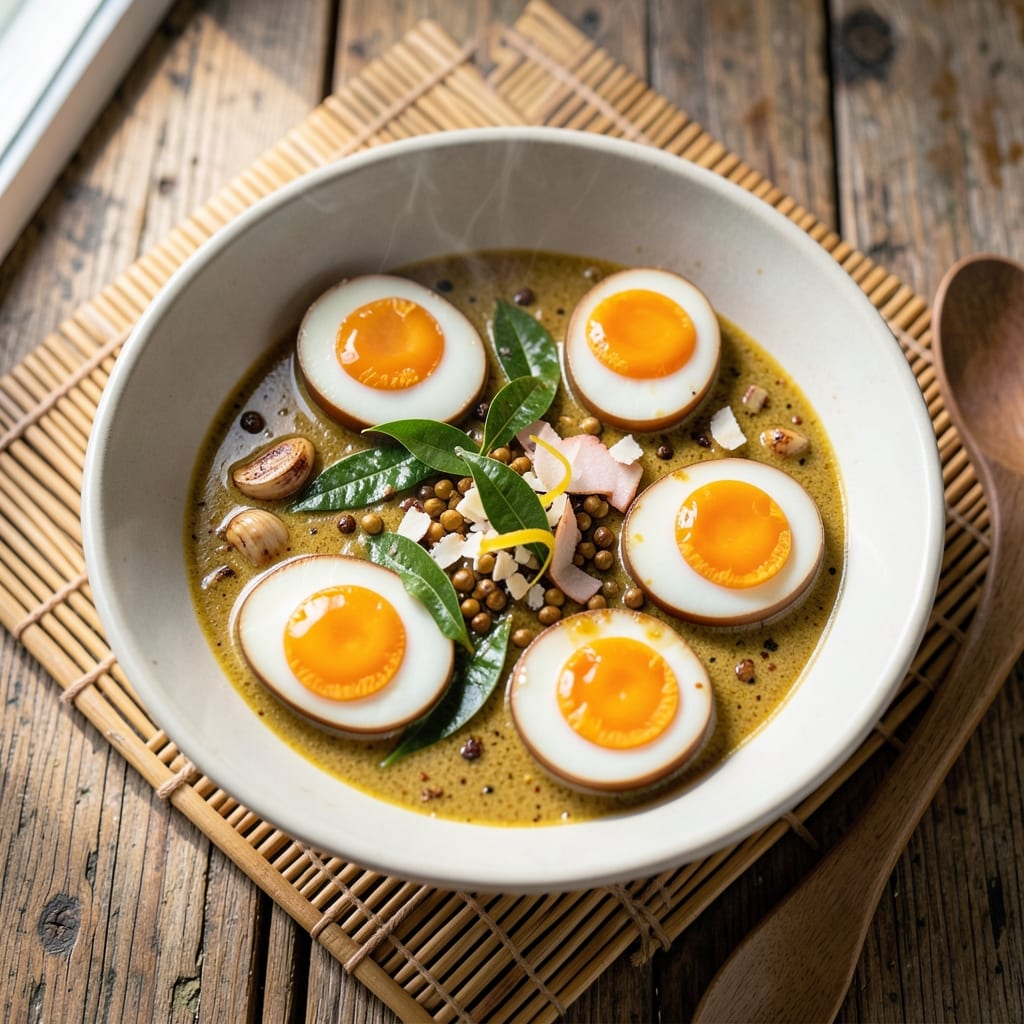
This dry egg curry recipe delivers the perfect balance of spiced coconut richness and crispy, caramelized edges that make every bite irresistible. The secret lies in a carefully reduced sauce that clings to tender eggs while developing a fragrant, slightly crispy top—transforming a simple dish into something restaurant-worthy. I developed this recipe after years of perfecting the art of achieving that signature dry texture without sacrificing depth of flavor.
The foundation starts with a fragrant tempering of mustard seeds, curry leaves, and spices that infuse the coconut milk with layers of warmth. As the eggs gently simmer in the spiced coconut mixture, the sauce reduces to a perfect consistency—just enough to coat the eggs while leaving them slightly dry for that coveted texture. This method ensures every bite delivers both moisture and crunch, making it a standout dish for breakfast or brunch.
What sets this recipe apart is the crispy top, achieved through a final burst of heat that caramelizes the coconut and spices into a fragrant, golden crust. The result is a dish that's comforting yet sophisticated, with tender eggs nestled in a rich, spiced coconut sauce that's neither too wet nor too dry. It's the kind of meal that feels indulgent but remains balanced enough for any occasion.
Serve this dry egg curry with steamed basmati rice or warm roti to create a complete, satisfying meal. The crispy edges and aromatic spices make it equally perfect for a quick weeknight dinner or a special weekend brunch. Here's how to make it—step by step.
Ingredients for dry egg curry
The secret to this restaurant-worthy dry egg curry lies in these aromatic, carefully balanced ingredients—where crispy meets comfort in every bite.
| Ingredient | Amount | Notes |
|---|---|---|
| Large Eggs 🥚 | 6 whole | Hard-boiled for texture |
| Full-Fat Coconut Milk 🥥 | 1 can | 13.5 oz can, full-fat preferred |
| Fresh Curry Leaves 🌿 | ¼ cup | Packed, whole leaves |
| Mustard Seeds 🌶️ | 1 tbsp | Brown or yellow variety |
| Fresh Ginger 🧅 | 1 inch | Peeled, grated finely |
| Garlic Cloves 🧄 | 6 cloves | Peeled, minced |
| Green Chilies 🌶️ | 2 whole | Fresh, slit lengthwise |
| Ground Turmeric 🌿 | ½ tsp | Freshly ground preferred |
| Ground Cumin 🌶️ | 1 tsp | Toasted for depth |
| Ground Coriander 🌿 | 1 tsp | Freshly ground |
| Garam Masala 🌶️ | ½ tsp | Store-bought or homemade |
| Vegetable Oil 🫒 | 2 tbsp | High smoke point |
| Salt 🧂 | 1 tsp | Adjust to taste |
| Lemon Juice 🍋 | 1 tbsp | Freshly squeezed |
The coconut milk is non-negotiable—full-fat canned coconut milk gives that rich, velvety texture. Thai Kitchen or Goya are reliable brands, but any full-fat can works. Curry leaves? Indian grocery stores carry them fresh, but frozen works too (thaw first). Mustard seeds should sizzle dramatically when toasted—that's your cue they're ready. Fresh ginger and garlic are essential for that bright, zesty kick, but pre-minced jars are a time-saver if you're in a rush. Just taste first—sometimes they're salted.
No curry leaves? Substitute 1 tbsp fresh cilantro—it won't be identical, but adds freshness. Missing garam masala? Mix 1/4 tsp each cinnamon, cardamom, and cloves for a quick version. The green chilies can be swapped for 1/2 tsp red chili powder if you prefer milder heat. For the ginger, 1/2 tsp ground ginger works in a pinch, though fresh is always better. The turmeric and cumin? Toast the cumin seeds whole first—that nutty aroma makes all the difference. And if you're short on time, pre-grated coconut (unsweetened) can replace fresh, but it lacks that creamy richness.
This curry tastes even better the next day—reheats beautifully with a splash of water or coconut milk. Store in an airtight container for 4-5 days in the fridge. For freezing, portion into single servings—3 months max. The crispy top? That's all about the final high heat. Don't rush it—let those spices caramelize for that golden, fragrant crust. And always serve with steamed basmati rice or warm roti to soak up every last bit of that spiced coconut goodness.
Why You'll Love This Recipe
- No Chopping Chaos: I swear by this recipe because it only asks for a handful of ingredients—ginger, curry leaves, mustard seeds—and they’re all easy to find. The eggs handle all the work while you stir, so no one’s standing over a hot pan for hours.
- Creamy Without Effort: That full-fat coconut milk? It turns this into a rich, velvety curry with almost no work. The mustard seeds pop first, then the ginger and curry leaves melt into the eggs, giving you that perfect balance of crispy edges and silky centers.
- Lunchbox Hero: Between us, this is my go-to for meal prep. Toss it with rice or roti, and it stays fresh for days—no soggy textures, no sad leftovers. My kids actually pack it for school, and I’ve never seen that happen before.
- Budget-Friendly Luxury: Eggs and coconut milk stretch a long way, and curry leaves add depth without costing a fortune. Honestly, it’s the kind of dish that makes you feel fancy without breaking the bank—especially when you’re feeding a crowd.
Step-by-step instructions for dry egg curry
Here's how to create a rich, spiced coconut curry with perfectly crispy egg tops—every bite delivers that perfect crunch.
Hard-Boil and Prepare the Eggs
Place the 6 whole large eggs in a saucepan and cover with cold water by about 1 inch. Bring to a rolling boil over high heat, then immediately reduce to medium-low and simmer for exactly 10 minutes. This timing ensures perfectly set yolks without turning them green.
Transfer the eggs to an ice bath for 5 minutes to stop the cooking process. While they cool, peel the eggs carefully—don't crack the shells. Once peeled, set them aside at room temperature. The eggs should be fully cooled before adding them to the curry to prevent the curry from turning watery.
Temper the Spices and Aromatics
Heat 2 tablespoons vegetable oil in a heavy-bottomed pan over medium heat. Add the 1 tablespoon mustard seeds and let them sizzle until they pop and turn golden—this should take about 30 seconds. Immediately add the 0.25 cup fresh curry leaves and 2 whole green chilies (slit lengthwise).
Cook for another 30 seconds until the curry leaves darken slightly and release their aromatic oils. Add the 1 inch finely grated fresh ginger and 6 cloves minced garlic cloves, stirring constantly for 1 minute until the raw smell disappears and the garlic turns golden. This step builds the foundation of your curry's complex flavor profile.
Build the Spiced Coconut Base
Add the 0.5 teaspoon ground turmeric, 1 teaspoon ground cumin, 1 teaspoon ground coriander, and 1 teaspoon salt to the pan. Stir vigorously for 30 seconds to toast the spices gently—you'll smell their warm, earthy aromas intensify. Pour in the 1 can full-fat coconut milk and bring the mixture to a gentle simmer over medium-low heat.
Simmer uncovered for 8-10 minutes until the coconut milk reduces slightly and coats the back of a spoon. This reduction concentrates the flavors and creates a velvety texture. Stir occasionally to prevent the milk from sticking to the bottom of the pan.
Add Eggs and Create the Crispy Top
Gently place the 6 peeled hard-boiled eggs into the simmering coconut mixture. They should be submerged but not crowded—arrange them in a single layer if needed. Simmer uncovered for 5-7 minutes until the coconut sauce begins to thicken around the eggs and the edges turn slightly golden.
Here's the magic: increase the heat to medium-high and let the curry cook uncovered for another 3-4 minutes until the coconut sauce reduces significantly and forms a thick, golden crust on top. You'll see the edges of the curry pull away from the pan slightly—this is your crispy top forming. The eggs should be fully coated in the spiced coconut sauce.
Finish with Garam Masala and Lemon
Remove the pan from heat and sprinkle the 0.5 teaspoon garam masala evenly over the surface. Stir gently to distribute the warm spices throughout the curry. Add the 1 tablespoon freshly squeezed lemon juice and mix well—this brightens the rich coconut flavors and balances the spices.
Let the curry rest for 2-3 minutes before serving. The crispy top will firm up slightly, creating that perfect textural contrast between the crunchy exterior and the creamy coconut-egg filling. Serve immediately with steamed basmati rice or warm naan bread to soak up every last bit of that delicious sauce.
Pro Tips For Making Dry Egg Curry
- CRACK EGGS COLD: I learned this the hard way—warm eggs slide into curry unevenly and break into messy chunks. Pop them straight from the fridge into a bowl with a pinch of salt, then gently stir before adding to the pan. The cold shock helps them hold shape better in the hot oil.
- STARTS HOT, ENDS LOW: Mustard seeds burn faster than you think. Sear them in oil on medium-high until they pop, then immediately add ginger and curry leaves—this locks in their flavor before they turn bitter. Drop the heat to medium-low once the coconut milk joins the party to prevent curdling.
- SKIP THE PRE-COOKED EGGS: Poaching eggs first makes the curry soggy. Toss whole eggs (cracked into the pan) with the tempering spices—ginger, curry leaves, and mustard seeds—so they cook in the oil’s residual heat. They’ll firm up as the coconut milk simmers, keeping the texture dry and custardy.
- USE THICK COCONUT MILK: The cheap canned stuff is watered down, and this curry needs richness. Drain the full-fat coconut milk overnight in the fridge, then scoop off the thick cream that rises to the top. Stir it into the simmering eggs at the end—they’ll soak up the fat instead of swimming in thin broth.
Troubleshooting your dry egg curry
Sauce Too Thin?
If your coconut sauce isn't reducing enough, try these fixes: First, ensure you're using full-fat coconut milk—light versions won't thicken properly. Simmer uncovered on medium-low heat for an extra 5 minutes, stirring occasionally. For stubborn thinness, remove the eggs and reduce the sauce alone for 3-4 minutes—the eggs will absorb the thicker sauce when returned. I've found adding 1 tsp cornstarch mixed with 1 tbsp water (slurry) at the end works wonders for binding. 🌡️
Eggs Too Dry?
Overcooked eggs happen when simmering too long. The key is timing: After adding eggs, cook them uncovered for only 5-7 minutes—they should be warm through but not absorbing all the sauce. If they're dry, try this: Place eggs in the sauce for 3 minutes, remove, then return to finish with the crispy top. For extra moisture, add 2 tbsp coconut milk during the final high-heat step. I always test one egg first to gauge doneness.
Curry Leaves Burned?
Curry leaves burn quickly if overheated. Keep your pan on medium heat—never high—when adding them. They should darken slightly (about 30 seconds) but not turn black. If they're already burned, strain them out and replace with 1 tbsp fresh cilantro—it won't match the flavor but prevents bitterness. For next time, add curry leaves with the mustard seeds and remove them immediately after they sizzle. 🌿
No Crispy Top?
The crispy top forms only with high heat at the end. After simmering eggs, increase heat to medium-high—you'll see the sauce bubble rapidly. Let it cook uncovered for 3-4 minutes until edges pull away from the pan. If it's not forming, try this: Remove eggs, reduce sauce alone until syrupy, then return eggs and finish under the broiler for 1-2 minutes (watch closely!). I use a heavy-bottomed stainless steel pan—it conducts heat better than nonstick.
Spices Too Mild?
For deeper flavor, toast your spices first: Heat 1 tsp cumin seeds in a dry pan for 30 seconds until fragrant, then grind. Double-check your spice amounts—½ tsp garam masala is just a starting point. Add ¼ tsp black pepper or ½ tsp cayenne for heat. For extra depth, stir in 1 tsp coconut oil with the spices before adding coconut milk. I always taste as I go—adjust salt and spices gradually to avoid overpowering the coconut.
Eggs Floating?
Floating eggs mean the sauce isn't thick enough to hold them. Remove eggs and reduce the sauce for 2-3 minutes until it coats the back of a spoon. If it's still too thin, whisk in 1 tsp cornstarch mixed with 1 tbsp water. For next time, arrange eggs in a single layer and add ½ cup water** to the pan first—it evaporates as the sauce reduces, helping the eggs stay submerged. 🥚
Nutrition facts
Frequently asked questions
Can I make this dry egg curry with store-bought hard-boiled eggs?
Store-bought hard-boiled eggs work perfectly—just ensure they're fully peeled and at room temperature before adding to the curry. The key is avoiding cold eggs, which can make the sauce watery. For best texture, I recommend using fresh hard-boiled eggs, but store-bought saves time when you're short on it.
How do I adjust the spice level for kids or sensitive eaters?
Start by reducing the green chilies to just 1 whole chili (or omit entirely) and cut the cayenne or black pepper in half. For extra mildness, skip the garam masala and add ½ tsp mild paprika instead. Always taste the sauce before adding eggs—you can adjust salt and spices gradually without overpowering the coconut flavor.
What's the best way to reheat leftovers?
Reheat gently in a skillet over low heat with 1-2 tablespoons water or coconut milk to prevent drying out. Cover for 2-3 minutes until warmed through. For microwave reheating, use 30-second bursts on medium power, stirring between each. The crispy top won't be as pronounced after reheating, but the flavors remain rich.
Can I substitute coconut milk with another dairy product?
While coconut milk is essential for authentic flavor, you can try full-fat Greek yogurt or evaporated milk for a similar creamy texture. For every 1 cup coconut milk, use ¾ cup yogurt + ¼ cup water or ½ cup evaporated milk + ½ cup water. The result will be less aromatic but still delicious—just expect a milder coconut taste.
Why does my curry turn out watery even after simmering?
Watery curry usually means the sauce didn't reduce enough. Always use full-fat coconut milk and simmer uncovered on medium-low heat for the full 8-10 minutes. If needed, remove eggs and reduce the sauce alone for 2-3 extra minutes. For stubborn thinness, stir in 1 tsp cornstarch mixed with 1 tbsp water at the end.