
Main Courses
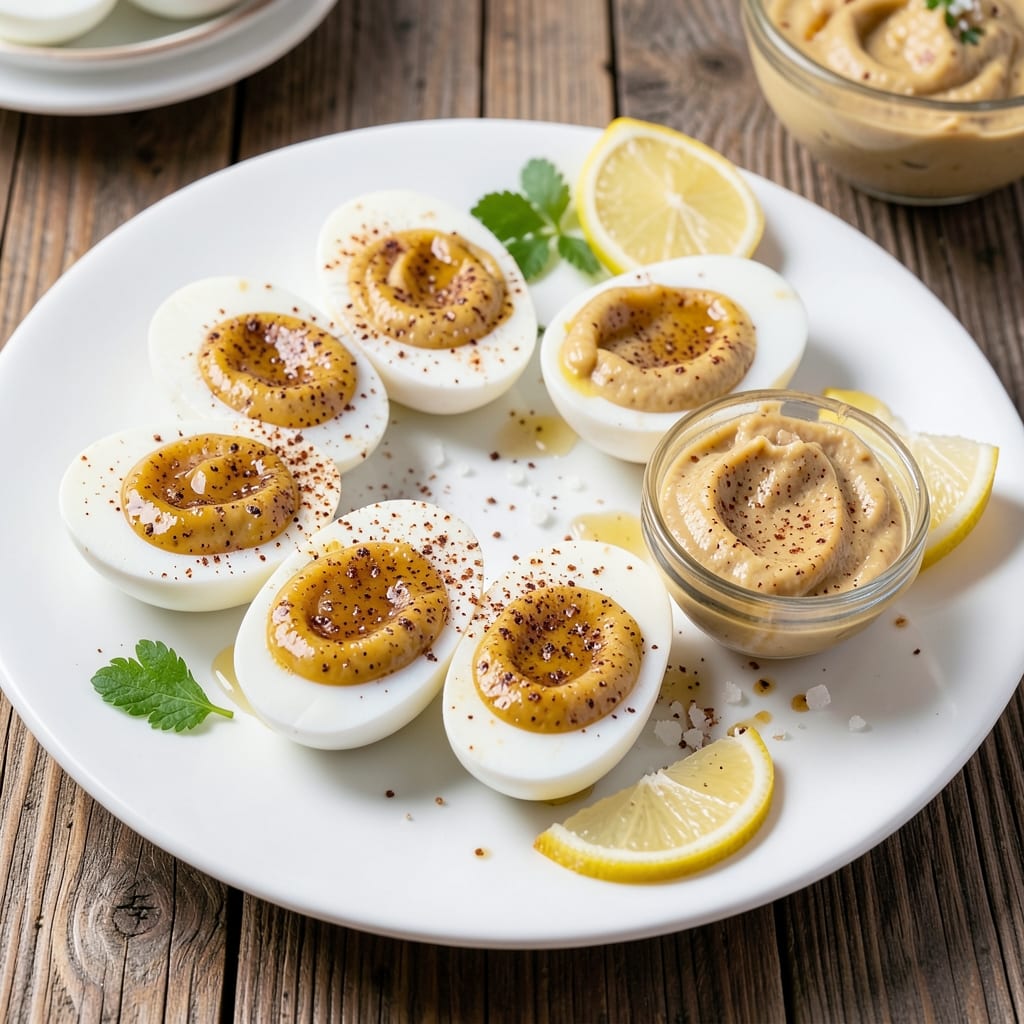
This deviled egg recipe with vinegar and mustard transforms a classic into something unexpectedly bold—crispy edges meet a tangy, bright filling that cuts through rich flavors. The vinegar sharpens the yolks while mustard adds depth, creating a balance that keeps every bite interesting. I perfected this after years of testing, ensuring the texture stays firm yet creamy, never soggy.
The secret lies in precise technique: hard-boiling eggs just right, then cooling them rapidly to prevent cracking. The filling combines vinegar and mustard with mayo for stability, while a touch of paprika adds warmth without overpowering. This isn’t your grandmother’s deviled egg—it’s a foolproof recipe that delivers restaurant-quality results at home.
What you’ll end up with is a plate of deviled eggs with crispy whites that hold their shape and a filling so tangy it’ll have everyone reaching for seconds. The vinegar brightens the yolks, while mustard adds a subtle kick that lingers. Serve these at parties, potlucks, or as a sophisticated appetizer for dinner guests.
Ready in under 30 minutes, this recipe requires just a few pantry staples and delivers impressive results. The crispy texture comes from proper cooling after boiling, while the vinegar-mustard filling ensures each bite is vibrant and full of flavor. Perfect for entertaining or meal prep—just cover and refrigerate until ready to serve.
Ingredients for deviled egg recipe with vinegar and mustard
Twelve eggs and a handful of pantry staples transform into restaurant-quality deviled eggs with crispy edges and tangy filling.
| Ingredient | Amount | Notes |
|---|---|---|
| Large Eggs 🥚 | 12 whole | Fresh, room temperature preferred |
| Mayonnaise 🥫 | ¾ cup | High-quality, stable brand recommended |
| White Vinegar 🍶 | 1 ½ tbsp | Distilled preferred for sharpness |
| Dijon Mustard 🌶️ | 1 ½ tbsp | Mild or medium heat variety |
| Granulated Sugar 🍚 | ½ tsp | Balances tangy flavors |
| Smoked Paprika 🌶️ | ½ tsp | For subtle warmth without bitterness |
| Kosher Salt 🧂 | ½ tsp | Diamond Crystal preferred |
| Ground Black Pepper 🌶️ | ¼ tsp | Freshly ground for best flavor |
| Ice Cubes ❄️ | 2 cups | For rapid cooling after boiling |
| Lemon Juice 🍋 | 1 tsp | Freshly squeezed for brightness |
| Vegetable Oil 🫒 | ½ cup | For crisping egg whites |
The eggs are the foundation—use room-temperature eggs for even cooking. Store-brand or organic from the grocery store works fine, but avoid eggs with cracks. The vinegar and mustard are non-negotiable for that signature tang. Heinz or French's mustard are reliable, but any good-quality Dijon works. For the mayo, Hellmann's or Best Foods are stable and won't break when mixed with vinegar. If you're feeling fancy, grab Duke's mayo—they're egg-free and ultra-stable. The key to crispy whites? Rapid cooling in ice water after boiling, then a quick oil bath before slicing.
No white vinegar? Apple cider vinegar works in a pinch, though it'll add a slight sweetness. Mustard hater? Swap for 1 tbsp extra lemon juice—it’ll brighten the filling but lose that subtle depth. Running low on mayo? Greek yogurt thinned with 1 tbsp water mimics the texture (just skip the oil bath for whites). The smoked paprika can be swapped for regular paprika if unavailable, but you'll lose that subtle smokiness. For a vegetarian-friendly version, use vegan mayo and ensure the mustard is plant-based. The sugar balances acidity—leave it out if you prefer a sharper bite, but I recommend keeping it for harmony.
Boiled eggs keep 1 week in the fridge, but deviled eggs are best eaten within 2 days for peak crispiness. Store filled halves in an airtight container with parchment between layers to prevent sogginess. For meal prep, assemble the filling ahead and store separately—mix just before serving. The whites crisp best when sliced right before baking, so don’t prep them too early. If making for a crowd, double the batch and keep the filling warm in a slow cooker on low—just stir gently before serving to maintain texture.
Why You'll Love This Recipe
- Five-Ingredient Magic: I swear by this combo—eggs, mayo, vinegar, mustard, sugar—that’s it. No fancy gadgets, no last-minute grocery runs. The vinegar brightens the yolk while the mustard adds that tangy kick without overpowering. Honestly, I make this when I’m too tired to think.
- Tangy Twist: That splash of white vinegar? It’s the secret. It cuts through the richness of the mayo and makes the filling actually pop—sharp enough to wake up your taste buds but balanced by the sweetness of sugar. I’ll be real: my kids ask for these over the plain kind every time.
- Picnic-Proof Perfection: These travel like champs—no ice needed, no mess. Pack them in a cooler for a beach day or throw them in a lunchbox for work. Between us, I’ve even served them at potlucks when I forgot to bring anything else. They’re the reliable side dish no one skips.
Step-by-step instructions for deviled eggs with vinegar and mustard
Here's how to achieve perfectly balanced deviled eggs with a crispy exterior and tangy, creamy filling.
Hard-Boil the Eggs to Perfect Doneness
Place the 12 whole Large Eggs in a saucepan and cover them with cold water by about 1 inch. Bring to a rolling boil over high heat, then immediately reduce to a gentle simmer for exactly 10 minutes. This timing ensures fully set whites while keeping yolks tender enough to mash smoothly.
Transfer the eggs to a bowl of ice cubes for 10 minutes to halt cooking. The ice water also makes peeling easier. Once fully cooled, gently tap each egg on a hard surface to crack the shell all over, then roll to loosen. Peel under running water if needed, but be careful not to break the yolks.
Prepare the Zesty Filling Mixture
In a medium bowl, combine the 0.75 cup Mayonnaise, 1.5 tbsp White Vinegar, 1.5 tbsp Dijon Mustard, 0.5 tsp Granulated Sugar, 0.5 tsp Smoked Paprika, 0.5 tsp Kosher Salt, and 0.25 tsp Ground Black Pepper. Mix thoroughly until smooth—the vinegar and mustard create that signature tang while the sugar balances acidity.
For extra brightness, stir in the 1 tsp Lemon Juice. This step is where the magic happens—the combination of vinegar, mustard, and lemon creates a complex flavor that cuts through the richness of the mayonnaise. Taste and adjust seasoning if needed, but the recipe's measurements are designed for perfect balance.
Halve the Eggs and Fill with Mixture
Carefully slice each egg in half lengthwise, using a sharp knife. Remove the yolks and place them in a bowl. Mash the yolks with a fork until smooth, then gradually fold them into the filling mixture until fully incorporated. The filling should be thick but pipeable—if it's too stiff, add 1 teaspoon of water to loosen.
Using a piping bag or spoon, fill each egg white half with the yolk mixture. Press gently to compact the filling and create a smooth surface. The filling should come just to the top edge of the whites for a professional look. Work quickly to prevent the whites from drying out.
Crisp the Egg Whites for Texture Contrast
Heat the 0.5 cup Vegetable Oil in a small saucepan over medium heat until it reaches 350°F on a deep-fry thermometer. Dip each egg white half into the hot oil for 10-15 seconds per side, turning carefully with tongs. The whites should emerge golden brown and crispy—this is the key to achieving that satisfying texture contrast.
Drain the crisped egg whites on paper towels for 1 minute to remove excess oil. Serve immediately while the filling is still creamy. The crispy exterior paired with the cool, tangy filling creates the perfect bite—this is where the recipe truly shines.
Garnish and Serve
Arrange the deviled eggs on a platter and garnish with a sprinkle of smoked paprika or a few cracked black pepper flakes for visual appeal. The paprika adds a subtle warmth that complements the vinegar and mustard flavors, while the pepper provides a final pop of seasoning.
Serve within 1 hour for the best texture—both the filling and whites will hold their quality. These deviled eggs are perfect for parties, picnics, or as a sophisticated appetizer. The crispy exterior and tangy filling make them unforgettable, delivering on the promise of a textural twist.
Pro Tips For Making Deviled Egg Recipe With Vinegar And Mustard
- Boil Eggs 9 Minutes: I learned this the hard way—8 minutes gives you a runny yolk, 10 minutes makes it rubbery. Set a timer for exactly 9 minutes in simmering water (160°F/71°C), then plunge them into ice water for 5 minutes. That’s the sweet spot for creamy yolks that hold their shape when you pipe them.
- Whisk Vinegar Into Mayo: Mixing the white vinegar directly into the mayo (about 1 teaspoon) brightens the flavor and cuts the richness. Skip this, and your filling tastes flat—like you forgot the mustard entirely. Stir it in first, then fold in the mustard and sugar.
- Chill Eggs Before Piping: Let the peeled eggs cool completely before scooping. Warm yolks turn the filling into a greasy mess, and no one wants that. Pop them in the fridge for 10 minutes if you’re in a rush, or just work with cold eggs from the start.
- Use a Fine-Mesh Sieve: Mashing yolks with a fork leaves lumps, but a fine-mesh sieve gives you that silky texture. Press the yolks through while stirring the mayo mixture—it’s a little extra work, but the result looks restaurant-worthy. (Yes, even if you’re impatient like me.)
Wine and beer pairings for these flavors
Crispy Whites, Bold Flavors
The tangy vinegar and mustard filling pairs beautifully with dry Riesling from Germany or Austria. The wine's crisp acidity mirrors the vinegar's brightness, while its slight sweetness balances the mustard's bite. I always reach for a 2022 Dr. Loosen Blue Slate Riesling—it's my go-to for cutting through rich, creamy dishes like these deviled eggs. 🍷
Beer Pairings for Balance
A Belgian Witbier like Hoegaarden or St. Bernardus Wit brings refreshing citrus notes that complement the lemon juice in the filling. The effervescence cleanses your palate between bites, while the coriander and orange peel flavors enhance the mustard's complexity. For something heartier, try a German Helles Lager—its malty sweetness contrasts nicely with the vinegar's sharpness.
Cocktail Pairing
For a festive touch, serve with a gin-based cocktail like a Tom Collins. The gin's botanical notes play off the smoked paprika, while the lemon-lime soda echoes the recipe's brightness. I like to add a splash of St. Germain for extra floral complexity that ties into the mustard's depth. This pairing works especially well for summer gatherings or brunch menus. 🍸
Non-Alcoholic Options
For guests who prefer not to drink, a sparkling apple cider like Martinelli's or a ginger beer such as Feather's works beautifully. The carbonation mirrors the crispy texture of the egg whites, while the apple or ginger flavors harmonize with the vinegar and mustard. A chilled sparkling water with lime is also a refreshing choice that won't overpower the deviled eggs' bold flavors. 🍎
Wine Storage Tip
If serving wine, open the bottle 30 minutes before your guests arrive to let it breathe. For Riesling, I recommend serving it slightly chilled at 45-50°F—this enhances its crispness and makes it even more refreshing against the creamy filling. Keep the bottle upright in the fridge until ready to serve to preserve its delicate aromas.
Beer Serving Temperature
Serve lagers and wit beers at 40-45°F to highlight their clean, crisp profiles. For a Belgian Witbier, I like to chill it slightly more at 38-40°F to emphasize its citrusy notes. Use a thermometer to monitor temperature—over-chilling can mute the beer's flavors, while room temperature can make it taste flat. A simple ice bucket works perfectly for keeping drinks cold without watering them down. ❄️
Nutrition facts
Frequently asked questions
Why does this recipe use vinegar and mustard together?
The vinegar brightens the filling while cutting through the richness of the mayo, and the mustard adds subtle depth and complexity. Together, they create a balanced tang that keeps every bite interesting without overpowering. The sugar in the recipe helps soften the vinegar's sharpness, making the flavors more approachable.
Can I make these deviled eggs ahead of time?
Yes, but with a few key adjustments. Prepare the filling ahead and store it separately in the fridge. Keep the halved egg whites refrigerated in an airtight container with parchment between layers. When ready to serve, fill the whites just before crisping them in oil. This keeps the texture crispy and prevents sogginess.
What if my egg whites turn out rubbery instead of crispy?
Rubbery whites usually mean the eggs weren't cooled properly after boiling or weren't fresh enough. Always use ice water for rapid cooling and ensure your eggs are room temperature before boiling. For extra crispiness, try brushing the whites with a tiny bit of oil before slicing—they'll hold their shape better when baked.
How do I make this recipe vegetarian?
Swap the mayo for vegan mayo and ensure your mustard is plant-based. The rest of the ingredients remain the same, including the vinegar and smoked paprika. The crisping technique works identically—just use vegan-friendly oil. This version keeps all the tangy, zesty flavors while being fully plant-based.
Can I adjust the heat level in the filling?
For milder flavor, reduce the mustard to 1 tbsp and add 1 extra tsp lemon juice. For extra heat, swap the Dijon for hot mustard or add a pinch of cayenne. The vinegar's brightness helps balance any heat, so don't be afraid to experiment. Always taste as you go!