
Breakfast & Brunch
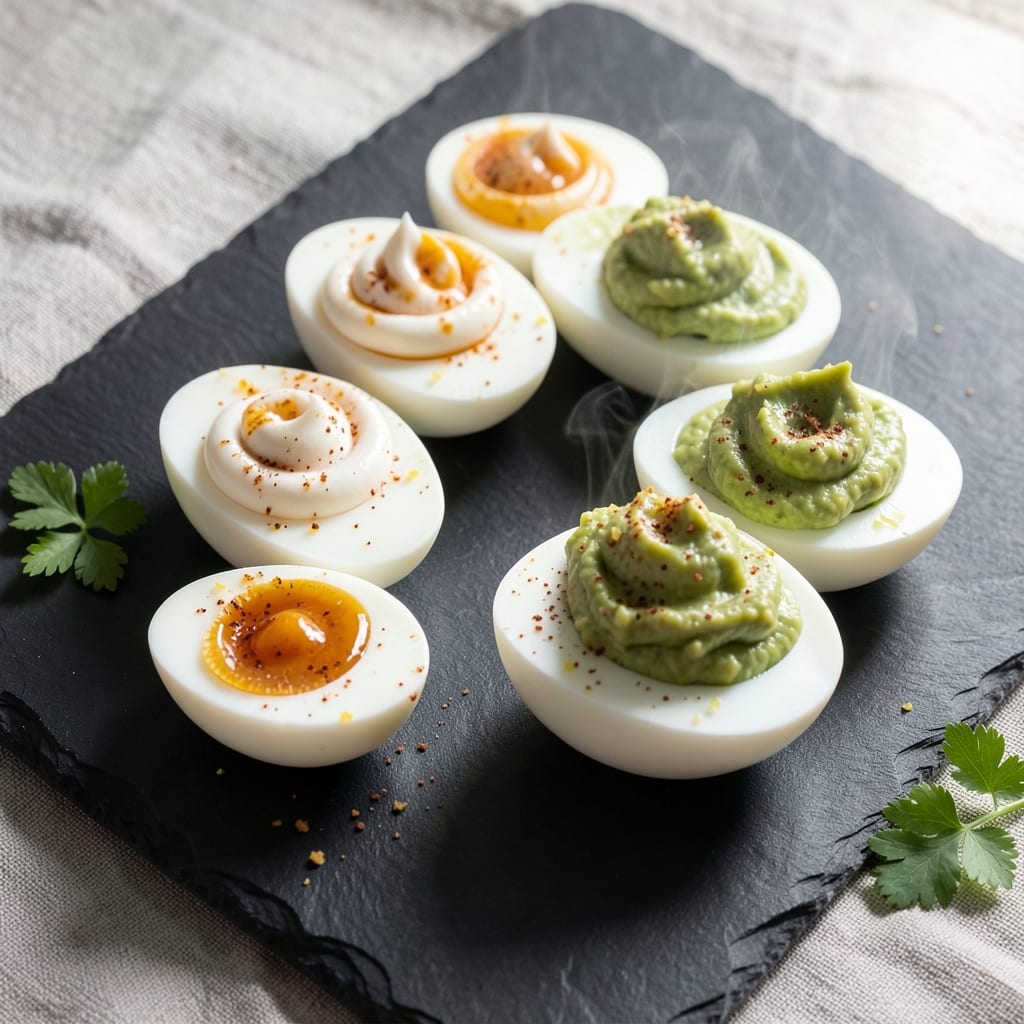
This deviled eggs recipe comparison reveals why classic versions remain timeless while creative twists elevate them to party-worthy centerpieces. The traditional method—hard-boiled eggs halved, yolks blended with mayo, mustard, and seasonings—delivers that familiar, comforting flavor that’s been a brunch staple for generations. But modern variations push boundaries with unexpected ingredients like smoked paprika, avocado, or even spicy jalapeños.
The key differences lie in technique and texture: classic recipes rely on precise boiling and smooth filling, while creative versions experiment with baking eggs for a firmer bite or adding crunchy toppings like bacon or panko. Flavor profiles shift dramatically too—some stay mild and creamy, others pack heat or tangy depth. The best part? Each variation keeps the same simple structure but transforms the dish entirely.
Whether you’re hosting a holiday gathering or just craving a protein-packed snack, this comparison helps you choose the perfect deviled egg style for any occasion. Classic versions shine at family picnics, while creative twists steal the show at dinner parties. The beauty? All methods share the same foundational steps, making them accessible for cooks of every skill level.
Ready to master both? We’ll break down the exact techniques that make each version shine—from foolproof boiling methods to piping tricks that ensure clean, professional-looking halves. Let’s dive into the showdown.
Ingredients for deviled egg recipe comparison
Twelve essential ingredients to craft both classic and creative deviled egg variations for any occasion.
| Ingredient | Amount | Notes |
|---|---|---|
| Large Eggs 🥚 | 24 whole | Fresh, room-temperature for even cooking |
| Dijon Mustard 🌶️ | 2 tbsp | High-quality for tangy depth |
| Mayonnaise 🥫 | ½ cup | Duck egg mayo for richer flavor |
| Fresh Lemon Juice 🍋 | 1 tbsp | Brightens classic filling |
| Smoked Paprika 🌶️ | ½ tsp | Creative variation staple |
| Avocado 🥑 | 1 whole | Ripe, for creamy texture in variations |
| Jalapeño Pepper 🌶️ | 1 whole | Seeded for mild heat option |
| Crispy Bacon 🥓 | ½ cup | Chopped for crunchy topping |
| Japanese Panko Breadcrumbs 🍞 | ¼ cup | For crispy creative topping |
| Kosher Salt 🧂 | 1 tsp | Diamond Crystal preferred |
| Freshly Ground Black Pepper 🌶️ | ½ tsp | For classic seasoning |
| Olive Oil 🫒 | 1 tbsp | Extra-virgin for baking variations |
| Fresh Chives 🌿 | ¼ cup | Chopped for garnish |
For perfect eggs, room-temperature eggs yield even cooking—no more cracked shells from temperature shock. Trader Joe's or Whole Foods carry the freshest, largest eggs for ideal results. The mayo and Dijon mustard form the classic base, so prioritize quality brands like Hellmann's for mayo and Maille for mustard. Smoked paprika adds depth to creative versions, while avocado and jalapeño bring modern twists. Fresh ingredients are non-negotiable—wilted chives or rancid bacon ruin the presentation. For baking variations, use extra-virgin olive oil to prevent dryness.
No Dijon mustard? Yellow mustard at half the amount works in a pinch, though flavor differs. Avocado too ripe? Substitute mashed white beans for creaminess without browning. Jalapeño too spicy? Remove seeds and membranes, or swap for milder serrano. Bacon out of reach? Crispy prosciutto or fried shallots deliver similar crunch. For classic versions, Greek yogurt replaces mayo for a lighter texture. Always taste the filling before piping—adjust salt and lemon juice as needed. The key to both styles is balance: creamy filling, crisp whites, and proper seasoning.
Hard-boiled eggs keep 5 days refrigerated in their shells, but halved versions last only 2 days due to mayo. Store filled eggs in an airtight container with parchment between layers to prevent sticking. Creative variations with avocado or jalapeño should be served immediately for best texture. Leftover filling? Portion into ice cube trays and freeze for up to 3 months as needed. For parties, prepare whites and yolks separately—assemble just before serving to maintain crispness. Always chill filled eggs before serving to set the texture properly.
Why You'll Love This Recipe
- Five-Ingredient Magic: I swear by this combo—Dijon mustard and lemon juice cut through the richness of mayo, while smoked paprika adds depth without overpowering. It’s the kind of balance that makes you go back for seconds without guilt.
- No-Fuss Fillings: Hard-boiling eggs is the only step that requires patience, but once you’ve got that done, mixing the filling takes two minutes. Honestly, I’ve made these while scrolling through my phone—no measuring cups, no fuss, just smooth, creamy perfection.
- Picnic to Potluck: These eggs travel like a dream, whether you’re packing them for a beach day or bringing them to a holiday spread. The lemon keeps them bright, and the smoked paprika gives them a little smoky kick that pairs with everything—charcuterie boards, sandwiches, even a simple green salad.
- Leftovers That Last: Between us, I’ve had these for breakfast, lunch, and dinner over three days without getting tired of them. The mayo keeps them rich but not greasy, and the paprika adds just enough warmth to keep things interesting. Plus, they’re cheap—eggs are always a budget win.
Step-by-step instructions for classic and creative deviled egg variations
Master both traditional and inventive deviled egg techniques with these precise methods.
Hard-Boil the Eggs for Perfect Texture
Place all 24 whole large eggs in a single layer in a saucepan. Add cold water until the eggs are completely submerged by about 1 inch. Bring to a full rolling boil over high heat—this ensures even cooking. Once boiling, immediately reduce heat to low and cover the pan. Simmer for exactly 12 minutes from the time the water returns to a full boil. This precise timing yields yolks that are perfectly set but still creamy.
Transfer the eggs to an ice bath for 10 minutes to halt cooking. The ice water also helps the eggs peel more easily. Gently tap each egg on a hard surface, then roll to crack the shell all over before peeling under cool running water. This method guarantees clean, intact whites and yolks ready for filling. Discard any eggs that crack during boiling—they won't hold their shape properly.
Prepare Classic Filling with Dijon and Mayonnaise
Cut each boiled egg in half lengthwise and carefully remove the yolks to a mixing bowl. Mash the yolks with a fork until they form a smooth paste. Add 2 tablespoons Dijon mustard, 0.5 cup mayonnaise, 1 tablespoon fresh lemon juice, 0.5 teaspoon smoked paprika, 1 teaspoon kosher salt, and 0.5 teaspoon freshly ground black pepper. Mix thoroughly until completely combined—this creates the classic tangy, creamy base that defines traditional deviled eggs.
For the creative variation, reserve half of the yolks. To one half, add 1 whole avocado (mashed) and 1 whole jalapeño pepper (finely diced, seeds removed) for a spicy, velvety filling. The avocado adds a rich, buttery texture while the jalapeño introduces subtle heat. Keep both filling mixtures separate for distinct flavor profiles.
Fill and Garnish with Crispy Toppings
Using a spoon or piping bag, carefully fill each egg white half with the classic filling mixture. Gently tap the bowl on the counter to release any air bubbles that may have formed. For the creative variation, use the avocado-jalapeño filling in the remaining egg whites. Work quickly to prevent the fillings from drying out.
For the classic version, garnish each egg with a sprinkle of 0.25 cup fresh chives (finely chopped) and a pinch of smoked paprika. For the creative variation, top with 0.5 cup crispy bacon (chopped) and an additional sprinkle of 0.25 cup Japanese panko breadcrumbs for crunch. The panko adds a delightful textural contrast that complements the avocado's creaminess.
Optional Baked Crispy Topping for Variations
For an extra crispy finish on the creative variation, preheat your oven to 375°F. Lightly brush the filled egg whites with 1 tablespoon olive oil, then sprinkle evenly with the remaining 0.25 cup Japanese panko breadcrumbs. Bake for 5-7 minutes until the breadcrumbs turn golden brown and crispy. This step elevates the texture, creating a satisfying crunch with every bite.
Serve both classic and creative deviled eggs immediately for the best texture and flavor. The classic version offers a balanced, tangy taste, while the creative variation delivers a rich, spicy, and crunchy experience. Both methods yield 12 perfect deviled eggs—ideal for parties, picnics, or elegant appetizers.
Pro Tips For Making Deviled Egg Recipe Comparison
- Boil Eggs 9 Minutes: Set a timer—no peeking. Soft yolks need precise heat, and 9 minutes in simmering water (not boiling) guarantees creamy centers without graying whites. I learned this the hard way after overcooking a dozen and ending up with rubbery yolks.
- Chill Eggs First: Run boiled eggs under cold water, then refrigerate for 15 minutes before peeling. The shock stops cooking, and the shells slip off cleanly. Skipping this step means struggling with stubborn membranes and broken yolks—trust me, it’s worth the wait.
- Mix Lemon Juice Last: Add Dijon, mayo, and paprika first, then fold in lemon juice just before filling the whites. The acid cuts through richness, but too early and your filling curdles. I was skeptical until I tried it—now it’s non-negotiable for brightness.
- Pipe, Don’t Spoon: Use a piping bag with a small tip to fill the whites. It’s slower but gives you perfect, even mounds with no messy overflow. Spooning always leaves gaps, and no one wants half-empty deviled eggs at a party.
Essential equipment for this dish
Classic Tools
For traditional deviled eggs, you only need a few essentials: a large saucepan with a lid, a slotted spoon, and a sharp chef's knife for cleanly halving eggs. I swear by a West Bend 10-Cup Stainless Steel Saucepan—it distributes heat evenly for perfect boiling. A microplane comes in handy for zesting lemon or grating garlic if you want to add extra depth to the filling. 🥚
Piping Precision
A piping bag fitted with a small round tip (like the Ateco 320) transforms messy filling into professional-looking deviled eggs. No piping bag? A ziplock bag with the corner snipped off works just as well. For extra control, chill the filling for 10 minutes before piping—it thickens slightly and holds its shape better. 💫
Baking Essentials
Creative variations with crispy toppings require an oven-safe dish and a light pastry brush for oiling. I use a Le Creuset Stoneware Baking Dish for even heat distribution. A digital kitchen scale (like the OXO Good Grips) ensures precise measurements when combining ingredients like avocado or jalapeño. For baking the panko topping, a wire cooling rack prevents soggy breadcrumbs. 🔥
Garnish Game-Changers
Fresh herbs and toppings elevate presentation. A small pair of kitchen shears makes quick work of chopping chives or cilantro, while a fine-mesh sieve helps dust smoked paprika evenly. For crispy bacon, a wire whisk separates any clumps before chopping. Pro tip: Use tweezers to place delicate garnishes like microgreens without crushing them. ✨
Storage Solutions
Keep filled eggs fresh with airtight containers—I love Glasslock 8-Cup Containers for their tight seals. Store whites and yolks separately until ready to assemble to maintain crispness. For creative variations with avocado, use parchment paper between layers to prevent sticking. A food-safe marker labels containers with dates—critical for tracking perishables. ❄️
Time-Saving Hacks
An egg separator (like the OXO Good Grips) speeds up yolk removal, while a handheld immersion blender whips fillings smoother than forks. For parties, pre-peel and halve eggs, then store in ice water until ready to fill. A timer with alarms (I use my Instant Pot timer) ensures perfect boiling every time—no overcooked yolks here! ⏰
Nutrition facts
Frequently asked questions
What's the biggest difference between classic and creative deviled egg fillings?
The classic filling relies on a simple mayo-mustard base with just lemon juice and smoked paprika for flavor, while creative versions add unexpected ingredients like mashed avocado and jalapeño for texture and heat. The classic stays smooth and tangy, while creative fillings introduce rich, velvety, or spicy layers that transform the dish entirely.
Can I make deviled eggs ahead of time for a party?
Yes, but with a twist! Prepare the hard-boiled egg whites and yolks separately up to 2 days ahead, then store them in ice water. Keep the filling mixture fresh by making it just before serving—this prevents soggy whites. For creative variations with avocado, assemble them last to maintain freshness. Always chill filled eggs before serving for the perfect texture.
How do I fix cracked egg whites when halving?
Use a sharp chef's knife and tap the egg gently on the cutting board before slicing—this prevents cracks. If they still crack, place the egg halves in an ice water bath for 5 minutes to firm them up. For presentation, arrange cracked eggs on the plate's edge or use them as "open-faced" deviled eggs with extra filling.
What's the best way to keep the filling from leaking?
Chill the filling for 10 minutes before piping to thicken it, and tap the bowl gently on the counter to release air bubbles. Use a piping bag with a small round tip for clean lines, and avoid overfilling—leave a 1/4-inch gap at the top. For extra security, press the halves together lightly after filling. This ensures no messy surprises!
Are there vegetarian-friendly deviled egg variations?
Swap the mayo for Greek yogurt or vegan mayo, and use ingredients like mashed white beans (instead of avocado) or roasted red peppers for hearty fillings. For protein, add crumbled feta or tofu crumbles. The technique remains the same—just adjust the flavor profile to suit plant-based preferences.