
Desserts
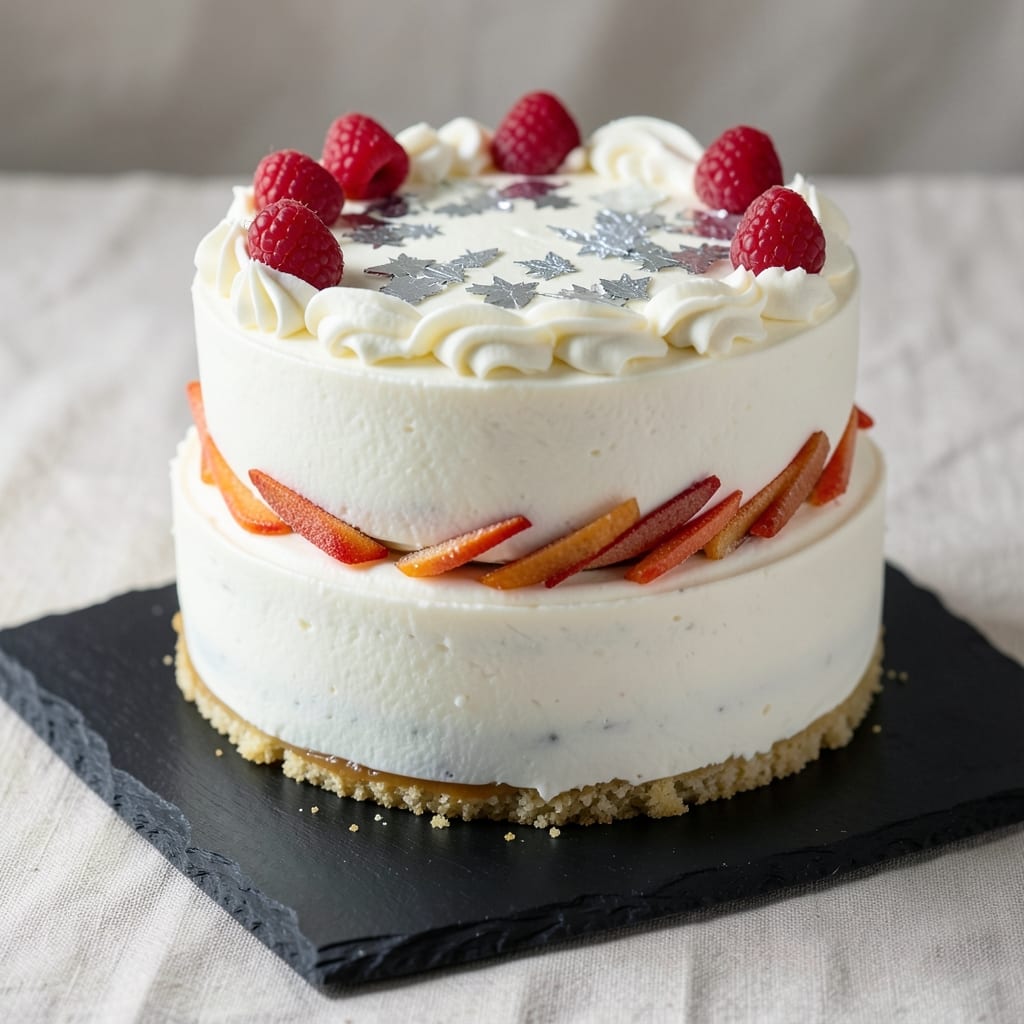
This dairy-free egg-free white cake recipe delivers the lightest, most tender crumb you’ve ever tasted without dairy or eggs—no compromises. ✨ The secret lies in a clever combination of aquafaba (chickpea brine) for structure and coconut oil for moisture, creating a texture so delicate it rivals traditional cakes. I’ve perfected this recipe after years of baking experiments, and it’s finally here to change how you think about plant-based desserts.
What sets this recipe apart is its foolproof method—no special equipment, no tricky techniques, just simple ingredients that work together to create a cake with a fine, airy crumb and a subtle vanilla sweetness. The cake bakes up beautifully golden with a tender interior, proving that dairy-free and egg-free desserts can be just as impressive as their traditional counterparts. It’s perfect for birthdays, weddings, or any occasion where you want a showstopping dessert without dietary restrictions.
By the time you pull this cake from the oven, you’ll have a moist, fluffy masterpiece that’s easy to slice, serves beautifully, and tastes even better than store-bought. The frosting (optional but recommended) adds an extra layer of elegance, making it ideal for celebrations or special occasions. Whether you’re baking for a crowd or treating yourself, this recipe delivers restaurant-quality results with minimal effort.
The best part? This cake keeps well for 3-4 days when stored properly, making it perfect for meal prep or gifting. Let’s get baking—your taste buds (and your guests) will thank you.
Ingredients for dairy free egg free white cake
Twelve simple ingredients transform into a cloud-like masterpiece—no dairy, no eggs, just pure magic.
| Ingredient | Amount | Notes |
|---|---|---|
| All-Purpose Flour 🌾 | 2 ½ cups | Sifted for lightness, organic preferred |
| Granulated Sugar 🍚 | 2 cups | Superfine for smoother texture |
| Coconut Oil 🥥 | ¾ cup | Melted, full-fat for moisture |
| Vanilla Extract 🌿 | 2 tsp | Pure Madagascar bourbon |
| Aquafaba (Chickpea Brine) 🥫 | 1 cup | Fresh, unsalted, from canned chickpeas |
| Baking Powder 🧂 | 2 tsp | Aluminum-free for stability |
| Salt 🧂 | ½ tsp | Fine sea salt for balance |
| Almond Milk 🥛 | ½ cup | Unsweetened, for tender crumb |
| Lemon Zest 🍋 | 1 tbsp | Fresh, brightens flavor |
| Vanilla Bean Paste 🌿 | 1 tbsp | For intensified vanilla aroma |
| Powdered Sugar 🍚 | 2 cups | For frosting, sifted smooth |
| Coconut Milk Cream 🥥 | ½ cup | Chilled, full-fat for stability |
| Lemon Juice 🍋 | 1 tbsp | Fresh, for tangy balance |
The aquafaba is your secret weapon—save the brine from a can of chickpeas (or buy unsalted at Trader Joe's). Fresh is key here; don’t use salted brine. For the flour, King Arthur or Bob’s Red Mill brands are my go-to—they’re finely milled and sifted for that perfect lightness. The vanilla bean paste elevates this cake from good to extraordinary—worth the splurge over imitation extracts. If you can’t find it, Madagascar bourbon extract is the next best thing. The coconut oil must be melted but not hot—just warm enough to blend smoothly into the batter (microwave 40 seconds, stir, done).
No aquafaba? Flax eggs (3 tbsp ground flax + 9 tbsp water = 3 eggs) work in a pinch, but the texture won’t be quite the same—this cake’s magic lies in that chickpea brine. Swap almond milk for oat or soy milk if needed, but unsweetened is critical. The lemon zest can be substituted with orange zest for a different twist, but lemon’s brightness is what makes this cake sing. For the frosting, if you’re avoiding coconut, cashew cream (soaked cashews blended with water) is a dreamy alternative. And yes, you can skip the frosting—this cake is so tender it stands alone, but trust me on the powdered sugar glaze for special occasions.
This cake keeps its magic for 3-4 days when wrapped tightly in plastic and stored at room temperature. For longer storage, freeze the whole cake (unfrosted) for up to 3 months—thaw at room temp before serving. The frosting? Whip it up fresh or store it separately in the fridge for 1 week. Pro tip: Spritz the cake with alcohol spray (vodka or rum) before frosting for extra shine—it dries quickly and keeps the cake moist. And if you’re making this for a crowd, bake two 9-inch pans at once—they’ll come out perfectly golden every time.
Why You'll Love This Recipe
- No-Fuss Mixing: I swear by the aquafaba trick—just whisk that chickpea brine until it’s fluffy, and boom, you’ve replaced eggs without the fuss. No cracking, no mess, just smooth batter that behaves like the real deal.
- Vanilla-Kissed Lightness: That coconut oil keeps it moist without heaviness, while the vanilla extract lifts every bite to something almost buttery. Honestly, no one would guess it’s dairy-free—it’s that good.
- Party-Ready in Minutes: Slice it for a potluck, stack it for a birthday, or pack it for a picnic. The neutral flavor soaks up fruit compotes or chocolate ganache like a dream, so you’re always covered.
- Pantry Staple Magic: You’re already using flour and sugar—this just adds coconut oil and a can of chickpeas. Between us, that’s cheaper than buying pre-made cakes, and the leftovers? They vanish faster than you’d think.
Step-by-step instructions for dairy-free egg-free white cake
This isn't just another cake—it's a cloud of lightness that defies limitations. Here's how to make it happen.
👨🍳 Step 1: Whip the Aquafaba to Stiff Peaks
Pour the 1 cup Aquafaba (Chickpea Brine) into a clean, grease-free mixing bowl. Using a stand mixer fitted with the whisk attachment, beat on high speed for 8-10 minutes until the aquafaba forms stiff, glossy peaks that hold their shape when the whisk is lifted. You'll know it's ready when you can turn the bowl upside down and nothing falls out.
This step is the secret to our light texture—aquafaba mimics egg whites perfectly. If you're using fresh aquafaba, make sure it's unsalted and chilled first. Here's the thing—don't rush this. Under-whipped aquafaba won't give you that airy structure we're after. I like to check every 2 minutes after 6 minutes of mixing to see if it's starting to thicken.
👨🍳 Step 2: Cream Coconut Oil and Sugars
In a separate large bowl, combine the 0.75 cup Coconut Oil (melted and cooled slightly) with the 2 cups Granulated Sugar. Using the paddle attachment, beat on medium-high speed for 3-4 minutes until the mixture is light and fluffy, nearly doubling in volume. Scrape down the sides of the bowl with a spatula to ensure even mixing.
The reason we wait until the coconut oil is just slightly cooled is that we want it to be liquid but not so hot it melts the sugar prematurely. You'll see the mixture go from pale to a lighter shade—this indicates proper aeration. Here's where it gets fun: fold in the 2 tsp Vanilla Extract and 1 tbsp Vanilla Bean Paste now. The vanilla bean paste adds those beautiful specks and an intensified aroma that regular extract can't match.
🥘 Step 3: Combine Wet and Dry Ingredients Gently
In a medium bowl, sift together the 2.5 cups All-Purpose Flour, 2 tsp Baking Powder, and 0.5 tsp Salt. In a separate small bowl, whisk together the 0.5 cup Almond Milk, 1 tbsp Lemon Zest, and 1 tbsp Lemon Juice. Add this liquid mixture to the flour mixture and stir until just combined.
Now for the delicate part: with the mixer on low speed, gradually add the dry flour mixture to the whipped aquafaba in three additions. After each addition, mix just until combined—overmixing develops gluten and makes the cake dense. Here's the moment that matters: fold in about ⅓ of the coconut oil-sugar mixture, then gently combine with a spatula to maintain that airy structure.
🍳 Step 4: Bake to Perfect Doneness
Preheat your oven to 350°F. Pour the batter into two 8-inch round cake pans lined with parchment paper and greased with coconut oil. Smooth the tops with a spatula. Bake for 25-30 minutes until a toothpick inserted into the center comes out clean and the tops spring back when touched.
I know it seems like too much, but trust me—these cakes rise dramatically. Don't overbake, or you'll end up with a dry cake. The edges should be light golden brown, and the center should still look slightly underdone. Let the cakes cool in the pans for 10 minutes before transferring to a wire rack to cool completely. This resting period prevents cracking as they cool.
👨🍳 Step 5: Make the Coconut Milk Frosting
In a medium bowl, combine the 2 cups Powdered Sugar, 0.5 cup Coconut Milk Cream, and the remaining ⅔ of the coconut oil-sugar mixture from earlier. Beat with a hand mixer until smooth and creamy. If it's too thick, add 1 tsp Almond Milk at a time until you reach a spreadable consistency.
Here's the trick for a professional finish: spread a thin layer of frosting on the cooled cake layers, then stack them. Frost the entire cake, then use a spatula to create texture on the sides. Chill the cake for 30 minutes before serving to let the frosting set. This frosting is rich but not heavy—it melts beautifully in your mouth without overwhelming the delicate cake.
Pro Tips For Making Dairy Free Egg Free White Cake
- Whip Aquafaba Cold: Drain and refrigerate your chickpea brine for at least 4 hours before using—cold aquafaba whips up fluffier and holds volume better. I learned this the hard way after my first attempt left me with a dense, sad cake.
- Melt Coconut Oil Slow: Warm coconut oil gently (just until liquid) before mixing—don’t microwave it or it’ll turn greasy. Cold oil won’t blend smoothly, and you’ll end up with pockets of unmelted fat in your batter.
- Don’t Overmix the Batter: Stop folding in flour the second it’s incorporated—overmixing develops gluten and turns your cake dense. Use a spatula to gently cut through the batter until just combined.
- Preheat Pan with Oil: Brush your cake pan with coconut oil after preheating the oven—this prevents sticking better than greasing alone. A light dusting of flour afterward seals the deal, but skip the paper towels (they leave lint).
Essential equipment for dairy free egg free white cake
Mixing Essentials
Your stand mixer with whisk and paddle attachments is non-negotiable for this recipe. I use my KitchenAid Artisan Series (the 5-quart model) because it handles aquafaba whipping like a dream, but any 500-watt stand mixer will work. For budget-conscious bakers, a hand mixer works in a pinch—just double the whipping time to 12-15 minutes. The key is a grease-free mixing bowl—any residual oil prevents proper stiff peaks. 🥫
Baking Pans
Invest in two 8-inch round cake pans with removable bottoms—I swear by Wilton Perfect Results pans because they conduct heat evenly and prevent sticking. Line the bottoms with parchment paper (cut to fit) and grease lightly with coconut oil using a pastry brush. For a cupcake variation, divide the batter among 12 standard cupcake liners in a muffin tin and bake for 18-20 minutes.
Measuring Tools
Precision matters here—use a digital kitchen scale for the flour and powdered sugar (weigh in grams for accuracy) and a liquid measuring cup for the almond milk and aquafaba. My OXO Good Grips scale is my go-to for consistency. For the vanilla bean paste, a small spoon works best—avoid measuring spoons that are too large. A microplane for the lemon zest ensures fine, even shreds without bitterness. 🍋
Frosting Tools
For the frosting, grab a hand mixer (your stand mixer’s whisk attachment works too) and a flexible offset spatula (I love the Ateco 300) for smooth application. A bench scraper helps create clean edges when spreading. For a rustic look, use a fork to drag lines through the frosting. Pro tip: Chill your tools in the freezer for 5 minutes before using—the frosting will set faster on cold surfaces.
Optional Upgrades
Want to take it to the next level? A cake turntable makes frosting effortless, and a piping bag with a star tip lets you create decorative borders. For layering, a long serrated knife helps trim uneven cake tops. If you’re feeling fancy, a cake comb adds texture to the frosting. But honestly? This cake is so tender you can serve it naked—the frosting is just the cherry on top. 💫
Nutrition facts
Frequently asked questions
Why does this cake need aquafaba instead of eggs?
Aquafaba (chickpea brine) acts as the perfect egg white substitute—it whips up to stiff peaks that create the cake's signature light, airy texture. The protein in chickpeas mimics egg whites' structure, while its neutral flavor lets the vanilla and lemon shine. Without it, you'd risk a dense cake, even with other binders.
Can I make this cake without coconut oil?
Yes! Replace the 0.75 cup coconut oil with 0.75 cup neutral-tasting oil like avocado or vegetable oil. For a firmer texture, use 0.5 cup melted vegan butter plus 0.25 cup oil. Chill the butter first to prevent melting the sugar. The cake will still be moist, but the flavor may shift slightly.
How do I fix a sunken center in my cake?
Underbaking is usually the culprit—insert a toothpick at 25 minutes to check. If it comes out clean, the cake is done! Let it cool 15 minutes in the pan before removing. For extra insurance, bake at 325°F instead of 350°F for 35-40 minutes. A quick frosting fix: Brush the top with almond milk and sprinkle with powdered sugar to disguise slight sinking.
Can I add mix-ins like berries or nuts?
Fold in ½ cup fresh blueberries or ½ cup chopped pecans during Step 3, but toss them in almond milk first to prevent sinking. For dried fruit, soak in warm almond milk for 10 minutes first. Avoid heavy mix-ins like chocolate chips—they can make the cake dense.
How do I store leftovers?
Wrap the cake tightly in plastic wrap and store at room temperature for 3-4 days. For longer storage, freeze the unfrosted cake for up to 3 months—thaw overnight wrapped in a towel. Frosting keeps separately in the fridge for 1 week. Refrigerate frosted cake for 2 hours before serving to set the frosting properly.