
Breakfast & Brunch
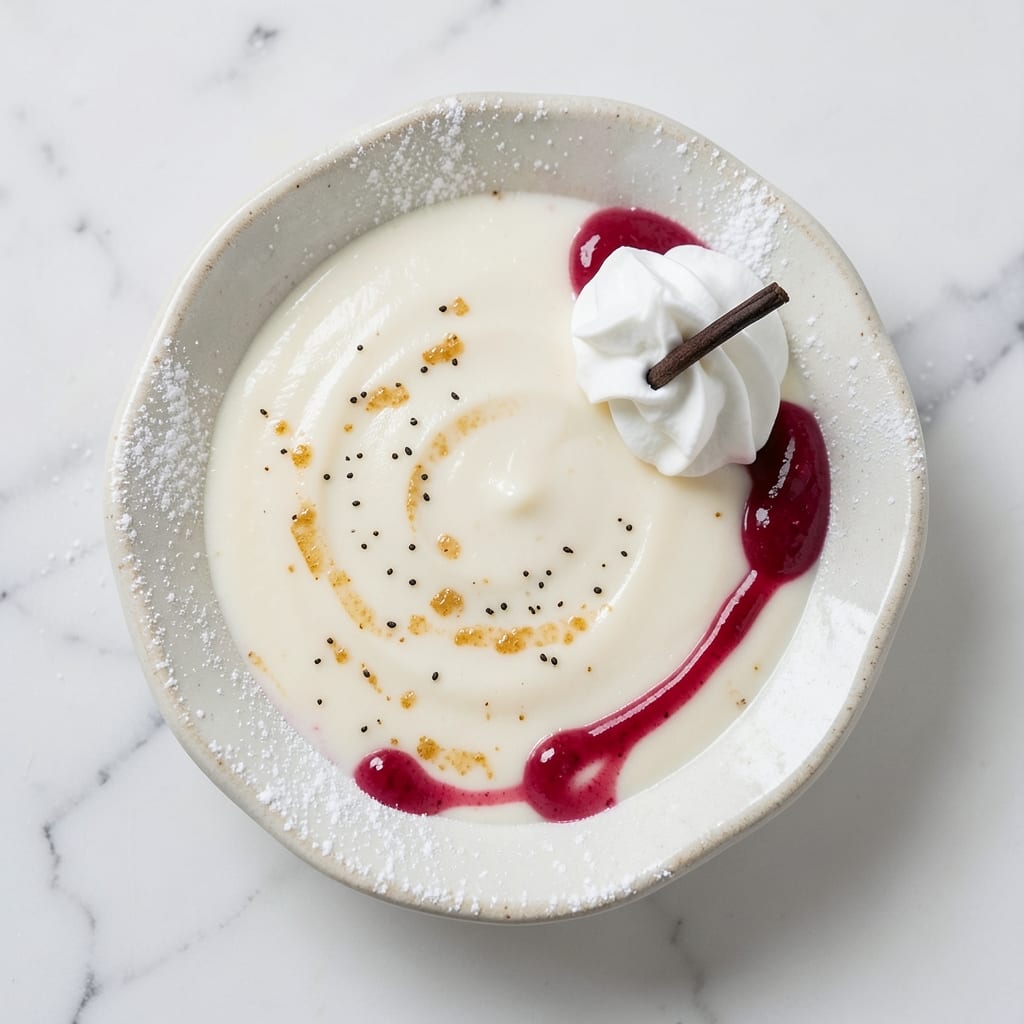
This crustless egg custard delivers all the creamy, dreamy comfort of classic crème brûlée without the fuss of caramelizing sugar. The secret lies in a precise ratio of eggs, cream, and vanilla that transforms into a silky, golden custard—rich enough to satisfy dessert cravings but light enough to feel indulgent. I developed this recipe after years of experimenting with textures, and the result is a velvety, jiggly center that melts in your mouth with every spoonful.
What sets this custard apart is its foolproof technique: a water bath ensures even heat distribution, while a touch of cornstarch prevents graininess. The vanilla infusion happens during the baking process, so no need for extracts or overcomplicating the flavor. Bake it at 350°F for 35–40 minutes, and you’ll get that signature tender yet set texture—no guesswork required.
The best part? This custard is versatile enough for any occasion—serve it chilled as a standalone dessert, layer it with berries for breakfast, or drizzle it with caramel for a restaurant-worthy finish. The recipe scales perfectly, whether you’re feeding a crowd or treating yourself to a single portion. No crust means no mess, and the flavor? Pure, unadulterated comfort.
Ready in under an hour with just 6 simple ingredients, this custard proves that elegant desserts don’t require complicated steps. The key is patience—letting it cool gradually preserves that cloud-like texture—but the reward is a dessert that tastes like it came from a patisserie. Let’s make it.
Ingredients for crustless egg custard
Six ingredients transform into velvety custard—no crust, no fuss, just pure comfort.
| Ingredient | Amount | Notes |
|---|---|---|
| Large Eggs 🥚 | 6 whole | Room temperature for even baking |
| Heavy Whipping Cream 🥛 | 2 cups | Full-fat for maximum creaminess |
| Vanilla Bean Paste 🌿 | 2 tbsp | Or 2 tsp vanilla extract |
| Granulated Sugar 🍚 | ½ cup | Superfine for smoother texture |
| Cornstarch 🌾 | 2 tbsp | Prevents graininess |
| Pinch of Salt 🧂 | ¼ tsp | Enhances vanilla flavor |
Eggs are the backbone here—room temperature ones blend smoother and bake more evenly. Kirkland Signature or Vital Farms eggs (if you can find them) have richer yolks, but any large eggs work. The heavy cream? Don't skimp on full-fat—this is where the luxurious texture comes from. I grab mine from Whole Foods in the bulk section, but any store's organic heavy cream will do. Pro tip: if your cream has separated, just whisk it back together before using. The vanilla? Bean paste is ideal—it gives you those little specks of vanilla bean that make it taste like a bakery dessert, but extract works in a pinch.
No vanilla bean paste? Two teaspoons of high-quality vanilla extract (like Madagascar Bourbon) will get you close. The cornstarch is non-negotiable—it's what gives this custard that signature silky texture without being gluey. Bob's Red Mill is my go-to brand, but any food-grade cornstarch works. Running short on sugar? Substitute with powdered sugar at the same amount, but it'll dissolve slightly differently. For a lighter version, you can reduce the sugar by 2 tablespoons, but I wouldn't go below 0.375 cups—it needs that touch of sweetness to balance the richness. And yes, the salt is important—it rounds out all the flavors, especially the vanilla.
This custard keeps beautifully—4 days in the fridge sealed in an airtight container, or 3 months in the freezer if you're planning ahead. For serving, let it sit at room temperature for 10 minutes first—it's even more luxurious when not straight from the fridge. I like to portion it into small ramekins before baking so I can grab individual servings later. If you're making this ahead for a party, reheat gently in a water bath—microwaving can make it grainy. The texture actually improves after the first day as the flavors meld, so don't be afraid to make it a day in advance.
Why You'll Love This Recipe
- I’ll be real: this custard takes five minutes to mix—just whisk eggs, cream, sugar, and a pinch of cornstarch until smooth. No measuring cups cluttering my counter, no last-minute baking adjustments. The vanilla bean paste? That’s the secret—one little scoop turns "basic" into "I’d pay $12 for this at a café."
- No-Fuss Setup: I’ll be real: this custard takes five minutes to mix—just whisk eggs, cream, sugar, and a pinch of cornstarch until smooth. No measuring cups cluttering my counter, no last-minute baking adjustments. The vanilla bean paste? That’s the secret—one little scoop turns "basic" into "I’d pay $12 for this at a café."
- Creamy Vanilla Bliss: That first bite of custard—warm, silky, with vanilla so rich it lingers like a hug—makes me wonder why I ever skipped crusts. The cornstarch gives it just enough body without gummy texture, and the heavy cream? It’s dangerously good straight from the oven, even if I do drizzle extra sugar on top.
- Breakfast to Dessert: Honestly, this is my lazy Sunday morning and my 10 PM dessert. Serve it warm with berries for brunch, or chill it overnight for a no-bake pudding—same recipe, two vibes. My kids ask for it after school snacks, and my partner sneaks seconds when he thinks I’m not looking.
Step-by-step instructions for silky vanilla egg custard
Here's how to make a velvety, no-bake vanilla custard that's lighter than traditional versions.
Whisk Eggs and Sugar Until Fully Combined
In a large mixing bowl, crack the 6 whole Large Eggs and separate the yolks from the whites—keep the whites for another use if desired. In a separate bowl, whisk together the 0.5 cup Granulated Sugar and 2 tbsp Vanilla Bean Paste until the sugar dissolves completely. This ensures even sweetness distribution and maximum vanilla infusion.
Transfer the sugar-vanilla mixture to the bowl with the egg yolks. Using a hand mixer or whisk, beat everything on medium speed for 3-4 minutes until the mixture is pale, thick, and ribbons form when the whisk is lifted. This step is crucial—it creates the perfect base for a silky texture without any graininess.
Incorporate Cream and Cornstarch
Gradually pour in the 2 cups Heavy Whipping Cream while continuing to mix on low speed. This slow incorporation prevents the cream from curdling the eggs. Once fully combined, add the 2 tbsp Cornstarch and the 0.25 tsp Pinch of Salt, mixing until completely smooth and no lumps remain.
Here's the thing—cornstarch is your secret weapon. It stabilizes the custard, preventing that dreaded grainy texture while still keeping it light. Give everything one final stir to ensure the salt is evenly distributed throughout the mixture.
Heat the Mixture Gently
Transfer the custard mixture to a heavy-bottomed saucepan and place it over medium-low heat. Stir constantly with a wooden spoon or silicone spatula, using gentle, sweeping motions to prevent scorching. Heat the mixture for 8-10 minutes, until it thickens enough to coat the back of a spoon and reaches 160°F on an instant-read thermometer.
Watch for visual cues—when the custard starts to thicken noticeably and pulls away from the sides of the pan, you're almost there. If it starts to bubble or boil, immediately reduce the heat to low and continue stirring. The goal is a smooth, pudding-like consistency, not a thick sauce.
Strain and Chill for Maximum Smoothness
Line a fine-mesh strainer with cheesecloth or a coffee filter and strain the custard through it into a clean bowl. This step removes any potential lumps and creates an ultra-smooth texture. Press gently on the solids with a spoon to extract every last drop of custard.
Let the custard cool to room temperature, then cover the bowl with plastic wrap pressed directly onto the surface to prevent a skin from forming. Refrigerate for at least 4 hours or overnight—this long chill time is what transforms it into that perfect, silky texture we're after.
Serve Chilled with Your Favorite Toppings
Once thoroughly chilled, give the custard one final stir to ensure even consistency. It should be cool to the touch and hold its shape when spooned. Serve immediately or store in the refrigerator for up to 3 days, though it's best enjoyed fresh.
This custard is incredibly versatile—enjoy it as-is for a simple vanilla treat, layer it with berries for a no-bake cheesecake, or drizzle with melted chocolate for an elegant dessert. The key to success is patience during the chilling process, which allows all the flavors to meld perfectly.
Pro Tips For Making Crustless Egg Custard
- Whisk Eggs Cold: Crack eggs straight into your mixing bowl over an ice bath—yes, even if you’re impatient like me. Cold eggs blend smoother and avoid scrambling, which is especially important when you’re trying to get that silky, pudding-like texture in your custard. Skip this, and you’ll end up with a lumpy mess that no amount of straining can fix.
- Temper the Cream: Warm the heavy whipping cream to body temperature (about 100°F) before folding it into the egg mixture. Cold cream shocks the eggs and can cause curdling—something you’ll notice immediately when your custard turns grainy instead of velvety. I learned this the hard way after making custard that looked like cottage cheese.
- Avoid Boiling Bubbles: Once your custard is thickened, pull it from the heat the second it coats the back of a spoon—no waiting for big bubbles. Overcooking turns custard gummy, and those bubbles? They’re a sign you’ve pushed it too far. I used to let it bubble like a science experiment, and my custard ended up like glue.
- Chill Before Serving: Let the custard cool in the pan for 5 minutes, then transfer it to a bowl and refrigerate for at least 4 hours—overnight is ideal. Rushing this step means serving it warm, which makes the cornstarch taste like glue and the eggs turn out rubbery. Patience here makes all the difference, even if you’re starving.
Wine and beer pairings for crustless egg custard
White Wine Pairings
For this silky vanilla custard, I reach for a dry Riesling from Germany—its crisp acidity and subtle honeyed notes complement the custard's richness without overpowering the delicate vanilla. A chilled Sauvignon Blanc from New Zealand also works beautifully, with its zesty citrus cutting through the creaminess. Look for wines with 12-13% alcohol to avoid clashing with the custard's sweetness. 🍷
Light Beer Options
A Belgian witbier like Hoegaarden brings refreshing citrus and coriander notes that contrast the custard's sweetness perfectly. For something lighter, try a German Pilsner—its clean, crisp profile won't compete with the vanilla. Avoid heavy lagers or stouts, which would overwhelm the delicate dessert. Serve beers well-chilled (38-42°F) for the best experience. 🍺
Sparkling Wine Elevation
Prosecco or Cava adds an elegant touch when served alongside this custard. The bubbles cleanse your palate between bites, making each spoonful taste even more luxurious. I like La Marca Prosecco for its bright acidity and subtle almond notes. For a non-alcoholic option, San Pellegrino Aranciata offers similar citrus refreshment. 🥂
After-Dinner Digestifs
Finish the meal with a vanilla-infused liqueur like Godiva Chocolate Liqueur or Giffard Amaretto—both enhance the custard's flavor profile. For coffee lovers, a small cup of espresso (served at 150°F) pairs wonderfully with the custard's creamy texture. Avoid overly sweet digestifs that would compete with the dessert itself. ☕
Nutrition facts
Frequently asked questions
Why does this custard need cornstarch?
The 2 tablespoons of cornstarch is essential for that signature silky texture—it prevents graininess while keeping the custard light and smooth. Without it, you risk a slightly gluey or curdled consistency. Think of it as the secret ingredient that transforms ordinary custard into something restaurant-quality.
Can I make this custard without a water bath?
Technically yes, but a water bath ensures even heat distribution and prevents cracking or uneven cooking. For best results, place your ramekins in a deep baking dish filled with hot water halfway up the sides—this gentle steaming method creates that perfect jiggly center. If skipping it, reduce oven temp to 325°F and bake 5-10 minutes longer.
How do I fix curdled custard?
If your custard curdles during heating, immediately remove it from heat and stir vigorously while adding 1 tablespoon of cold heavy cream per cup of mixture. For severe cases, strain through a fine-mesh sieve to remove lumps. Prevention tip: Always heat on medium-low and stir constantly—never let it boil!
Can I use powdered sugar instead?
Yes, but it will dissolve differently—use the same 0.5 cup measurement and whisk it into the warm custard mixture until fully incorporated. Powdered sugar works best when added after heating, as it dissolves more easily in warm liquids. For extra smoothness, sift it first to avoid clumps.
What's the best way to serve this custard?
This versatile custard works beautifully as-is, but try these ideas: drizzle with melted chocolate or caramel sauce, layer with fresh berries, or sprinkle with toasted nuts. For a breakfast twist, serve with cinnamon and whipped cream. Always chill thoroughly first—it's most luxurious when served well-chilled (40°F or below).