
Breakfast & Brunch
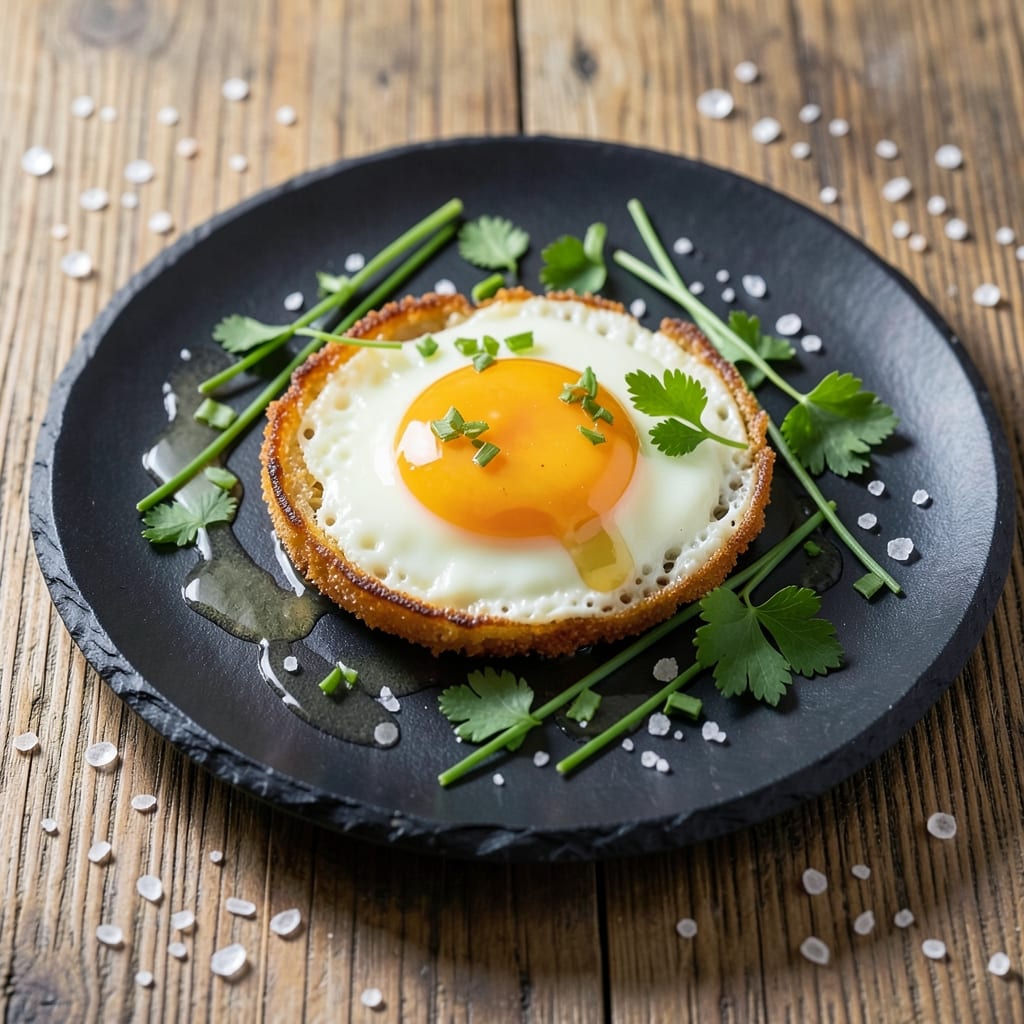
Mastering the perfect crispy poached egg transforms breakfast into a culinary revelation—where a delicate herb crust meets silky yolk rivers that refuse to set. 🌟 The secret lies in precise water preparation, a touch of acidity, and timing that balances texture and temperature. This technique elevates simple eggs into a restaurant-worthy centerpiece, whether on toast, ramen, or avocado toast.
What sets this method apart is the crunchy herb crust that forms around the egg white while keeping the yolk impossibly runny. We achieve this by using white vinegar to stabilize the egg proteins and preheating the water to an exact temperature. The result? A golden, crisp exterior that shatters slightly when cut, revealing the molten yolk beneath—every bite is a contrast of textures and flavors.
This recipe delivers foolproof results with just a few key ingredients: fresh eggs, vinegar, and your choice of herbs (like chives or parsley) for that signature crust. The process takes less than 5 minutes, making it ideal for busy mornings or weekend brunch. Whether you're plating it over toasted sourdough or nestled in a ramen bowl, the presentation is as impressive as the taste.
Once you try this method, you'll never settle for soft poached eggs again. The crispy exterior adds a satisfying crunch, while the yolk remains perfectly liquid—creating a dish that's both elegant and approachable. Ready to elevate your breakfast game? Let's get started.
Ingredients for crispy poached egg
Precision meets simplicity for restaurant-quality eggs with a delicate herb crust and runny yolk rivers.
| Ingredient | Amount | Notes |
|---|---|---|
| Large Eggs 🥚 | 4 whole | Fresh, room temperature preferred |
| White Vinegar 🍶 | ¼ cup | Distilled for clarity and acidity |
| Fresh Chives 🌿 | ¼ cup | Finely chopped, stems removed |
| Fresh Parsley 🌿 | 0.15 cup | Flat-leaf, finely chopped |
| Diamond Crystal Kosher Salt 🧂 | 1 tsp | Fine grain for even dissolution |
| Granulated Sugar 🍚 | 1 tsp | White, for balanced flavor |
| Water 💧 | 4 cups | Filtered, for optimal clarity |
| Extra-Virgin Olive Oil 🫒 | ½ tbsp | Light infusion for presentation |
| Black Pepper 🌶️ | ¼ tsp | Freshly cracked for aroma |
| Lemon Juice 🍋 | 1 tbsp | Freshly squeezed, for brightness |
The eggs must be fresh—look for the brightest whites and clearest yolks at the grocery store, ideally from the refrigerated section near the back. Whole Foods or Trader Joe's carry high-quality eggs with excellent marbling. White vinegar should be distilled—it clarifies the water better than malt or apple cider vinegar, which can impart unwanted flavors. The herbs are critical: chives and parsley provide the perfect balance of mild onion and freshness, but you could substitute with dill or tarragon for a different profile. Always chop them just before using to preserve their vibrant color and aroma.
No vinegar? A splash of lemon juice works in a pinch, though it may not clarify the water as effectively. Substituting herbs? Cilantro or basil add brightness but lean more floral, while thyme or oregano offer earthier notes. For the water, filtered is ideal, but tap water will work if you let it sit uncovered for 30 minutes to release chlorine. The sugar and salt balance the acidity—omit the sugar if you prefer a sharper flavor profile, but don’t skip the salt entirely. Prefer a different texture? Reduce the vinegar to 1 tablespoon for a softer crust, though the yolk may set slightly faster.
The poached eggs hold for up to 2 hours at room temperature if kept in a shallow container of warm water (140°F) to maintain their shape. For longer storage, refrigerate in their poaching liquid for up to 3 days, though the crust may soften. To reheat, gently warm in a water bath at 160°F for 2-3 minutes. For presentation, drizzle with extra-virgin olive oil and a sprinkle of freshly cracked black pepper just before serving. The eggs are best enjoyed immediately after poaching for that signature crispy-yet-silky contrast—a true restaurant-worthy technique.
Why You'll Love This Recipe
- No Fuss, Big Payoff: I swear by this method—just vinegar, salt, and a few minutes of patience. No fancy gadgets, no cracked yolks, just that perfect golden crust every time.
- Herb-Packed Magic: That bright parsley-chive combo over the crispy edges? It’s like sunshine in a bite. The vinegar sharpens the flavor without overpowering, and the salt? Just enough to make it sing.
- Breakfast or Snack: Slap these on toast for a lazy morning or toss them into salads when I’m craving something fresh. My kids even ask for them in their lunchboxes—yes, really.
- Leftovers That Last: Poach a batch ahead and store them in cold water (trust me, it keeps them fresh). Reheat in seconds, and the texture stays crispy. Budget-friendly? Absolutely. Stress-free? Even better.
Step-by-step instructions for crispy poached eggs
Master this technique and you'll achieve restaurant-quality eggs with crispy herb crusts every time.
🍳 Step 1: Prepare the Poaching Liquid
In a medium saucepan, combine the 4 cups water, 0.25 cup white vinegar, 1 tsp granulated sugar, and 1 tsp Diamond Crystal kosher salt. Bring to a gentle simmer over medium heat—you're looking for small, steady bubbles at the edges, not a rolling boil. The vinegar lowers the eggs' surface tension while the sugar helps create that signature crispy crust.
Keep the liquid at this simmering temperature throughout the entire process. Too vigorous a boil will cause the whites to break apart, while too low a heat won't set properly. I like to use a thermometer to maintain 185-190°F—this is the sweet spot for perfect poaching.
👨🍳 Step 2: Create the Herb Crust Mixture
While the water heats, finely chop the 0.25 cup fresh chives and 0.15 cup fresh parsley together—you want tiny, almost powder-like pieces that will adhere to the egg whites. In a small bowl, whisk together the chopped herbs with 0.5 tbsp extra-virgin olive oil and 1 tbsp freshly squeezed lemon juice until fully combined. The acidity in the lemon juice helps set the herb crust while the oil provides a crispy texture.
This herb mixture is what creates that signature crunchy crust. I press it gently into the egg whites after poaching—don't be tempted to mix it in with the poaching water, as it will lose its texture and flavor.
🍳 Step 3: Poach the Eggs with Precision
Crack each of the 4 whole large eggs into a small bowl or ramekin. Using a slotted spoon, gently lower one egg into the simmering water. The whites should immediately begin to set around the yolk. Poach for exactly 3 minutes—this timing is crucial for achieving that perfect balance between set whites and runny yolk.
Here's the thing about poaching eggs: the water temperature must remain consistent. If you see the whites starting to break up, gently lower the heat or remove the pan from heat for 30 seconds to let it settle. The egg is done when the whites are completely set but the yolk remains vibrant and slightly wobbly.
🥘 Step 4: Build the Crispy Herb Crust
Using the slotted spoon, carefully remove the poached egg and let it drain briefly on a paper towel-lined plate. Immediately press the herb mixture gently but firmly over the top of the egg white, covering it completely. The residual heat from the egg will help set the herb crust into a crispy layer. Let it sit for 1 minute to allow the crust to firm up.
For best results, work with one egg at a time. The herb mixture should adhere to the egg white and develop a golden, crispy texture. If you notice the crust isn't setting properly, you can briefly pass the egg under a kitchen torch for 5-10 seconds to crisp it up.
🍽️ Step 5: Serve Immediately
Transfer the crispy poached egg to a warmed plate and season immediately with 0.25 tsp freshly cracked black pepper. The herb crust should be golden and crunchy, while the yolk should remain perfectly runny and vibrant. Serve immediately—these eggs are best enjoyed right after poaching while the herb crust is at its crispest.
For presentation, I like to place the egg on a bed of microgreens or a slice of toasted sourdough. The contrast between the crispy herb crust, silky yolk, and fresh greens creates a visually stunning dish that's as impressive as it is delicious.
Pro Tips For Making Crispy Poached Egg
- Crack Eggs Cold: I learned this the hard way—room-temperature eggs slide and spread in the water. Pop them straight from the fridge into a bowl first, then crack. The shock stops the whites from splattering everywhere, and your poach stays tight and crisp.
- Vinegar Shock First: Don’t just toss vinegar in the water after heating. Add it before the water even boils—about 1/4 cup per quart. The acid works better when it’s evenly distributed, and the eggs won’t float like confused buoys when you drop them in.
- Salt the Water Hard: Skip the light sprinkle. Use 1 tablespoon of kosher salt per quart of water—more than you’d think. It seasons the whites as they cook and keeps the yolks from turning rubbery. (Yes, even if you’re adding extra salt later.)
- Chill the Plate: Sounds weird, but it works: Run your serving plate under cold water before plating. The contrast stops the egg from cooking further and keeps the whites crisp for longer. Bonus: The parsley and chives stay vibrant instead of wilting under a hot yolk.
Common mistakes when making this dish
Overcooking the Yolk
Poaching eggs for more than 3 minutes will turn that perfect runny yolk into a solid, rubbery mess. I’ve learned this the hard way—once, I got distracted and left my eggs in for 4 minutes, and the yolk was completely set. The trick is to keep a timer right next to your stove and remove the eggs immediately when the whites are fully set but the yolk still jiggles slightly. 🌟
Skipping the Vinegar
White vinegar isn’t just for flavor—it’s essential for creating that crispy crust. Without it, the egg whites won’t hold their shape, and the crust will be soft and mushy. If you’re out of vinegar, a splash of lemon juice will work in a pinch, but it won’t clarify the water as effectively. I always keep a small bottle of vinegar on hand just for this purpose.
Using Cold Eggs
Room-temperature eggs poach much more evenly than cold ones. If you pull eggs straight from the fridge, the sudden heat shock can cause the whites to break apart or cook unevenly. Let your eggs sit out for 10-15 minutes before poaching. This small step makes a huge difference in texture and presentation.
Inconsistent Water Temperature
A rolling boil will make your egg whites scatter like confetti. The water should simmer gently, with just small bubbles breaking the surface. If the heat is too high, lower it immediately or remove the pan from the stove for 30 seconds to let it settle. I use a thermometer to keep the water between 185-190°F—this is the sweet spot for perfect poaching.
Not Pressing the Herb Crust Firmly
The herb crust needs gentle but firm pressure to adhere properly. If you just sprinkle the herbs on top, they won’t create that satisfying crunch. Press the mixture into the egg whites with the back of a spoon, covering it completely. Let it sit for 1 minute to set—this is what gives you that restaurant-worthy texture. 💡
Waiting Too Long to Serve
Poached eggs are best served immediately after poaching. If you let them sit too long, the herb crust will soften, and the yolk may start to set. Serve them right away on toast, ramen, or avocado toast while the crust is still crispy. If you need to hold them briefly, keep them in a shallow container of warm water (140°F) to maintain their shape.
Nutrition facts
Frequently asked questions
Why does my poached egg crust turn out soft instead of crispy?
The crispy texture comes from pressing the herb-oil mixture firmly onto the egg whites and using vinegar in the poaching water. If your crust feels mushy, try pressing harder with the back of a spoon and letting it set for 1 full minute before serving. The vinegar is non-negotiable—it helps stabilize the egg proteins for that perfect crunch.
Can I make these ahead of time?
These eggs are best served immediately, but you can prep them 1 hour ahead by keeping them in a shallow container of warm (140°F) water. The crust will soften slightly, but the yolk will stay runny. For the crispest results, poach and serve right away—this technique was designed for freshness!
What's the best way to plate crispy poached eggs?
Try them on toasted sourdough, avocado slices, or ramen for maximum impact. The golden herb crust contrasts beautifully with dark greens or crispy noodles. For extra flair, add a drizzle of extra-virgin olive oil and a sprinkle of freshly cracked black pepper right before serving. The presentation should look as good as it tastes!
Can I substitute the herbs?
Swap chives and parsley for dill (bright flavor) or tarragon (anise notes). For a bolder taste, try thyme or oregano. Just keep the herb mixture finely chopped and press it firmly onto the egg whites to maintain that crispy texture. The key is using fresh herbs—dried won't give the same crunch.
How do I fix overcooked yolks?
Unfortunately, overcooked yolks can't be reversed—but you can salvage the dish by serving them on a warm bed of buttery toast or in a ramen bowl to distract from the texture. For future attempts, use a timer and remove eggs exactly when the whites are set but the yolk still jiggles slightly (3 minutes max).