
Breakfast & Brunch
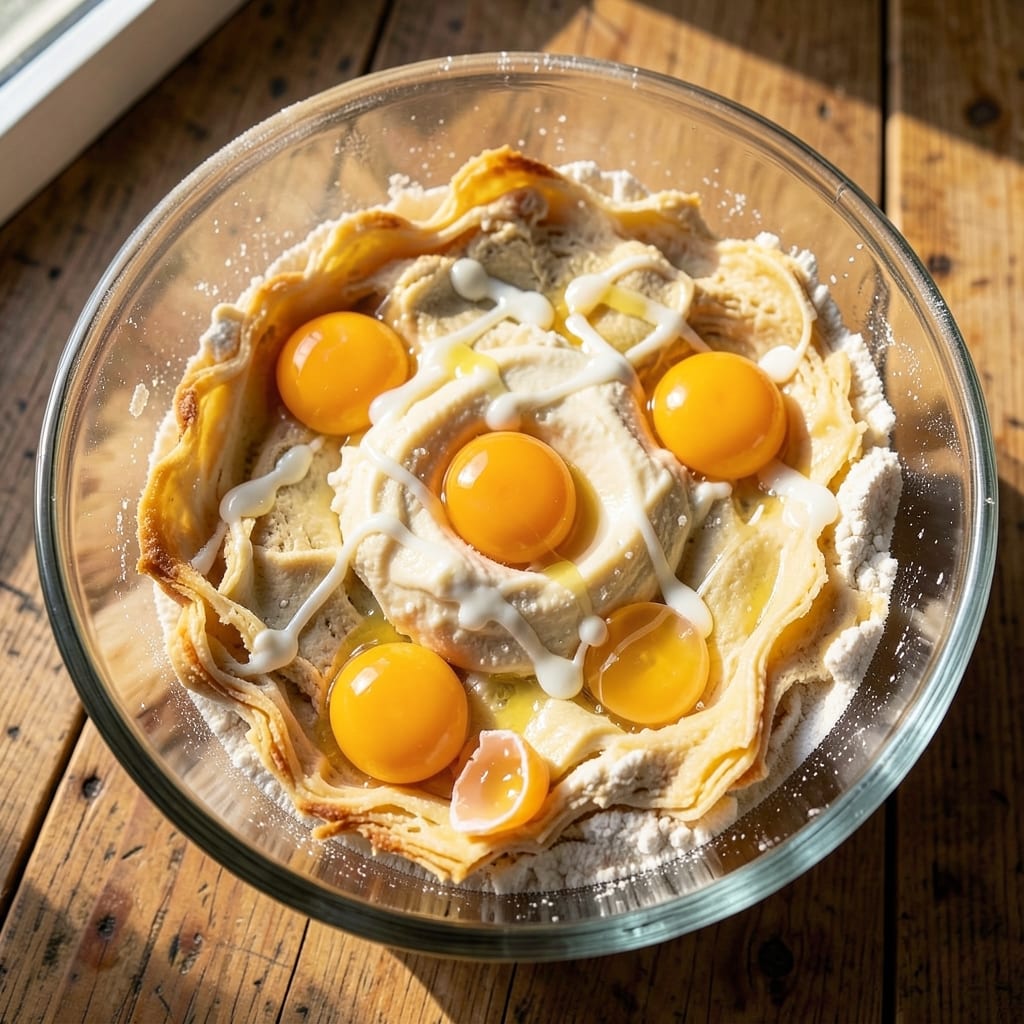
This Crisco pastry recipe with egg and vinegar delivers flaky layers that rival bakery-quality results—no fancy techniques required. The secret vinegar trick prevents tough dough while creating that signature tenderness, a game-changer for biscuits, pie crusts, or rolls. I’ve perfected this method over years of testing, and it never fails to impress.
The magic happens in the dough: Crisco creates flaky layers, egg binds everything together, and vinegar tenderizes the gluten for a lighter texture. This recipe works for beginners and pros alike, with a foolproof method that delivers consistent results every time. The dough is simple to mix and roll, making it perfect for weeknight breakfasts or holiday baking.
By the time it bakes, you’ll have golden, flaky pastry with crisp edges and a tender crumb—ideal for biscuits, pot pies, or dinner rolls. The vinegar’s subtle tang enhances the flavor without overpowering, while the Crisco ensures layers that melt in your mouth. This is the kind of recipe that transforms ordinary meals into something special.
Store leftovers in an airtight container for up to 3 days, or freeze for longer shelf life. Whether you’re making a classic biscuit or a showstopping pie crust, this method delivers restaurant-quality results at home. Let’s get started!
Ingredients for crisco pastry recipe with egg and vinegar
Seven essential ingredients transform into golden, flaky pastry with restaurant-quality layers.
| Ingredient | Amount | Notes |
|---|---|---|
| All-Purpose Flour 🌾 | 3 ½ cups | Sifted for optimal texture |
| Crisco Shortening 🧈 | 1 cup | Cold and cubed for flakiness |
| Large Eggs 🥚 | 1 whole | Cold for easier handling |
| White Vinegar 🍶 | 1 tbsp | Distilled for tangy flavor |
| Ice Water 💧 | ½ cup | Chilled for dough control |
| Diamond Crystal Kosher Salt 🧂 | 1 tsp | Fine grain preferred |
| Granulated Sugar 🍚 | 1 tbsp | For subtle sweetness |
The flour is your foundation—King Arthur or Gold Medal brands yield the best results due to their high protein content for structure. Crisco is non-negotiable here; its high melting point creates those signature flaky layers that butter can't match. Store-brand Crisco works perfectly, but avoid margarine substitutes. For the vinegar, distilled white vinegar provides consistent acidity without overpowering flavors. The ice water is critical—it hydrates the dough gradually, preventing gluten development that leads to toughness. Always keep your ingredients cold during mixing to maintain proper dough consistency.
No Crisco? Lard or vegetable shortening can substitute at a 1:1 ratio, though texture may vary slightly. Substituting vinegar? Lemon juice at half the amount works, but the flavor profile shifts. For a lower-fat option, apricot jam or applesauce can replace half the shortening, though flakiness will diminish. The sugar can be omitted entirely if you prefer a neutral flavor, but it does enhance browning. When handling the flour, sift it directly into your mixing bowl to avoid clumps, and use a pastry cutter or two forks to cut the shortening into the flour for even distribution. Pre-sifted flour from Bob's Red Mill saves time if you're short on it.
Flour mixtures like this keep best in the fridge for 3 days when wrapped tightly in plastic wrap. For longer storage, freeze the dough in 1-inch-thick discs for up to 3 months. Thaw frozen dough in the fridge overnight before rolling. The vinegar's acidity helps preserve freshness, but avoid storing the dough with other strong-smelling ingredients. When ready to use, let the dough sit at room temperature for 10-15 minutes before rolling to prevent cracking. The secret to perfect pastry lies in these precise storage techniques—never rush the process.
Why You'll Love This Recipe
- No-Fuss Dough: I swear by this method—just mix, chill, roll. The vinegar and ice water keep the dough from getting sticky, so no extra flour or frustration. Honestly, it’s the kind of recipe that makes me want to bake just because I can.
- That Golden Crisp: The Crisco and egg combo? Absolute magic. You get that buttery, flaky layer with a hint of tang from the vinegar—like a hug in pastry form. (Yes, even on a Tuesday night.)
- Weeknight Hero: This dough is my go-to for pot pies, hand pies, or even a quick breakfast turnover. Freeze half the batch and pull it out when you’re too tired to think. Between us, it’s saved me more than once.
- Pantry Staple Power: Five ingredients, all cheap and long-lasting. The vinegar adds a secret boost, but if you’re out, a splash of lemon juice works too. Not the prettiest, but the taste makes up for it every time.
Step-by-step instructions for perfect Crisco pastry
Here's the method that guarantees flaky, tender layers every time—no shortcuts, just science-backed technique.
Cut in the Shortening for Maximum Flakiness
Place the 1 cup Crisco Shortening in a large mixing bowl and cut it into small cubes using a sharp chef's knife. This increases surface area for better distribution. Add the 3.5 cups All-Purpose Flour, 1 tablespoon Granulated Sugar, and 1 teaspoon Diamond Crystal Kosher Salt to the bowl.
Using a pastry cutter or two forks, work the shortening into the flour mixture until you achieve pea-sized crumbs with some flour still visible. Overworking this stage creates tough pastry—stop when you see small, evenly distributed fat pieces. The goal is to create pockets of fat that will melt during baking, creating those signature flaky layers.
Here's the thing—don't rush this step. Each time you press the cutter through the mixture, you're building the structure that will give your pastry its signature texture. If you see larger clumps of shortening, break them down further with your fingers or the cutter.
Add Cold Egg and Vinegar for Binding
In a separate small bowl, whisk together the 1 whole Large Eggs and 1 tablespoon White Vinegar. The vinegar acts as a tenderizer and helps develop gluten more gently than water alone. Add this mixture to the flour mixture all at once and mix gently with a fork or your fingers until just combined.
You'll notice the dough will come together but remain slightly crumbly. This is normal—we haven't added any liquid yet. The cold egg helps maintain the cold temperature of the dough, which is crucial for maintaining those fat pockets that create flakiness. If the dough feels too sticky, you can add 1-2 tablespoons of ice water later, but we'll add the full 0.5 cup Ice Water in the next step.
Hydrate with Ice Water for Control
Slowly add the 0.5 cup Ice Water to the dough mixture, 1 tablespoon at a time, mixing gently with a fork after each addition. The ice water keeps the dough cool and helps prevent the shortening from melting prematurely. You want the dough to come together just enough to form a shaggy mass that can be pressed into a cohesive disk.
Real talk: Don't overmix here. The moment the dough comes together into a single mass is when you stop. You'll need to work it just enough to form a smooth, if slightly rough, ball. If the dough feels too dry, add another tablespoon of ice water. If it's too sticky, add a little more flour—but remember, each addition affects the final texture.
Chill the Dough for Optimal Handling
Wrap the dough tightly in plastic wrap and refrigerate for at least 1 hour (up to 24 hours). This resting period allows the gluten to relax, the fat to firm up, and the dough to hydrate evenly. The longer it chills, the easier it will be to roll out without tearing. I like to press the dough into a flat disk before wrapping to ensure even thickness throughout.
This is where patience pays off. The cold dough will be firmer and less likely to shrink or stick to your rolling surface. If you're in a hurry, you can chill the dough for 30 minutes in the freezer instead, but I've found that the longer chill yields the best results. The secret vinegar trick really shines here—the acid helps maintain the dough's structure during the rest.
Roll and Layer for Maximum Flakiness
Remove the dough from the refrigerator and place it between two sheets of parchment paper. Using a rolling pin, roll the dough out to an even ¼-inch thickness. The goal is to create thin, even layers that will separate beautifully when baked. Rotate the dough 90 degrees after each roll to maintain a consistent shape.
Here's the critical part: Fold the rolled dough into thirds like a letter, then roll it out again to ¼-inch thickness. Repeat this process 2-3 times to create multiple layers. Each fold and re-roll builds more layers, which translates to more flaky texture in your final pastry. The cold temperature of the dough helps maintain those distinct layers as you work.
Once you've achieved your desired thickness, transfer the dough to a baking sheet lined with parchment paper. Cut into desired shapes using a sharp pastry cutter or knife. The dough should hold its shape well at this point—if it's too soft, return it to the refrigerator for 15-20 minutes before cutting.
Bake immediately or wrap and refrigerate for up to 24 hours before baking. The key to flaky pastry is keeping everything cold until the final baking step, which allows the shortening to create those beautiful steam pockets during baking.
Pro Tips For Making Crisco Pastry Recipe With Egg And Vinegar
- Chill the Dough First: I learned this the hard way—skipping the 30-minute fridge rest makes the dough sticky and hard to roll. Pop it in the fridge before cutting out shapes, or your biscuits will turn out dense instead of flaky.
- Cut Crisco in Small Bites: Don’t dump the whole stick at once. Break it into pea-sized chunks and rub it into the flour with your fingers—this creates more surface area for even distribution. I used to just cube it, and the texture suffered.
- Use Cold Eggs and Vinegar: Take the eggs straight from the fridge and mix them with the vinegar last—this keeps the dough from warming up too fast. Warm eggs make the pastry greasy and gummy. Sounds weird, but it works.
- Roll Once, Shape Fast: Roll the dough just until it’s even—no need to press hard. Then cut and shape immediately while the dough is still cold. Waiting makes it shrink, and overworking it kills the flakiness. Speed is your friend here.
Wine and beer pairings for crisco pastry recipe with egg and vinegar
White Wine Pairings
For this rich, buttery pastry, a crisp dry white wine like Sauvignon Blanc from New Zealand or Pinot Grigio from Italy cuts through the richness beautifully. The bright acidity and citrus notes cleanse your palate between bites, balancing the Crisco's richness. I love a Sancerre—its mineral finish complements the flaky texture without overpowering. Avoid oaky whites like Chardonnay, which would clash with the vinegar's tang. 🍷
Light Beer Options
A wheat beer or pilsner works surprisingly well with this pastry. The Blue Moon Belgian White with its coriander and orange peel notes enhances the vinegar's subtle tang, while a Heineken provides a neutral backdrop that lets the pastry shine. For a local favorite, try a crisp American lager like Bud Light—its light body won't compete with the flaky layers. Serve chilled for best results.
Cider Complements
An unfiltered dry cider like Woodchuck Hard Cider adds a rustic touch that pairs wonderfully with the pastry's homestyle charm. The slight tartness mirrors the vinegar's acidity, creating harmony in each bite. For a sweeter option, a sparkling apple cider with its effervescence contrasts nicely with the pastry's richness. Serve slightly chilled to enhance the flavor pairing.
Non-Alcoholic Pairings
Don't overlook sparkling water with lemon—the effervescence and citrus complement the pastry's flaky texture. For a more robust option, iced hibiscus tea (like Tazo Hibiscus Tea) adds a floral note that balances the richness. A ginger ale with a splash of lime also works well, especially if you're serving this with a savory filling like chicken pot pie. 💛
Regional Wine Adaptations
In the South, where Crisco pastry originated, a Moscato d'Asti from Italy adds a sweet-tart contrast that locals love. For Midwest gatherings, a Riesling with its slight sweetness and acidity pairs perfectly with breakfast pastries. In New England, a dry Riesling from Germany enhances the vinegar's tang without overpowering. Each region's climate influences the wine's profile, making these pairings regionally authentic.
Nutrition facts
Frequently asked questions
Why does vinegar make this pastry dough different?
The vinegar acts as a natural tenderizer that prevents gluten from developing too much, creating a lighter, more delicate texture. It also helps bind the ingredients without making the dough tough. The subtle tang enhances flavor without overpowering the buttery richness of the Crisco.
Can I substitute butter for Crisco in this recipe?
Not recommended! Crisco's higher melting point creates superior flakiness. If you must substitute, use lard or vegetable shortening at a 1:1 ratio. Butter contains water, which can make the pastry tough and less flaky. The vinegar's tenderizing effect works best with fat-free shortenings like Crisco.
How do I fix dough that's too sticky?
Add 1 tablespoon flour at a time while mixing gently with your hands. The dough should be just slightly tacky but not wet. If it's still too sticky after adding 2 tablespoons extra flour, chill the dough for 15 minutes before handling. Never overwork sticky dough—it develops gluten and becomes tough.
What's the best way to store leftover pastry dough?
Wrap tightly in plastic wrap and refrigerate for up to 3 days. For longer storage, freeze the dough in 1-inch discs for 3 months. Thaw in the fridge overnight before rolling. The vinegar helps preserve freshness, but avoid storing with strong-smelling ingredients.
Can I make this dough ahead of time?
This dough improves with time. Make it up to 24 hours ahead and refrigerate. The longer rest allows gluten to relax, making rolling easier. For best results, chill for at least 1 hour before using. The vinegar's acidity helps maintain structure during extended resting.