
Breakfast & Brunch
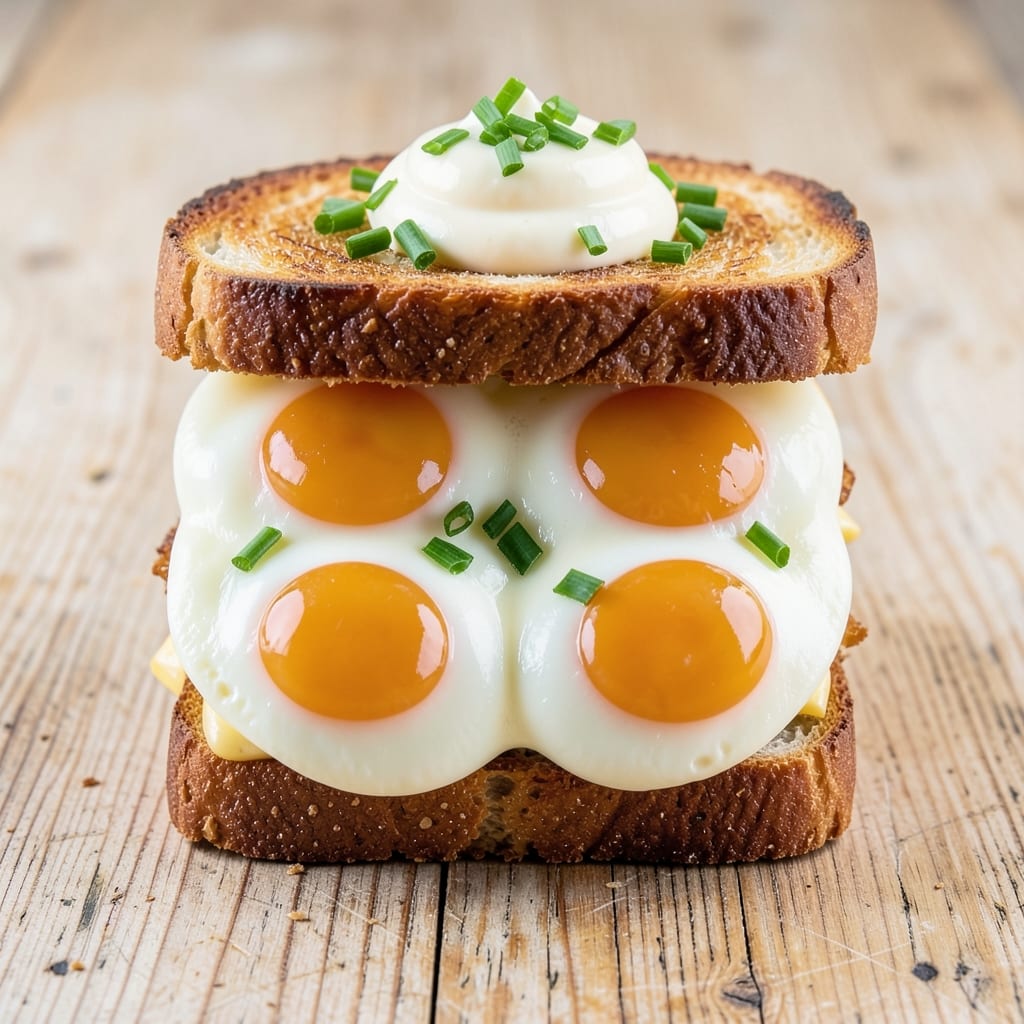
This creamy egg sandwich recipe transforms simple breakfast ingredients into a luxurious, velvety-textured masterpiece that rivals your favorite café. The secret lies in perfectly cooked eggs—either silky scrambled or runny fried—sandwiched between toasted bread and a rich, creamy element like melted cheese, tangy mayo, or velvety hollandaise. I developed this recipe after years of experimenting with textures, and the result is a sandwich where every bite delivers that perfect balance of soft, fluffy eggs and creamy richness.
The foundation starts with high-quality ingredients: fresh eggs, buttery bread, and a creamy component that binds everything together. Whether you prefer a classic breakfast sandwich with crispy bacon or an open-faced version piled high with avocado, the technique remains the same—cook the eggs to your ideal consistency, toast the bread just enough for structure without losing softness, and assemble while everything is still warm. The key is timing: the eggs should be creamy but not dry, and the bread should be lightly toasted to prevent sogginess.
What you’ll end up with is a sandwich that’s impossible to resist—golden-brown toasted bread framing perfectly cooked eggs, all enveloped in a creamy sauce that ties every element together. The contrast of textures—crispy bread, tender eggs, and velvety creaminess—creates a sensory experience that’s both comforting and indulgent. This isn’t just breakfast; it’s a meal that feels like a treat, perfect for lazy mornings or a quick yet satisfying lunch.
For extra flair, consider adding crispy hash browns, fresh herbs, or a sprinkle of flaky salt. The variations are endless, but the core technique remains foolproof. Let’s build this sandwich step by step—you’ll never go back to dry, boring eggs again.
Ingredients for creamy egg sandwich
Fresh eggs, buttery bread, and velvety sauces—this is your café-quality breakfast shortcut.
| Ingredient | Amount | Notes |
|---|---|---|
| Large Eggs 🥚 | 4 whole | Freshly cracked, room temperature |
| Sourdough Bread 🍞 | 8 slices | Thick-cut, lightly toasted |
| Unsalted Butter 🧈 | 2 tbsp | European-style for richness |
| Mayonnaise 🥫 | ¼ cup | Duck egg mayo preferred |
| Sharp White Cheddar Cheese 🧀 | ½ cup | Shredded, aged 6+ months |
| Fresh Chives 🌿 | 2 tbsp | Finely chopped, for garnish |
| Flaky Sea Salt 🧂 | 1 tsp | Maldon preferred for crunch |
| Black Peppercorns 🌶️ | ¼ tsp | Freshly cracked |
| Avocado Oil 🫒 | 1 tbsp | For egg cooking |
| Crispy Bacon 🥓 | 4 slices | Optional, thick-cut |
| Hollandaise Sauce 🍳 | ½ cup | Homemade or quality jarred |
| Avocado Slices 🥑 | ½ whole | Ripe, for open-faced version |
The eggs are non-negotiable. Pasture-raised if you can find them—those yolks are like liquid gold. Trader Joe's has great organic eggs, or grab the Pete and Gerry's at Whole Foods. Room temperature eggs cook more evenly, so take them out 15 minutes before cooking. For the bread, sourdough is ideal—it holds up to the creamy elements better than white bread. Toast it just until golden, not crispy, or it'll turn into a dry sponge. If you're making this ahead, toast the bread and store it separately until assembly—it's the only way to keep it from getting soggy.
No hollandaise? Duck egg mayo with a splash of lemon juice works in a pinch, though it won't be quite as rich. The cheese should be sharp—Cabot or Point Reyes are my go-tos, but any aged cheddar will do. Fresh chives are a must for brightness, but dried chives at half the amount will save you a trip to the market. Bacon lovers, grab thick-cut from the butcher counter—it stays crispy longer. For the open-faced version, Hass avocados should be slightly soft to the touch, not rock-hard. And if you're feeling fancy, swap the mayo for creme fraiche—it adds a tangy richness that's next-level.
Eggs cook fast—keep them warm in a 200°F oven while you assemble. The sandwiches are best eaten immediately, but if you must prep ahead, toast the bread and store separately until ready to serve. The hollandaise or mayo can be made 1 day ahead and stored in the fridge, then reheated gently. 3 days max in the fridge for the full sandwich—after that, the bread gets sad. Freezing isn't recommended, but you can freeze the creamy components separately. Pro tip: Keep the eggs runny if you're going for that fancy brunch look—just crack them onto the bread right before eating.
Why You'll Love This Recipe
- Five-Ingredient Magic: I swear, this sandwich is one of those "I have no idea why I didn’t think of this before" moments. You’re basically assembling a gourmet breakfast with ingredients you already own—no fancy techniques, no last-minute grocery runs.
- Cheese Pulls the Strings: That sharp white cheddar melts into the mayo and eggs like it’s been waiting its whole life for this moment. The buttery sourdough soaks up the creamy goodness, and honestly? It’s the kind of flavor combo that makes you question why you ever ate plain toast.
- Lunch or Late-Night Fix: Between us, this is my go-to when I’m dragging after work or need something substantial that doesn’t require a full meal. The same sandwich works for a quick office lunch or a midnight snack when the fridge is calling your name.
- Leftovers That Don’t Suck: I make a batch on Sundays, and these sandwiches stay fresh in the fridge for days—no weird textures, no sad bread. Wrap them up, toss them in a bag, and you’ve got a no-fuss lunch that actually tastes like it was made that morning.
Step-by-step instructions for creamy egg sandwiches with fluffy yolk magic
Here's how to build the perfect creamy egg sandwich with silky yolks and rich textures.
Cook the Eggs to Perfect Creaminess
Heat a nonstick skillet over medium-low heat and add the 1 tablespoon avocado oil. Crack the 4 whole large eggs into a small bowl first—this prevents shell fragments from falling into your eggs. Gently slide the eggs into the skillet, spacing them evenly apart.
Cover the skillet immediately and cook for 3-4 minutes until the whites are just set but the yolks remain completely runny. The key is gentle heat—you're aiming for silky, custard-like yolks that will spread beautifully when pressed. If you see the whites starting to brown too quickly, reduce the heat slightly. The eggs should release easily from the pan when ready, with that signature wobbly yolk center.
Toast the Sourdough and Prepare the Base
While the eggs cook, lightly toast the 8 slices sourdough bread in a dry skillet over medium heat for 1-2 minutes per side until golden and crisp. The toast should be soft in the center but with a slight crunch—this gives the perfect texture contrast. Set aside on a wire rack to cool slightly.
Spread 2 tablespoons mayonnaise on the toasted side of 4 slices of sourdough. I like to use duck egg mayo for that extra richness that really makes the sandwich sing. The mayo should be evenly distributed but not so thick that it prevents the eggs from sitting flat.
Assemble the Creamy Layers
Place two of the mayo-spread slices on your work surface, mayo-side up. Gently place two of the cooked eggs on each slice, positioning them so the yolks are centered. Sprinkle ½ cup sharp white cheddar cheese evenly over the eggs—this aged cheddar melts beautifully and adds that perfect sharp, creamy contrast.
Top each sandwich with the remaining 4 slices sourdough, toasted side down. Press down gently but firmly to help the cheese begin melting into the eggs. The sandwich should feel substantial but not overly heavy—this is where that perfect balance of textures comes together.
Add the Finishing Touches
For the crispy bacon version, layer the 4 slices crispy bacon on top of each sandwich before pressing. The bacon should be cool enough that it doesn't steam the sandwich but still maintain that satisfying crunch. For the open-faced version, place the ½ whole avocado slices on top of the eggs before adding the final bread slice.
Drizzle each sandwich with ½ cup hollandaise sauce, allowing it to pool slightly around the edges. The hollandaise should be at room temperature—if it's too cold, it won't spread properly. Sprinkle with 2 tablespoons fresh chives and 1 teaspoon flaky sea salt, then crack ¼ teaspoon black peppercorns over the top. The salt should be Maldon for that perfect crunch against the creamy textures.
Serve Immediately for Maximum Creaminess
Press down gently on each sandwich to help the cheese melt into the eggs and create that signature creamy spread. The sandwiches are best served immediately while the eggs are still warm and the hollandaise is at its peak consistency. Cut each sandwich diagonally if you prefer those classic triangular pieces.
Take your first bite and you'll get that perfect combination of creamy yolk, sharp cheddar, rich hollandaise, and that satisfying crunch from the toasted bread. The secret to this recipe is in the balance—silky eggs, sharp cheese, and that perfect creamy sauce all working together in harmony.
Pro Tips For Making Creamy Egg Sandwich
- Use Medium-High Heat for Eggs: No need to go full blast—medium-high heat keeps the eggs creamy without scrambling them into rubber. I used to crank the burner too high, and the eggs turned out dry and grainy every time, no matter how much mayo I added.
- Toast Bread While Eggs Cook: Skip the sad, soggy sandwich by toasting the sourdough in the same pan after removing the eggs. Just 30 seconds per side—it crisps up perfectly and holds together better. I learned this the hard way when my first batch fell apart like a wet paper bag.
- Shred Cheese Fresh: Pre-shredded cheese has anti-caking agents that make it clump into a sad, gluey mess when melted. Grab a block of sharp white cheddar, shred it yourself, and toss it with a pinch of salt—it melts smoother and tastes better. Yes, it takes 2 minutes, but it’s worth it.
- Butter Generously: Don’t skimp on the unsalted butter—this isn’t a diet sandwich. Spread a thick layer on both sides of the bread before toasting, and add a little more to the pan when cooking the eggs. The extra fat keeps everything rich and prevents sticking. I used to use half the amount, and the eggs stuck like glue.
Storing and reheating this dish
Fridge Storage Tips
Assemble your creamy egg sandwiches only when ready to eat—they're best fresh off the grill or skillet. However, if you must store them, toast the bread separately and keep it in an airtight container at room temperature for up to 2 hours. For longer storage, refrigerate the toasted bread slices in a sealed container for up to 3 days. Store the eggs, cheese, and sauces separately in the fridge until ready to assemble. 🥪
Reheating for Best Texture
If you've stored components separately, reheat the eggs in a skillet over medium-low heat for 1-2 minutes until warmed through. For the bread, toast it fresh in a dry pan for 1-2 minutes per side to restore that perfect crunch. The hollandaise or mayo can be gently reheated in a small saucepan over low heat—never microwave, as it will break the emulsion. Always assemble sandwiches immediately after reheating to maintain that creamy magic. ✨
Freezing Components
While I don't recommend freezing the complete sandwich, you can freeze individual components for up to 1 month. Freeze the hollandaise sauce in an airtight container with parchment paper pressed on top to prevent ice crystals. For eggs, freeze them in their shells (uncooked) or as fully cooked fried eggs in a single layer before transferring to a freezer bag. Toast the bread fresh when ready to eat—it's the only way to keep it from becoming a soggy mess. ❄️
Avocado Handling
If using avocado in your open-faced version, store the slices separately on the bread's surface only when ready to eat. Avocado turns brown quickly, so keep it in an airtight container with plastic wrap pressed directly on the cut surface. For the best texture, add avocado slices just before serving. A squeeze of lemon juice can help preserve its color and freshness if prepping ahead. 🥑
Bacon Refresh
Crispy bacon loses its crunch when reheated, so I recommend adding it fresh to your sandwich. If you must reheat pre-cooked bacon, use a dry skillet over medium heat for 30-45 seconds until crisp again. Store leftover bacon in the fridge for up to 5 days in an airtight container, separated by parchment paper to maintain crispness. 🥓
Sauce Revival
If your hollandaise or mayo has separated after refrigeration, whisk in 1 tablespoon warm water and ½ teaspoon Dijon mustard to re-emulsify. For a quick fix, place the jar in a bowl of warm water for 1-2 minutes to gently restore its creamy consistency. Always taste and adjust seasoning after reheating—sometimes a pinch of flaky salt or black pepper brings back the balance. 💡
Nutrition facts
Frequently asked questions
Can I make these sandwiches ahead of time?
It's best to assemble them fresh for maximum creaminess, but you can prep components separately. Toast the bread and store it in an airtight container for up to 3 days. Cook the eggs and keep them warm in a 200°F oven until ready to assemble. The hollandaise or mayo can be made 1 day ahead and stored in the fridge. Just reheat gently before assembling—never microwave the sauce!
What's the best way to keep the bread from getting soggy?
Toast the bread just until golden and crisp, then let it cool completely on a wire rack. Store it separately from the creamy elements in an airtight container. When ready to assemble, toast it fresh for 30 seconds per side to restore that perfect crunch. The key is never to assemble until everything is warm and dry.
How do I fix overcooked eggs that are too dry?
If your eggs turned out too firm, try this trick: Spread a thin layer of mayonnaise or hollandaise on the bread, then place the eggs on top. The creamy sauce will help restore some of that lost creaminess. For extra richness, add a slice of cheddar cheese on top and press gently to melt. The combination of cheese and sauce will make the sandwich more enjoyable.
Can I use this recipe for lunch instead of breakfast?
This sandwich makes a fantastic lunch when paired with fresh greens or a side salad. For a heartier version, add crispy hash browns or roasted potatoes to balance the richness. The creamy eggs and toasted bread provide satisfying protein and carbs, making it a complete meal. Just be sure to serve it while everything is still warm.
What's the secret to perfectly runny yolks?
The secret is low and slow cooking! Use a nonstick skillet over medium-low heat and cover immediately to trap steam. Cook for exactly 3-4 minutes—the whites should be set but the yolks should still jiggle like jelly. For extra insurance, crack the eggs into a bowl first to prevent shell fragments from falling in. The key is patience—rushing will turn your yolks into rubber.