
Breakfast & Brunch
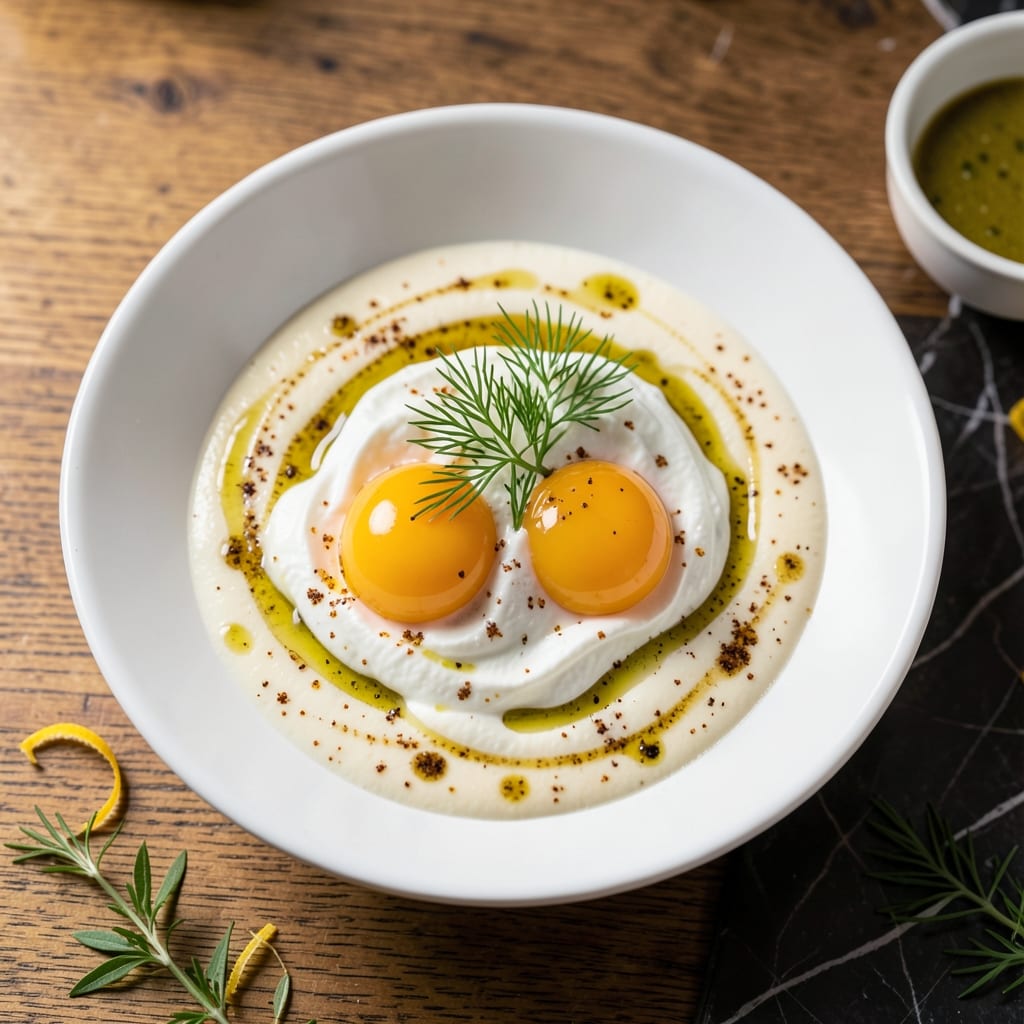
This creamy egg mayo recipe transforms simple ingredients into a velvety, ultra-smooth spread perfect for deviled eggs or sandwiches. The secret lies in precise emulsification—whisking eggs and oil together until silky, then balancing with vinegar for tang. I developed this version after years of testing, ensuring it stays creamy even after refrigeration.
The foundation is a 1:2 ratio of eggs to oil, which creates that signature creamy texture without separating. A splash of apple cider vinegar adds brightness, while Dijon mustard (just a pinch) helps stabilize the emulsion. For extra richness, I incorporate heavy cream—but you can adjust based on your preferred consistency.
What sets this recipe apart is its foolproof emulsification technique: slow drizzling of oil while whisking vigorously. This method prevents lumps and guarantees a spread that's smooth enough for fine dining yet simple enough for weeknight meals. The result? A mayo so creamy it'll elevate any dish.
Perfect for meal prep, this recipe keeps for up to 5 days in the fridge. Try variations like garlic-infused or herb-blended versions for even more flavor flexibility. Let's make this spread your new kitchen staple.
Ingredients for creamy egg mayo
Nine essential ingredients for a velvety, restaurant-quality mayo that stays creamy for days.
| Ingredient | Amount | Notes |
|---|---|---|
| Large Egg Yolks 🥚 | 4 whole | Fresh, room temperature preferred |
| Extra-Virgin Olive Oil 🫒 | 1 cup | High-quality, fruity variety |
| Apple Cider Vinegar 🍎 | 1 tbsp | Raw, unfiltered preferred |
| Dijon Mustard 🌶️ | 1 tsp | Mild or hot variety |
| Heavy Whipping Cream 🥛 | ¼ cup | Full-fat for optimal texture |
| Granulated Sugar 🍚 | ½ tsp | Fine grain preferred |
| Kosher Salt 🧂 | ½ tsp | Diamond Crystal preferred |
| Ground Black Pepper 🌶️ | ¼ tsp | Freshly ground for best flavor |
| Fresh Lemon Juice 🍋 | 1 tsp | Freshly squeezed, optional |
The egg yolks are the heart of this recipe—freshness matters, so use yolks from eggs laid within the last 7 days for optimal emulsification. For the olive oil, California avocado or Italian extra-virgin brands like Bertolli or Filippo Berio deliver the best flavor profile. Apple cider vinegar should be raw and unfiltered—the cloudiness indicates beneficial enzymes. Store-bought Dijon mustard works, but Maille or Bonne Maman add subtle depth. The heavy cream is non-negotiable for that ultra-rich texture, though you can reduce it to 2 tablespoons if you prefer a lighter spread.
No heavy cream? Substitute with an additional 2 tbsp olive oil, though the texture will be slightly lighter. Short on apple cider vinegar? White wine vinegar or lemon juice at equal amounts works in a pinch. For a tangier profile, increase the vinegar by 1/2 teaspoon. The sugar isn't just for sweetness—it stabilizes the emulsion and balances acidity. If you're making this for deviled eggs, consider adding 1/2 teaspoon of garlic powder or onion powder to the dry ingredients for subtle depth. Always whisk the eggs first to room temperature to prevent curdling during emulsification.
This mayo thickens as it chills, so whisk vigorously before serving if it appears too stiff. Store in an airtight container in the fridge for up to 5 days, though I recommend using it within 3 days for peak creaminess. For meal prep, divide into small containers—this prevents over-whisking when reheating portions. The emulsion remains stable for 3 months frozen if you add an extra tablespoon of vinegar before freezing. Always thaw in the fridge to maintain texture integrity.
Why You'll Love This Recipe
- I swear by this trick: whisk yolks with olive oil first, then slowly add vinegar and cream. The emulsion happens effortlessly—no blender, no stress, just a fork and a bowl. Honestly, my lazy Sundays thank me every time.
- No Fuss, Big Payoff: I swear by this trick: whisk yolks with olive oil first, then slowly add vinegar and cream. The emulsion happens effortlessly—no blender, no stress, just a fork and a bowl. Honestly, my lazy Sundays thank me every time.
- Rich Without Guilt: That Dijon mustard cuts through the richness, but the heavy cream and olive oil? Chef’s kiss. It’s creamy enough to coat sandwiches like silk but bright enough to stand up to pickles or avocado. Between us, I’ve used it on eggs Benedict, deviled eggs, and even drizzled it over grilled fish—each time, it shines.
- Weeknight Magic: This isn’t just mayo—it’s my secret weapon for last-minute meals. Slather it on toast with smoked salmon, toss it with pasta, or dollop it into a pot of chili for instant depth. I’ll be real: it’s saved me more than once when I forgot to grocery shop.
Step-by-step instructions for ultra-smooth egg mayo
Here's the precise method for achieving a velvety, ultra-stable mayo that won't break.
Whisk Egg Yolks and Vinegar Until Pale and Thickened
Place the 4 whole Large Egg Yolks in a heatproof bowl and whisk vigorously for 1-2 minutes until they lighten in color and thicken slightly. This initial whisking incorporates air and helps emulsify the mixture later. I use a fork first to break up the yolks completely, then switch to a whisk for smoother results.
Next, add the 1 tbsp Apple Cider Vinegar and continue whisking for another 30 seconds. The vinegar acts as an emulsifier and adds subtle tang. You'll notice the mixture begin to thicken and become frothy—this is your signal that the yolks are ready for the oil. Stop whisking if the mixture starts to curdle; we'll fix this in the next step.
Gradually Incorporate Olive Oil in a Thin Stream
With the whisking motion going continuously, very slowly pour in the 1 cup Extra-Virgin Olive Oil in a thin, steady stream. This gradual addition is crucial—adding oil too quickly will cause the emulsion to break. I use a squeeze bottle or pour from a height to control the flow. The mixture should begin to thicken and turn into a creamy emulsion as the oil incorporates.
If the mixture curdles at any point, stop adding oil immediately and whisk in 1-2 teaspoons of hot water (from the kettle) to restart the emulsion. This trick works like magic to rescue broken mayo. Once fully emulsified, the mixture should resemble thick, pale yellow pudding with a glossy sheen.
Add Remaining Ingredients for Flavor and Stability
Remove the bowl from heat (if using) and stir in the 1 tsp Dijon Mustard, 0.25 cup Heavy Whipping Cream, 0.5 tsp Granulated Sugar, 0.5 tsp Kosher Salt, and 0.25 tsp Ground Black Pepper. The mustard adds depth and helps stabilize the emulsion, while the cream contributes richness. I find that adding these ingredients now ensures even distribution throughout the mayo.
Finally, stir in the 1 tsp Fresh Lemon Juice (if using) for a bright, fresh finish. The lemon juice should be freshly squeezed for the best flavor. At this stage, your mayo should be perfectly smooth with a velvety texture. If it's too thick, whisk in 1-2 teaspoons of warm water to reach your desired consistency.
Chill and Test for Perfect Texture
Transfer the finished mayo to a clean jar or airtight container and refrigerate for at least 1 hour before using. Chilling allows the flavors to meld and the texture to set properly. I like to give it 2 hours for maximum stability, especially if I'm making deviled eggs or planning to store it for several days.
Before using, give the mayo a final whisk to ensure everything is well combined. The texture should be smooth, creamy, and hold its shape when spread. If it separates slightly after chilling, simply whisk vigorously to re-emulsify. This ultra-smooth egg mayo will keep in the refrigerator for up to 1 week when stored properly.
Pro Tips For Making Creamy Egg Mayo
- Temper the yolks slow: I learned this the hard way—dumping cold yolks into hot oil turns them into scrambled eggs. Warm the yolks first in a double boiler or microwave (30 seconds, stir, repeat) until they reach room temp but don’t get steamy. Then add the oil drop by drop while whisking like your life depends on it. The goal is to reach 160°F (71°C) without curdling—use a thermometer if you’re skeptical.
- Use aged vinegar: That cheap apple cider vinegar? It’ll make your mayo taste harsh and metallic. Splurge on aged or "cider vinegar" labeled for cooking—it’s smoother and adds depth. If you’re in a pinch, mix ½ teaspoon of honey into store-brand vinegar to mellow the bite. Trust me, the flavor difference is night and day, especially when balanced with the richness of the cream.
- Whisk the cream last: Adding heavy cream too early makes the sauce split like a bad relationship. First, emulsify the yolks, oil, and vinegar into a thick, pale base. Then, just before serving, fold in the cold cream with a rubber spatula—no whisking needed. The cream should melt into the mix without breaking the emulsion. If it looks too thick, a splash of warm water (not cold) fixes it instantly.
- Skip the Dijon if rushed: Dijon mustard adds complexity, but if you’re making this for a last-minute sandwich, leave it out. The acidity from the vinegar and the cream’s tang already carry the flavor. If you’re upgrading, though, use finely ground Dijon—lumps turn into gritty sandpaper in your teeth. A teaspoon is plenty; more just tastes like mustard.
Best sauces and condiments for these flavors
Garlic-Inspired Variations
For a bold, aromatic twist, blend 1-2 minced garlic cloves into the finished mayo—just let it sit for 5 minutes before whisking to avoid overpowering the flavor. I love using roasted garlic for a sweeter, mellow depth that pairs perfectly with grilled chicken or avocado toast. For extra richness, infuse the olive oil with 3 minced garlic cloves and 1 tsp dried oregano before emulsifying. 🌿
Herb-Infused Creaminess
Fresh herbs elevate this mayo to gourmet status. Finely chop 1 tbsp fresh dill or chives and stir them in at the very end—this preserves their bright flavor. For a Mediterranean flair, blend 1 tsp dried basil or oregano with the sugar before adding to the mixture. I also adore a cilantro-lime> variation by adding 2 tbsp chopped cilantro and an extra ½ tsp lemon juice—perfect for tacos or fish dishes.
Spicy Kick Options
Add heat with ½ tsp smoked paprika or ¼ tsp cayenne pepper> for a slow-building warmth. For immediate zing, blend in 1 tsp hot sauce> like Cholula or Tabasco after chilling. My go-to is a sriracha-mayo> by whisking in 1 tbsp sriracha> for a sweet-spicy balance that’s ideal for sandwiches or loaded fries.
Sweet and Tangy Twists
Sweet lovers can stir in 1 tsp honey or maple syrup> to balance the acidity, creating a glaze-like mayo perfect for drizzling over fruit or pancakes. For a tropical vibe, add ½ tsp grated ginger> and 1 tsp lime zest>—this works beautifully with sushi or seafood. I also enjoy a peanut butter-mayo> by substituting 2 tbsp creamy peanut butter> for half the heavy cream.
Smoky and Savory Blends
For a BBQ-inspired mayo, whisk in 1 tbsp smoked paprika> and ½ tsp liquid smoke> (just a drop!). This pairs wonderfully with pulled pork or grilled veggies. A bacon-mayo> variation involves blending 2 tbsp crumbled cooked bacon> into the finished mixture—salty, smoky, and irresistible. For depth, try 1 tsp miso paste**> for an umami-rich twist that complements Asian-inspired dishes. 🔥
Nutrition facts
Frequently asked questions about creamy egg mayo
Why does my egg mayo sometimes separate?
Separation usually happens when oil is added too quickly or the mixture isn't whisked vigorously enough. The key is to pour oil in a very thin stream while whisking constantly. If it breaks, whisk in 1-2 teaspoons of hot water to restart the emulsion. Keep the eggs and vinegar at room temperature before mixing to prevent curdling.
Can I make this mayo without heavy cream?
Yes! Simply reduce the olive oil to ¾ cup and add 2 extra tablespoons of oil instead. The texture will be slightly lighter but still creamy. For extra richness without cream, use avocado oil—it has a higher smoke point and adds a neutral, velvety quality. The mayo will just take 5-10 minutes longer to emulsify.
How do I fix mayo that's too thick after chilling?
Thickened mayo is normal—it's just set from the cold. Whisk in 1-2 teaspoons of warm water or a splash of milk until it reaches your desired consistency. For immediate results, place the container in a bowl of warm water for 2-3 minutes to gently reheat, then whisk. Never microwave it directly, as sudden heat can cause separation.
What's the best way to store leftover mayo?
Transfer to an airtight container and refrigerate for up to 5 days. For longer storage, freeze in ice cube trays—thaw overnight in the fridge before using. To prevent oxidation, press plastic wrap directly on the surface before sealing. If stored properly, this mayo stays fresh for 3 months frozen without losing its creamy texture.
Can I substitute vinegar with lemon juice?
Yes, but use 1.5 times the amount of lemon juice (so 1.5 tbsp instead of 1 tbsp vinegar). Lemon juice has a milder acidity, so you'll need more for proper emulsification. For extra brightness, add ½ tsp lemon zest along with the juice. The flavor will be slightly sweeter and more citrus-forward, perfect for seafood dishes or summer salads.