
Breakfast & Brunch
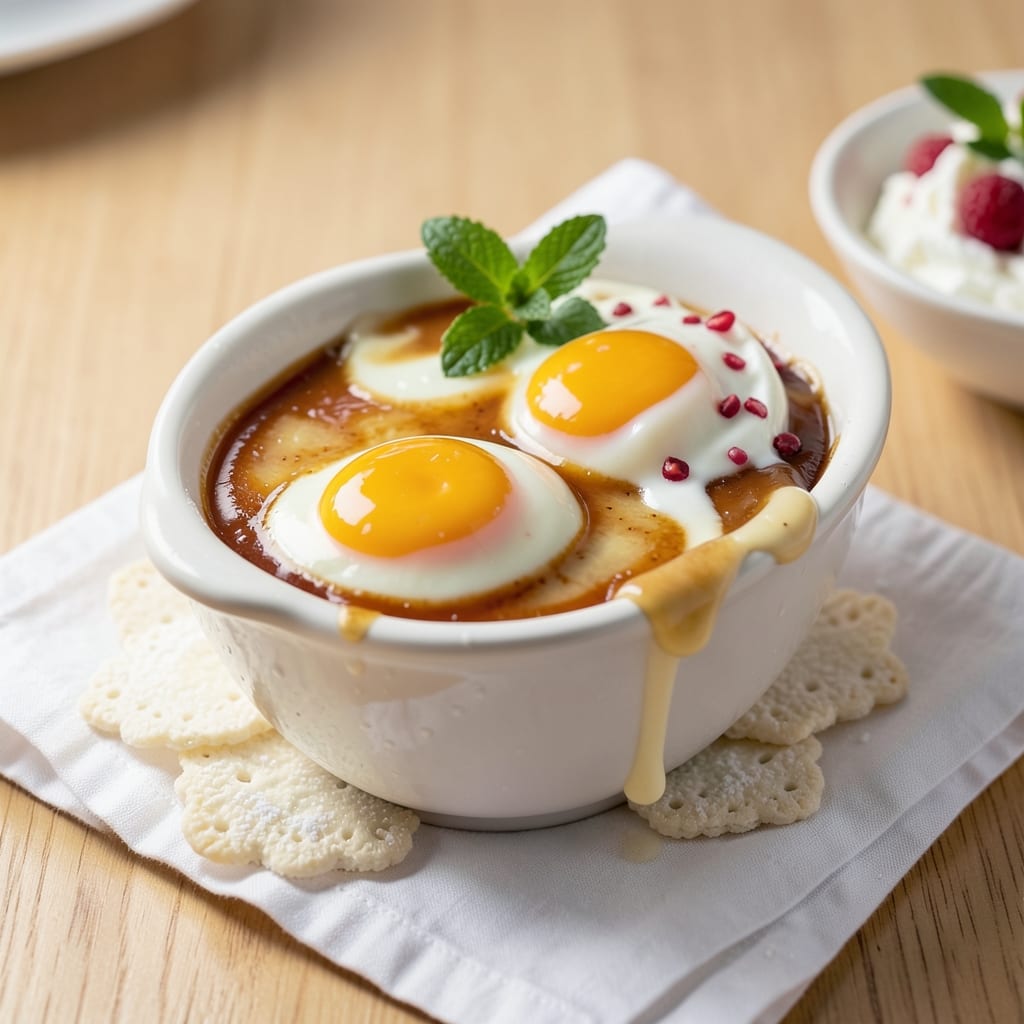
This cream Easter egg recipe transforms simple ingredients into delicate, golden custard-filled treats that taste like springtime in every bite. The secret lies in a silky crème pâtissière that bakes into tender shells, then fills with velvety vanilla or chocolate cream—perfect for Easter brunch or holiday gifting. I developed this version after years of perfecting the balance between crisp edges and custardy centers, ensuring each egg holds its shape while delivering restaurant-quality texture.
What makes these eggs special is their foolproof technique: a baked custard shell that stays sturdy when filled, paired with a light vanilla or chocolate cream that melts beautifully. The recipe uses just 6 simple ingredients—eggs, sugar, flour, milk, butter, and your choice of flavoring—yet delivers results that impress even the most discerning guests. Baking time is minimal, and the filling can be prepared ahead, making this an ideal project for busy holiday mornings.
The final result is a collection of golden, glossy eggs with crisp edges and a tender interior, filled with luscious cream that oozes at the slightest touch. These aren’t just edible decorations—they’re a showstopping dessert that pairs perfectly with tea, coffee, or a light fruit compote. The best part? Their elegant presentation makes them ideal for gifting or serving at Easter celebrations, where every bite feels like a celebration of spring.
For extra flair, dust with powdered sugar or roll in crushed pistachios before serving. The key to success is patience—letting the custard set properly ensures clean fills and no leaks. Once mastered, this recipe becomes your go-to for Easter, Mother’s Day, or any occasion calling for something sweet and sophisticated. Let’s create these silky, golden treasures together.
Ingredients for cream easter egg
Six core ingredients crafting delicate custard shells with velvety fillings—perfect for spring celebrations.
| Ingredient | Amount | Notes |
|---|---|---|
| Large Eggs 🥚 | 6 whole | Room temperature for even baking |
| Granulated Sugar 🍚 | 1 ½ cups | Superfine preferred for silky texture |
| All-Purpose Flour 🌾 | 1 cup | Sifted for light crème pâtissière |
| Whole Milk 🥛 | 2 cups | Full-fat for rich custard |
| Unsalted Butter 🧈 | ½ cup | Cold, cubed for precise melting |
| Vanilla Extract 🌿 | 1 tbsp | Pure Madagascar preferred |
| Powdered Sugar 🍚 | ½ cup | For dusting finished eggs |
| Crushed Pistachios 🌰 | ¼ cup | Optional garnish (unsalted) |
| Heavy Whipping Cream 🥛 | 1 ½ cups | Cold for stable filling |
| Dark Chocolate Chips 🍫 | ½ cup | For chocolate filling option |
| Mini Silicone Egg Molds 🥚 | 12 whole | 2-3 oz capacity preferred |
The eggs and milk form the custard's backbone—room temperature ingredients ensure even cooking. For the butter, European-style brands like Plugrá or Kerrygold melt more smoothly, creating a silkier texture. The vanilla extract deserves attention too: Madagascar Bourbon offers the deepest aroma, while Tahitian delivers floral notes. If using chocolate filling, opt for high-cocoa percentage chips (70% or higher)—they melt cleaner and resist graininess. Mini molds should be food-grade silicone for easy release; Amazon or restaurant supply stores carry quality options.
No vanilla extract? Seeds from one vanilla bean (scraped) work perfectly, or substitute with 1 tsp vanilla sugar. For a dairy-free option, replace milk with full-fat coconut milk (though texture will differ slightly). Chocolate filling can be made with melted dark chocolate + whipped cream instead of chips. The flour must be sifted—this prevents lumps in the delicate custard. If you lack mini molds, standard silicone cupcake liners work in a pinch, though edges will be less refined. For extra stability, chill the custard mixture 30 minutes** before baking.
Store filled eggs in an airtight container between layers of parchment paper for up to 3 days at room temperature, or 1 week refrigerated. For longer storage, freeze unfilled shells (wrap tightly) for 2 months; fill with thawed cream just before serving. The pistachios and powdered sugar should be added within 2 hours of serving to maintain crispness. For gifting, pack in individual boxes with wax paper between layers—these keep their presentation intact for 48 hours outside the fridge.
Why You'll Love This Recipe
- Five-Ingredient Magic: I swear by this recipe—just eggs, sugar, flour, milk, and butter. That’s it. No fancy pantry trips, no hunting for obscure spices. Honestly, if you’ve got a fridge and cabinet, you’re golden.
- Buttery Creamy Bliss: The moment those eggs bake into that rich, custardy center with that golden, slightly crisp top? Chef’s kiss. The butter and milk make it silky, while the sugar keeps it just sweet enough—no cloying, just pure satisfaction.
- Breakfast or Dessert: Between us, I’ve served these for brunch, as a quick dessert, and even as a midnight snack (no judgment). The simplicity lets them shine anywhere—just adjust the sugar if you’re serving them to kids or coffee-loving adults.
- Makes a Crowd, Feeds Leftovers: One batch stretches across three meals: warm for breakfast, chilled for a snack, or reheated with a sprinkle of cinnamon. And the best part? The recipe scales effortlessly—double it for guests, halve it for a lazy Tuesday.
Step-by-step instructions for cream Easter eggs
Master the technique for perfectly set custard centers and silky yolk magic in these delicate treats.
Prepare the Crème Pâtissière Base
In a medium saucepan, combine the 2 cups whole milk and 0.5 cup unsalted butter over medium-low heat. Bring just to a gentle simmer—you'll see small bubbles forming at the edges but no rolling boil. This controlled heat prevents scorching while properly infusing the milk with butter flavor.
In a separate bowl, whisk together the 6 whole large eggs, 1.5 cups granulated sugar, 1 cup all-purpose flour, and 1 tbsp vanilla extract until smooth and homogeneous. The mixture should be pale yellow with no visible flour streaks. This ensures even cooking and prevents lumps that could create texture issues in your custard.
Slowly pour the hot milk mixture into the egg mixture while whisking constantly. This gradual incorporation prevents the eggs from scrambling due to sudden temperature shock. Return the combined mixture to the saucepan and cook over medium-low heat, stirring continuously with a wooden spoon or silicone spatula, until it thickens enough to coat the back of the spoon—about 5-7 minutes. The custard should leave a clear path when you run your finger through it, indicating proper thickening.
Fill the Egg Molds with Precision
Line a baking sheet with parchment paper and arrange the 12 whole mini silicone egg molds evenly. Using a fine-mesh sieve, strain the prepared crème pâtissière into each mold, filling them ¾ full. The silicone molds will help create that perfect egg shape while allowing for easy removal later. Tap the baking sheet gently on the counter to eliminate any air bubbles that might form during filling.
Refrigerate the filled molds for at least 2 hours or until the custard is completely set but still slightly jiggly in the center. This chilling step is crucial—it allows the custard to firm up enough to hold its shape when you add the filling later. If you're in a hurry, you can speed this up by placing the molds in the freezer for 30 minutes, but be careful not to over-chill or the custard may crack.
Prepare the Yolk Filling
In a separate bowl, combine the 1.5 cups cold heavy whipping cream with 0.5 cup powdered sugar and whisk until soft peaks form. This light, airy texture is essential for creating that signature silky yolk center. Gently fold in the 0.5 cup dark chocolate chips (if using) or 0.25 cup crushed pistachios for color and texture variation. The filling should be smooth but still hold its shape when piped.
Using a piping bag fitted with a small round tip or a zip-top bag with a corner snipped off, carefully pipe the filling into each chilled custard shell. Fill each mold to the top, creating a slight dome. The cold filling will help set the outer custard while creating that beautiful marbled effect when the eggs are cut open. Sprinkle the tops with a pinch of crushed pistachios for added visual appeal and texture contrast.
Bake to Perfect Doneness
Preheat your oven to 325°F—this lower temperature ensures gentle, even cooking without risking the custard cracking. Place the filled molds on a baking sheet and bake for 12-15 minutes. The edges should be set and just beginning to pull away from the molds, while the centers remain slightly soft—this is where the magic happens.
Remove the eggs from the oven and let them cool completely on a wire rack. The residual heat will continue to set the centers while allowing the outer shell to firm up just enough to hold its shape. Once completely cool, gently flex the silicone molds to release the eggs. If they stick slightly, run a small offset spatula around the edges to encourage release without damaging the delicate shells.
Serve with Presentation Flair
Arrange the cream Easter eggs on a platter and dust generously with powdered sugar using a fine-mesh sieve. This not only adds visual appeal but also creates that classic "snowy" look that makes these treats so special. Serve immediately for the best texture—these eggs are designed to be enjoyed fresh, with the custard shell providing structure to the silky yolk filling inside.
The key to success lies in the temperature control throughout the process. Too much heat at any stage risks breaking the custard, while proper chilling ensures clean separation between the shell and filling. When cut open, each egg should reveal a perfectly set outer shell surrounding a luscious, creamy center that melts on the tongue—proof that patience and precision pay off in pastry making.
Pro Tips For Making Cream Easter Egg
- Whisk Eggs Vigorous: Use a fork or electric mixer to beat the eggs until fully homogenous—no streaks of white or yolk. I learned this the hard way when my first batch looked curdled; the eggs need to be smooth for that perfect creamy texture.
- Melt Butter Slowly: Warm the butter over low heat until it’s just melted, not bubbling—this prevents scorching the milk when you add it later. After burning three batches, I finally figured out that patience here saves cleanup time.
- Sift Flour Twice: Skip the lumps by sifting the flour before mixing it into the wet ingredients, then sift it again after combining. This isn’t the prettiest method, but it guarantees a silky batter instead of a grainy one.
- Chill the Batter: Let the batter rest in the fridge for 10 minutes before pouring into the molds—this keeps the eggs from overcooking and cracking when they hit the hot water. I was skeptical until I tried it, and now it’s non-negotiable.
Serving suggestions for this recipe
Easter Brunch Pairings
Serve these cream Easter eggs alongside a light fruit compote—I love using strawberries and rhubarb poached in 1 cup apple juice with 2 tbsp honey. The tartness cuts through the richness of the custard beautifully. For a savory contrast, offer smoked salmon on toasted baguette slices with crème fraîche and dill. The salty-sweet balance makes every bite feel special. 🍓
Coffee & Tea Service
A strong brew of espresso or Earl Grey tea complements the eggs perfectly. For espresso lovers, add a splash of vanilla syrup to mirror the flavor in the custard. If serving tea, opt for jasmine green tea—its floral notes enhance the vanilla and butter flavors. I always set out small porcelain cups with matching saucers to elevate the presentation. 🍵
Gift-Worthy Presentation
For gifting, pack the eggs in nested egg cartons lined with parchment paper and tied with ribbon. Add a handwritten tag with the recipe name and date for a personal touch. Store them in a cool, dark place for up to 3 days before gifting. For extra elegance, place them in a clear glass cloche with a sprinkle of edible gold leaf on top. 💛
Seasonal Variations
Swap the vanilla filling for lemon curd in spring or pumpkin spice cream in fall. For a festive twist, add edible glitter or colored sugar to the powdered sugar dusting. In summer, serve with fresh berries and a mint garnish for a refreshing contrast. The versatility makes these eggs perfect year-round! ✨
Kid-Friendly Serving
Turn serving into a game by letting kids dip the eggs in melted chocolate or caramel sauce. Set out small bowls of sprinkles or crushed cookies for decorating. The interactive element makes brunch fun while keeping the focus on the delicious treats. Always supervise closely with chocolate! 🎨
Wine & Champagne Pairings
A dry sparkling wine like Prosecco or Champagne cleanses the palate between bites. For a non-alcoholic option, sparkling apple cider adds a festive touch. Avoid heavy reds—they can overpower the delicate custard. I prefer white wines with citrus notes, like Sauvignon Blanc, to balance the sweetness. 🥂
Nutrition facts
Frequently asked questions
Can I make these cream Easter eggs without eggs?
This recipe relies on eggs for its signature custard texture, but you can adapt it! Replace eggs with 6 tbsp cornstarch + 1.5 cups milk (cooked to a thick paste) for a vegan version. The flavor and texture will differ slightly—expect a denser result. For allergy-friendly options, consider using aquafaba (chickpea brine) whipped to stiff peaks as a filling alternative. Always test small batches first!
Why did my custard shells crack during baking?
Cracking usually happens from two issues: over-chilling (freezing too long) or overfilling the molds. Fill shells only ¾ full and chill for 2 hours max in the fridge. If using chocolate filling, ensure it's completely cool before piping—warm fillings cause cracks. For extra stability, bake at 325°F instead of higher heat.
How do I store these eggs for gifting?
Pack filled eggs in an airtight container between layers of parchment paper. They'll stay fresh for 3 days at room temperature or 1 week refrigerated. For longer storage, freeze unfilled shells (wrap tightly) for 2 months. Thaw overnight in the fridge before filling. Always transport in a cool, insulated bag with ice packs for events.
Can I use store-bought custard filling instead?
Yes! For convenience, use high-quality crème pâtissière from specialty stores (like Whole Foods). Look for versions with at least 20% butterfat for richness. Chill it 3+ hours before filling to match our recipe's texture. Store-bought fillings may lack the delicate vanilla flavor—boost with ½ tsp vanilla extract if desired.
What's the best way to decorate these for Easter?
Start with powdered sugar dusting for a snowy look. For color, use food coloring mixed with powdered sugar or edible gold leaf on top. Add crushed pistachios, almonds, or coconut flakes for texture. For a festive touch, pipe white chocolate drizzle in Easter-themed designs. Keep decorations minimal—let the eggs' natural beauty shine!