
Breakfast & Brunch
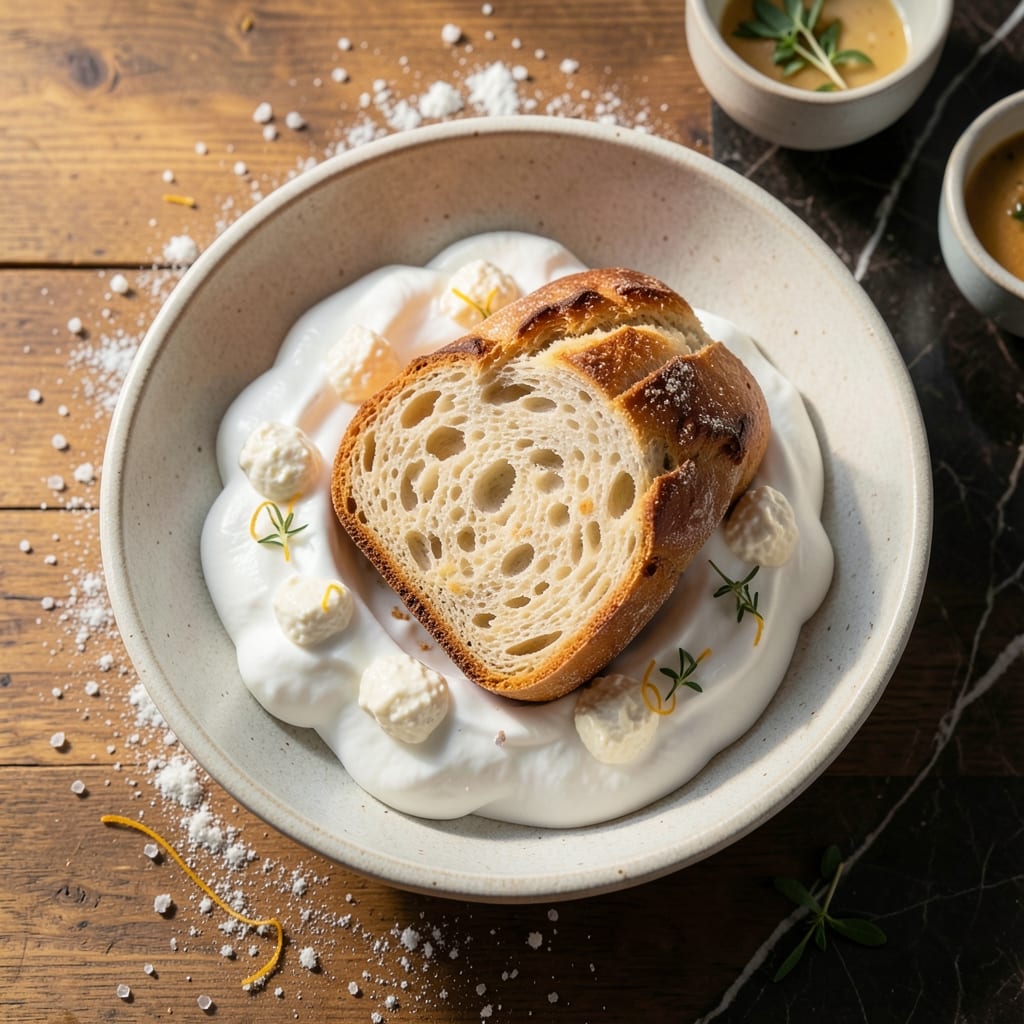
This cottage cheese and egg white bread recipe delivers a light, fluffy loaf with no-yolk richness—perfect for those seeking a protein-packed alternative to traditional bread. The secret lies in blending cottage cheese's natural moisture with egg whites for structure, creating a tender crumb that bakes up golden and inviting. I developed this recipe after years of experimenting with high-protein breads, and the results consistently surprise even skeptics.
The beauty of this method is its simplicity: just 8 basic ingredients combine to form a dough that rises beautifully without yeast, thanks to the chemical lift from baking powder and the airiness of whipped egg whites. No kneading required—simply mix, shape, and bake for a crispy crust and soft interior that rivals artisanal loaves. The cottage cheese adds subtle tanginess while keeping the bread moist for days.
What makes this bread truly special is its versatility. Toast it for a crispy, protein-rich breakfast, use it for sandwiches without fear of sogginess, or enjoy it plain with butter. Each slice delivers high-protein, low-carb benefits without sacrificing texture or flavor. The recipe yields two standard loaves, so you'll have fresh bread on hand for the week.
For best results, let the dough rest for 30 minutes before baking—this ensures even rise and maximum fluffiness. The bread keeps well at room temperature for 3-4 days or can be frozen for up to 3 months. Whether you're baking for dietary needs or simply craving something lighter, this recipe delivers professional-quality results at home.
Ingredients for cottage cheese and egg white bread
Eight ingredients transform into two protein-rich loaves with no yeast or kneading required.
| Ingredient | Amount | Notes |
|---|---|---|
| Large Egg Whites 🥚 | 6 whole | Room temperature for best volume |
| Cottage Cheese (2%) 🧀 | 1 cup | Full-fat for maximum moisture |
| All-Purpose Flour 🌾 | 3 cups | Sifted, for light texture |
| Baking Powder 🧂 | 2 tsp | Aluminum-free for best rise |
| Fine Sea Salt 🧂 | 1 ½ tsp | Diamond Crystal preferred |
| Granulated Sugar 🍚 | 1 tbsp | White or raw cane |
| Extra-Virgin Olive Oil 🫒 | ½ cup | For dough elasticity |
| Vanilla Extract 🌿 | 1 tsp | Pure vanilla preferred |
The cottage cheese is the cornerstone—2% fat content provides ideal moisture without heaviness. Trader Joe's and Whole Foods carry the best quality in small tubs, but any 2% brand works. For egg whites, room temperature is critical; whip them until stiff peaks form for maximum lift. The flour should be sifted before measuring to prevent dense pockets in the bread. If your kitchen lacks a sifter, whisk it vigorously in the bowl before adding other ingredients.
No vanilla extract? Vanilla bean paste works beautifully, or 1/2 teaspoon vanilla sugar adds subtle flavor without liquid. For a lower-carb option, substitute 1/4 cup almond flour for the sugar, though the texture will differ slightly. The baking powder must be fresh—test it every 6 months by mixing with water; if it fizzes, it's active. Olive oil can be swapped for unsalted butter (1/4 cup melted), but the bread will have a richer flavor. For a tangier profile, add 1 teaspoon lemon zest to the dough.
Store the baked loaves in an airtight container at room temperature for 3-4 days, or freeze for up to 3 months by wrapping tightly in plastic wrap. To reheat, wrap slices in a damp paper towel and warm in a 350°F oven for 5-7 minutes for a fresh-from-the-oven texture. The bread freezes exceptionally well—portion into slices before freezing for perfect individual servings. For best results, let the dough rest 30 minutes before baking to ensure even rise and maximum fluffiness.
Why You'll Love This Recipe
- No Mixer Needed: I swear by this recipe because it’s stupid simple—just whisk egg whites until stiff peaks form, fold in cottage cheese, and toss in dry ingredients. No stand mixer, no fuss, just a bowl and a whisk. Honestly, it’s the kind of recipe that makes me feel like a baking genius.
- Creamy Yet Light: The cottage cheese gives this bread an almost cloud-like texture—soft, tender, and just enough structure to hold up to toast or sandwiches. Between us, it’s the perfect balance: not dense like regular bread, but not airy like a cake. That’s the magic of those egg whites and 2% cottage cheese.
- Meal Prep Goldmine: I make a double batch every Sunday because this bread stays fresh for days. Slice it, freeze the extras, and toast straight from frozen—no thawing required. It’s my go-to for busy mornings or when I need a quick snack without the effort of baking fresh.
- Budget-Friendly Staple: Egg whites and cottage cheese are cheap, and you’ll use less flour than most bread recipes. I’ve fed my family for a week with two batches, and the leftovers? Perfect for French toast or garlic bread. Yes, even on a Tuesday night.
Step-by-step instructions for cottage cheese and egg white bread
This method delivers a remarkably light, fluffy loaf with a tender crumb and subtle sweetness—no egg yolks required.
Whisk Egg Whites to Stiff Peaks
Place the 6 whole Large Egg Whites in a clean, grease-free bowl. Using a stand mixer fitted with the whisk attachment, beat on high speed until soft peaks form—when the whisk leaves a slight trail in the meringue. Gradually increase speed to medium-high and continue beating until stiff, glossy peaks form that hold their shape when the whisk is lifted.
This step is critical for structure. I like to tilt the bowl slightly while beating to ensure all egg whites incorporate air evenly. If the bowl gets too warm, stop for 30 seconds to let it cool—warm egg whites won't whip properly. The final meringue should be thick enough to hold its shape when you lift the whisk, but still slightly shiny rather than dry.
Mix Wet Ingredients for Maximum Moisture
In a separate large bowl, combine the 1 cup Cottage Cheese (2%), 0.5 cup Extra-Virgin Olive Oil, 1 tbsp Granulated Sugar, 1 tsp Vanilla Extract, and 1.5 tsp Fine Sea Salt. Mix with a hand whisk or rubber spatula until completely smooth—no lumps should remain. The cottage cheese should be fully incorporated, creating a thick, creamy base.
The olive oil here serves two purposes: it tenderizes the dough while adding subtle richness, and it helps create that signature moist crumb. I press the spatula against the bowl to scrape up any cheese clinging to the sides—every bit counts for that tender texture. This mixture should be uniform and satiny in texture, with no visible streaks of cottage cheese.
Gently Fold in Dry Ingredients
Sift the 3 cups All-Purpose Flour and 2 tsp Baking Powder together into a medium bowl. Create a well in the center and pour in the wet ingredients. Using a rubber spatula, gently fold the dry ingredients into the wet, mixing just until combined—you should still see small pockets of flour. Overmixing develops gluten, which can make the bread dense rather than light.
I use a "cut-and-fold" technique here: cut through the center of the batter with the spatula, then fold the edges toward the center. Repeat 8-10 times until the dough comes together but remains slightly shaggy. The goal is to distribute the flour evenly without activating too much gluten. The final dough should be thick but pourable, with no dry spots remaining.
Fold in Meringue for Structure
Add the stiffly whipped egg whites to the dough in three additions, gently folding after each addition. Use a large spatula to cut through the center and fold the edges toward the middle, rotating the bowl between folds. The meringue will deflate slightly as you incorporate it, but the dough should remain light and airy.
This is where the magic happens—the egg whites provide the lift that compensates for the absence of yolks. I work quickly but carefully, ensuring the meringue is evenly distributed throughout the batter. The final dough should be smooth, glossy, and hold its shape when you lift the spatula. If it looks too thick, don't worry—the heat of the oven will help it rise beautifully.
Bake for a Light, Even Rise
Preheat your oven to 350°F and line a 9x5-inch loaf pan with parchment paper, allowing it to overhang the sides for easy removal. Pour the batter into the prepared pan and smooth the top with a wet spatula. Bake for 50-55 minutes, or until a toothpick inserted in the center comes out clean and the top springs back when pressed lightly.
The bread will rise dramatically in the oven, so don't be alarmed if it overflows slightly. I like to tent the loaf with foil after 30 minutes if the top is browning too quickly—this ensures even cooking throughout. The internal temperature should reach 205-210°F at the center. Let the bread cool in the pan for 10 minutes, then transfer to a wire rack to cool completely before slicing.
Pro Tips For Making Cottage Cheese And Egg White Bread
- Drain Cottage Cheese Well: Skip the watery mess by pressing cottage cheese in a clean kitchen towel for 10 minutes—wrap it, squeeze gently, and let it sit. I learned this the hard way when my first batch turned into a dense, gummy loaf instead of a light, fluffy bread.
- Whip Egg Whites Cold: Chill your mixing bowl and beaters for 10 minutes before whipping the egg whites. Cold equipment creates stiffer peaks faster, and trust me, you don’t want to overmix these into a sad, grainy mess.
- Fold Like You Mean It: Use a spatula to gently fold the cottage cheese into the whipped egg whites—don’t stir like you’re making soup. A few quick, large scoops keep air trapped, while aggressive mixing deflates everything. Think "merging clouds," not "stirring pancake batter."
- Bake Until Golden, Not Just Set: This bread looks done at 180°F (350°F for 25-30 mins), but pull it when the top is golden, not just pale. A toothpick test is useless here—overbaking dries it out. If it’s still slightly jiggly inside, it’s perfect. (Yes, even if it looks undercooked.)
Common mistakes when making your cottage cheese and egg white bread
Overwhipping Egg Whites
Don't whip those egg whites past stiff peaks—they'll turn dry and grainy, ruining your bread's airy texture. Stop when they hold their shape but still look glossy. I've learned this the hard way: once, I whipped mine into dry peaks, and the bread turned dense and rubbery. 🥚
Use a clean, grease-free bowl and whisk attachment to avoid any fat contamination. If your egg whites start to weep or look grainy, they're overworked. The ideal consistency should be thick enough to hold a peak but still slightly shiny when you lift the whisk.
Skipping the Rest
Never skip the 30-minute dough rest—this crucial step lets the flour hydrate properly and helps the bread rise evenly. I once baked a loaf without resting, and it turned out flat and dense. The rest also allows the baking powder to activate fully for maximum lift.
Cover the dough with a damp towel while resting to prevent a skin from forming. This simple step makes all the difference in achieving that professional-quality rise. If you're short on time, even 15 minutes of resting helps, but 30 minutes is ideal.
Measuring Wrong
Don't scoop flour directly from the bag—this packs it too tightly, leading to a dense loaf. Instead, spoon the flour into your measuring cup and level it off. I keep a separate measuring cup just for flour to avoid cross-contamination with other ingredients.
For cottage cheese, use a 1-cup measure specifically designed for soft ingredients—regular measuring cups compress cottage cheese, giving you less than you think. The same goes for the egg whites: use a liquid measuring cup for accurate volume.
Overmixing the Dough
Once you've combined the wet and dry ingredients, stop mixing immediately after they're just combined. Overmixing develops gluten, which can make your bread tough instead of tender. I've seen home bakers turn this light, fluffy bread into something resembling a hockey puck by overworking it.
Use a gentle folding motion with a rubber spatula to combine ingredients. The dough should look slightly shaggy with small pockets of flour remaining. If it starts to look smooth and elastic, you've gone too far.
Ignoring Oven Temp
Your oven's temperature gauge can be off by 25°F or more. Always use an oven thermometer to confirm it's at 350°F before baking. I once baked this bread at what I thought was 350°F, only to have it come out underdone in the center because my oven ran hot.
Place your thermometer in the center of the oven while it preheats. If it reads lower than 350°F, increase your oven's temperature setting by 25°F and check again after 15 minutes. A consistent temperature is key to even baking.
Cutting Too Soon
Never slice this bread immediately after baking—wait at least 1 hour for the interior to fully set. I've made the mistake of cutting into warm bread, only to have it crumble apart. The structure needs time to firm up for clean slices.
For best results, let the bread cool completely on a wire rack before slicing. If you're in a hurry, you can refrigerate it for 30 minutes first to speed up the cooling process. The bread will keep well at room temperature for 3-4 days once fully cooled.
Nutrition facts
Frequently asked questions
Can I substitute regular eggs for egg whites in this recipe?
The recipe relies on egg whites for structure and lightness, but you can use 5 whole eggs (discard yolks) if needed. For best results, whip the whites separately to stiff peaks and fold them in last, just like the original method. The texture will be slightly denser but still delicious.
Why does my bread turn out dense instead of fluffy?
Most likely, you overmixed the dough or skipped the 30-minute rest. Overmixing develops gluten, while resting allows the baking powder to activate fully. Also check your oven temperature—use a thermometer to confirm it's 350°F. A cold oven can prevent proper rise.
How can I make this bread lower in carbs?
Replace 1 cup all-purpose flour with 1 cup almond flour or ½ cup coconut flour (plus 1 extra egg white for binding). The texture will be slightly different but still moist. For best results, reduce the sugar to ½ tablespoon and add ½ teaspoon xanthan gum if using coconut flour.
Can I add herbs or spices to this bread?
Try 1 teaspoon dried rosemary or ½ teaspoon garlic powder for savory bread, or ½ teaspoon cinnamon for a subtle sweetness. Add herbs/spices with the dry ingredients and adjust measurements slightly if they're bulky (like fresh herbs). The cottage cheese balances strong flavors beautifully.
How long does this bread keep fresh?
Store wrapped in an airtight container at room temperature for 3-4 days, or freeze for up to 3 months. To reheat, wrap slices in a damp paper towel and warm in a 350°F oven for 5-7 minutes. The bread actually tastes better the next day as the flavors meld!