
Breakfast & Brunch
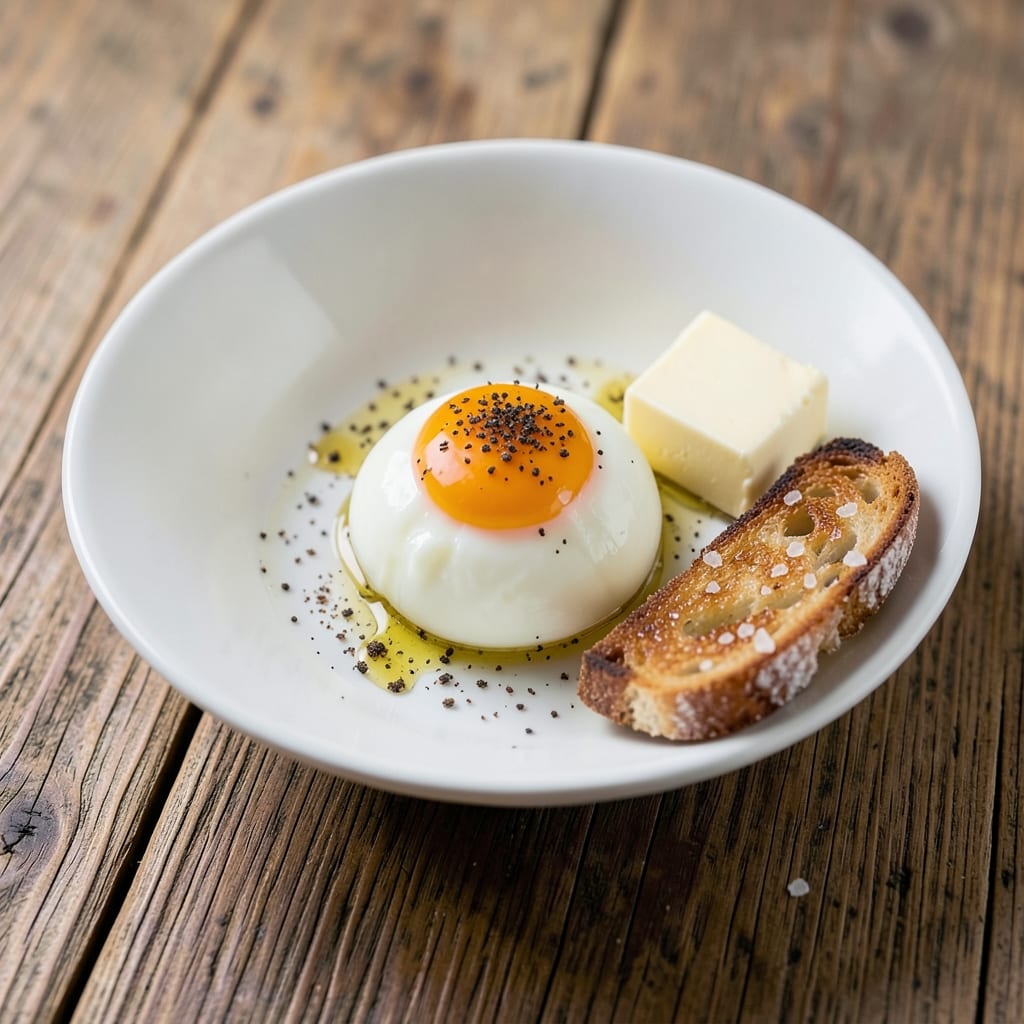
This coddled egg recipe UK delivers the creamy, runny yolk luxury you crave—perfectly poached in just 10 minutes without fuss. The secret lies in gentle simmering, where eggs cook to silky perfection while maintaining that signature soft center. I’ve refined this classic British method to ensure every bite is velvety, not rubbery, with a clean, delicate flavor that pairs beautifully with toast soldiers or crispy bacon.
The beauty of this technique is its simplicity: no fancy equipment, just a pot of simmering liquid (water, stock, or broth) and a little patience. The eggs cook low and slow, creating that iconic custard-like yolk that’s neither overdone nor undercooked. It’s the kind of dish that feels indulgent yet effortless—ideal for a lazy weekend breakfast or a quick, elegant brunch.
What makes this recipe stand out is the texture—rich, runny yolks that glide onto toast or crispy hash browns, balancing the heartiness of a full English breakfast. The method is foolproof, ensuring consistent results every time, and the flavor is pure, unadulterated egg at its best. No need for complicated techniques; just a pot, a timer, and a little attention to detail.
Serve with buttered toast, smoked salmon, or a sprinkle of flaky salt for a touch of sophistication. This isn’t just breakfast—it’s a restaurant-quality experience you can recreate at home. Let’s get started on mastering this timeless classic.
Ingredients for coddled egg recipe uk
Four simple ingredients transform into restaurant-quality coddled eggs with velvety yolks and delicate texture.
| Ingredient | Amount | Notes |
|---|---|---|
| Large Eggs 🥚 | 4 whole | Freshly laid preferred for best texture |
| Water 💧 | 4 cups | Filtered preferred for clarity |
| White Vinegar 🍶 | 2 tbsp | For gentle egg coagulation |
| Diamond Crystal Kosher Salt 🧂 | 1 tsp | For seasoning water |
| Unsalted Butter 🧈 | 2 tbsp | For topping and finishing |
| Freshly Ground Black Pepper 🌶️ | ¼ tsp | For finishing |
| Sliced Toast 🍞 | 8 slices | Crusty sourdough preferred |
| Smoked Salmon 🐟 | 4 oz | Optional garnish |
| Flaky Sea Salt 🧂 | ½ tsp | For finishing |
| Fresh Chives 🌿 | 2 tbsp | Chopped for garnish |
| Crispy Bacon 🥓 | 4 slices | Optional side pairing |
The eggs are the star—freshly laid from local farms if possible, as they hold their shape better during simmering. Waitrose or M&S often carry excellent free-range options, or check your local butcher for farm-fresh supply. The water should be at a gentle simmer, not a rolling boil—think of it as a whisper rather than a shout. Diamond Crystal kosher salt dissolves more easily than table salt, ensuring even seasoning throughout the water. If you're using vinegar, white vinegar is ideal, but apple cider vinegar works equally well for a slightly fruity note.
No vinegar? A pinch of lemon juice works in a bind, though it may slightly alter the delicate balance. Freshly ground black pepper is non-negotiable—pre-ground loses its potency quickly. For the toast, crusty sourdough or granary bread holds up best to the runny yolk, but any sturdy bread will do. The smoked salmon and bacon are optional but elevate the dish to full English breakfast status—Gordon Ramsay's smoked salmon or Waitrose crispy bacon are excellent choices if you want to splurge. Chives can be swapped for fresh parsley if unavailable, though they offer a more delicate flavor.
Eggs should be used within 3 days of purchase for optimal texture. Store them in their carton in the coldest part of your fridge, not the door. The vinegar-water mixture can be made 1 day ahead and kept refrigerated—just reheat gently before adding eggs. Leftover coddled eggs? They reheat beautifully in a gentle water bath for 30 seconds—never microwave, as it turns the yolks rubbery. Portion the toast in advance to save time during service.
Why You'll Love This Recipe
- No-Fuss Technique: I swear by the vinegar trick—just a splash in the water keeps those eggs perfectly rounded. No cracking, no fuss, and honestly? It’s the only way I’ll make them now.
- Buttery Luxury: That single knob of butter melting into the warm water? Absolute magic. It turns a simple egg into something silky and rich—like a lazy Sunday breakfast without the effort.
- Breakfast or Brunch: Serve it in a toasted roll for a proper UK café vibe, or pile it onto buttered soldiers for a kid-friendly (but secretly grown-up) meal. It’s my go-to for when I’m too tired to plan.
- Pantry Staple: Five ingredients, all of which you’re already buying. The eggs stay fresh for days in the fridge, and the salt/vinegar mix? I reuse it for pickling tomatoes too. Smart, cheap, and always reliable.
Step-by-step instructions for perfect coddled eggs
Master this classic British technique for silky, runny yolks every time.
Prepare the Simmering Bath
Combine the 4 cups water, 2 tablespoons white vinegar, and 1 teaspoon Diamond Crystal kosher salt in a small saucepan. Place over medium-low heat until it reaches a gentle simmer—you should see small, steady bubbles breaking the surface but no vigorous boiling. The vinegar lowers the water's pH, helping the egg whites coagulate more gently for that signature soft texture.
I like to use a small saucepan here—just large enough to hold the eggs with about 1 inch of water around them. If the water boils vigorously, the eggs will jiggle and develop uneven textures. Keep the heat consistent—this is where precision matters most for that perfect coddled finish.
Coddle the Eggs to Perfection
Crack each of the 4 whole large eggs into a small ramekin or egg cup. Gently lower them into the simmering water using a slotted spoon. They should float just below the surface—if they sink, your water isn't hot enough. Let them simmer gently for 4-5 minutes until the whites are just set but the yolks remain completely liquid and slightly wobbly when gently jiggled.
Here's the thing—don't walk away. You want the whites to be opaque but still slightly translucent at the edges. If you overcook even by 30 seconds, the yolks will start to firm up, and you'll lose that luxurious, custardy center. The moment the whites look fully set but the yolks still jiggle like jelly, they're ready.
Prepare the Toast and Garnishes
While the eggs coddle, toast the 8 slices of crusty sourdough until golden brown and crisp. Spread each slice with ½ tablespoon unsalted butter while still warm. For the smoked salmon topping, lay out the 4 ounces smoked salmon in thin strips across the buttered toast. Sprinkle evenly with ½ teaspoon flaky sea salt and 2 tablespoons chopped fresh chives.
If using the optional 4 slices crispy bacon, arrange them alongside the toast or crumble them over the top for added texture. The contrast between the warm, buttery toast and the cool, delicate coddled eggs makes this dish truly special. Keep everything warm until you're ready to serve.
Plate and Finish with Precision
Using the slotted spoon, carefully lift each egg from the water and place it gently on a plate. The whites should hold their shape but still have that delicate sheen. Immediately spoon any remaining cooking liquid from the pan over the eggs to keep them moist. Top each with a generous portion of the smoked salmon and chive toast.
Finish with a final sprinkle of ¼ teaspoon freshly ground black pepper and an extra pinch of flaky sea salt. Serve immediately while the yolks are still perfectly runny. This is where the magic happens—the contrast of temperatures between the warm toast and cool eggs creates an unforgettable dining experience.
Pro Tips For Making Coddled Egg Recipe Uk
- USE COLD EGGS: Fresh eggs from the fridge crack cleaner and the whites hold shape better—no sad, runny yolks spilling into your water bath. I learned this the hard way after dealing with a watery mess from eggs straight from the basket.
- SALT THE WATER FIRST: Toss in your kosher salt before adding the vinegar—it dissolves properly and seasons the water, not just the egg. I used to add it later and wondered why my eggs tasted bland, even with extra salt on top.
- LOW AND SLOW WINS: Keep the water at a gentle simmer, not a rolling boil—otherwise, the whites overcook and turn rubbery before the yolks set. Sounds weird, but it works: aim for tiny bubbles, not a frenzy.
- BUTTER AFTER THE FACT: Swirl in the unsalted butter after removing the egg from the water—it coats the top like a silky blanket instead of melting into the bath. I skip this when I'm lazy, but the dish is noticeably better when I don’t.
Common mistakes when making your coddled egg recipe uk
Overcooking the Yolks
This is the most common mistake, and it’s easy to do when you’re distracted. The yolks should remain completely liquid with just a slight wobble—any longer than 4-5 minutes in the simmering water, and you’ll end up with firm yolks that lose their luxurious texture. I’ve ruined more coddled eggs this way than I’d like to admit! Set a timer and keep your eye on the pan. The whites should be opaque but still slightly translucent at the edges. 🌡️
Boiling Water
A rolling boil will turn your eggs into scrambled eggs instead of coddled ones. The water should be at a gentle simmer—small bubbles breaking the surface, but not vigorous. If the water boils, the eggs will jiggle around and develop uneven textures. Use medium-low heat and maintain a consistent temperature throughout cooking. A small saucepan helps with this control.
Using Old Eggs
Old eggs have thinner whites that won’t hold their shape as well during simmering. For perfect coddled eggs, use eggs that are no more than 3 days old. Freshly laid eggs work best, as they have firmer whites. If you’re using eggs from the fridge, let them sit at room temperature for 10-15 minutes before cracking them to prevent cracking. I always check the date on the carton—no shortcuts here!
Skipping the Vinegar
The vinegar isn’t just for flavor—it helps the egg whites coagulate more gently, giving you that signature soft texture. Without it, the whites can turn out rubbery or uneven. If you’re out of vinegar, a pinch of lemon juice will work in a pinch, though it may slightly alter the balance. The 2 tablespoons of white vinegar in this recipe is non-negotiable for that perfect coddled finish.
Uneven Heat Distribution
If your stove has hot spots, the eggs can cook unevenly, leading to some parts being overcooked while others remain underdone. To avoid this, use a saucepan with an even heat distribution—stainless steel or enameled cast iron work best. Stir the water gently before adding the eggs to ensure even temperature. I’ve found that Le Creuset enameled cast iron saucepans are my go-to for consistent results.
Not Resting the Eggs
After removing the eggs from the water, let them rest for 30 seconds before plating. This allows the whites to firm up slightly and prevents them from falling apart when you lift them onto toast. I’ve learned this the hard way—rushing to plate them too soon leads to messy, broken whites. Patience is key here, just like with so many other cooking techniques! 💫
Nutrition facts
Frequently asked questions
Why do coddled eggs have such a creamy texture?
The gentle simmering method keeps the yolks completely liquid while the whites just set—creating that signature custard-like texture. The vinegar in the water helps coagulate the whites more evenly at lower temperatures, preventing rubberiness. This delicate balance is what makes coddled eggs so luxurious compared to poached eggs.
Can I make coddled eggs ahead of time?
Not for serving immediately, but you can prep the simmering liquid 1 day ahead and store it refrigerated. Keep the eggs fresh (within 3 days) and cook them straight from the fridge—no need to bring them to room temperature. The key is cooking them fresh for that perfect runny yolk texture.
What's the best way to reheat leftover coddled eggs?
Place them in a small saucepan with 1 inch of water and heat gently for 30 seconds—never microwave, as it turns yolks rubbery. The water bath keeps them moist while warming through. For best results, eat them fresh, but this method works well for leftovers.
Are coddled eggs healthier than scrambled eggs?
Yes! Coddled eggs retain more of the egg's natural nutrients since they're cooked gently without added fat. They contain 6g protein per egg with no cholesterol from butter or oil. The method also preserves the egg's natural enzymes better than high-heat cooking methods.
What's the difference between coddled and poached eggs?
Coddled eggs are simmered gently in liquid until just set, keeping yolks completely runny. Poached eggs are cooked in boiling water, creating firmer whites and often firmer yolks. The coddling method produces that signature soft, custard-like center that's impossible with traditional poaching.