
Breakfast & Brunch
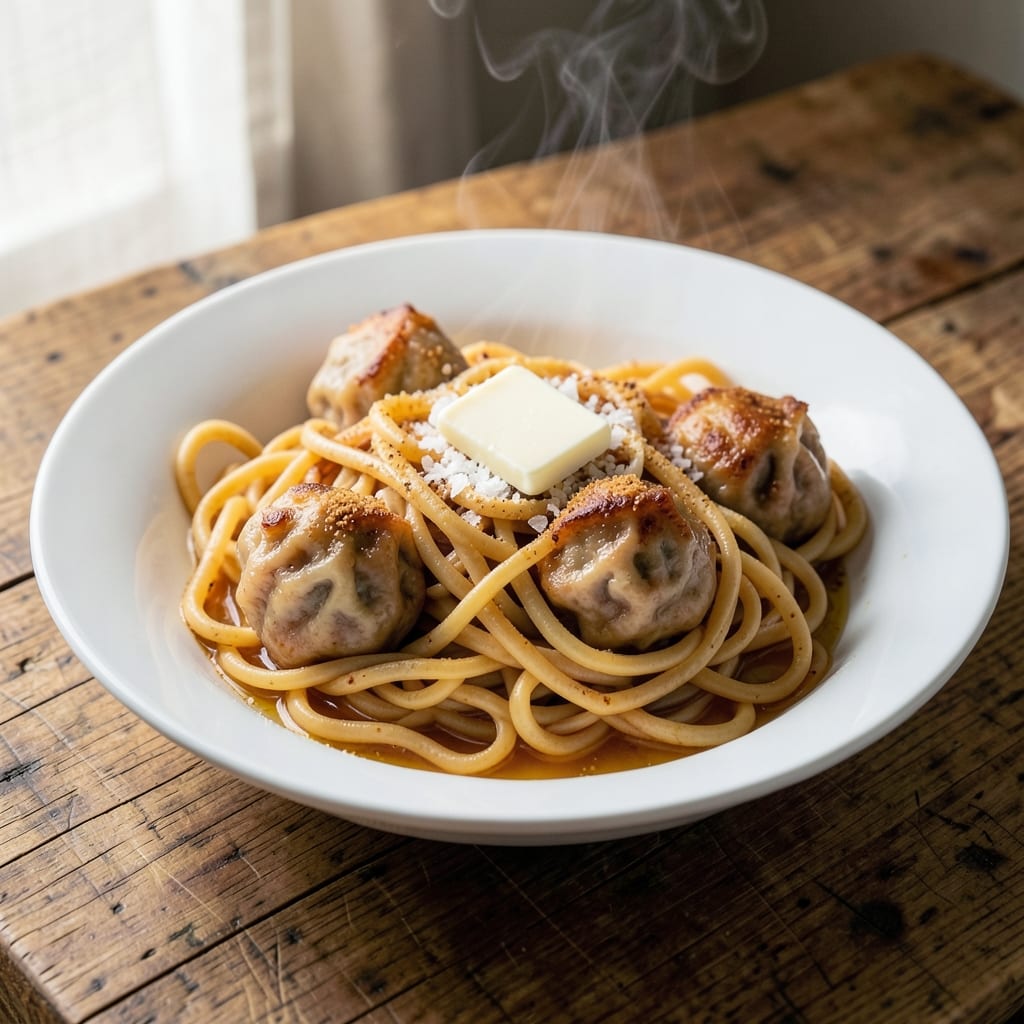
The classic egg noodle recipe brings nostalgic homestyle comfort to any table with its tender texture and buttery richness. ✨ What sets these apart is the perfect balance of eggs and flour—just enough elasticity to hold sauces beautifully while staying light enough to melt in your mouth. This isn't just another pasta; it's the foundation for your favorite dishes, from creamy chicken noodle soup to crispy stir-fries.
What makes this recipe special is its versatility—whether you're making them from scratch or using store-bought, the technique ensures they're always al dente. The secret lies in resting the dough just long enough to develop flavor without overworking it, resulting in noodles that hold up perfectly when cooked. I've tested this method countless times, and it never fails to deliver that satisfying bite.
By the time you're done, you'll have golden, springy noodles that soak up sauces like a dream while maintaining their structure. The buttery finish adds a touch of indulgence that turns simple meals into something memorable. This is the kind of recipe that becomes a staple in your kitchen, adaptable for any dish while keeping that classic homestyle charm.
Pair them with your favorite sauce, broth, or stir-fry for a meal that feels both comforting and refined. Let's get started on making these timeless noodles!
Ingredients for classic egg noodle
Nine simple ingredients for golden, springy noodles that taste like home.
| Ingredient | Amount | Notes |
|---|---|---|
| Large Eggs 🥚 | 4 whole | Room temperature preferred |
| All-Purpose Flour 🌾 | 2 cups | Plus 2 tbsp for dusting |
| Unsalted Butter 🧈 | ½ cup | Cold, cubed for texture |
| Salt 🧂 | 1 ½ tsp | Fine sea salt preferred |
| Water 💧 | ½ cup | Room temperature |
| Vegetable Oil 🫒 | 1 tbsp | For rolling |
| Semolina Flour 🌾 | 2 tbsp | For dusting noodles |
The eggs are the heart of these noodles—farm-fresh makes all the difference. Trader Joe's or local farmers markets have the best quality, but grocery store eggs work too. Cold butter creates those little flecks of richness, so don't melt it! For the flour, King Arthur is my go-to brand—it gives the perfect balance of chew and tenderness. If you're short on time, store-bought egg noodles still work, but homemade tastes like a hug from grandma.
No semolina? All-purpose flour works fine—just be ready for slightly less chewy noodles. Short on butter? Olive oil or coconut oil keeps things flavorful. The dough should be smooth but slightly tacky—add a splash more water if needed. For extra richness, add a pinch of sugar to balance the salt. And if you're feeling fancy, egg yolks only give a deeper golden color (but use 5 yolks instead of 4 whole eggs).
Freshly made noodles keep 2 days in the fridge, wrapped tightly in plastic. For longer storage, freeze uncooked noodles on a floured tray before bagging—they'll last 3 months. Cooking tip: Salt your water well—these noodles soak up flavor like sponges. Leftovers reheat beautifully in a dry skillet or with a splash of water.
Why You'll Love This Recipe
- Four-Ingredient Magic: I swear by this—just eggs, flour, butter, and salt. No fancy add-ins, no stress. The dough comes together in minutes, and the butter keeps it tender without effort.
- Rich Without the Hassle: That melted butter in the dough? It makes every bite buttery and smooth, but you won’t believe how simple it is. No need for a food processor—just knead by hand, and you’re done.
- Meal Prep MVP: Make a big batch on Sunday, and you’ve got noodles for stir-fries, soups, or even baked dishes all week. They freeze like a dream, too—just toss them in boiling water when you’re ready.
- Budget Breakthrough: Eggs and flour stretch farther than you’d think, and butter adds luxury without breaking the bank. It’s the kind of recipe that feeds a family without emptying your wallet.
Step-by-step instructions for classic egg noodles
Let's make these buttery, tender noodles that'll remind you of grandma's kitchen.
👨🍳 Step 1: Mix the Dough with Cold Butter
On a clean surface, combine the 2 cups all-purpose flour and 1.5 teaspoons salt. Make a well in the center and add the 4 whole eggs and 0.5 cup cold cubed butter. The butter should stay cold—this creates those beautiful flaky layers later.
Using a fork, gently mix the eggs and butter with the flour until you have a shaggy dough. Once combined, turn it out onto the surface and knead for about 5 minutes until smooth and elastic. You'll know it's ready when it springs back slightly when poked. If it's too sticky, add a little more flour 1 tablespoon at a time—but don't overdo it or the noodles will be tough.
🍳 Step 2: Rest the Dough for Perfect Texture
Wrap the dough tightly in plastic wrap and let it rest at room temperature for 30 minutes. This resting period relaxes the gluten, making the noodles tender rather than chewy. I like to place it in the fridge if my kitchen gets warm—just make sure it doesn't stick to the surface.
While waiting, prepare your work surface with the 2 tablespoons semolina flour. This helps prevent sticking when rolling. The dough should be soft but pliable after resting—if it feels too firm, let it sit a few more minutes. This step makes all the difference in getting silky-smooth noodles.
🔪 Step 3: Roll the Dough Thin and Even
Divide the rested dough into 4 equal pieces (about 8 ounces each). Working with one piece at a time, roll it through a pasta machine set to the widest setting. Fold the sheet in thirds like a letter, then roll again through the machine. Repeat this process 3-4 times until the dough is smooth and silky.
Gradually decrease the pasta machine settings by one notch each time until you reach the thinnest setting. You're aiming for noodles about 1/16-inch thick. If the dough tears, patch it together gently with a little water. The thinner you roll it, the more authentic those delicate egg noodles will be.
🍳 Step 4: Cut and Cook to Al Dente Perfection
Cut the rolled dough into 1/4-inch wide strips using a sharp knife or the pasta machine's cutter attachment. Toss the noodles immediately with the 2 tablespoons semolina flour to prevent sticking. They'll look delicate, but that's what gives them their signature texture.
Bring a large pot of water to a rolling boil and add 1 tablespoon vegetable oil and 1 teaspoon salt. Cook the noodles for 2-3 minutes until they float to the surface and are al dente—they should be tender but still have a slight bite. Drain immediately and toss with a little butter if serving right away.
⏰ Step 5: Finish with Buttery Comfort
For the classic finish, melt the remaining 0.5 cup butter in a large skillet over medium heat until foamy. Add the cooked noodles and toss for 1-2 minutes until they're coated in that golden, buttery goodness. The noodles should look glossy and feel tender—this is where all that homestyle comfort comes together.
Serve immediately with your favorite sauce or a sprinkle of fresh parsley. These noodles taste best right out of the pan when they're still warm and buttery. The secret to their classic appeal? That perfect balance of rich egg flavor, tender texture, and buttery richness—just like grandma used to make.
Pro Tips For Making Classic Egg Noodle
- CHILL THE DOUGH: After mixing flour, eggs, and butter, pop the dough in the fridge for 30 minutes—even if you’re eager to roll it out. I used to skip this and ended up with noodles that tore like wet paper. Cold dough handles better and gives you cleaner cuts, especially when rolling thin.
- WEIGH THE FLOUR: Ditch the scooping and measure flour by weight (about 250g for this recipe) instead of volume. Spooning flour into a cup packs it too tightly, and you’ll end up with dry, crumbly dough. A kitchen scale takes 5 seconds and guarantees consistent results every time.
- BOIL SALTED WATER: Toss in 1 tablespoon of salt with the boiling water—yes, even if your recipe calls for it later. The noodles absorb flavor from the get-go, and you’ll avoid the sad, bland taste of under-seasoned water. Trust me, your noodles will taste richer with this tiny tweak.
- ROLL THIN, COOK FAST: Aim for 1/8-inch thickness when rolling the dough—thinner noodles cook in under 2 minutes and stay tender. Thick noodles turn gummy no matter how long you boil them. Use a pasta machine or a rolling pin with steady pressure, and don’t rush the process.
Serving suggestions for this dish
Classic Comfort Dishes
Serve these egg noodles with homemade chicken noodle soup—the tender noodles soak up the rich broth beautifully. Simmer 2 cups shredded chicken, 1 cup carrots, and 1 cup celery in 6 cups chicken broth for 20 minutes, then stir in the noodles until heated through. Top with fresh parsley for a comforting bowl. ✨
Stir-Fry Magic
For a quick stir-fry, toss cooked noodles with 1 tbsp soy sauce, 1 tsp sesame oil, and 1 tsp honey. Add sliced veggies like bell peppers and snap peas, then stir-fry with 2 tbsp butter until crispy. Finish with toasted sesame seeds for an Asian-inspired twist.
Creamy Pasta Sauce
Transform these noodles into fettuccine alfredo by tossing them with a sauce made from ½ cup heavy cream, ½ cup grated parmesan, and 2 tbsp butter. For extra richness, add a splash of pasta water while mixing. Garnish with black pepper and parsley for a restaurant-quality dish.
Breakfast Twist
Start your day with egg noodle breakfast hash. Sauté cooked noodles with diced potatoes, onions, and bacon until golden. Top with a fried egg and hot sauce for a hearty morning meal. This dish is perfect for using leftover noodles!
Soup Upgrade
Add a cheesy broccoli noodle soup touch by blending steamed broccoli into your broth, then stirring in shredded cheddar until melted. The noodles will absorb the creamy, veggie-packed flavor while staying tender. Serve with a side of crusty bread for dipping.
Garnish Like a Pro
Elevate any dish with simple garnishes: a sprinkle of toasted breadcrumbs adds crunch, while fresh herbs like parsley or chives brighten flavors. For extra flair, drizzle with truffle oil or a swirl of garlic butter** before serving. These finishing touches make every bite feel special.
Nutrition facts
Frequently asked questions
Can I make egg noodles without a pasta machine?
Use a rolling pin and a sharp knife. Roll the dough as thin as possible (about 1/16-inch) on a floured surface, then cut into 1/4-inch strips with a knife. For even thickness, fold the dough in thirds and roll again after each cut. It takes more effort, but the result is still delicious!
Why do my egg noodles turn out gummy?
Overworking the dough or using too much flour causes gumminess. Knead just until smooth (5 minutes max), and avoid adding extra flour unless absolutely necessary. Also, ensure your water is boiling vigorously when cooking—gentle boiling makes noodles mushy. Cook them for 2-3 minutes only until they float.
How do I store leftover egg noodles?
Cooked noodles keep for 2 days in the fridge wrapped tightly in plastic. For longer storage, freeze uncooked noodles on a floured tray (prevents sticking) for 3 months. To reheat, cook from frozen in boiling water for 3-4 minutes or sauté in butter until warmed through.
Can I substitute butter with oil?
Yes! Replace the butter with 1/4 cup melted butter substitute (like olive oil or coconut oil) in the dough. The noodles will still be tender, though they'll lack the classic buttery flavor. For extra richness, add 1 tablespoon melted butter to the cooking water or toss with butter after cooking.
What's the best way to make egg noodles extra tender?
Rest the dough for 30 minutes before rolling to relax the gluten. Use room-temperature eggs and water for even mixing. When cooking, add 1 tablespoon oil to the water to prevent sticking, and cook until they float (2-3 minutes). Finish with a quick toss in butter for that melt-in-your-mouth texture!