
Breakfast & Brunch
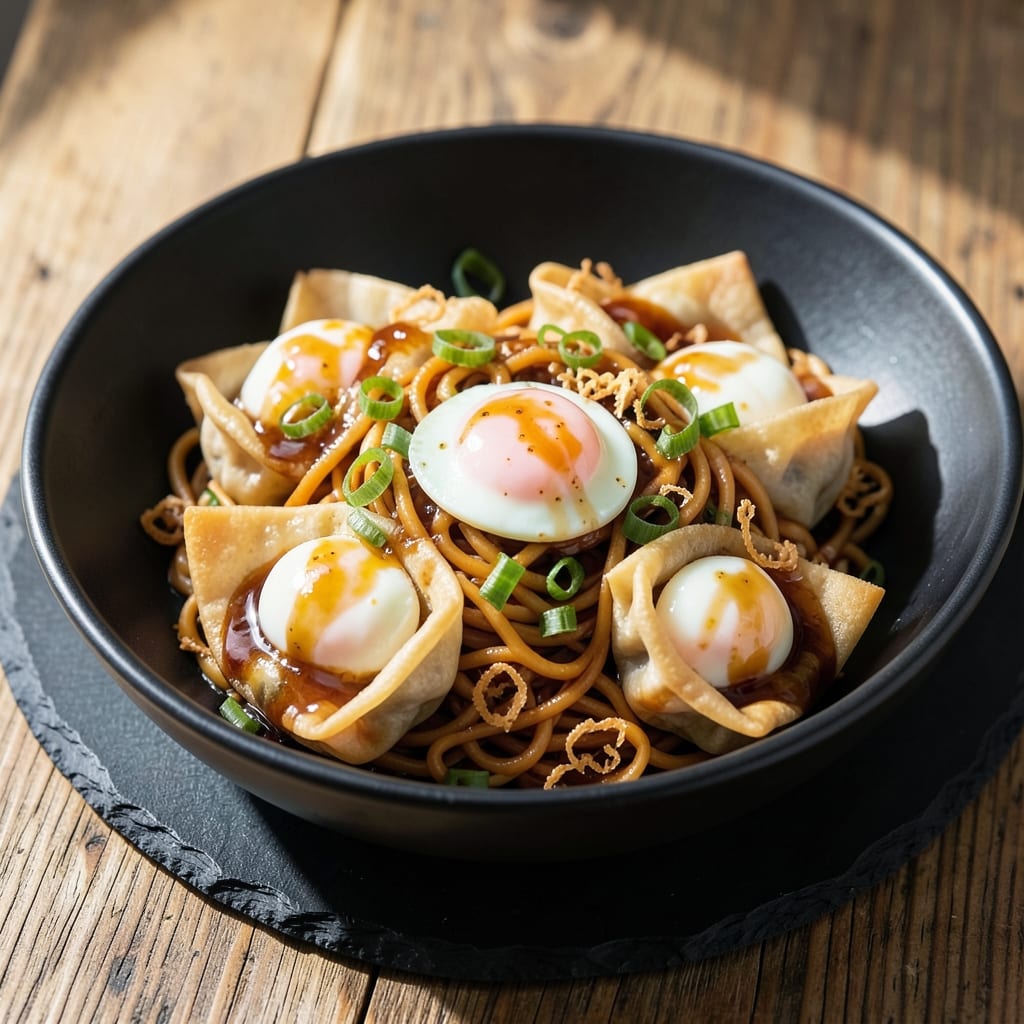
This chow mein noodle egg nests recipe transforms simple ingredients into crispy, golden cups filled with silky scrambled yolk hearts—perfect for brunch or a weekend project. 💛 The secret lies in perfectly boiled noodles and a light, airy egg mixture that creates those signature tender centers. I developed this recipe after years of experimenting with Asian-inspired breakfast dishes, and it never fails to impress. What makes this dish special is the balance of textures: crispy wonton cups that shatter slightly, silky scrambled eggs that hold their shape, and a light honey-soy glaze that ties everything together. The process is methodical but straightforward, with each step building on the last to create a dish that looks as impressive as it tastes. By the time you're done, you'll have a plate of golden egg nests that are crispy on the outside and tender inside, with a subtle sweet-savory glaze that enhances every bite. The aroma alone will have everyone asking what's for breakfast. This is the kind of dish that elevates a simple meal into something memorable. Serve warm with a side of fresh vegetables or a simple green salad for a complete brunch spread. Let's get started on creating these delightful egg nests!
Ingredients for chow mein noodle egg nests
Crispy wonton cups meet silky eggs—simple ingredients for an impressive brunch showstopper.
| Ingredient | Amount | Notes |
|---|---|---|
| Wonton Wrappers 🥟 | 16 pieces | Square, round wonton wrappers |
| Large Eggs 🥚 | 6 whole | Room temperature for best results |
| Chow Mein Noodles 🍜 | 8 oz | Uncooked, broken into 2-inch pieces |
| Vegetable Oil 🫒 | ½ cup | High smoke point for frying |
| Soy Sauce 🥢 | 2 tbsp | Light or regular, not low-sodium |
| Honey 🍯 | 1 ½ tbsp | Pure, for glaze sweetness |
| Sesame Oil 🌿 | 1 tsp | Toasted, for aroma |
| Green Onions 🧅 | 3 whole | Thinly sliced, for garnish |
| Salt 🧂 | ½ tsp | Kosher or sea salt |
| Black Pepper 🌶️ | ¼ tsp | Freshly ground |
| Garlic Cloves 🧄 | 2 cloves | Minced, for flavor base |
| White Pepper 🌶️ | ¼ tsp | For subtle seasoning |
| Cornstarch 🌾 | 1 tbsp | For crispy texture |
Wonton wrappers are the foundation—King Noodle or T&T brand are reliable choices, but any round wonton wrapper works. Look for packages with a bright, even color and no tears. The chow mein noodles should be fresh or dried, but avoid pre-boiled varieties—they won't hold their shape right. For the eggs, room temperature is key (take them out of the fridge 30 minutes before starting). The vegetable oil should have a high smoke point—avocado or peanut oil works best for frying without burning.
No wonton wrappers? Spring roll wrappers are a decent swap, though they're slightly thicker. Running short on chow mein noodles? Lo mein or ramen noodles can substitute, but break them into similar-sized pieces. For the glaze, agave nectar works if you're avoiding honey, though it has a different texture. The sesame oil can be omitted if you're sensitive to its flavor, but it adds that signature nutty aroma. If you're making these ahead, pre-steam the wonton cups before freezing—they crisp up better after reheating.
Store pre-fried wonton cups in an airtight container with a paper towel layer to absorb moisture—keeps them crispy for 2 days. The glaze can be made ahead and reheated gently with a splash of water. For serving, arrange nests on a wire rack over a baking sheet to keep them crisp. These reheat beautifully—just 5 minutes at 350°F to restore crispiness. Garnish with green onions right before serving to keep them fresh.
Why You'll Love This Recipe
- Pantry Magic: I swear by this recipe when I’ve got nothing but wonton wrappers and eggs staring back at me. No fancy ingredients—just what’s already lurking in your fridge or pantry. The chow mein noodles add that chewy, umami backbone without requiring a shopping trip.
- Crispy-Creamy Magic: That first bite? The wonton wrapper gets golden and shatteringly crisp while the egg stays silky inside—like a little edible nest. A splash of soy sauce ties it all together, giving it that familiar, comforting takeout vibe without the grease.
- Lunchbox Hero: Between us, this is my go-to for packed lunches. The nests hold up perfectly—no soggy wrappers here—and the noodles stay al dente. My kids actually eat their veggies when I sneak them into the egg mix (yes, even the picky ones).
- Budget Stretch: I make a whole batch on Sunday, and it lasts me all week. The eggs and wrappers are cheap staples, and the soy sauce stretches further than you’d think. Leftovers? Even better reheated—just a quick fry to revive the crisp, and boom, dinner’s saved.
Step-by-step instructions for chow mein noodle egg nests
Here's how to create those iconic crispy wonton cups filled with silky egg and savory noodles.
🍳 Step 1: Prepare the Noodle and Glaze Mixture
In a large bowl, combine the 8 oz chow mein noodles with 2 tbsp soy sauce, 1.5 tbsp honey, 1 tsp sesame oil, 0.5 tsp salt, 0.25 tsp black pepper, 2 minced garlic cloves, and 0.25 tsp white pepper. Mix thoroughly until the noodles are evenly coated and glistening. The honey will start to caramelize slightly, creating a sticky base that helps bind everything together.
Let the mixture sit for 5 minutes while you prepare the next components. This resting time allows the flavors to meld and the noodles to soften slightly, making them easier to work with. If the mixture seems too dry, add 1-2 teaspoons of hot water to help everything cling together.
👨🍳 Step 2: Create the Wonton Cups
Heat 0.5 cup vegetable oil in a small saucepan over medium heat until it reaches 350°F (use a thermometer for accuracy). While the oil heats, take 8 of the wonton wrappers and place them in a round mold or use a small bowl as a guide to press them into cup shapes. The wrappers should be slightly larger than the mold to create a proper rim.
Carefully dip each wonton cup into the hot oil using tongs, one at a time. Fry for 15-20 seconds until they puff up slightly and turn light golden. Remove with a slotted spoon and drain on paper towels. Repeat with the remaining 8 wrappers. These crispy cups will form the perfect vessel for your egg nests—don't overcook them or they'll lose their delicate structure.
🥘 Step 3: Assemble the Egg Nest Filling
In a separate bowl, beat the 6 large eggs until just combined (no need to overbeat). Stir in 1 tbsp cornstarch and 1 tbsp soy sauce to create a smooth batter. The cornstarch helps create that signature silky texture in the center of each nest.
Working quickly, spoon about 1 tablespoon of the noodle mixture into each crispy wonton cup. Then, carefully pour 1 tablespoon of the egg mixture over the noodles. Use a spoon to gently swirl the egg around the edges of the cup, creating a thin layer that will cook into a delicate membrane when heated. Place the assembled nests on a parchment-lined baking sheet.
🔥 Step 4: Bake to Golden Perfection
Preheat your oven to 375°F. Bake the egg nests for 12-15 minutes until the egg centers are just set but still slightly jiggly in the middle (they'll finish cooking from residual heat). The wonton cups should be deep golden brown with crisp edges, while the egg yolks remain silky and runny inside.
Here's the thing—don't overbake. You want that perfect contrast of crispy wonton cups with molten egg centers. When you cut into one, the egg should ooze out slightly, creating that signature "nest" effect. If they're browning too quickly, tent with foil to prevent burning while maintaining doneness.
🍽️ Step 5: Garnish and Serve Immediately
Remove the nests from the oven and let them rest for just 1 minute. Then, garnish each nest with thin slices of green onions for color and freshness. Serve immediately while the wonton cups are still crisp and the egg centers remain warm and silky.
For an extra touch, drizzle with a small amount of sesame oil before serving to enhance the aroma. These nests are best enjoyed fresh out of the oven—each bite delivers that perfect balance of crispy, chewy, and creamy textures with savory-sweet flavors. The contrast between the crunchy wonton cup and the silky egg center is what makes this dish so special.
Pro Tips For Making Chow Mein Noodle Egg Nests
- Preheat Oil to 350°F: Cold oil makes soggy nests—this recipe needs a hot start. Use a thermometer if you’re unsure; the oil should shimmer like a summer sidewalk when you drop in a wrapper. I learned this the hard way after frying egg nests that turned into greasy blobs instead of crispy cups.
- Crack Eggs Into Cups: Skip the bowl—crack eggs directly into the wonton wrappers pressed into the nest shape. This keeps the yolk centered and prevents messy overflow when the egg cooks. (Yes, it’s a little messy, but your nests will look restaurant-worthy.)
- Parboil Noodles First: Chow mein noodles need a quick 30-second blanch in boiling water before stir-frying. This softens them instantly and prevents a gummy texture later. Drain well and toss with a drizzle of oil to stop cooking—overcooked noodles turn to paste.
- Use Light Soy Sauce: Dark soy sauce burns easily and makes the dish look muddy. Stick to regular soy sauce for the sauce, then add a splash of dark soy (just ½ teaspoon) after cooking to color the noodles. Trust me, your dish will look brighter without tasting bitter.
Wine and beer pairings for this dish
Savory-Sweet Glaze Harmony
The honey-soy glaze in these egg nests pairs beautifully with dry Riesling from Germany—think Dr. Loosen Blue Slate or Chateau Ste. Michelle. The wine’s crisp acidity cuts through the richness of the fried wonton cups while complementing the caramelized honey notes. Serve slightly chilled to enhance the refreshing contrast. 🍷
Light Beer Pairings
A crisp Japanese lager like Asahi Super Dry or Sapporo works wonders—its clean, subtle maltiness won’t overpower the dish’s delicate flavors. For a local option, try a pilsner with a light hop character, such as Heineken or Miller Lite. The effervescence helps cleanse your palate between bites of crispy egg nests.
Fortified Wine Option
For a brunch twist, consider a dry sherry like Fino or Manzanilla. The nutty, oxidative profile mirrors the sesame oil in the glaze while balancing the fried textures. I’ve found Gonzalez Byass Fino elevates the dish to restaurant-quality elegance without competing for attention.
Non-Alcoholic Refreshments
Skip the alcohol? A sparkling jasmine tea with lemon—like Ah Caffeine’s Jasmine Green Tea—provides the same refreshing contrast. For something warmer, try ginger tea with a splash of honey, which echoes the glaze’s sweet-savory balance while keeping the palate crisp. 💧
Regional Adaptations
In Hong Kong-style brunch spots, these nests are often paired with lychee martinis—a mix of lychee juice, vodka, and soda water. For a mainland Chinese approach, green tea (especially Longjing) with a hint of rock sugar complements the dish’s umami-sweet profile. The tannins in quality green tea also help cut through the richness.
Coffee Contrast
If you prefer coffee, a light roast Vietnamese coffee with condensed milk offers a surprising but delicious contrast. The bright acidity of the coffee balances the fried textures, while the sweetness mirrors the honey glaze. For an iced version, add a splash of coconut milk to create a tropical twist. ☕
Nutrition facts
Frequently asked questions
Why do the egg nests need to be baked after frying the wonton cups?
The baking step is crucial for creating that signature silky egg center. Frying the wonton cups first makes them crispy, but baking sets the egg mixture gently—preventing it from turning rubbery. The residual heat from baking also creates that perfect contrast between crispy cups and molten egg centers.
Can I make the wonton cups ahead of time?
Yes! Fry the wonton cups up to 2 days ahead and store them in an airtight container between layers of paper towels to keep them crisp. Reheat in a 375°F oven for 5 minutes before assembling the nests. For best results, steam them for 2 minutes before reheating to restore crispiness.
What if my egg nests turn out too dry?
Undercooked egg centers are usually the culprit. Next time, reduce the baking time by 2 minutes and check at 10 minutes—the yolks should still be slightly jiggly. For extra moisture, add 1 extra egg yolk to your egg mixture or brush the nests with a little sesame oil before baking.
How do I prevent the wonton cups from sticking together?
Work quickly and use a parchment-lined baking sheet with space between nests. After frying, let them cool completely before assembling. If they stick during baking, tent with foil to prevent over-browning while keeping them crisp. For extra insurance, lightly dust the baking sheet with cornstarch before placing the nests.
Can I use regular egg noodles instead of chow mein noodles?
Regular egg noodles won't work—they're too soft and won't hold their shape after baking. Use lo mein or ramen noodles as substitutes, but break them into 2-inch pieces first. The key is using noodles that maintain texture when cooked and baked. For best results, stick with chow mein noodles if possible.