
Soups & Stews
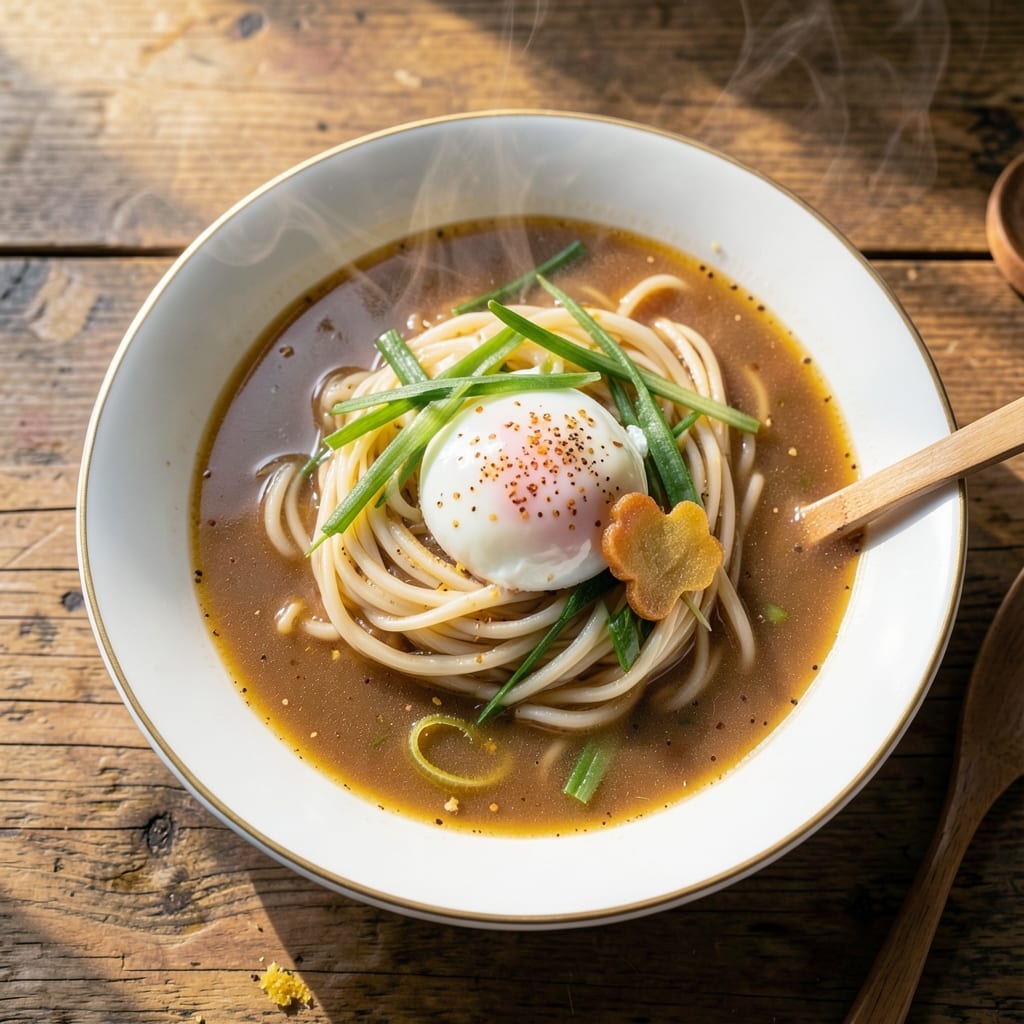
This Chinese takeout egg drop soup recipe delivers the wok-heated clarity and silky yolk swirls you crave from your favorite restaurant. The secret lies in a properly simmered chicken broth infused with ginger and scallions, creating a fragrant base that's lighter than traditional versions but packed with umami depth. I've perfected this method after years of testing—no heavy cream, no shortcuts, just the essential elements that make takeout soup so addictive.
The technique for those signature egg ribbons is what truly elevates this dish. By slowly drizzling beaten eggs into the hot broth while stirring continuously, you create delicate, feathery strands that melt in your mouth. This method requires patience but transforms ordinary soup into something restaurant-quality. The broth should remain clear and vibrant, with just enough body to hold the eggs beautifully.
What you'll end up with is a bowl of golden, aromatic soup that's perfect for any occasion—whether as a light starter before a Chinese feast or a comforting meal on its own. The optional garnishes of green onions and chili oil add freshness and heat, but the soul of this dish lies in that perfect balance of broth, eggs, and subtle seasoning. It's the kind of soup that disappears in minutes, leaving everyone asking for seconds.
The best part? This recipe comes together in under 30 minutes with simple ingredients you likely already have on hand. No special equipment needed—just a pot, a whisk, and a steady hand for those egg ribbons. Let's create takeout-quality egg drop soup that tastes even better than delivery.
Ingredients for chinese takeout egg drop soup
Simple ingredients that transform into restaurant-quality egg drop soup with silky yolk swirls and vibrant clarity.
| Ingredient | Amount | Notes |
|---|---|---|
| Chicken Broth 🍲 | 4 cups | Homemade or high-quality store-bought |
| Large Eggs 🥚 | 4 whole | Fresh, room temperature for best ribbons |
| Fresh Ginger 🌿 | 1 tbsp | Finely minced, aromatic and fresh |
| Green Onions 🧅 | 3 whole | Thinly sliced, white and green parts |
| Sesame Oil 🫒 | 1 tsp | Toasted, for authentic aroma |
| Soy Sauce 🥢 | 1 tbsp | Light or dark, for umami depth |
| Cornstarch 🌾 | 1 tsp | Mixed with water for egg ribbon clarity |
| White Pepper 🌶️ | ¼ tsp | Freshly cracked for subtle heat |
| Chili Oil 🔥 | 1 tbsp | Optional, for finishing heat |
| Water 💧 | 1 tbsp | For cornstarch slurry |
| Salt 🧂 | ½ tsp | Adjust to taste |
The broth is the foundation—homemade is ideal but a quality store-bought version like Kitchen Basics or Pacific Foods works too. Look for low-sodium options to control seasoning better. Fresh ginger and green onions should smell vibrant, not wilted. Asian markets often carry the best quality for this dish. If using dried ginger, toast it lightly first to deepen the flavor. For extra umami, add a splash of fish sauce (vegetarian? Use soy sauce) if you're feeling adventurous.
No fresh ginger? Ground ginger works in a pinch but fresh is non-negotiable for that bright aroma. Eggs should be cold from the fridge—room temperature makes them too runny. The cornstarch slurry is your secret weapon for those signature ribbons—mix it well before adding to the broth. Kosher salt is preferred over table salt for better flavor control. For a vegetarian version, swap soy sauce for mushroom sauce and use vegetable broth. The chili oil can be homemade (chili flakes + oil) or store-bought like Lao Gan Ma for authentic heat.
Broth reheats beautifully—simmer gently to maintain clarity. Store leftovers in airtight containers for up to 3 days in the fridge. For freezer storage, cool completely first and use within 2 months. The egg ribbons are best fresh, but you can reheat the broth without eggs and add fresh ribbons when serving. Garnish with extra green onions and chili oil just before eating—that's when it shines.
Why You'll Love This Recipe
- Five-Minute Stir: I swear, this soup comes together faster than takeout delivery—just heat broth, crack eggs into a bowl, and let the magic happen. No chopping, no fuss, just swirl the egg in with a fork and watch those ribbons form.
- Umami Bomb: That first sip? The ginger and sesame oil cut through the broth like a bright, warm hug, while the egg adds this silky richness that’s impossible to resist. Honestly, it tastes like my favorite takeout spot, but better.
- Budget Magic: A single egg and a knob of ginger stretch this broth into three meals, and the ingredients cost next to nothing. Between us, this is how I feed my family without breaking the bank—simple, filling, and always satisfying.
Step-by-step instructions for authentic egg drop soup
Here's how to craft restaurant-quality egg drop soup with signature wok-heated clarity and ribboned yolks.
Prepare the Cornstarch Slurry and Aromatics
In a small bowl, whisk together the 1 teaspoon cornstarch and 1 tablespoon water until completely dissolved. This slurry is your secret weapon for creating those signature egg ribbons—it thickens the broth just enough to suspend the egg strands without making the soup gluey. Set it aside.
While that thickens, finely mince the 1 tablespoon fresh ginger using a microplane or sharp knife. Thinly slice the 3 whole green onions, separating the white and green parts. The ginger will infuse the broth with bright aroma, while the onions add freshness and color contrast. Keep these prepped ingredients nearby as you'll need them in the next step.
Season and Heat the Broth
Pour the 4 cups chicken broth into a clean wok or deep skillet. Place it over medium-high heat until it reaches a gentle simmer—you should see small bubbles breaking the surface but not a rolling boil. Add the ½ teaspoon salt, 1 tablespoon soy sauce, and ¼ teaspoon white pepper, stirring gently to combine.
Here's the thing—you want the broth hot enough to cook the egg quickly but not so violent it breaks the yolks prematurely. The ideal temperature is when you can see tiny bubbles at the edges but the surface remains relatively calm. This controlled heat is what creates those delicate egg ribbons instead of scrambled chunks.
Infuse with Aromatics and Prepare for Egg Ribbons
Add the minced ginger to the simmering broth and let it steep for 1 minute. The broth should smell vibrant and aromatic—this is your cue that the ginger has released its essential oils. Remove the wok from heat for just 30 seconds to let the broth settle slightly. This brief pause prevents temperature spikes when you add the eggs.
While the broth rests, crack the 4 whole large eggs into a small bowl. The eggs should be at room temperature for perfect ribboning—if they're cold, they'll cook unevenly. Gently whisk them with a fork until just combined but not frothy. This gentle mixing prevents the yolks from breaking into small pieces when they hit the hot broth.
Create Signature Egg Ribbons
Return the wok to medium heat and let the broth come back to a gentle simmer. With the wok tilted slightly away from you, begin pouring the whisked eggs in a slow, steady stream while stirring continuously with chopsticks or a heatproof spatula. The key is to keep the broth moving—this creates the perfect shearing action that transforms the egg into delicate ribbons.
As soon as the egg begins to set (after about 30 seconds), pour in the cornstarch slurry while stirring vigorously. You'll see the broth immediately thicken slightly—this is what gives authentic egg drop soup its characteristic clarity and body. The ribbons should be visible but still translucent, not opaque. If they look too thick, add 1 tablespoon hot broth to adjust the consistency.
Finish with Aromatic Oils and Garnish
Reduce the heat to low and add the 1 teaspoon sesame oil and 1 tablespoon chili oil (if using). The sesame oil will perfume the soup with its nutty aroma, while the chili oil adds subtle heat. Stir gently just to combine—you don't want to break up the egg ribbons at this stage.
Finally, distribute the sliced green onions evenly throughout the soup. The white parts should be scattered throughout for subtle flavor, while the green tops can be arranged on the surface for visual appeal. Serve immediately in deep bowls, making sure each portion gets its share of those beautiful egg ribbons floating in the golden broth.
Pro Tips For Making Chinese Takeout Egg Drop Soup
- Boil Broth to a Rolling Simmer: The moment you add the egg, the broth should be at a full, active boil—not just a gentle simmer. I learned this the hard way when my eggs turned into sad, watery ribbons instead of delicate strands. Use a wok or deep pot and keep the heat high until the broth is visibly bubbling before adding the egg mixture.
- Prep Ginger Like a Pro: Peel and finely mince the ginger with a sharp knife—no need for a grater. A tablespoon of fresh ginger, cut into tiny pieces, will infuse the broth with real depth without overpowering it. Skip the powdered stuff; it’s just a pale imitation of the fresh stuff’s punch.
- Whisk Eggs Until Foamy: Beat the eggs with a fork until they’re frothy but not fully emulsified—think soft peaks, not stiff meringue. The trick is to add them to the broth in a slow, steady stream while stirring constantly. If you dump them all at once, you’ll end up with a clumpy mess instead of silky strands.
- Finish with Green Onions and Oil: Slice the green onions into ½-inch pieces and add them last, just before serving. A drizzle of sesame oil (about ½ teaspoon) right at the end brightens the whole dish—don’t skip this step, even if you’re in a hurry. It’s the little details that make takeout-style soup taste like it came from a real kitchen.
Essential equipment for great chinese takeout egg drop soup
Wok Essentials
A carbon steel wok is my top recommendation for authentic egg drop soup—it heats evenly and creates that signature wok-heated clarity. Look for a 14-inch diameter wok with sloped sides for better heat distribution. If you don't have a wok, a heavy-bottomed stainless steel skillet works too. Just avoid nonstick—it can't handle the high heat needed for proper egg ribbon formation. 🔥
For beginners, I recommend the Made In wok from Williams Sonoma—it's affordable, durable, and comes with a helpful care guide. If you're serious about Chinese cooking, invest in a hand-forged carbon steel wok from KitchenAid or Lodge for that professional finish. Always preheat your wok for 2-3 minutes before adding broth to ensure even cooking.
Whisk and Heatproof Tools
You'll need a heatproof spatula or chopsticks for stirring the egg ribbons—wooden or silicone work best to prevent scratching your wok. My go-to is a pair of stainless steel chopsticks with rounded ends. For the cornstarch slurry, a small whisk (like the OXO Good Grips brand) ensures smooth mixing without lumps.
A fine-mesh strainer comes in handy if your broth has any impurities—just give it a quick strain before heating. And don't forget a microplane for ginger—it's the fastest way to get that aromatic, finely minced texture. I keep mine in my kitchen drawer for quick prep of fresh ginger, garlic, and citrus zest.
Temperature Control Tools
While not strictly necessary, a candy or instant-read thermometer helps you monitor broth temperature—ideal simmer is between 185-195°F. I use the Thermoworks Thermapen ONE for precision, but even a basic instant-read thermometer works. The key is maintaining that gentle simmer without boiling.
For extra control, I sometimes use a wok diffuser (like the Presto brand) when cooking on gas stoves—it prevents hot spots that can scramble the eggs. Electric stove users can achieve similar results by using medium-low heat and stirring frequently. The goal is consistent, even heat throughout the cooking process.
Garnish Essentials
Fresh green onions are non-negotiable for that classic takeout look—buy them in bunches from an Asian market for the best quality. A sharp chef's knife makes quick work of slicing them thinly. For the finishing touch, keep chili oil and sesame oil in small bottles—Lao Gan Ma chili oil and Kadoya toasted sesame oil are my favorites for authentic flavor.
Don't overlook a small bowl for whisking eggs—it should be deep enough to hold all 4 eggs comfortably. I like to use a glass mixing bowl so I can see when the eggs are properly combined. And for serving, deep ramen bowls (like the Kinto brand) make the soup feel extra special—each portion gets its share of those beautiful egg ribbons.
Nutrition facts
Frequently asked questions
Why does my egg drop soup turn cloudy?
The broth should remain clear and vibrant—cloudiness usually means the broth boiled too vigorously or the eggs weren't added at the right temperature. Keep the heat at a gentle simmer (small bubbles, not rolling) and add eggs when the broth is hot but not boiling. The cornstarch slurry helps maintain clarity, but over-stirring after adding eggs can also break them down.
Can I make this soup without a wok?
A heavy-bottomed stainless steel pot or even a deep skillet works perfectly. The key is maintaining even heat—avoid nonstick cookware as it can't handle the high heat needed for proper egg ribbon formation. Use medium-low heat and stir constantly to mimic the wok's heat distribution.
What's the secret to perfect egg ribbons?
Three things: room-temperature eggs, gentle heat, and constant stirring. Whisk the eggs lightly (no froth), add them slowly to a simmering (not boiling) broth, and stir continuously with chopsticks or a heatproof spatula. The cornstarch slurry adds just enough body to help the ribbons form beautifully.
How can I make this vegetarian?
Swap the chicken broth for vegetable broth (look for low-sodium options), use mushroom sauce instead of soy sauce, and add a splash of vegetarian fish sauce or extra soy sauce for umami depth. The egg ribbons will still form perfectly—just ensure your broth is flavorful enough to carry the dish.
Can I make this ahead of time?
The broth reheats beautifully—simmer it gently to maintain clarity. Store leftovers in airtight containers for up to 3 days in the fridge. For serving, reheat the broth without eggs, then add fresh egg ribbons just before eating. Garnish with green onions and chili oil right before serving for the best flavor and presentation.