
Soups & Stews
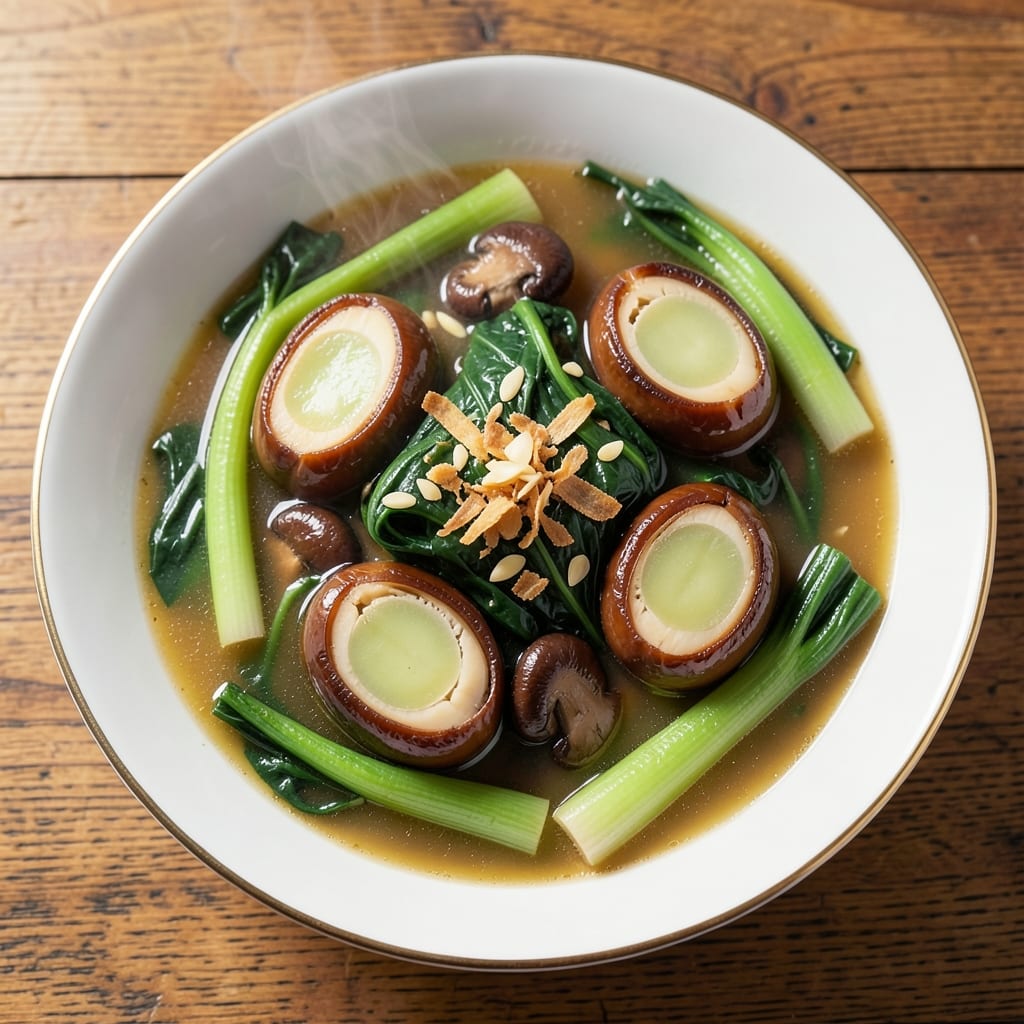
This Chinese spinach soup with century egg delivers a symphony of textures and flavors that balance delicate freshness with deep umami richness. The preserved century egg, with its distinctive dark yolk and salty-sweet profile, serves as the dish's secret weapon—transforming ordinary spinach into an extraordinary centerpiece. I've perfected this recipe over years of testing, ensuring the broth remains clear and aromatic while the spinach stays vibrant and tender.
The magic lies in the technique: blanching the spinach just before adding it to the hot broth preserves its bright green color and crisp texture, while the century egg adds layers of complexity that no other ingredient can match. What makes this recipe truly special is its ability to satisfy both traditionalists and modern palates—adjust the spice level with chili oil or keep it mild for a more delicate flavor profile. The result is a soup that's both comforting and sophisticated, perfect for any occasion.
By the time you finish this recipe, you'll have a steaming bowl of soup where each spoonful delivers a perfect balance of silky century egg, fresh spinach, and fragrant broth. The umami depth from the preserved egg pairs beautifully with the natural sweetness of the spinach, creating a harmony that's impossible to resist. This is the kind of dish that feels like a hug on a cold day—rich, nourishing, and deeply satisfying.
Whether you're serving it as a light lunch or a hearty starter, this soup is versatile enough to adapt to your needs. Garnish with a drizzle of sesame oil and crushed peanuts for added texture and flavor. Let's get started on creating this timeless Chinese classic in your own kitchen.
Ingredients for chinese spinach soup with century egg
Fresh greens and preserved umami create a visually stunning soup with restaurant-quality depth.
| Ingredient | Amount | Notes |
|---|---|---|
| Baby Bok Choy 🧅 | 8 pieces | Whole heads, trimmed |
| Century Eggs 🥚 | 2 whole | Sliced thinly, marbled center |
| Fresh Ginger Root 🧄 | 1 inch | Peeled, sliced thinly |
| Garlic Cloves 🧄 | 4 cloves | Minced finely |
| Dried Shiitake Mushrooms 🍄 | 4 whole | Rehydrated, sliced |
| Vegetable Broth 💧 | 4 cups | Low-sodium preferred |
| Sesame Oil 🫒 | 1 tbsp | Toasted for aroma |
| Light Soy Sauce 🥄 | 1 tbsp | Kikkoman preferred |
| Dark Soy Sauce 🥄 | 1 tsp | For color depth |
| Cornstarch 🌾 | 1 tsp | Dissolved in 1 tbsp water |
| Red Chili Flakes 🌶️ | ½ tsp | Adjust to taste |
| Green Onions 🧅 | 2 whole | Sliced thinly, for garnish |
| Toasted Sesame Seeds 🌰 | 1 tsp | For garnish |
| Salt 🧂 | ½ tsp | Diamond Crystal preferred |
| White Peppercorns 🌶️ | ¼ tsp | Freshly ground |
The century egg is the heart of this dish—look for eggs with a dark, marbled center and firm yolk. Asian grocery stores carry them fresh, or order online from specialty suppliers like H Mart or Chinatown markets. If you can't find them, preserved duck eggs work as a substitute, though they lack the same depth. Fresh ginger and shiitake mushrooms should be bright and firm, with no signs of drying. The bok choy should have tight, vibrant leaves—avoid wilted heads. For the broth, homemade vegetable stock elevates the dish, but store-bought low-sodium options like Pacific Foods work in a pinch.
No century eggs? Preserved duck eggs are your next best option, though they're milder. Replace shiitake mushrooms with cremini or oyster mushrooms for a similar earthy note. The soy sauces can be swapped—use only light soy if dark isn't available, but the dish will lack visual contrast. For extra umami without century eggs, add 1 tbsp miso paste or 1 tsp fish sauce (though the latter isn't vegetarian). The cornstarch slurry is key for thickening—don't skip it, or the soup will be watery. If you're short on time, pre-sliced ginger from the produce section works, though fresh is always better.
Century eggs keep unrefrigerated for months in their brine, but once opened, store them covered in the fridge for up to 3 days. Fresh ginger lasts 2 weeks in the fridge, while dried shiitake mushrooms stay potent for 6 months in a cool, dark place. The soup reheats beautifully—simmer gently to avoid breaking the century egg slices. For meal prep, portion into jars and store for 3 days in the fridge. The flavors deepen overnight, making it even more rewarding the next day.
Why You'll Love This Recipe
- One-Pot Magic: I swear by this recipe when I’m too tired to wash extra bowls—just toss everything into a single pot, and the shiitake mushrooms soak up the broth while the bok choy wilts. The century eggs? They melt right in, no peeling required.
- Umami Bomb: Between the funky, creamy century eggs and the deep earthiness of shiitake mushrooms, this soup is ridiculously flavorful. Honestly, the first time I made it, I nearly skipped dinner just to have seconds.
- Weeknight Workhorse: I make this at least twice a week—it’s my go-to when I need something hearty but doesn’t require a grocery haul. The dried shiitake mushrooms add richness without extra cost, and the ginger and garlic give it that instant "I’m not eating takeout" vibe.
- Leftovers That Don’t Suck: Unlike most soups, this one actually tastes better the next day. I’ll portion it out for lunch, and the century eggs keep their texture while the bok choy stays tender. Plus, it’s cheap enough that I don’t feel guilty freezing half for lazy days.
Step-by-step instructions for Chinese spinach soup with century egg
Here's how to create this vibrant, umami-rich soup with perfect texture and balance.
Rehydrate and Prepare the Shiitake Mushrooms
Place the 4 whole dried shiitake mushrooms in a small bowl and cover them completely with hot water. Let them soak for 20-30 minutes until they've expanded significantly and become pliable. Drain carefully, reserving the soaking liquid for later use.
Once rehydrated, slice the mushrooms thinly against the grain. The mushrooms should now be soft and chewy with a rich, earthy aroma. This preparation step is crucial—it transforms the dried mushrooms into a key flavor contributor that will meld beautifully with the other ingredients.
Build the Flavor Base in the Wok
Heat a wok or large pot over medium-high heat until hot. Add the 1 tablespoon sesame oil and swirl to coat the pan. Add the 1 inch sliced fresh ginger root and 4 cloves minced garlic cloves, stirring constantly for 30 seconds until fragrant.
Next, add the sliced shiitake mushrooms and cook for 2-3 minutes until they begin to release their moisture and develop a slightly golden color. This step develops the foundational flavors that will carry through the entire soup. If the mushrooms release too much liquid, let it evaporate before proceeding.
Simmer the Broth and Seasonings
Pour in the 4 cups vegetable broth and bring to a gentle boil. Reduce heat to medium-low and add the 1 tablespoon light soy sauce, 1 teaspoon dark soy sauce, 0.5 teaspoon salt, and 0.25 teaspoon freshly ground white peppercorns. Stir well to combine all the seasonings.
Let the broth simmer for 5 minutes to allow the flavors to meld together. This is where the soup's depth develops—don't rush this step. The dark soy sauce will give the broth a beautiful amber color, while the white peppercorns add subtle warmth that complements the century eggs perfectly.
Prepare and Add the Century Eggs
While the broth simmers, slice the 2 whole century eggs thinly against the marbled center. The century egg's yolk should be pale green with dark specks, and the white should have a jelly-like texture. Add the sliced century eggs to the simmering broth and cook for 2 minutes to gently warm through.
Here's the thing—century eggs are already preserved, so they don't need long cooking. Just enough time to integrate their unique flavor into the soup. The eggs should float just below the surface, maintaining their distinctive appearance while infusing the broth with their rich, briny depth.
Finish with Vegetables and Garnishes
Add the 8 pieces trimmed baby bok choy and 0.5 teaspoon red chili flakes to the soup. Cook for 3-4 minutes until the baby bok choy is bright green and just tender—it should still have a slight bite to it. The chili flakes will add a subtle heat that balances the richness of the century eggs.
In a small bowl, dissolve the 1 teaspoon cornstarch in 1 tablespoon water. Stir this slurry into the soup and cook for 1-2 minutes until the soup thickens slightly to a velvety consistency. Remove from heat and stir in the 1 teaspoon toasted sesame seeds and sliced 2 whole green onions.
Serve Immediately for Best Results
Ladle the soup into bowls, making sure each serving gets a good portion of century egg slices and baby bok choy. The soup should be vibrant in color—deep amber from the soy sauces, bright green from the bok choy, and pale green from the century egg yolks.
Serve with extra green onions and sesame seeds on the side if desired. This soup tastes best when enjoyed immediately while the century eggs are still warm and the broth maintains its velvety texture. Each spoonful delivers a perfect balance of umami, freshness, and subtle heat that makes this dish truly special.
Pro Tips For Making Chinese Spinach Soup With Century Egg
- SOAK MUSHROOMS 20 MINUTES: I learned this the hard way—dried shiitakes need time to plump up properly. Toss them in hot water for 20 minutes before slicing, or they’ll stay stubbornly tough and chewy. (Yes, even if you’re impatient like me.)
- SLICE CENTURY EGGS THIN: The key to balance is thin, even slices—about ¼-inch thick. Thicker pieces stay rubbery, while thinner ones melt into the broth without overpowering. Use a sharp knife and steady pressure.
- ADD BOK CHOY LAST: Baby bok choy wilts in seconds, so reserve it until the very end. Toss it in for just 30 seconds—any longer and it turns to mush. (Your future self will thank you.)
- STIR-FRY GINGER-GARLIC FIRST: Sauté the ginger and garlic until fragrant but not browned—this builds the soup’s foundation. A quick 30-second cook at medium heat releases their flavors without burning. (Skip this, and the dish tastes flat.)
Wine and beer pairings for these flavors
Light White Wine
For this delicate yet umami-rich soup, I reach for a crisp Chinese dry Riesling or German Spätlese. The wine's bright acidity cuts through the century egg's richness while complementing the spinach's freshness. A glass of Chateau d'Esclans Whispering Angel from France also works beautifully—its citrus notes mirror the ginger and garlic in the broth. 🍷
Light Beer Pairings
A Chinese lager like Tsingtao or Snow Beer provides the perfect balance—its mild, slightly sweet profile won't overpower the soup's complex flavors. For a Western option, try a Belgian witbier such as Hoegaarden with its coriander and citrus notes, which refresh the palate between spoonfuls. Avoid heavy stouts or IPAs that could dominate the dish.
Sake for Tradition
If you want to stay true to the dish's Chinese roots, a dry junmai sake like Dassai or Gekkeikan adds an authentic touch. The subtle umami and clean finish enhance the century egg's depth without competing. Serve it chilled for a refreshing contrast to the warm soup. For extra elegance, use it to deglaze the wok during cooking.
Non-Alcoholic Options
For those avoiding alcohol, a sparkling green tea like Jasmin Leaf or a ginger-infused iced tea with lemon mimics the wine's acidity. The ginger echoes the soup's flavor base while keeping it refreshing. A cucumber-mint infused water with a squeeze of lime also works wonderfully, especially on hot days. 💫
Nutrition facts
Frequently asked questions
What makes century eggs essential in this spinach soup?
The century egg provides that signature umami depth and salty-sweet complexity that transforms simple spinach into a luxurious dish. Its jelly-like texture contrasts beautifully with the tender bok choy, while the marbled yolk adds visual drama. Without it, the soup would lack that authentic Chinese restaurant flavor profile.
Can I substitute century eggs with another ingredient?
Yes! If you can't find century eggs, try preserved duck eggs (milder) or 1 tbsp miso paste for umami depth. For texture, add 1/4 cup silken tofu cubes—they mimic the century egg's softness. Just know the flavor won't be identical, but these swaps work in a pinch. The key is balancing the rich ingredient with fresh spinach.
How do I store leftover century eggs?
Store any unused century eggs in their original brine in the fridge for up to 3 days. Once opened, keep the remaining slices submerged in water in an airtight container. For longer storage, freeze them in a single layer before transferring to a bag—thaw overnight in the fridge before using. Never refreeze once thawed.
Why does my soup turn out watery?
This usually happens when you skip the cornstarch slurry or overcook the vegetables. The slurry is crucial for thickening—don't rush the 1-2 minute simmer after adding it. Also, add bok choy only at the end to prevent it from releasing too much water. For extra body, reduce the broth by 5 minutes before adding the vegetables.
Is this soup spicy?
The recipe includes just 0.5 tsp red chili flakes—mild enough to be barely noticeable. For more heat, add 1 tsp chili oil** at the end. If you prefer completely no-spice, simply omit the chili flakes entirely. The century egg and soy sauces provide plenty of flavor without any heat.