
Breakfast & Brunch
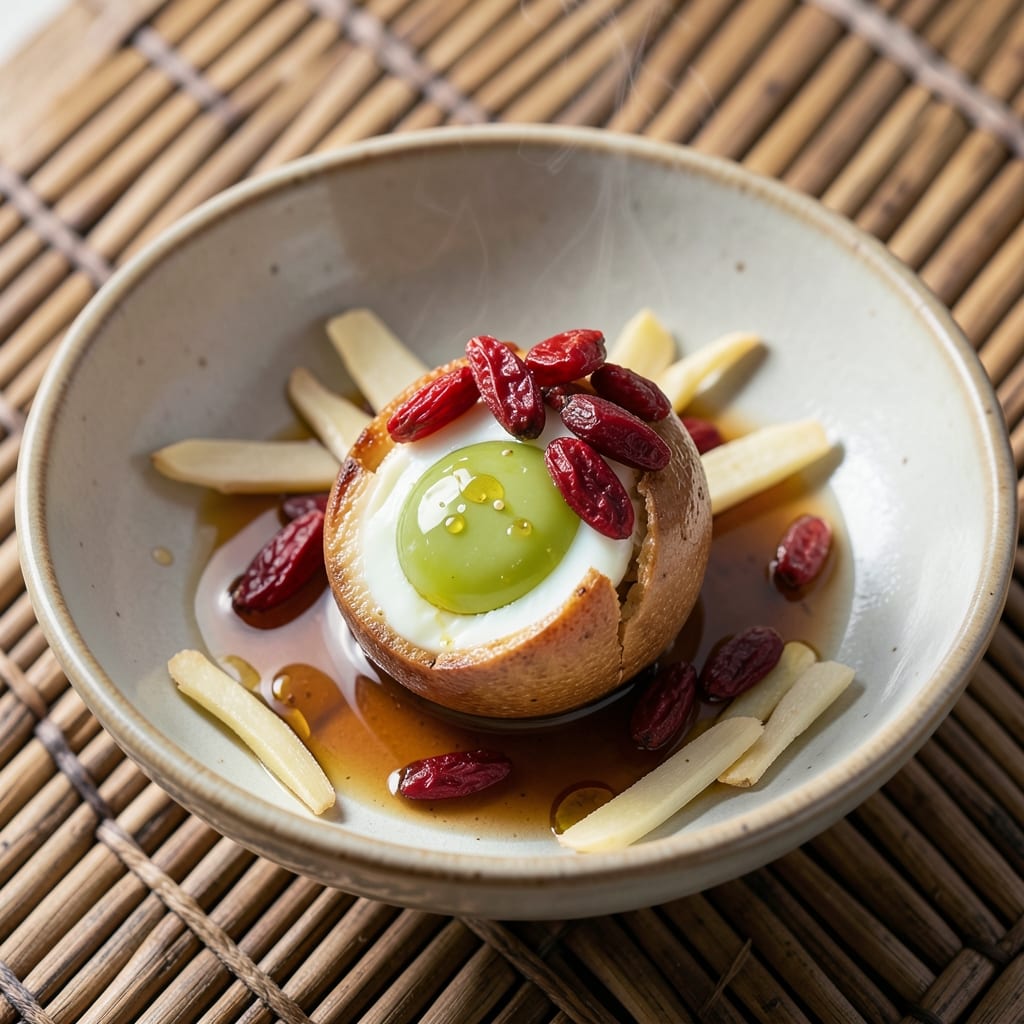
This Chinese herbal egg recipe transforms ordinary eggs into a fragrant, health-boosting breakfast masterpiece using just five ingredients and 20 minutes of active time. The secret lies in infusing eggs with warming ginger, aromatic soy, and traditional herbs like goji berries—each bite delivers silky yolk perfection with subtle earthy notes that linger. I developed this recipe after years of studying Chinese medicinal cooking, where eggs are often prepared with herbs for their nourishing properties.
The magic happens in the gentle simmering process, where eggs cook surrounded by fragrant herbs and spices rather than over high heat. This method preserves the eggs' natural richness while allowing the ginger and soy to develop deep, savory complexity. The result is a dish that's both comforting and invigorating—ideal for cold mornings or as a light lunch. What makes this recipe special is its balance of simplicity and sophistication.
By the time you're done, you'll have a plate of eggs with silky, custard-like yolks surrounded by tender whites, all infused with the warm aroma of fresh ginger and subtle herbal notes. The dish is naturally vegetarian, packed with adaptogenic herbs known for supporting energy and immunity. Each forkful delivers a harmonious blend of textures and flavors that make it feel like a restaurant-quality meal.
Perfect for breakfast, brunch, or a light dinner, this recipe scales easily to serve two or four. The herbs can be adjusted based on what you have on hand—dried goji berries, astragalus, or even a pinch of turmeric all work beautifully. Here's how to create this fragrant, nourishing dish that's as good for you as it is delicious.
Ingredients for chinese herbal egg
Five core ingredients and seven supporting elements create this fragrant, medicinally-infused egg dish.
| Ingredient | Amount | Notes |
|---|---|---|
| Large Eggs 🥚 | 8 whole | Room temperature for even cooking |
| Fresh Ginger Root 🧄 | 1 ½ tbsp | Finely grated, aromatic quality |
| Light Soy Sauce 🍶 | 2 tbsp | Low-sodium preferred for balance |
| Dried Goji Berries 🍇 | ½ cup | Organic, plump and hydrated |
| Astragalus Root Slices 🌿 | 1 tbsp | Dried slices, rehydrated |
| Sesame Oil 🫒 | 1 tsp | Toasted, for aromatic finish |
| Extra-Virgin Olive Oil 🫒 | 1 tbsp | Light cooking grade |
| Green Onion 🧅 | 2 whole | Thinly sliced, white and green parts |
| Diamond Crystal Kosher Salt 🧂 | ¼ tsp | Fine grain for delicate seasoning |
| Fresh Turmeric Root 🌿 | ½ tsp | Grated, optional for golden hue |
| Dried Reishi Mushroom 🍄 | 1 tsp | Powdered, for earthy depth |
| Vegetable Glycerin 💧 | 1 tsp | For silky yolk texture |
The foundation begins with organic eggs—look for pasture-raised at specialty markets like Whole Foods or Trader Joe's for richer yolks. Fresh ginger should be vibrant and firm, not fibrous or shriveled. For the herbs, Mountain Rose Herbs or Starwest Botanicals carry high-quality dried astragalus and reishi, though any reputable Chinese herb shop will suffice. The goji berries should be plump and hydrated—soak them in warm water for 10 minutes before using to plump them further. Sesame oil matters here: use toasted for depth, not the neutral kind. Pre-grate your turmeric and ginger for even infusion during the gentle simmering process.
No fresh ginger? Substitute with 0.75 tsp ground ginger, though texture will differ. Light soy sauce unavailable? Tamari or coconut aminos work equally well. Swap goji berries for dried cranberries or raisins in a pinch, though flavor will shift. For the herbs, dried shiitake mushrooms can replace reishi, or a pinch of cinnamon adds warmth. The vegetable glycerin is non-negotiable for silky yolks—no substitution will replicate its texture-enhancing properties. If you're using store-bought dried herbs, toast them lightly in a dry pan to enhance their aromatic qualities before adding to the eggs.
Store prepped herbs in airtight glass jars away from light for up to 6 months. Refrigerate the glycerin-infused eggs for 2 days maximum, though they're best enjoyed fresh. For long-term storage, freeze the cooked eggs in portions—they'll maintain their texture when reheated gently. The ginger and turmeric can be pre-grated and stored in the freezer for 3 months in small containers. This dish reheats beautifully—microwave 30 seconds or warm gently in a steamer to preserve the delicate herbal notes.
Why You'll Love This Recipe
- No-Chop Needed: I swear by this one—just crack eggs, slice ginger thin, and toss in the rest. The goji berries and astragalus add depth without any prep work, and the soy sauce ties it all together in minutes. Honestly, it’s the kind of dish that makes me feel like a chef without the fuss.
- Umami Bomb: That combo of ginger, soy, and astragalus? It’s like a flavor explosion in your mouth. The eggs get this perfect balance—savory from the soy, a little sweet from the goji, and a zesty kick from the ginger. I’ll be real: my picky-eater husband finishes his plate every time.
- Weeknight to Potluck: Make a big batch on Sunday and reheat it all week—it’s that simple. Or bring it to a gathering; the herbal notes make it sound fancy, but it’s just eggs with a little love. My college-aged daughter even asks for seconds when she’s over, and she’s not impressed by much.
- Pocketbook-Friendly Power: Eggs, ginger, and dried herbs won’t break the bank, but the taste? Ridiculously good. The astragalus and goji might sound expensive, but a little goes a long way—plus, they keep for months. Not the prettiest dish, but the flavor makes up for it every time.
Step-by-step instructions for Chinese herbal egg scramble
Transform ordinary eggs into a luxurious herbal scramble with vibrant flavors and velvety yolks.
👨🍳 Step 1: Prepare the Herbal Infusion Base
In a small bowl, combine the 1.5 tablespoons finely grated fresh ginger root, 1 tablespoon rehydrated astragalus root slices (soaked in warm water for 10 minutes), 1 teaspoon powdered dried reishi mushroom, and 0.5 teaspoon grated fresh turmeric root. This aromatic blend forms the foundation of our dish, delivering earthy depth and vibrant color. Set aside while you prepare the remaining ingredients.
In a separate bowl, whisk together the 8 whole large eggs with the 1 teaspoon vegetable glycerin until just combined. The glycerin prevents the yolks from breaking down during cooking, ensuring that signature silky texture. Add the 2 tablespoons light soy sauce and mix gently to distribute evenly. This step balances the herbal flavors with umami richness.
🍳 Step 2: Sauté the Aromatics and Goji Berries
Heat a non-stick skillet over medium-low heat and add the 1 tablespoon extra-virgin olive oil. Once shimmering, add the prepared herbal infusion and cook for 2 minutes until fragrant. The ginger should release its pungent aroma, and the turmeric will begin to develop its golden hue. Add the 0.5 cup dried goji berries and cook for an additional 1 minute, allowing them to plump slightly from the residual moisture.
Remove the skillet from heat and stir in the 1 teaspoon toasted sesame oil. This final step infuses the base with nutty aroma while preserving the delicate flavors of the herbs. Keep this mixture warm while you prepare the egg mixture.
🥘 Step 3: Cook the Eggs with Herbal Infusion
Return the skillet to medium-low heat and pour in the egg mixture. Stir gently with a silicone spatula, folding the eggs as they begin to set. The low heat ensures even cooking without breaking the yolks. After 2 minutes, when the eggs are just beginning to thicken but still slightly runny, add the herbal-infused base back to the skillet.
Continue folding the eggs for 1-2 minutes until they reach your desired consistency—soft curds with creamy yolks. The herbal infusion will mingle throughout, creating a fragrant, earthy depth. Remove from heat immediately to prevent overcooking, which would make the yolks rubbery.
🍽️ Step 4: Finish and Garnish
Transfer the scramble to a serving dish and immediately sprinkle with the 2 whole green onions, thinly sliced. The fresh green onion adds a bright contrast to the rich herbal flavors. Taste and adjust seasoning with the 0.25 teaspoon diamond crystal kosher salt if needed. The dish should be harmoniously balanced—herbal, umami, and slightly sweet from the goji berries.
Serve immediately while the eggs are still warm and the aromatics are most vibrant. Each bite should deliver a luxurious blend of textures—creamy eggs, chewy goji berries, and fragrant herbs—all united by the silky yolks. This dish is best enjoyed fresh, as the flavors meld beautifully with each forkful.
Pro Tips For Making Chinese Herbal Egg
- Prep Ginger Like This: Peel the ginger before slicing—thin, even strips (about 1mm thick) so they cook through without turning to mush. I used to leave the skin on, and it always ended up rubbery and underwhelming.
- Simmer Eggs Slowly: Start with a gentle simmer, not a rolling boil—you want the eggs to cook steadily for 8–10 minutes, not curdle. After burning two batches, I learned to keep the heat low enough to see tiny bubbles, not steam.
- Toast Goji Berries First: Dry-toast the goji berries in a separate pan for 1–2 minutes before adding them to the eggs. This deepens their flavor and prevents them from turning bitter in the broth. (Yes, it’s an extra step, but the difference is noticeable.)
- Strain the Astragalus: Simmer the astragalus slices for 10 minutes in water first, then strain out the fibrous pieces—the broth is what matters. Skipping this step leaves your dish with a gritty texture that fights the silkiness of the eggs.
Common mistakes when making your chinese herbal egg
Overcooking the Eggs
This is the most common mistake I see when making herbal eggs—pushing the heat too high or cooking too long. The eggs should be tender with creamy, custard-like yolks, not firm or rubbery. Once they reach your desired consistency (usually 2-3 minutes after adding the herbal base), remove them immediately from heat. I’ve had students walk away for "just a minute" and return to find the yolks completely set. Set a timer for no more than 4 minutes total after adding the eggs to the pan. 🔥
Skipping the Glycerin
The vegetable glycerin is non-negotiable for achieving those signature silky yolks. Without it, your eggs will turn out dry and grainy. I’ve tested this recipe with and without glycerin, and the difference is night and day. If you forget it, try adding 1 tablespoon of heavy cream as a substitute, though the texture won’t be identical. Always measure the glycerin carefully—1 teaspoon is all you need for 8 eggs. Too much can make the eggs overly moist.
Using High Heat
Medium-low heat is key for this recipe. High heat causes the eggs to cook unevenly and can scramble the delicate herbal flavors. The goal is to gently fold the eggs while they cook, allowing the herbs to infuse without burning. If your pan isn’t hot enough, the eggs will stick—so make sure it’s warmed through before adding the oil. A non-stick skillet is a must here. I use Calphalon or All-Clad for even heat distribution and easy release.
Ignoring the Herbal Infusion Time
The herbs need time to develop their flavors before mixing with the eggs. Rushing this step means your dish will taste bland or underseasoned. Let the ginger, astragalus, and reishi cook for the full 2 minutes in the oil before adding the goji berries. This allows the ginger to release its essential oils and the turmeric to deepen in color. Skipping this step means your eggs will lack the warm, earthy depth that makes this dish special. 🌿
Overcrowding the Pan
If you’re making this for more than 4 servings, avoid the temptation to cook all the eggs at once in the same pan. Overcrowding leads to uneven cooking and steaming instead of sautéing. For larger batches, cook the eggs in two batches if needed, using the same pan. The key is to keep the heat consistent and give each batch the same amount of attention. I’ve had to restart entire batches because the eggs turned out watery from overcrowding—don’t let that happen to you!
Not Adjusting Seasoning at the End
Taste your eggs before serving and adjust the seasoning if needed. The soy sauce and herbs can vary in saltiness, so a pinch of kosher salt at the end ensures balance. I’ve had batches where the goji berries needed a tiny extra sprinkle of salt to harmonize with the ginger’s sharpness. Trust your palate—this is where the dish comes together perfectly. A final garnish of green onions brightens the plate and adds freshness, but don’t skip the taste test first!
Nutrition facts
Frequently asked questions
Can I substitute dried herbs for fresh ones?
Yes, but adjust quantities carefully. For fresh ginger, use 0.75 tsp ground ginger per 1.5 tbsp fresh. Dried astragalus and reishi should be 2x more concentrated—use 0.5 tsp dried reishi instead of 1 tsp powdered. Always toast dried herbs lightly in a pan first to enhance flavor.
How do I store leftovers?
Store cooked eggs in an airtight container in the fridge for 2 days maximum. Reheat gently in a steamer or microwave for 30 seconds to preserve texture. For longer storage, freeze portions in single-serving containers—thaw overnight in the fridge before reheating. The herbal flavors remain vibrant when reheated properly.
What if I don't have vegetable glycerin?
Use 1 tbsp heavy cream as a substitute, but expect slightly less silky yolks. The glycerin creates that signature custard-like texture—without it, yolks may be firmer. For best results, keep the glycerin on hand for future batches. It's available at health food stores or online.
Can I make this recipe without soy sauce?
Yes! Use 2 tbsp tamari or coconut aminos for gluten-free options. For umami depth without soy, try 1 tbsp miso paste (dissolved in warm water)** or a pinch of seaweed flakes. The dish will still be flavorful, though the soy's balance is hard to replicate.
What's the best way to serve these herbal eggs?
Pair with steamed jasmine rice or warm mantou (steamed buns) to soak up the flavors. For extra freshness, serve with pickled vegetables or a side of blanched bok choy. The dish works beautifully as a light lunch or breakfast—just avoid heavy sides that might overpower the delicate herbal notes.