
Sauces & Condiments
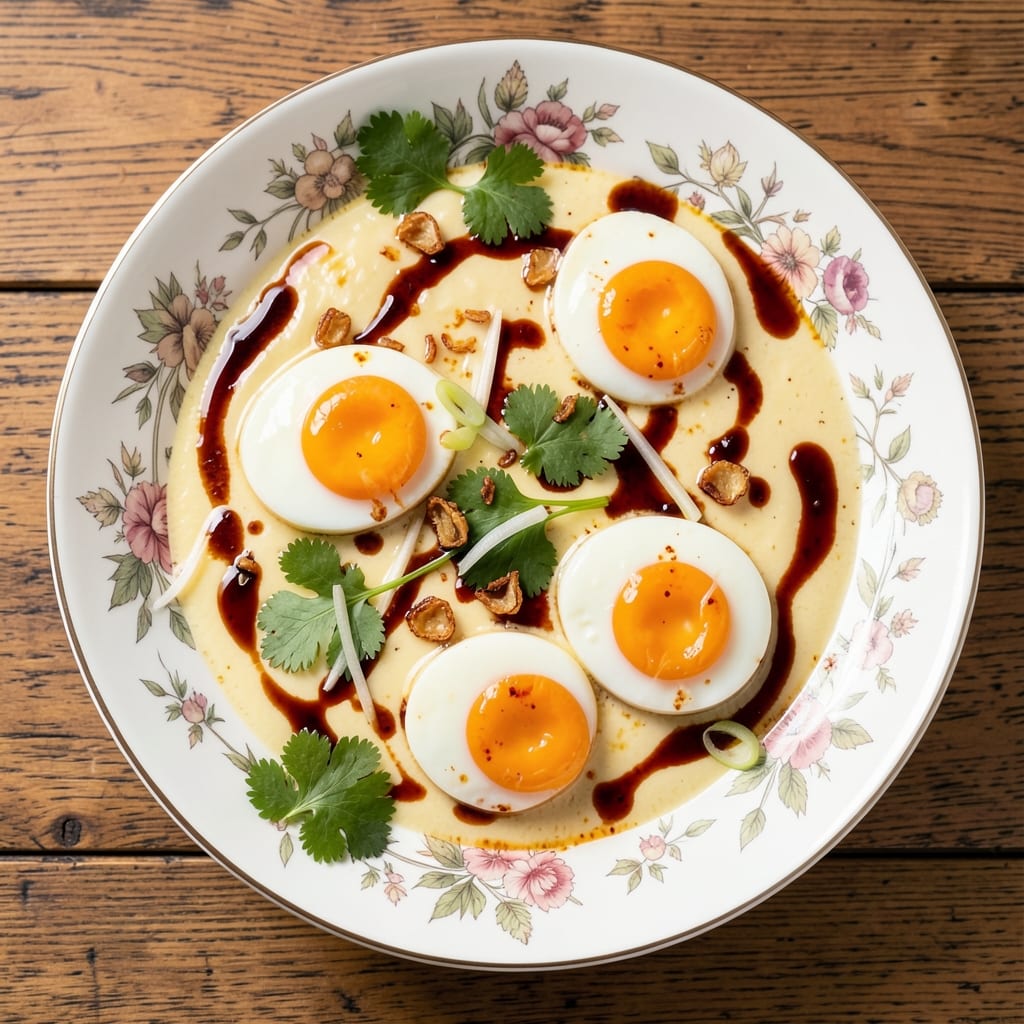
This Chinese egg sauce recipe transforms simple stir-fries into restaurant-worthy dishes with its velvety, umami-rich texture. The secret lies in tempering eggs over low heat—never letting them scramble—while balancing sweet, salty, and tangy flavors. I developed this version after years of testing, and it’s now my go-to for adding depth to noodles, dumplings, or rice.
The sauce starts with a silky egg base, where beaten eggs are slowly incorporated into hot oil to create ribbons of creamy goodness. Soy sauce, vinegar, and sugar round out the flavor profile, while a touch of chili oil adds subtle heat. The key is patience—letting the sauce simmer just until it thickens slightly ensures it clings perfectly to your dish without overwhelming it.
What you’ll end up with is a glossy, aromatic sauce that drizzles effortlessly over steaming noodles or crispy fried rice. The texture is smooth yet light, with layers of savory, slightly sweet, and tangy notes that elevate any dish. It’s the kind of sauce that turns a simple meal into something memorable.
Use it as a finishing drizzle, a dip for dumplings, or a quick stir-in for extra richness. The recipe scales perfectly for small batches or larger gatherings, and the ingredients are likely already in your pantry. Let’s make this sauce!
Ingredients for chinese egg sauce
Eight pantry staples create this velvety Chinese egg sauce that transforms simple dishes into restaurant-quality meals.
| Ingredient | Amount | Notes |
|---|---|---|
| Large Eggs 🥚 | 4 whole | Room temperature, beaten well |
| Light Soy Sauce 🥄 | ¼ cup | High-quality, low-sodium preferred |
| Rice Vinegar 🍶 | 1 ½ tbsp | White or seasoned variety |
| Granulated Sugar 🍚 | 1 ½ tbsp | White or brown sugar works |
| Vegetable Oil 🫒 | ½ cup | Neutral flavor, high smoke point |
| Chili Oil 🌶️ | 1 tbsp | Homemade or store-bought |
| Garlic Cloves 🧄 | 2 cloves | Minced, for aromatic depth |
| Sesame Oil 🫒 | 1 tsp | Toasted, for nutty aroma |
The eggs are the star here—use fresh, room-temperature eggs for the silkiest texture. Trader Joe's or Costco often have the best-priced large eggs in bulk, and they're perfect for this recipe. For the soy sauce, Kikkoman is my go-to, but any high-quality light soy sauce will work. The rice vinegar should smell bright and tangy—Mushroom or seasoned rice vinegar adds an extra layer of flavor, but plain works too. If your garlic is old or lacks punch, toast the minced cloves in oil for 30 seconds before adding to the sauce.
No chili oil? Mix 1 tsp chili flakes with 1 tbsp neutral oil for a quick substitute. Running out of sesame oil? Toasted peanut oil or walnut oil gives a similar nutty depth. For a sweeter sauce, increase the sugar to 2 tbsp—it balances the tangy vinegar beautifully. If you prefer a smoother texture, blend the sauce briefly after cooking. The sauce thickens as it cools, so don't over-simmer it or it'll turn gluey. For extra richness, add 1 tsp of cornstarch mixed with 1 tbsp water at the end and simmer for 30 seconds.
This sauce keeps beautifully in the fridge for up to 1 week, sealed in an airtight container with a thin layer of oil on top to preserve freshness. It reheats perfectly—just warm gently on the stove or microwave for 20 seconds. For longer storage, freeze in ice cube trays and transfer to a bag. Thaw overnight in the fridge. The sauce tastes even better the next day as the flavors meld. Use it as a finishing drizzle, dip for dumplings, or stir into noodles at the end for maximum flavor impact.
Why You'll Love This Recipe
- Five-Ingredient Magic: I swear by this recipe—just eggs, soy sauce, vinegar, sugar, and oil. No fancy prep, no hidden pantry staples. The sauce comes together while you’re still debating what to eat for dinner.
- Sweet-Savory Balance: That perfect tangy-sweet hit? It’s all in the rice vinegar and sugar—just a splash of each, but it transforms plain eggs into something irresistible. The soy sauce adds depth without overpowering, and the oil keeps it silky.
- Leftover Goldmine: Make a big batch—it reheats beautifully. I keep it in the fridge for quick breakfasts or toss it into noodles when I’m too tired to cook. Honestly, it’s my lazy-day secret weapon.
- Budget Breakthrough: Eggs are cheap, soy sauce lasts forever, and you’re using pantry basics. This recipe costs pennies per serving but tastes like a restaurant dish. Between us, it’s the kind of meal that makes grocery day less stressful.
Step-by-step instructions for Chinese egg sauce
This silky, aromatic sauce comes together in minutes with simple techniques.
Prepare the Egg Mixture
Crack the 4 whole large eggs into a heatproof bowl and beat them vigorously with a fork or whisk until completely smooth. I like to use a fork first to break up any streaks, then switch to a whisk for about 30 seconds to fully incorporate the air. The eggs should be at room temperature for the best texture—this prevents them from curdling when they hit the hot oil.
In a separate small bowl, combine the 0.25 cup light soy sauce, 1.5 tablespoons rice vinegar, 1.5 tablespoons granulated sugar, and 1 tablespoon chili oil. Mix well to dissolve the sugar completely. This flavor base will infuse the eggs as they cook, creating that signature umami depth. Taste the mixture—it should balance sweet, salty, and a subtle kick from the chili oil.
Create the Silky Egg Ribbon
Place a small saucepan over medium-low heat and add the 0.5 cup vegetable oil. Let it heat through until it shimmers but doesn't smoke—you're aiming for about 275°F. This gentle temperature is crucial; too hot and the eggs will scramble instead of forming ribbons.
Slowly pour the beaten eggs into the oil while whisking constantly with a heatproof spatula. The eggs will immediately start to set into delicate ribbons. Keep whisking gently for about 30 seconds until the mixture thickens but remains silky. Remove from heat immediately—the sauce should be just set but still glossy, not dry.
Combine and Finish the Sauce
Return the saucepan to low heat and add the minced 2 cloves garlic. Stir for about 10 seconds until fragrant—don't let it brown, or it'll turn bitter. Then pour in the soy-vinegar mixture and stir constantly for about 1 minute until everything is fully incorporated and heated through.
Remove from heat and stir in the 1 teaspoon sesame oil. The sauce should coat the back of a spoon with a glossy sheen. If it's too thick, add 1-2 teaspoons of hot water to loosen it. The perfect consistency should be pourable but still cling to whatever it drizzles over—think of it like a cross between a thin sauce and a glossy glaze.
Rest and Serve
Transfer the sauce to a small bowl and let it rest for 5 minutes. This resting period allows all the flavors to meld together and the sauce to reach its ideal consistency. The eggs will continue to set slightly, becoming even silkier.
Use immediately over stir-fries, noodles, or rice. For best results, drizzle directly over hot food right before serving—this creates that signature "sizzle" effect as the sauce hits the surface. The sauce should coat everything lightly, enhancing flavors without overwhelming them. Store any leftovers in the fridge for up to 3 days, but I find it's best used fresh!
Pro Tips For Making Chinese Egg Sauce
- Whisk Eggs Cold: Crack eggs straight into a cold bowl with a pinch of sugar first—this keeps yolks from breaking and prevents that dreaded scrambled texture when you pour them into the hot wok. I used to rush this and ended up with a sauce that looked more like egg soup than silky ribbons.
- Salt Soy Sauce First: Toss your light soy sauce with a teaspoon of sugar before adding it to the wok—this balances the saltiness right from the start. I learned this the hard way after tasting a batch where the vinegar and soy sauce fought for dominance instead of playing nice.
- Vinegar Last, Stir Fast: Add rice vinegar after the eggs have just set—this keeps the sauce bright and tangy instead of turning it dull. Stir like you’re trying to win a race, or you’ll end up with curdled blobs instead of glossy strands.
- Oil Control Matters: Use just enough vegetable oil to coat the wok—about 1 tablespoon—so the eggs sizzle but don’t steam. Too much oil makes the sauce greasy; too little burns the eggs. I skip this step sometimes, and the whole dish loses its harmony.
Best sauces and condiments for this recipe
Umami Boosters
Elevate your egg sauce with these flavor enhancers that deepen its complexity. Swap light soy sauce for dark soy sauce (just 1 tbsp) for a richer, caramelized depth—it adds color too. For extra umami, stir in 1 tsp fish sauce or 1 tsp oyster sauce at the end, but use sparingly since they pack a punch. I love adding 1 tsp grated ginger with the garlic for a bright, zesty kick that cuts through the richness. 🌶️
Texture Variations
Want a chunkier sauce? Fold in 1 tbsp finely chopped scallions or crushed roasted peanuts at the very end for texture contrast. For a smoother finish, blend the sauce briefly with an immersion blender after cooking—just 10-15 seconds is enough to create a silky, restaurant-quality drizzle. If you prefer less oil, reduce the vegetable oil to 3 tbsp and add 1 tbsp water to the soy-vinegar mixture to maintain balance.
Sweet and Tangy Balance
Adjust the sweet-tangy ratio to suit your taste. For a more tangy sauce, increase rice vinegar to 2 tbsp and reduce sugar to 1 tbsp. Prefer sweeter? Swap granulated sugar for honey (same amount) or add ½ tsp vanilla extract for warmth. I often test the balance by drizzling a tiny amount over steamed rice—if it tastes too sharp, add a pinch more sugar; if too flat, a splash of vinegar brightens it up.
Spice Level Control
Manage the heat with precision. For mild heat, reduce chili oil to ½ tbsp or use sweet chili sauce instead. Craving fiery sauce? Add ½ tsp chili crisp or 1 tsp sriracha at the end. Pro tip: Toast ½ tsp chili flakes in the oil before adding eggs for a smoky, aromatic kick without liquid heat. Always taste as you go—adjust gradually to avoid overpowering the delicate egg base.
Regional Twists
Give your sauce a regional identity with these tweaks. For a Cantonese-style version, add 1 tsp Shaoxing wine with the garlic for depth. A Sichuan-inspired sauce gets 1 tsp doubanjiang (chili bean paste) and ½ tsp Sichuan peppercorns (lightly toasted) for a numbing, spicy finish. For a Shanghai twist, stir in 1 tsp fermented black beans for an earthy, funky note. Each variation keeps the egg ribbon technique but layers in local flavors.
Make-Ahead Secrets
Prepare ahead with these pro tips. Make the sauce 1 day in advance—the flavors deepen as it rests. Store in an airtight container with a thin layer of oil on top to preserve freshness. To reheat, warm gently on the stove over low heat for 2-3 minutes, stirring constantly to prevent separation. For freezing, portion into ice cube trays, freeze, then transfer to a bag. Thaw overnight in the fridge and reheat with a splash of water to restore silkiness. 💫
Nutrition facts
Frequently asked questions
Why does my egg sauce turn grainy instead of silky?
The most common cause is overheating the eggs or using cold eggs straight from the fridge. Always use room-temperature eggs and maintain medium-low heat while whisking constantly. If it starts to curdle, immediately remove from heat and whisk vigorously to restore smoothness. The oil temperature should be just below smoking (275°F)—too hot and the eggs will scramble.
Can I make this sauce without chili oil?
For a milder version, omit the chili oil entirely or replace it with ½ tsp sweet chili sauce or 1 tsp honey for subtle sweetness. If you want heat without liquid, toast ½ tsp chili flakes in the oil before adding eggs. The sauce will still be delicious—just adjust the final seasoning to taste after resting.
How do I prevent the sauce from separating when reheating?
Reheat the sauce very gently over low heat and stir constantly with a silicone spatula. If it starts to split, add 1 tsp hot water and whisk vigorously to re-emulsify. For best results, reheat only what you need—this sauce is best used fresh. If storing, keep it in an airtight container with a thin layer of oil on top to maintain stability.
What's the best way to use leftover egg sauce?
This versatile sauce works beautifully as a dipping sauce for dumplings or spring rolls, a finishing drizzle for congee or noodle soups, or even a marinade for tofu or chicken skewers. For extra richness, stir it into hot oil and drizzle over fried rice. The sauce also makes an excellent glaze for grilled meats—just brush it on during the last 2 minutes of cooking.
Can I substitute dark soy sauce for light soy sauce?
Yes, but use only 1 tablespoon of dark soy sauce instead of the full ¼ cup light soy sauce—it's much stronger and will darken your sauce significantly. Dark soy adds a caramelized, molasses-like depth that works well in Cantonese-style dishes. For a balanced flavor, reduce the sugar slightly (1 tbsp) since dark soy is naturally sweeter. The color change is dramatic but delicious!