
Sauces & Condiments
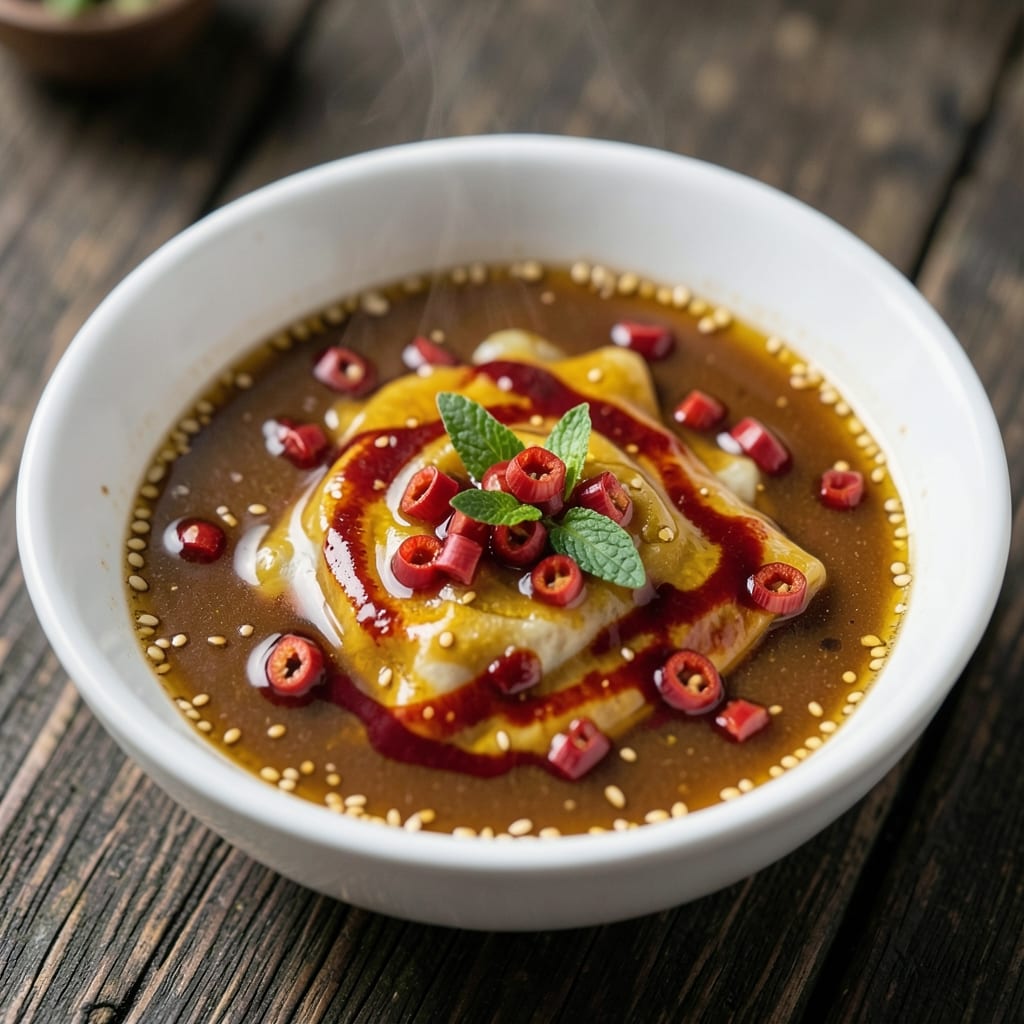
This Chinese egg roll dipping sauce recipe transforms ordinary takeout into a flavor explosion with just five simple ingredients and 5 minutes of prep time. The perfect balance of sweet, spicy, and tangy creates that addictive harmony you crave with every bite. I developed this version after years of tweaking store-bought sauces that always fell short of authentic restaurant quality.
The secret lies in the sauce's layered flavors: rich soy sauce provides the umami base, while rice vinegar adds bright acidity that cuts through the richness. A touch of sugar caramelizes slightly when heated, creating natural sweetness, and chili oil brings the signature heat. What makes this sauce truly special is its adaptability—you can adjust the sweet-spicy ratio to suit any preference.
By the time you're done, you'll have a glossy, aromatic sauce that clings perfectly to egg rolls, spring rolls, or even fries. The flavors meld beautifully when rested for 10 minutes, allowing each component to shine without overpowering. This isn't just a dipping sauce—it's the star of your meal, elevating simple takeout to restaurant-quality.
Make a double batch and store it in the fridge for up to two weeks, or freeze for three months. The sauce only gets better with time as the flavors develop. Whether you prefer it sweet, spicy, or perfectly balanced, this recipe delivers every time. Let's get started!
Ingredients for chinese egg roll dipping sauce
Five simple ingredients that pack a flavor punch for your egg rolls.
| Ingredient | Amount | Notes |
|---|---|---|
| Soy Sauce 🍶 | ½ cup | Light or dark, to taste |
| Rice Vinegar 🍶 | ¼ cup | White or seasoned |
| Granulated Sugar 🍚 | ¼ cup | White or brown sugar |
| Chili Oil 🌶️ | ¼ cup | Store-bought or homemade |
| Sesame Oil 🫒 | 1 tbsp | Toasted for aroma |
| Garlic Cloves 🧄 | 2 cloves | Minced for extra flavor |
| Water 💧 | ¼ cup | For thinning consistency |
Soy sauce is the umami backbone of this sauce—Kikkoman or Lee Kum Kee are my go-tos, but any light or dark soy works. The rice vinegar adds that bright tang, so grab the seasoned kind from Trader Joe's if you want extra depth. Sugar caramelizes beautifully when heated, giving it that natural sweetness. For chili oil, Lao Gan Ma is the classic choice, but any chili oil with visible flakes will work. The sesame oil? Toast it lightly in a dry pan for 30 seconds before adding—trust me, it makes a difference.
No soy sauce? Coconut aminos in a pinch, though it's milder. Skip the rice vinegar? Apple cider vinegar works, but it's less authentic. Sugar substitute? Honey or maple syrup at the same amount. Chili oil too spicy? Reduce to 2 tbsp and add 1 tbsp of mild sriracha instead. The garlic cloves can be omitted if you dislike garlic, but I always include them—they add a subtle depth that balances everything. Water is just for thinning if needed, so eyeball it based on your preferred consistency.
This sauce tastes even better after resting for 10 minutes, so plan ahead. Keeps in the fridge for 2 weeks in an airtight container, or freeze for 3 months. I always double the batch—one for immediate use, one to stash in the freezer. When reheating, just warm it gently on the stove or microwave it for 20 seconds. The flavors deepen over time, so it only gets more delicious.
Why You'll Love This Recipe
- Five-Ingredient Magic: I swear by this combo—soy sauce, vinegar, sugar, and those two oils. It’s the kind of sauce where you mix, taste, and adjust in under two minutes. No fancy techniques, just balance.
- Umami Bomb: That first dip? Chef’s kiss. The soy and sesame oil team up for a deep, savory punch, while the chili oil adds just enough heat to make every bite exciting. Honestly, it’s the reason I keep buying egg rolls.
- Party in a Bowl: Serve it with egg rolls, dumplings, or even fries—no one will complain. I’ve used it for lunchboxes, game-day snacks, and lazy Sundays. It’s the MVP of my pantry.
- Lasts Like a Champ: Make a big batch and store it in the fridge for weeks. The flavors actually get better as it sits, and it’s cheaper than store-bought bottles. My wallet and taste buds both win.
Step-by-step instructions for Chinese egg roll dipping sauce
Here's how to craft a perfectly balanced sauce that's sweet, tangy, and just spicy enough.
Combine Wet Ingredients in a Saucepan
In a medium saucepan, pour in the 0.5 cup soy sauce, 0.25 cup rice vinegar, and 0.25 cup granulated sugar. Stir over medium heat until the sugar dissolves completely—you'll see it disappear into a golden liquid. This step is crucial because undissolved sugar can make your sauce grainy.
Add the 0.25 cup chili oil and 1 tablespoon sesame oil, then bring the mixture to a gentle simmer. The sauce should bubble softly but not boil vigorously. You'll notice the aromas of garlic and chili starting to rise—this is where the magic begins.
Infuse the Garlic and Simmer
Add the 2 minced garlic cloves and stir for 1-2 minutes until fragrant. The garlic should soften slightly but not brown—this prevents bitterness. If it starts to darken, reduce the heat immediately. The sauce should smell like a perfect balance of umami, acidity, and garlic warmth.
Let the sauce simmer gently for 3-4 minutes, stirring occasionally. You're looking for the flavors to meld together—this is when the soy sauce's saltiness, the vinegar's tang, and the sugar's sweetness start to harmonize. The garlic should infuse the sauce without overpowering it.
Thin and Adjust the Consistency
Pour in the 0.25 cup water and stir well. The sauce should now have a smooth, pourable consistency—think of it like a thin gravy. If it's too thick, add a splash more water; if it's too thin, let it simmer for another minute to reduce slightly. The ideal texture should coat the back of a spoon lightly.
Taste and adjust the balance: if it needs more sweetness, add a pinch of sugar; if it's too sharp, a splash of vinegar; if it lacks heat, a drizzle of chili oil. The goal is a sauce that's sweet, tangy, and just spicy enough to complement egg rolls without overpowering them.
Cool and Serve
Remove the sauce from heat and let it cool for 5 minutes. This resting period allows the flavors to fully develop and the garlic to mellow slightly. Stir once more before serving to ensure everything is evenly combined.
Serve warm or at room temperature—it's delicious either way. The sauce should glisten slightly from the sesame oil and have a smooth, velvety texture. Drizzle it over egg rolls, spring rolls, or use it as a dipping sauce for dumplings. The perfect balance of flavors will make every bite irresistible.
Pro Tips For Making Chinese Egg Roll Dipping Sauce
- Stir Before Mixing: The bottle of soy sauce you grab from the back of the pantry? Probably settled. Give it a good shake or stir—uneven salt distribution ruins balance. I learned this the hard way when my first batch tasted salty then bland in alternating sips.
- Use Warm Vinegar: Cold rice vinegar makes the sauce taste harsh and one-dimensional. Warm it slightly (just enough to steam when poured over your finger) before mixing—it integrates smoother and brightens the whole sauce. No microwave? Set the bottle in a bowl of hot water for 2 minutes.
- Measure Chili Oil Last: Add chili oil after everything else is dissolved. Mixing it in early can turn your sauce into a muddy, oily sludge that separates. A few drops at the end lets you control the heat precisely—because some people (looking at you, my mom) prefer it mild.
- Balance the Sweet First: Taste your sauce before adding sugar—it’s easier to fix excess sweetness than to salvage a bland, savory mess. Start with half the recipe’s sugar, let it sit 5 minutes, then adjust. The sugar needs time to fully dissolve and mellow out the acidity.
Troubleshooting this recipe
Sauce Too Thin?
If your sauce ends up too watery, don’t panic—simmer it uncovered over low heat for 3-5 minutes while stirring occasionally. The water will evaporate, thickening the sauce naturally. For an immediate fix, mix 1 teaspoon cornstarch with 1 tablespoon cold water, stir into the sauce, and simmer for 1 more minute until it reaches your desired consistency. 🌡️
Sauce Too Thick?
Thick sauce happens when you skip the water or over-simmer. Thin it by adding 1 tablespoon at a time of warm water, stirring constantly. For a smoother texture, whisk in 1 teaspoon of water while the sauce is still warm. If it’s extremely thick, a splash of rice vinegar (already in your ingredients) can help thin it while adding brightness.
Grainy or Separated?
Graininess usually means undissolved sugar or improperly mixed ingredients. If this happens, strain the sauce through a fine-mesh sieve to remove any grit. For a smoother finish, whisk the sauce vigorously while warm—this helps emulsify the oils and create a silky texture. If separation occurs, gently reheat and whisk until fully combined. 💧
Not Spicy Enough?
If your sauce lacks heat, add ½ to 1 teaspoon of chili oil (or ½ teaspoon of red pepper flakes) and stir well. For extra depth, a pinch of ground Sichuan peppercorns (if you have them) adds a subtle numbing heat. Let it sit for 5 minutes before tasting again—the flavors intensify as they cool.
Too Salty or Sour?
Over-salted? Dilute with 1 tablespoon of water or a splash of vinegar to balance. Too sour? Add ½ teaspoon of sugar or a pinch of baking soda (just a tiny amount—it neutralizes acidity). If the sauce tastes bland, a dash of fish sauce (½ teaspoon) adds umami depth without overpowering.
Storage Issues?
If your sauce develops mold or off smells after refrigerating, it’s gone bad—discard it immediately. To prevent spoilage, always store it in an airtight container in the fridge (up to 2 weeks) or freezer (up to 3 months). When reheating, warm it gently on the stove or microwave for 10-15 seconds—never boil it, as this can break the emulsion and make it separate. ❄️
Nutrition facts
Frequently asked questions
Can I make this dipping sauce without chili oil?
For a milder version, replace the 0.25 cup chili oil with 2 tablespoons of sriracha or 1 teaspoon of cayenne pepper. If you prefer no heat at all, omit it entirely and add an extra 1 tablespoon of sesame oil for richness. The sauce will still taste delicious—just adjust the sweetness slightly if needed to balance the flavors.
How can I make this sauce sweeter or less sweet?
For more sweetness, add 1-2 teaspoons of extra sugar while simmering and taste as you go. To reduce sweetness, increase the rice vinegar by 1 tablespoon or add a splash of water to dilute it. The key is to adjust gradually—taste after each addition to avoid overdoing it.
What other foods can I use this sauce for besides egg rolls?
This versatile sauce pairs perfectly with spring rolls, dumplings, fried rice, or even as a marinade for grilled chicken. It also works as a glaze for tofu or a drizzle over noodle dishes. The sweet-spicy balance makes it great for almost any Asian-inspired dish that could use a flavor boost!
Why does my sauce look separated or oily after making it?
Separation happens when oils and liquids aren't properly emulsified. Fix it by whisking vigorously while warm or gently reheating the sauce and stirring constantly. For a smoother texture, strain it through a fine-mesh sieve. To prevent this, avoid boiling the sauce—keep it at a gentle simmer and stir frequently.
Can I use this sauce recipe for vegan or gluten-free versions?
For vegan, replace soy sauce with tamari or coconut aminos and ensure your chili oil is vegan-friendly. For gluten-free, use a certified gluten-free soy sauce like San-J Tamari. The rest of the ingredients are naturally vegan and gluten-free. Always check labels to confirm!