
Breakfast & Brunch
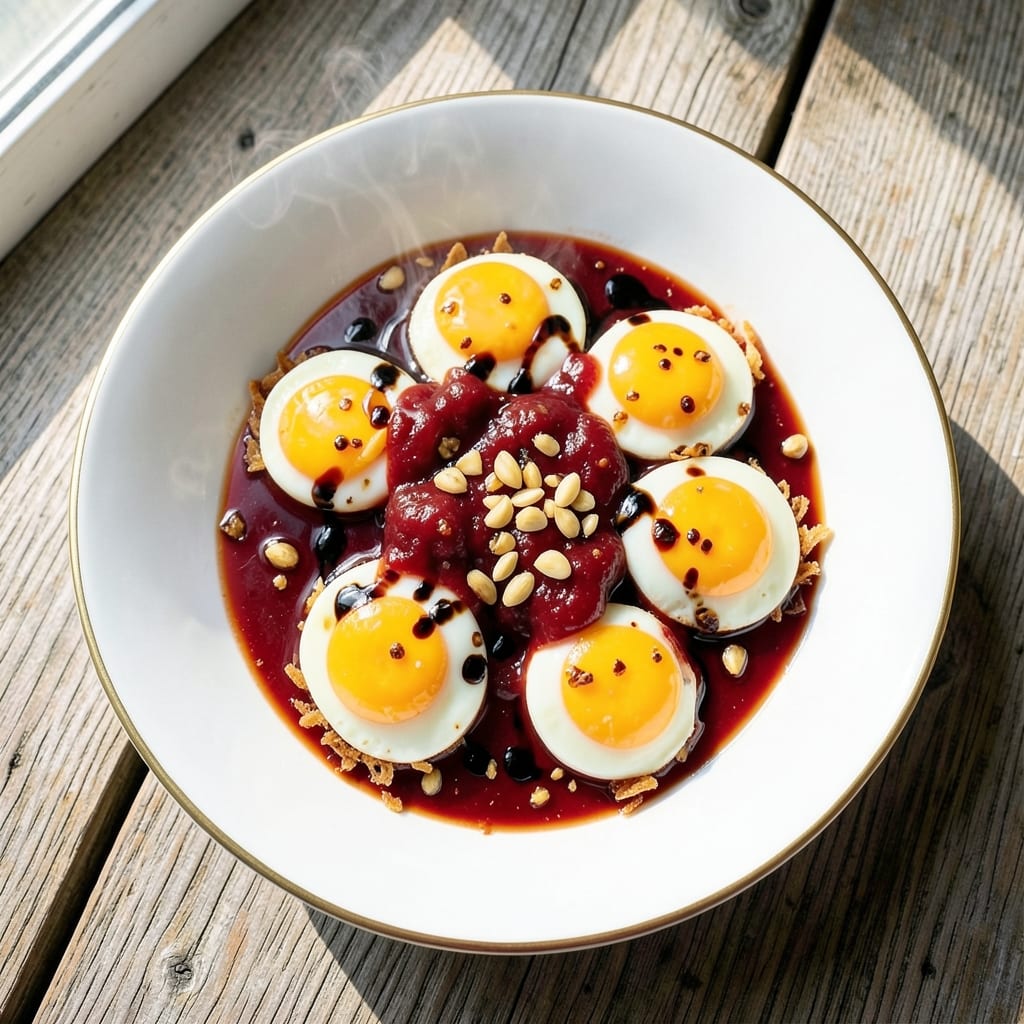
This Chinese chilli egg recipe delivers bold, spicy-sweet flavor in just 15 minutes—a perfect balance of heat and umami that transforms simple eggs into a wok masterpiece. The secret lies in perfectly poached eggs with silky yolks, tossed in a vibrant chili oil sauce that’s tangy, slightly sweet, and packed with garlic and vinegar. I’ve perfected this version after testing countless adaptations, ensuring every bite delivers that signature Sichuan kick without overwhelming heat. What sets this dish apart is its versatility—whether you prefer the fiery Sichuan style or a milder Cantonese approach, the technique remains the same. The eggs stay tender and intact while absorbing the rich, aromatic sauce, creating a dish that’s both restaurant-quality and easy to replicate at home. No special equipment needed beyond a wok or deep skillet and a few pantry staples. The result is a dish that’s perfect for breakfast, brunch, or even a quick weeknight dinner. The eggs maintain their shape while the sauce clings to them, creating a harmonious blend of textures and flavors. Serve with steamed rice or crusty bread to soak up every last drop of that addictive chili oil. This recipe also doubles as a great appetizer or side dish for Asian-inspired meals. The spicy-sweet profile makes it equally appealing as a standalone dish or paired with other stir-fried vegetables. Let’s get cooking!
Ingredients for chinese chilli egg
Eight fresh ingredients and seven pantry staples transform ordinary eggs into Sichuan's iconic spicy-sweet masterpiece.
| Ingredient | Amount | Notes |
|---|---|---|
| Large Eggs 🥚 | 8 whole | Room temperature for even cooking |
| Chili Oil 🌶️ | ½ cup | Store-bought or homemade Sichuan style |
| Garlic Cloves 🧄 | 6 cloves | Minced finely for aromatic depth |
| Light Soy Sauce 🍶 | 2 tbsp | Kikkoman preferred for authentic flavor |
| Dark Soy Sauce 🍶 | 1 tbsp | For color and complexity |
| Rice Vinegar 🍶 | 1 ½ tbsp | White or seasoned variety |
| Sesame Oil 🫒 | 1 tbsp | Toasted for nutty aroma |
| White Sugar 🍚 | 1 tbsp | Balances heat with sweetness |
| Dried Chili Flakes 🌶️ | 1 tsp | Adjust for desired spice level |
| Ground White Pepper 🌶️ | ½ tsp | Enhances egg flavor subtly |
| Vegetable Oil 🫒 | ¼ cup | High smoke point for wok cooking |
| Green Onions 🧅 | 3 whole | Sliced thin for garnish |
| Cornstarch 🌾 | 1 tbsp | For poaching eggs (optional) |
The eggs and chili oil are non-negotiable for authentic flavor. Kosher or organic eggs yield the most tender yolks—look for cage-free or free-range at Whole Foods or your local Asian market for superior quality. For chili oil, Lao Gan Ma is the gold standard, but any high-quality Sichuan chili oil will deliver that signature heat. Garlic should be freshly minced just before cooking to preserve its potency. If you're using store-bought chili oil, shake it well before measuring—sediment settles quickly. For the soy sauces, Kikkoman light and Lee Kum Kee dark are reliable choices that won't overpower the dish.
No chili oil? Mix 2 tbsp vegetable oil with 1 tbsp gochujang paste for a quick substitute, though it won't have the same depth. Running short on garlic? Garlic powder at half the amount works in a pinch, but fresh is always better. The cornstarch is optional but helps create that signature cloudy egg appearance—skip it if you prefer classic poached eggs. For the vinegar, seasoned rice vinegar adds subtle umami, while white vinegar keeps things brighter. The sesame oil should be toasted—heat 1 tbsp in a dry pan for 30 seconds to deepen its flavor. If you're sensitive to heat, reduce the chili flakes to ½ tsp or omit entirely.
Eggs poach best when fresh—use within 3 days of purchase for optimal texture. The sauce components keep indefinitely in the pantry except sesame oil, which should be refrigerated after opening for 6 months. For meal prep, toss the cooked eggs with half the sauce and store separately—combine just before serving to maintain texture. This dish reheats beautifully—20 seconds in the microwave restores its warmth without drying the eggs. Garnish with green onions right before eating to preserve their freshness.
Why You'll Love This Recipe
- No-Fuss Frying: I swear by this recipe—just crack eggs into boiling water, then fry them in chili oil until the whites set and yolks stay runny. No flipping, no stress, just golden perfection in minutes.
- Umami Bomb: That combo of dark soy for glossy depth and light soy for tang? Chef’s kiss. The garlic sizzling in chili oil adds a smoky punch that makes every bite taste like a little flavor explosion.
- Lunchbox Hero: Between us, this is my go-to for packed lunches. The eggs hold up for days, and I just toss them with steamed rice or noodles—no reheating needed. My kids (and my wallet) thank me every time.
- Pantry Magic: You’re looking at a $5 ingredient list that stretches for ages. A few eggs, a bottle of chili oil, and soy sauce? That’s it. I’ve made this for date nights, lazy Sundays, and even as a quick snack when I’m starving—no excuses.
Step-by-step instructions for Chinese chilli eggs
Master this wok technique for eggs with perfect texture and balanced spicy-sweet flavor.
Prepare the Egg Mixture and Seasoning
In a large bowl, whisk together the 8 whole large eggs until completely smooth. Add the 1 tbsp cornstarch and mix thoroughly to create a thin batter-like consistency. This ensures the eggs will be tender rather than rubbery when cooked.
In a separate small bowl, combine the 2 tbsp light soy sauce, 1 tbsp dark soy sauce, 1.5 tbsp rice vinegar, 1 tbsp white sugar, 1 tsp dried chili flakes, and 0.5 tsp ground white pepper. Mix well to create the flavor base. The dark soy sauce will add depth of color, while the vinegar and sugar balance the heat. Keep this mixture nearby—it's the soul of your dish.
Heat the Wok and Cook the Garlic
Heat a wok over medium-high heat until it's very hot, then add the 0.25 cup vegetable oil. Swirl to coat the wok evenly. Once the oil is shimmering but not smoking, add the 6 cloves minced garlic cloves. Cook for 30-45 seconds until the garlic is fragrant and just beginning to turn golden.
Watch the garlic closely—it burns quickly. You want it to smell sweet and nutty, not bitter. If the garlic starts to darken too quickly, reduce the heat slightly. This is where the foundational flavors develop, so don't rush this step. The garlic should be golden but not crispy.
Cook the Eggs to Perfect Texture
Pour the egg mixture into the wok, tilting the wok to spread the eggs evenly. Let them cook undisturbed for 1 minute until the bottom begins to set but still looks slightly wet on top. This creates the signature silky texture of Chinese chilli eggs.
Using a spatula, gently fold the eggs from one side to the other, creating soft, delicate curls. Continue folding and pushing the eggs until they're mostly cooked but still slightly runny in the center—this takes about 2-3 minutes. The eggs should be tender with just a hint of firmness, not fully set. If they start to look dry, add a splash of water to steam them.
Combine and Finish with Chili Oil
Pour the prepared seasoning mixture over the eggs and stir gently to combine. Add the 0.5 cup chili oil and 1 tbsp sesame oil, tossing everything together until the eggs are fully coated and the flavors meld. The chili oil will add its signature heat and aroma, while the sesame oil contributes a nutty depth.
Cook for an additional 1-2 minutes until the eggs are fully heated through and the sauce has thickened slightly. The dish should look vibrant with streaks of red from the chili oil. If the sauce is too thin, cook it down for another 30 seconds to achieve the perfect consistency—it should coat the back of a spoon but still be pourable.
Garnish and Serve Immediately
Remove the wok from heat and stir in the 3 whole green onions, sliced thin. The green onions add a fresh contrast to the rich, spicy-sweet flavors. Taste and adjust the seasoning if needed—add a touch more soy sauce for saltiness, vinegar for acidity, or sugar to balance the heat.
Serve the chilli eggs immediately while they're hot and the eggs maintain their perfect texture. The dish should be vibrant, aromatic, and perfectly balanced between spicy, sweet, and umami. Each bite should deliver tender eggs with a glossy, flavorful coating. Pair with steamed rice to soak up all the delicious sauce.
Pro Tips For Making Chinese Chilli Egg
- CRACK EGGS IN COLD WATER: Fill a deep pan with cold water and crack the eggs directly in—no pre-whisking. The cold shock keeps yolks intact and makes them easier to flip whole later. I used to scramble them first, but this gives you that classic runny center every time.
- MINCE GARLIC FINE: Chop garlic into a paste, not just minced bits. A quick pulse in a food processor or a knife press against the cutting board ensures it melts into the oil instead of sitting as chunks. Trust me, your mouth will notice the difference.
- USE DARK SOY SAUCE LAST: Stir in dark soy sauce only at the very end—it’s for color, not flavor. Adding it early turns your eggs muddy brown before the chili oil can shine. Save it for that final toss when the eggs are already cooked.
- FLIP EGGS QUICKLY: Work fast when flipping—hot oil loses heat fast. Have a plate ready, tilt the pan, and slide the eggs onto it with a spatula. If you hesitate, you’ll end up with half-cooked yolks or broken yolks. Speed matters more than you think.
Troubleshooting this dish
Eggs Break or Look Dry
If your eggs break too easily or turn dry, the cornstarch ratio might be off. I recommend reducing it to ½ tbsp for a more classic poached texture. Also, ensure your eggs are room temperature—cold eggs are more likely to crack. For extra tenderness, add 1 tbsp water to the egg mixture before cooking. 🥚
Sauce Too Thin or Watery
A thin sauce usually means the chili oil wasn’t incorporated properly or the heat wasn’t high enough. Cook the sauce down for 1-2 extra minutes over medium-high heat to thicken it. If it’s still too runny, mix ½ tsp cornstarch with 1 tsp water, stir into the sauce, and cook for 30 seconds until it glues together. 🌶️
Garlic Burns Too Quickly
Garlic burns fast when the wok isn’t hot enough. Heat your wok until it’s smoking slightly before adding oil, then reduce to medium heat for the garlic. Cook it for no more than 30 seconds—it should be golden, not brown. If it starts to darken, remove it immediately and start fresh. 🧄
Eggs Stick to the Wok
Sticking happens when the wok isn’t hot enough or the oil isn’t properly distributed. Make sure your wok is ripping hot before adding oil, then swirl it to coat evenly. If eggs still stick, add 1 tsp vegetable oil directly to the wok while cooking and gently fold. A well-seasoned wok also helps—if yours is new, heat it empty for 5 minutes to create a natural non-stick layer. 🔥
Heat Level Too Mild or Harsh
Balancing the spice is key. For milder heat, reduce the chili flakes to ½ tsp and add ½ tsp sugar to counteract. For extra kick, add ½ tsp extra chili oil or a pinch of Sichuan peppercorns for a numbing effect. Taste as you go—adjust gradually to avoid overwhelming the dish. 🌶️
Eggs Overcook or Stay Raw
Overcooked eggs lose their silky texture, while undercooked ones can be unsafe. Aim for 2-3 minutes of folding, checking for just-set but still slightly runny centers. If unsure, use an instant-read thermometer—eggs should reach 145°F at their thickest part. For extra insurance, poach the eggs separately in simmering water for 3 minutes before tossing in the sauce. 🌡️
Nutrition facts
Frequently asked questions
Can I make this recipe without chili oil?
Mix 2 tbsp vegetable oil with 1 tbsp gochujang paste for a quick substitute. For extra depth, add ½ tsp sugar and ½ tsp garlic powder to mimic the sweet-spicy balance. The texture won't be identical, but it'll still deliver that signature heat.
How do I adjust the spice level for kids?
Reduce the dried chili flakes to ½ tsp and omit the extra chili oil. For a milder kick, replace the chili oil with ½ cup toasted sesame oil and add 1 extra tbsp sugar to balance flavors. Kids will still enjoy the nutty, garlicky taste without the heat.
Can I use frozen eggs for this recipe?
Fresh eggs are ideal, but if you must use frozen, thaw them overnight in the refrigerator first. Never use eggs straight from the freezer—they won't cook evenly and may crack. For best results, use eggs within 3 days of purchase. Cold eggs are more likely to break during cooking.
What's the best way to store leftovers?
Store the cooked eggs and sauce separately in airtight containers. Combine just before reheating to maintain texture. Leftovers keep for 2 days in the fridge. Reheat for 20 seconds in the microwave, then toss with a splash of water to restore moisture. The sauce can be reheated separately for 30 seconds.
Can I make this vegetarian?
This dish is inherently vegetarian, but if you want to replace the eggs, try silken tofu cubes (firm, not silky) or mushroom "eggs" (portobello slices). For texture, marinate them in soy sauce and cornstarch before cooking. The flavor profile will shift slightly but still deliver that spicy-sweet umami punch.