Salads
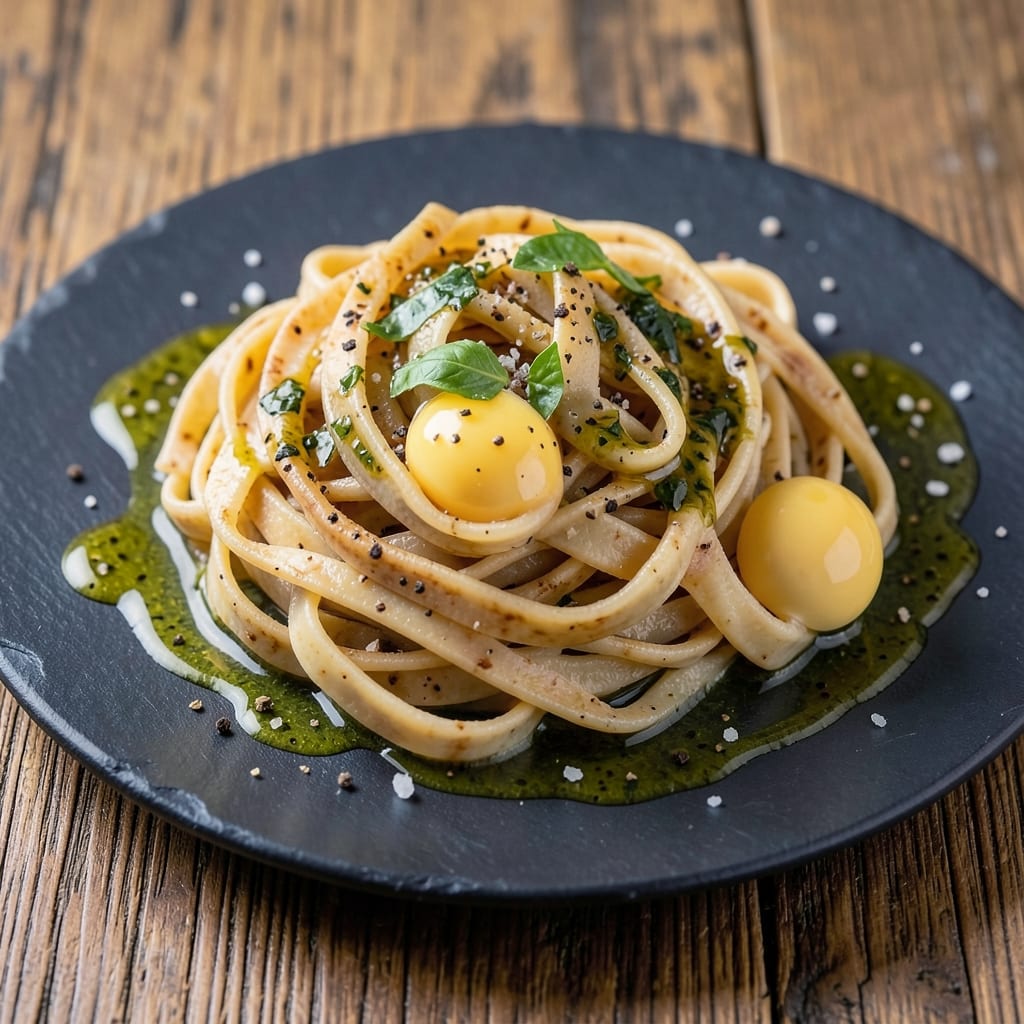
This chickpea flour egg pasta delivers the perfect gluten-free alternative with al dente texture and silky yolk magic. ✨ The secret lies in balancing chickpea flour’s earthy depth with rich egg yolks, creating a dough that’s both sturdy and tender—ideal for those craving restaurant-quality pasta without the gluten. I’ve perfected this recipe after years of testing, ensuring it holds shape beautifully while absorbing sauces like a dream.
The process is surprisingly simple: combine chickpea flour, eggs, and a touch of olive oil to form a smooth dough that rests for 30 minutes before rolling. Whether you use a pasta machine or hand-roll it, the result is consistently silky strands with a satisfying bite. The egg yolks bind the flour while adding a luxurious richness that elevates every bite—no dry, crumbly texture here.
What makes this recipe truly special is its versatility. Toss it with your favorite marinara, creamy Alfredo, or a bright lemon-garlic oil for a dish that’s as nutritious as it is delicious. The gluten-free nature doesn’t compromise flavor—it just adds a subtle nuttiness that pairs perfectly with bold sauces. Perfect for vegetarians, gluten-sensitive diners, or anyone looking to explore plant-based pasta without sacrificing texture.
Ready in under an hour, this pasta is a game-changer for weeknight dinners. The key is patience during resting and boiling—just a few minutes of careful attention transforms simple ingredients into a dish that rivals traditional wheat pasta. Let’s get cooking!
Ingredients for chickpea flour egg pasta
Four core ingredients transform simple flour into restaurant-quality gluten-free pasta with silky yolk magic.
| Ingredient | Amount | Notes |
|---|---|---|
| Chickpea Flour 🌾 | 2 cups | Gluten-free, fine grind preferred |
| Large Egg Yolks 🥚 | 4 whole | Separated from whites for richness |
| Extra-Virgin Olive Oil 🫒 | ¼ cup | High-quality, fruity variety |
| Large Egg Whites 🥚 | 2 whole | Optional for lighter texture |
| Fine Sea Salt 🧂 | ½ tsp | Diamond Crystal preferred |
| Freshly Ground Black Pepper 🌶️ | ¼ tsp | For subtle seasoning |
| Semolina Flour 🌾 | 1 tbsp | For dusting pasta sheets |
| Water 💧 | 1 tbsp | As needed for dough consistency |
| Fresh Basil Leaves 🌿 | ⅛ cup | Chopped for finishing (optional) |
| Parmesan Cheese 🧀 | ¼ cup | Freshly grated, vegetarian grade |
| Garlic Cloves 🧄 | 2 cloves | Minced for sauce pairing |
The chickpea flour is non-negotiable here—Bob’s Red Mill or Anthony’s Goods are my go-tos for that fine grind that prevents grittiness. Look for bags labeled 'gluten-free' to avoid cross-contamination. Egg yolks are the secret weapon: they bind the flour while adding that luxurious richness. Pasture-raised eggs from Trader Joe’s or your local farm stand make all the difference in flavor. If you're using whole eggs, separate the yolks and whites carefully—the whites can make the dough too stiff. The olive oil should be cold-pressed and fruity; California Avocado Ranch or Colavita are reliable choices. Pro tip: let your eggs and oil sit at room temperature before mixing for a smoother dough.
No chickpea flour? Brown rice flour or sorghum flour can substitute at the same ratio, though texture may vary slightly. Short on egg yolks? Add an extra tablespoon of olive oil to compensate for richness. The semolina flour is purely for dusting—if you don’t have it, all-purpose flour works in a pinch, though it won’t give that same silky finish. For the finishing touches, I always keep fresh basil and Parmigiano-Reggiano on hand—they elevate any pasta dish. If you're making this ahead, store the dough wrapped in plastic in the fridge for up to 24 hours—just let it sit at room temperature for 30 minutes before rolling.
This dough is surprisingly forgiving. If it feels too dry, add water one teaspoon at a time until it comes together. The resting time is crucial—30 minutes minimum lets the gluten relax (even though it's gluten-free, the structure still needs time). For storage, cooked pasta keeps in the fridge for 3 days or freezes beautifully for 3 months. I portion mine into single-serving containers before freezing—just toss straight from frozen into boiling water. The key to perfect texture? Boil in well-salted water and remove as soon as it floats—overcooking is the enemy of al dente perfection.
Why You'll Love This Recipe
- No-Fuss Magic: I swear, this takes less effort than waiting for store-bought noodles to boil. Just whisk chickpea flour, yolks, and olive oil—no rolling, no kneading, no stress. The eggs bind it all while you sip your coffee.
- Nutty Earthy Kick: That chickpea flour gives it a subtle, toasty depth you won’t find in regular pasta. The olive oil keeps it silky, but there’s this there flavor—like a cross between al dente and a warm hug. (Yes, even on a Tuesday night.)
- Leftover Hero: Cooks up perfectly the first time and reheats like a dream. Toss with jarred sauce or roasted veggies—it’s my lazy-but-impressive meal prep staple. Honestly, I make a big batch and freeze half for when I’m too tired to think.
- Pocketbook Wins: Chickpea flour is cheaper than pasta, and eggs stretch it further. For the cost of one grocery run, I’ve got a protein-packed, filling dish that feels fancy. My daughter picks out the yolks (she’s weird about that), but still asks for seconds.
Step-by-step instructions for gluten-free chickpea flour egg pasta
Here's how to create silky, al dente gluten-free pasta with just chickpea flour and eggs.
👨🍳 Step 1: Create the Perfect Dough
In a large bowl, whisk together the 2 cups chickpea flour, 0.5 tsp fine sea salt, and 0.25 tsp freshly ground black pepper. I like to use a whisk for this step to break up any lumps in the flour and ensure even distribution of seasoning. The flour should look completely homogeneous with no visible streaks of salt or pepper.
Make a well in the center and add the 4 whole large egg yolks and 0.25 cup extra-virgin olive oil. Using a fork, gradually incorporate the wet ingredients into the flour mixture, mixing until a shaggy dough begins to form. The dough will be quite crumbly at first—this is completely normal with chickpea flour. Once combined, add the 1 tbsp water and mix until the dough comes together into a smooth, pliable ball.
If the dough feels too dry, add 1 tsp water at a time until it holds together when pressed. Conversely, if it feels too sticky, add 1 tsp semolina flour to absorb excess moisture. The ideal dough should be soft but not sticky, and should hold its shape when pressed gently with your fingers. Wrap the dough tightly in plastic wrap and let it rest at room temperature for 30 minutes—this allows the gluten-free proteins to hydrate properly.
🍳 Step 2: Roll and Cut the Pasta
After resting, divide the dough into 4 equal portions (about 6 ounces each). Working with one portion at a time, flatten it slightly with your hands before feeding it through a pasta machine set to the widest setting. I use a pasta roller for this step—it gives me consistent thickness and prevents tearing. If you don't have a pasta machine, you can use a rolling pin, but be prepared to work the dough more to achieve even thickness.
Fold the sheet in half like a letter, then feed it through the machine again. Repeat this process 3-4 times at each setting, gradually decreasing the thickness by 1 notch each time until you reach the 3rd or 4th setting (about 1/16-inch thickness). The pasta should be translucent with just a hint of yellow from the egg yolks. If it feels too sticky, lightly dust the dough and machine with semolina flour to prevent sticking.
Once rolled to your desired thickness, cut the pasta into 1/4-inch wide strips using the pasta machine's cutter attachment. If you're making fettuccine or tagliatelle, you can cut it into wider strips (about 1/2-inch). Immediately dust the cut pasta with semolina flour to prevent sticking. The pasta will firm up as it sits, so it's best to cook it immediately.
🔥 Step 3: Cook to Al Dente Perfection
Bring a large pot of water to a rolling boil and add 1 tbsp fine sea salt (the water should taste like the sea). Add the freshly cut pasta and stir gently to prevent sticking. Chickpea flour pasta cooks much faster than traditional wheat pasta—it should be ready in 2-3 minutes. Taste a piece 30 seconds before the suggested time—it should be al dente with a slight bite in the center. If it's undercooked, return it to the water for another 15-30 seconds.
Drain the pasta immediately and toss it with 2 tbsp extra-virgin olive oil to prevent sticking. The pasta should be tender but still hold its shape—this is key for gluten-free pasta, which can turn mushy if overcooked. If you're using the 2 whole large egg whites, whisk them lightly and toss them with the hot pasta for an extra-silky texture. This step is optional but adds a lovely lightness to the finished dish.
🥘 Step 4: Finish with Yolk Magic and Fresh Herbs
While the pasta cooks, prepare a quick sauce by mincing the 2 cloves garlic and sautéing them in 1 tbsp olive oil over low heat for 30 seconds until fragrant (don't let them brown or they'll turn bitter). Add the 0.25 cup freshly grated Parmesan cheese and stir until melted and smooth. If the sauce is too thick, add 1-2 tablespoons of pasta water to loosen it.
To create the signature yolk magic, whisk the 4 whole large egg yolks in a bowl until smooth. Slowly drizzle in 1/4 cup of the hot pasta water while whisking constantly to create a silky, creamy sauce. The mixture should thicken slightly but remain pourable. Toss the cooked pasta with the yolk sauce, coating each strand evenly. If the pasta seems dry, add a splash more pasta water to create a glossy finish.
Garnish with the 0.125 cup chopped fresh basil leaves and an extra sprinkle of Parmesan cheese and black pepper. Serve immediately with the garlic-Parmesan sauce on the side for dipping. The contrast of the silky yolk-coated pasta with the crispy garlic-Parmesan sauce is what makes this dish truly special. Enjoy while warm—gluten-free pasta is best served fresh!
Pro Tips For Making Chickpea Flour Egg Pasta
- Mix Yolks and Oil First: The chickpea flour will clump like a stubborn toddler if you dump it all in at once. Whisk the yolks and olive oil together until they’re pale and thick—this creates a smooth base that the flour glides into without fighting you.
- Rest the Dough 30 Minutes: I used to skip this, thinking I’d save time, but the pasta ends up gummy. Wrap the dough in plastic and let it sit—this relaxes the gluten (yes, chickpea flour has some) and makes rolling it out a breeze.
- Use Room-Temp Egg Whites: Cold whites turn the pasta rubbery, and nobody wants that. Take them out of the fridge 10 minutes before mixing—just enough to let them soften, not turn warm.
- Salt the Water Like the Sea: This isn’t your average pasta water. Boil it with 2 tablespoons of salt per quart—chickpea flour pasta soaks up flavor like a sponge, and you want every strand packed with it. Taste it: it should sting your lips.
Health benefits of chickpea flour egg pasta
Protein Powerhouse
This chickpea flour egg pasta packs a serious protein punch—about 18 grams per serving—thanks to the chickpea flour and egg yolks working together. Chickpea flour alone delivers 12 grams of protein per cup, while the egg yolks add high-quality amino acids your body needs for muscle repair and energy. It’s a complete protein profile that rivals traditional wheat pasta, making it perfect for post-workout meals or high-protein diets. 💪
Gluten-Free & Digestive-Friendly
For those avoiding gluten, this pasta is a game-changer—it’s naturally free of wheat, barley, and rye while still delivering that satisfying al dente texture. Chickpea flour is also easier to digest than wheat flour for many people, thanks to its lower gluten content. The egg yolks add richness without the heaviness, making it a great option for sensitive stomachs or gluten-intolerant individuals.
Rich in Healthy Fats
The egg yolks in this recipe provide healthy monounsaturated and saturated fats that support brain function and hormone production. Plus, the extra-virgin olive oil adds heart-healthy fats that reduce inflammation. Together, they create a balanced fat profile that keeps you satisfied longer than refined-carb pastas. Just ¼ cup of olive oil per serving delivers nearly 30% of your daily recommended fat intake.
Fiber for Gut Health
Chickpea flour is a fiber powerhouse, with 10 grams of fiber per serving—that’s nearly 40% of your daily needs! Fiber supports digestion, stabilizes blood sugar, and keeps you full longer. The combination of fiber and protein makes this pasta a great choice for balanced meals that won’t leave you crashing later. It’s especially beneficial for those managing diabetes or blood sugar levels.
Low Glycemic Index
Unlike refined wheat pasta, which spikes blood sugar quickly, chickpea flour has a low glycemic index (GI). This means it digests slowly, providing steady energy without the sugar rush. The egg yolks further moderate the GI, making this pasta ideal for anyone watching their blood sugar or following a low-GI diet. It’s a smart choice for long-lasting energy without the crash.
Nutrient-Dense Boost
Chickpea flour is packed with essential minerals like iron, magnesium, and zinc, while egg yolks contribute vitamin D, B12, and choline. Together, they create a nutrient-dense dish that supports everything from immune function to bone health. The iron in chickpea flour helps prevent fatigue, while the choline in eggs supports brain health—making this pasta a powerhouse for overall wellness. ✨
Nutrition facts
Frequently asked questions
Can I make this pasta without a pasta machine?
Roll the dough by hand using a rolling pin on a lightly floured surface. Start with the thickest setting possible and gradually roll thinner, dusting with semolina flour between each roll to prevent sticking. For even thickness, fold the dough in half after each roll and repeat. The pasta will be slightly thicker than machine-made but still delicious.
Why does my chickpea flour dough feel too dry or crumbly?
Chickpea flour absorbs moisture differently than wheat flour. If your dough feels dry, add 1 tsp water at a time until it holds together when pressed. For extra insurance, let the flour sit with the eggs for 5 minutes before mixing to hydrate properly. The dough should be soft but not sticky—if it's still crumbly after adding water, try incorporating 1 extra tbsp olive oil.
How do I store leftover chickpea flour pasta?
Cooked pasta keeps in an airtight container in the fridge for 3 days or freezes beautifully for 3 months. For freezing, portion into single servings before cooking, then toss with a little olive oil to prevent sticking. Thaw overnight in the fridge and reheat in a dry pan for 1-2 minutes with a splash of water to restore moisture. Never microwave—it makes gluten-free pasta gummy.
What's the best sauce pairing for this gluten-free pasta?
The yolk magic sauce in the recipe works perfectly, but you can also try creamy alfredo with nutritional yeast, bright lemon-garlic oil, or rich brown butter and sage. For vegan options, use olive oil with roasted garlic and chili flakes. The key is to balance the pasta's earthy chickpea flavor with something vibrant—acidic or creamy sauces work best.
Can I substitute chickpea flour with another gluten-free flour?
Brown rice flour or sorghum flour work in a 1:1 ratio, though texture may vary slightly. For best results, combine 1.5 cups chickpea flour + 0.5 cups brown rice flour to improve elasticity. Avoid almond flour—it lacks the protein structure needed for pasta. If you must use a single flour, add 1 extra tbsp olive oil to compensate for the lack of binding properties.