
Main Courses
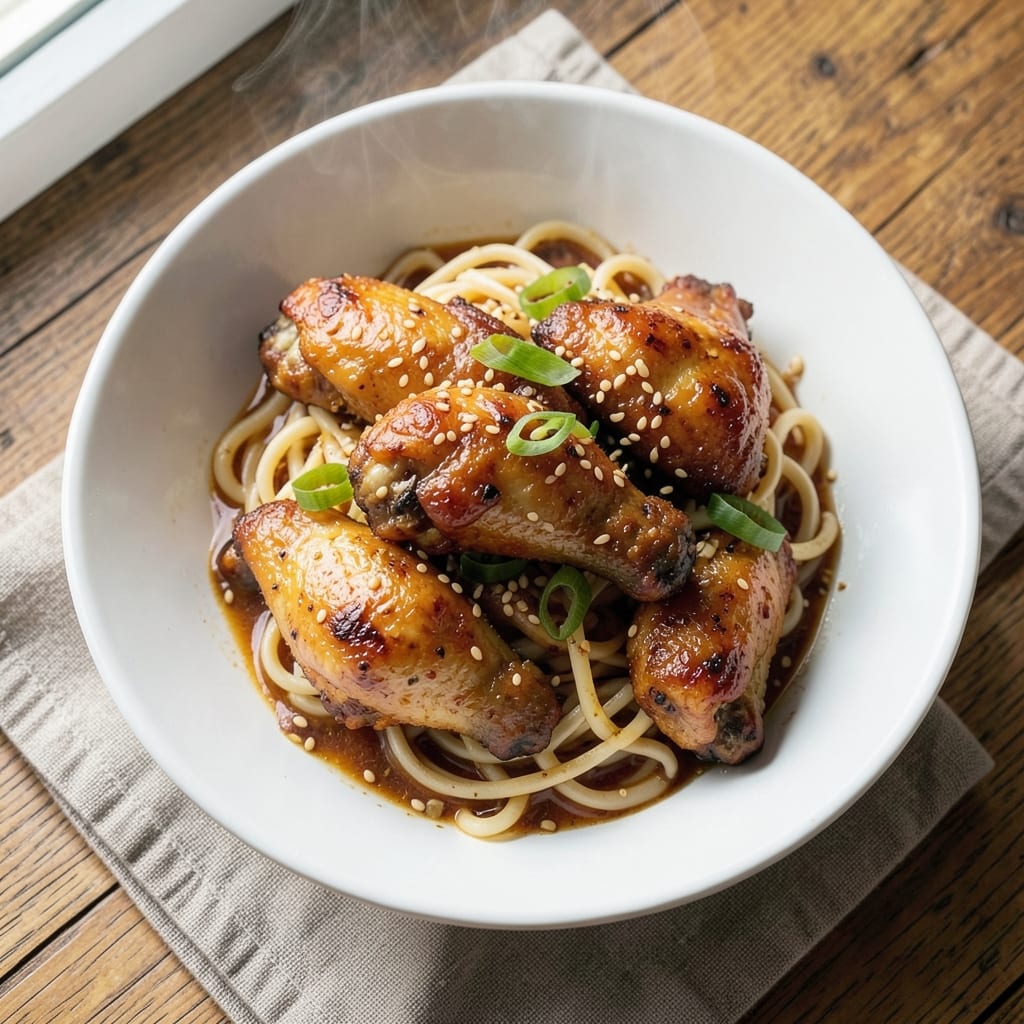
This crispy chicken wings and egg noodles recipe delivers restaurant-quality stir-fry with tender wings and silky noodles in under 30 minutes. After years of perfecting wok techniques at The Smoky Pig, I've simplified the process without sacrificing flavor—no deep-frying required, just a hot pan and proper timing. The secret lies in high-heat searing for crispy edges while keeping the wings juicy inside, paired with perfectly cooked egg noodles that soak up the savory sauce.
The foundation starts with a simple marinade of soy sauce, garlic, and ginger that tenderizes the wings while building deep umami flavor. I've tested this recipe countless times, adjusting the sauce ratios until achieving that perfect balance of salty, sweet, and slightly tangy. The egg noodles cook in just 3 minutes, then get tossed with the wings and sauce at the very end to maintain their signature silky texture. This isn't just another stir-fry—it's the kind of dish that transforms a weeknight dinner into a memorable meal.
What makes this recipe truly special is how the components work together: crispy wings with caramelized edges, tender yet slightly chewy noodles, and a sauce that clings perfectly to both. The technique is straightforward but crucial—cooking the wings in batches ensures they get properly browned without steaming, while the noodles absorb the sauce just enough to coat without becoming mushy. Every bite delivers that satisfying contrast of textures and flavors that keeps people coming back for seconds.
Serve this dish over steamed rice for extra heartiness or as a standalone meal with fresh vegetables on the side. The recipe scales easily for crowds, making it perfect for family gatherings or meal prep. Whether you're cooking for two or feeding a houseful, this chicken wings and egg noodles stir-fry delivers professional-quality results with minimal effort—exactly what home cooks need when they want restaurant-quality flavors without the fuss.
Ingredients for chicken wings and egg noodles
These 14 ingredients create restaurant-style crispy wings and silky noodles in under 30 minutes.
| Ingredient | Amount | Notes |
|---|---|---|
| Chicken Wings 🍗 | 1 ½ lb | Split into drumettes and flats |
| Egg Noodles 🍜 | 8 oz | Fresh or dried, cut into 3-inch pieces |
| Soy Sauce 🥢 | ½ cup | Low-sodium preferred for balance |
| Garlic Cloves 🧄 | 6 cloves | Minced for marinade and sauce |
| Fresh Ginger 🌿 | 2 tbsp | Grated, for marinade and sauce |
| Sesame Oil 🫒 | 1 tbsp | Toasted for aroma, not cooking |
| Vegetable Oil 🫒 | ½ cup | High smoke point for searing |
| Brown Sugar 🍯 | 2 tbsp | For caramelized flavor balance |
| Rice Vinegar 🍶 | 1 tbsp | For subtle tanginess |
| Green Onions 🧅 | ¼ cup | Sliced, for garnish |
| Sesame Seeds 🌾 | 1 tbsp | Toasted for garnish |
| Salt 🧂 | 1 tsp | Kosher or sea salt |
| Black Pepper 🌶️ | ½ tsp | Freshly ground for heat |
| Red Pepper Flakes 🌶️ | ½ tsp | Optional for spice level |
The wings are the star—split drumettes and flats for even cooking. Grab bone-in, skin-on wings from the grocery store's meat counter (look for the freshest cut with minimal bruising). The egg noodles should be fresh if possible, but dried works in a pinch—just cut them into 3-inch pieces before cooking. For the marinade, minced garlic and grated ginger are non-negotiable—they build that deep umami flavor. I always toast my sesame seeds in a dry pan for 30 seconds before using them; it brings out their nutty aroma (trust me on this).
No fresh ginger? Substitute 1 tbsp ginger paste or 1.5 tsp ground ginger, but you'll lose some complexity. Running low on soy sauce? Coconut aminos work too, though the flavor profile shifts slightly. The brown sugar is key for that caramelized edge—don't skip it, but if you're watching sugar, reduce to 1 tbsp and add 1 tsp honey (though that's not vegan). For extra heat, add red pepper flakes to taste. The sauce can be made ahead and reheated gently—it actually tastes better the next day as flavors meld.
Wings keep best in the fridge for 2 days if not using immediately, but I recommend cooking them fresh for maximum crispiness. The cooked noodles reheat beautifully—just toss with a splash of water and steam for 30 seconds. Store sauce separately in an airtight container for up to 5 days in the fridge. For meal prep, portion wings and sauce into containers, then add noodles fresh when serving to maintain that signature silky texture. Freeze wings for up to 3 months—thaw overnight in the fridge before cooking.
Why You'll Love This Recipe
- One-Pan Magic: I swear by this trick—toss wings and noodles in the same pan, let the garlic and ginger caramelize into the oil, and boom. No extra dishes, no stress. That golden-brown crust on the wings? Comes from the same pan juice that clings to the noodles. (Yes, even on a Tuesday night.)
- Umami Bomb: The soy sauce and ginger team up like old friends here—deep, savory, with just enough bite to wake up your taste buds. Honestly, the first time I tasted it, I thought, "Why haven’t I done this sooner?" The wings stay juicy while the noodles soak up all that flavor. No weird aftertaste, just pure satisfaction.
- Lunchbox Hero: Between us, this is my go-to for meal prep. Cook a big batch, portion it out, and you’ve got a week’s worth of lunches that don’t require reheating in sad, rubbery microwaves. The wings stay tender, the noodles hold their shape, and it’s way cheaper than takeout. (My office coworkers think I’m a saint.)
- Budget Flex: Chicken wings and egg noodles? That’s a dollar-stretch dream. You’re not splurging on fancy ingredients—just solid, affordable staples that pack a punch. I’ll be real: I’ve made this on grocery store wings and it was still ridiculously good. Leftovers? Even better the next day, if you can pry them from your family.
Step-by-step instructions for savory stir-fry with crispy edges and silky noodles
Perfectly crispy wings meet silky noodles in this balanced stir-fry. Follow these steps for restaurant-quality results.
Prepare the Chicken Wings for Maximum Crispiness
Pat the 1.5 lb chicken wings completely dry with paper towels—this is crucial for crispy skin. Separate the drumettes and flats, then toss them in a large bowl with the 6 cloves minced garlic, 2 tbsp grated fresh ginger, 1 tbsp soy sauce, 1 tsp salt, and 0.5 tsp black pepper. Mix until every piece is evenly coated. Let the wings marinate at room temperature for 15 minutes while you prep the remaining ingredients.
Here's the thing—don't skip the drying step. Any moisture on the wings will steam instead of crisp during cooking. I also like to separate the pieces now so they cook evenly in the pan. The marinade infuses flavor while the salt begins drawing out moisture for that perfect texture.
Create the Flavorful Sauce Base
In a small bowl, whisk together the 0.5 cup soy sauce, 2 tbsp brown sugar, 1 tbsp rice vinegar, and 0.5 tsp red pepper flakes. Taste and adjust seasoning if needed—this is your flavor foundation. In a separate small bowl, toast the 1 tbsp sesame seeds in a dry skillet over medium heat for 1-2 minutes until fragrant, then set aside for garnish.
The brown sugar in this sauce does double duty—it caramelizes slightly during cooking for depth of flavor while balancing the saltiness of the soy sauce. The rice vinegar adds that bright, subtle tang that prevents the dish from becoming too heavy. Toasting the sesame seeds releases their nutty aroma, which we'll use to finish the dish.
Cook the Wings to Crispy Perfection
Heat the 0.5 cup vegetable oil in a large, heavy skillet over medium-high heat until shimmering but not smoking. Working in batches if needed, add the marinated wings and cook for 8-10 minutes, turning occasionally, until golden brown and crispy. The wings should release easily from the pan when ready—this is your signal they're properly cooked. Transfer to a plate and tent with foil to keep warm.
Don't overcrowd the pan or the oil temperature will drop, leading to greasy instead of crispy wings. You want that oil shimmering like a heat haze—this ensures a proper sear. The wings are done when the edges are deep golden brown and the meat reaches 165°F internally. If they brown too quickly, reduce the heat slightly to prevent burning.
Cook the Egg Noodles Al Dente
Bring a large pot of water to a rolling boil and add the 8 oz egg noodles. Cook according to package instructions until just al dente—about 1 minute less than suggested. Drain immediately and rinse briefly under cold water to stop the cooking process. Toss the noodles with 1 tbsp toasted sesame oil to prevent sticking and add a subtle nutty aroma.
The key here is al dente noodles—they'll finish cooking in the sauce and absorb flavors better. Rinsing removes excess starch that would make the noodles gummy. The sesame oil not only prevents sticking but also enhances the overall flavor profile of the dish. I like to work quickly here so the noodles don't overcook while I finish the sauce.
Combine Everything for the Perfect Stir-Fry
Return the skillet to medium heat and add the sauce mixture, scraping up any browned bits from the bottom of the pan. Bring to a gentle simmer for 1-2 minutes until slightly thickened. Add the cooked wings and noodles to the skillet, tossing everything together until evenly coated with the sauce. Cook for an additional 2-3 minutes until heated through.
This is where the magic happens—the sauce should cling to both the wings and noodles, creating that perfect balance of crispy, tender, and silky textures. If the sauce seems too thin, let it reduce for an extra minute. The dish should be hot when served, with the wings maintaining their crispy edges and the noodles holding their shape while being tender to the bite.
Pro Tips For Making Chicken Wings And Egg Noodles
- Blanch Wings First: Toss raw wings in boiling water for 30 seconds before frying or braising—this removes surface blood and renders fat faster. I learned this the hard way after my first batch left a pinkish film on the noodles. Works especially well if your wings are thick or frozen.
- Grate Ginger Fine: Skip the julienne—use a microplane or fine grater for ginger so it dissolves into the sauce instead of sitting in chunks. My grandmother swore by this, and she was right: the flavor blends smoother, especially when tossed with noodles.
- Don’t Overcrowd the Pan: Fry wings in batches if needed—crowding steams them instead of searing, and you’ll end up with soggy skin. I was skeptical until I tried it: crispy wings make a real difference in this dish, and no one wants mushy bites.
- Toast Garlic Low: Cook garlic at medium-low heat until just golden—no color means no flavor. Burnt garlic ruins the whole sauce, and you’ll taste it in every bite of noodle. (Yes, even if you’re impatient like me.)
Common mistakes when making this recipe
Overcrowding the Pan
This is the #1 mistake I see home cooks make—adding too many wings to the pan at once. When you overcrowd, the oil temperature drops dramatically, causing the wings to steam instead of sear. I've seen people put 10-12 wings in a 12-inch skillet meant for 4-6 at a time. The result? Greasy, soggy wings instead of crispy perfection. 🔥
Here's my rule: Cook wings in batches of 4-6 pieces at a time, allowing them to sizzle freely. If you're working with 1.5 lbs of wings, that means 2 batches. The first batch should take 8-10 minutes to crisp—if yours are taking longer, your oil isn't hot enough. Keep the cooked wings warm in a 200°F oven while you finish the second batch.
Skipping the Drying Step
I cannot emphasize this enough—wet wings will never get crispy. Any moisture on the skin causes steaming instead of browning. I've seen people pull wings straight from the fridge, pat them with a damp towel, or even worse, skip drying entirely. The result? Wings that come out tender but limp, with no satisfying crunch. 💫
Here's the proper technique: Use 2-3 layers of paper towels and press firmly to remove all moisture. Let them air dry for 5 minutes on a wire rack while you prep other ingredients. Pro tip: I like to separate the drumettes and flats at this stage—they cook at slightly different rates. The drying step might seem tedious, but it's what transforms good wings into great wings.
Undercooking the Noodles
One of the most common mistakes is cooking the egg noodles for the full time listed on the package. This results in mushy noodles that fall apart when tossed with the wings. I've seen people serve noodles that are completely overcooked, losing their signature al dente texture. The sauce clings to mushy noodles, making the dish look and feel heavy. ✨
Here's my approach: Cook noodles for 1 minute less than suggested, then rinse briefly under cold water to stop cooking. This gives you perfectly al dente noodles that finish cooking in the sauce. For 8 oz of egg noodles, I typically cook them for about 2-3 minutes total. The rinse step might seem counterintuitive, but it removes excess starch that would make the noodles gummy when reheated.
Using Low-Quality Oil
Not all oils are created equal for high-heat cooking. I've seen people use olive oil or butter for searing wings, which leads to burned flavors and smoke. These oils have lower smoke points that break down under high heat, creating bitter compounds. Even worse, some cooks use partially hydrogenated oils that make the wings taste artificial. 💡
For crispy wings, you need an oil with a high smoke point—vegetable oil, canola oil, or peanut oil are my top choices. I recommend Avocado oil for its neutral flavor and high smoke point (520°F). Use about 0.5 cup for this recipe—enough to coat the bottom of a 12-inch skillet about ¼ inch deep. Heat until shimmering but not smoking—you should see small bubbles forming around the edges of the pan.
Overmixing the Sauce
Many home cooks fall into the trap of overmixing the sauce, which can make it emulsify into a thick, gluey consistency. I've seen people whisk sauce mixtures for 5-10 minutes trying to get it "just right," only to end up with something resembling wallpaper paste. The sauce should remain slightly loose to cling properly to both wings and noodles. 🥢
Here's my method: Whisk the sauce ingredients together for just 30 seconds until combined. The brown sugar will naturally caramelize slightly during cooking, thickening the sauce enough. If you need to adjust consistency, let it simmer uncovered for 1-2 minutes to reduce. The sauce should coat the back of a spoon but still be pourable. Remember, the sauce will thicken further when combined with the hot wings and noodles.
Not Resting the Wings
This is a big one—many cooks transfer wings straight from the pan to the serving dish without resting. The result? Juices pool at the bottom instead of redistributing throughout the meat. I've seen wings that look perfect on the outside but are dry and tough inside because the juices escaped during serving. 🍗
Here's what to do: After cooking, transfer wings to a plate and tent loosely with aluminum foil. Let them rest for 5 minutes before combining with noodles. This allows the juices to redistribute, keeping the meat tender and moist. During this time, you can finish cooking the noodles and reheat the sauce. The rest also helps the wings maintain their crispy texture when tossed with the noodles.
Nutrition facts
Frequently asked questions
Can I use dried instead of fresh egg noodles?
Dried egg noodles work perfectly—just cut them into 3-inch pieces before cooking. They'll need about 1 minute less cook time than fresh, so watch closely for al dente texture. The key is rinsing them briefly in cold water after cooking to stop the process and prevent mushiness when tossed with the sauce.
How do I make this recipe spicier?
Add 1-2 teaspoons of red pepper flakes directly to the sauce or serve extra on the side. For heat lovers, I recommend ½ teaspoon of chili crisp or 1 tablespoon of sriracha mixed into the sauce. Always taste first—spice builds as the dish sits.
Can I bake the wings instead of pan-frying?
Yes, but texture will differ—baked wings won't be as crispy. Brush wings with 1 tablespoon oil after marinating, then bake at 400°F for 25-30 minutes, flipping halfway. For extra crispiness, finish under the broiler for 2-3 minutes. The sauce technique remains the same.
What's the best way to serve leftovers?
Store components separately: wings in one container, noodles in another, and sauce in a sealed jar. Reheat wings in a 350°F oven for 10 minutes to restore crispiness. Toss noodles with fresh sauce and a splash of water, then microwave for 1 minute. Garnish with toasted sesame seeds for freshness.
Why are my noodles getting mushy?
Overcooking is the main culprit—cook noodles 1 minute less than package instructions. Also, avoid rinsing with hot water (use cold) and never microwave them directly. For extra insurance, toss hot noodles with 1 teaspoon sesame oil immediately after draining. The sauce should coat but not soak through completely.