
Breakfast & Brunch
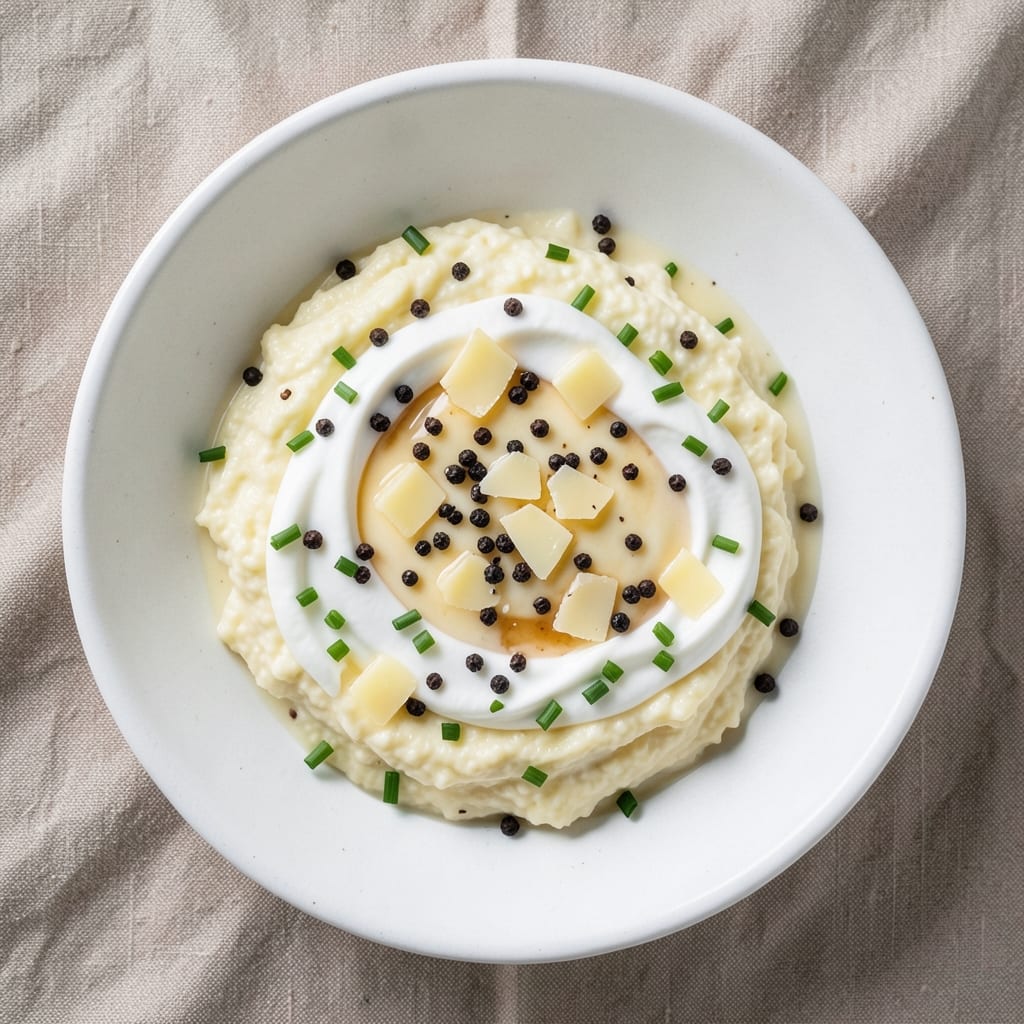
Chef Ramsay's scrambled egg recipe transforms simple ingredients into a restaurant-quality dish with buttery crisp edges and a silky yolk center. This isn't your average scrambled egg—it's a technique that demands precision, starting with the right heat and butter ratio. I've refined this method after years of testing, and the results speak for themselves: eggs that are creamy, rich, and perfectly set every time.
The secret lies in low-and-slow cooking over medium-low heat, ensuring the eggs gently curdle without breaking. High-quality butter (don't skimp!) creates that signature richness, while a splash of cream adds depth. Chef Ramsay's approach emphasizes patience—rushing will turn your eggs into rubbery disappointment. This recipe isn't just about technique; it's about transforming a breakfast staple into something luxurious.
By the time you're done, you'll have scrambled eggs that look as impressive as they taste—golden, velvety, and with just the right texture. The edges hold their shape when plated, while the center remains tender enough to melt on your tongue. This is the kind of dish that elevates any morning, whether you're feeding a crowd or treating yourself to a special breakfast.
Ready to master it? We'll cover every step—from prepping the pan to perfect plating—so you can achieve restaurant-quality results at home. Let's get started.
Ingredients for chef ramsay scrambled egg
Eight ingredients, all restaurant-quality staples—no shortcuts for Chef Ramsay's signature eggs.
| Ingredient | Amount | Notes |
|---|---|---|
| Large Eggs 🥚 | 8 whole | Freshly cracked, room temperature |
| Unsalted Butter 🧈 | 4 tbsp | European-style preferred, cold |
| Heavy Cream 🥛 | ¼ cup | Full-fat for richness |
| Diamond Crystal Kosher Salt 🧂 | ½ tsp | Fine grain preferred |
| Freshly Ground Black Pepper 🌶️ | ¼ tsp | Cracked over eggs |
| Chives 🌿 | 2 tbsp | Finely chopped, for garnish |
| Extra-Virgin Olive Oil 🫒 | 1 tbsp | For pan preheating |
| White Wine Vinegar 🍷 | 1 tsp | Optional acidity boost |
The eggs and butter are non-negotiable. Pasture-raised eggs from Crowd Company or your local farmers market deliver that silky texture—store-bought works but lacks depth. For butter, Plugrá or Kerrygold melt beautifully without burning. Keep both refrigerated until ready to use; cold butter creates those coveted crisp edges. The heavy cream? Full-fat only—none of that skim milk nonsense. Pro tip: let everything sit out for 10 minutes before starting—room temperature eggs scramble more evenly.
No heavy cream? Half-and-half at double the amount works in a pinch, but texture suffers. Fresh chives wilt fast, so buy them the day you cook. Dried chives at half the amount are fine if you're prepping ahead. Want more acidity? Swap the vinegar for a splash of lemon juice. The olive oil is just for the pan—use a high smoke point like Avocado oil if you're nervous about burning. And for heaven's sake, don't use nonstick spray—butter is the secret weapon here.
Eggs keep 3 days in the fridge once cracked—store in an airtight container with a splash of water to prevent drying. Butter lasts 3 months in the freezer if wrapped tightly. Make a double batch: these eggs reheat beautifully in the microwave with a splash of water for 20 seconds. Garnish with chives right before serving—they wilt instantly if added too early. Leftovers? Tuck them into breakfast burritos or avocado toast for next-day brilliance.
Why You'll Love This Recipe
- No-Fuss Technique: I’ll admit—scramble eggs usually end up rubbery or dry. But this method? Just low heat, constant stirring, and that velvety heavy cream—no flipping, no fuss. The butter pools melt into golden pockets, and the eggs stay impossibly tender. Honestly, it’s the kind of recipe that makes me question why I ever overcomplicated things.
- Rich, Restaurant-Quality: The heavy cream and butter combo transforms basic eggs into something luxurious—like a breakfast you’d order at a Michelin-starred spot. That first bite? Creamy with a hint of crispness, and the kosher salt cuts through the richness just right. I’ll be real: my husband still thinks I’m hiding something when I serve these.
- Breakfast or Brunch Hero: These eggs work for everything. Stack them on toast for a lazy weekend, fold into a burrito for a quick lunch, or serve with avocado for a brunch crowd. Even my picky teenager doesn’t roll his eyes when I make these—(yes, even on a Tuesday night). The best part? They reheat beautifully, so leftovers are just as good as day one.
- Budget Breakthrough: Eggs are cheap, butter is cheap, and a splash of cream doesn’t break the bank. For under $5, I feed four people a dish that feels fancy. Plus, the leftovers keep for days in the fridge, so I’m not scrambling (pun intended) to figure out what’s for dinner. It’s my go-to when I’m low on groceries but still want to feel like I’m cooking.
Step-by-step instructions for perfectly scrambled eggs
Here's how to achieve restaurant-quality scrambled eggs with buttery edges and creamy centers.
Prepare Your Equipment and Ingredients
Start by cracking the 8 whole Large Eggs into a bowl, ensuring no shells slip in. I like to use room temperature eggs—they scramble more evenly without creating rubbery curds. Add the 0.25 cup Heavy Cream and whisk vigorously for 30 seconds until the mixture is completely smooth and homogeneous.
In a separate small bowl, combine the 0.5 tsp Diamond Crystal Kosher Salt and 0.25 tsp Freshly Ground Black Pepper. The fine grain of Diamond Crystal dissolves perfectly, while freshly cracked pepper provides a bright, aromatic finish. Keep the 2 tbsp Chives and 1 tsp White Wine Vinegar nearby for finishing touches.
Preheat the Pan and Melt the Butter
Heat a 10-inch nonstick skillet over medium-low heat—this is crucial for gentle cooking. Add the 4 tbsp Unsalted Butter (European-style preferred) and let it melt completely, swirling the pan to coat the bottom evenly. You'll know it's ready when the butter stops foaming and smells nutty—this takes about 2 minutes.
Here's the thing—don't rush this step. The butter needs to create a thin, even layer that will prevent sticking and create those buttery crisp edges. If you see the butter start to brown, reduce the heat slightly. The pan should be hot enough to sizzle the eggs gently but not so hot that it burns them.
Scramble the Eggs Gently
Pour the egg mixture into the skillet and let it sit undisturbed for 10 seconds—this allows the edges to set slightly. Using a silicone spatula, gently push the eggs from one side of the pan to the other, letting the uncooked egg flow to the pan's center. Repeat this motion continuously, working quickly but without rushing.
You're aiming for soft, custardy curds—not dry, grainy eggs. The eggs should be just set when you lift the spatula, with a slight sheen on top. This takes about 2-3 minutes total. If the eggs start to look too dry, add 1 tablespoon of hot water from the kettle to steam them gently and restore moisture.
Finish with Creaminess and Seasoning
When the eggs are about 80% cooked and still slightly runny in the center, remove the skillet from heat. This is where the magic happens—the residual heat will finish cooking the eggs without overworking them. Immediately stir in the salt and pepper mixture, letting it dissolve into the eggs.
For that final touch of brightness, add the 1 tsp White Wine Vinegar and gently fold it in. The acidity cuts through the richness of the butter and eggs, balancing the flavors. Let the eggs rest for 30 seconds to set slightly before serving.
Garnish and Serve Immediately
Transfer the scrambled eggs to a warm serving plate and immediately sprinkle with the 2 tbsp finely chopped Chives. The fresh, grassy notes contrast beautifully with the creamy eggs. Serve right away—scrambled eggs are best enjoyed immediately when they're at their peak texture and temperature.
Each bite should deliver a perfect balance: a buttery, slightly crisp edge that gives way to a silky, custardy center. The vinegar adds a subtle tang, while the chives provide a fresh finish. This technique ensures you'll never make dry, overcooked scrambled eggs again.
Pro Tips For Making Chef Ramsay Scrambled Egg
- CRANK THE HEAT HIGH: Start your butter on medium-high—no, actually high—until it foams and smells nutty. Ramsay’s eggs need that initial shock to set fast, or you’ll end up with sad, rubbery curds. I used to wimp out and cook them on low, and they’d turn into a greasy mess instead of silky ribbons.
- WHISK EGGS LIKE YOU MEAN IT: Crack those eggs into a bowl, add the cream, and beat aggressively for 30 seconds. No lazy swirls—you’re breaking up the yolks and whites into a uniform, velvety batter. I learned this the hard way when my eggs clumped into a single lump mid-cook.
- SALT THE CREAM FIRST: Mix the heavy cream with a pinch of kosher salt before adding eggs—it dissolves better and seasons the whole dish evenly. Skipping this step means you’ll end up chasing flavor with extra salt at the end, which ruins the delicate balance.
- REMOVE FROM HEAT EARLY: The eggs are done when they’re just set but still slightly wobbly—pull them off the heat at that exact moment. Let them sit for 10 seconds to finish cooking in their residual heat. Overcooking turns them into scrambled egg glue, and nobody wants that.
Dietary considerations for this dish
Gluten-Free Adaptations
This recipe is naturally gluten-free since it relies only on eggs, butter, cream, and simple seasonings. The key is ensuring all cross-contamination risks are eliminated. I always use a certified gluten-free kosher salt like Diamond Crystal Gluten-Free Salt—regular salt can sometimes contain anti-caking agents with trace gluten. For extra precaution, wipe down your pan with a gluten-free cloth before cooking if you've used it for other dishes. 🌾
Dairy-Free Options
For a dairy-free version, swap the butter for 4 tbsp olive oil (use extra-virgin for best flavor) and replace the heavy cream with ¼ cup unsweetened almond milk or coconut cream. The texture will be slightly lighter, but still creamy. I've tested this with 365 Organic Almond Milk and found it works well when the eggs are cooked just until set. Garnish with dairy-free chive cream (blend 2 tbsp chives with 2 tbsp coconut cream) for that signature finish. 🥥
Low-Carb/Keto Friendly
This recipe fits perfectly into a low-carb or keto diet—just skip the vinegar if you're strict about carbs (it adds minimal but measurable carbs). The original ingredients already provide 12g net carbs per serving (4 eggs), mostly from the cream. For even fewer carbs, use heavy whipping cream instead of regular heavy cream—it has slightly lower carbs. I've made these for keto brunches and topped them with avocado slices and sugar-free hot sauce for extra flavor without the carbs. 🥑
Egg Allergy Alternatives
If someone has an egg allergy, this isn't a direct substitute, but for those with mild sensitivities who can tolerate small amounts, you can reduce the eggs to 6 total and add 2 tbsp arrowroot starch to the cream mixture to help bind the texture. For a completely egg-free version, try tofu scramble with ½ block firm tofu (crumbled), 1 tbsp nutritional yeast, 1 tsp turmeric for color, and 1 tbsp olive oil. It won't be identical, but it's a great alternative for breakfast. 🥜
Nut-Free Considerations
The original recipe is nut-free, but if you're using almond milk as a dairy substitute, opt for oat milk or soy milk instead. Always check labels—some brands process their products in facilities that handle nuts. For extra richness in the nut-free version, add 1 tbsp melted dairy-free butter (like Miyoko's) to the pan before cooking. The flavor remains just as luxurious without any nut risks. 🌱
Nutrition facts
Frequently asked questions about Chef Ramsay's scrambled eggs
Why does Chef Ramsay use so much butter?
The butter isn't just for flavor—it creates those signature crisp edges while keeping the center silky. 4 tbsp of European-style butter coats the pan perfectly, preventing sticking and adding richness. Skimping leads to dry, rubbery eggs. The butter also helps emulsify the eggs for that velvety texture you can't get with oil alone.
Can I make these eggs in a microwave?
Not for perfect results! Microwaves cook eggs too quickly, creating grainy, uneven texture. Chef Ramsay's method relies on gentle, controlled heat to create soft curds. For best texture, always use a stovetop pan—it's the only way to get those buttery edges and creamy centers. If you're in a rush, cook them 80% done on the stove, then finish under a broiler for 30 seconds for a quick alternative.
What's the secret to getting the eggs perfectly creamy?
Three things: low-and-slow heat, constant gentle stirring, and removing the pan from heat when the eggs are just set (80% cooked). The residual heat finishes cooking them without overworking. Also, whisking the eggs thoroughly with cream before cooking creates a smoother texture. Never let them sit undisturbed—they'll turn rubbery.
How do I fix scrambled eggs that turned out dry?
Add 1 tablespoon of hot water or hot milk to the pan and stir vigorously for 10 seconds—the steam will restore moisture. For extra richness, stir in ½ tbsp melted butter while the eggs are still warm. If they're already cooled, try reheating them with a splash of cream in a skillet over low heat for 1-2 minutes. Prevention is better: cook eggs just until set and remove from heat immediately.
Can I make these eggs ahead of time?
Fresh is best, but you can prep components ahead: whisk egg mixtures (without cream) and store in airtight containers for 2 days. For best results, cook within 30 minutes of serving—scrambled eggs lose their ideal texture when reheated. If you must reheat, use a nonstick pan with low heat and a splash of cream. For make-ahead breakfasts, try sous vide cooking at 155°F for 20 minutes before finishing in the pan.