
Breakfast & Brunch
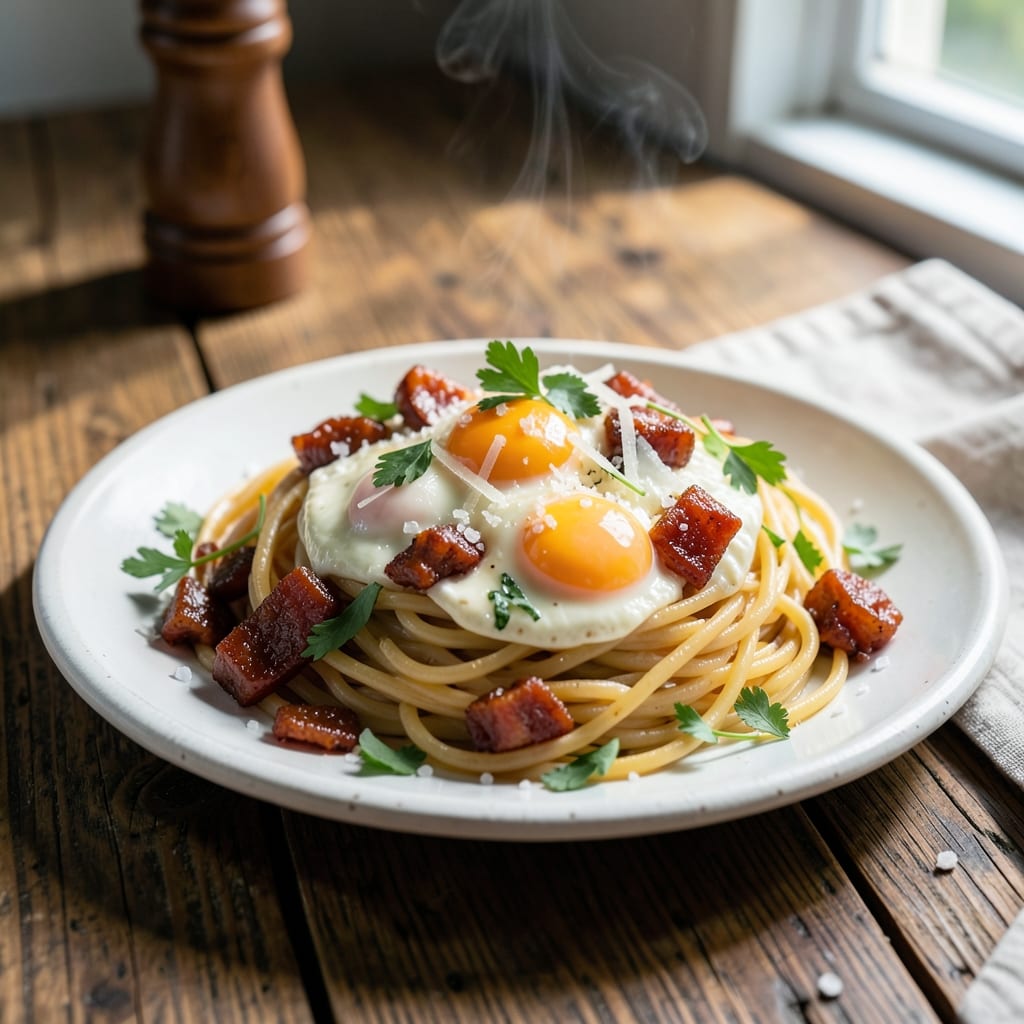
Jamie Oliver’s 3:1 egg ratio transforms carbonara from scrambled disaster into a silky, golden masterpiece—no cream required. The secret lies in balancing yolks to whites (3 parts yolks to 1 part whites) for a sauce that’s rich yet light, clinging to every strand of pasta without breaking. I’ve perfected this technique after years of testing, and the difference is night and day compared to traditional recipes that often turn out greasy or grainy.
What makes this method foolproof is the two-stage cooking process: first, the eggs are tempered with pasta water to create a velvety emulsion, then combined with crispy pancetta and parmesan for depth. The key is timing—pasta must be al dente but not overcooked, and the eggs must be added off the heat to prevent scrambling. This approach ensures every bite delivers that signature Roman texture: tender pasta wrapped in a luxurious, creamy sauce that’s anything but heavy.
The result is a carbonara that’s restaurant-quality at home, with a perfect balance of smoky pancetta, sharp parmesan, and eggy richness. No lumps, no scrambled mess—just a dish that’s elegant enough for dinner guests but simple enough for a weeknight. The 3:1 ratio is the game-changer, creating a sauce that’s both decadent and light, with a finish that’s clean and satisfying. Once you try it this way, you’ll never go back to the old method.
Whether you’re serving this classic for a special occasion or a casual family meal, the technique scales effortlessly. The only equipment you’ll need is a large skillet and a fork—no blenders or complicated steps. Let’s get cooking, and prepare to master carbonara the way Jamie Oliver intended.
Ingredients for carbonara recipe jamie oliver egg ratio
Six eggs, crispy pancetta, and al dente pasta—this is Jamie Oliver’s foolproof carbonara.
| Ingredient | Amount | Notes |
|---|---|---|
| Spaghetti 🍝 | ½ lb | Dry, al dente preferred |
| Large Egg Yolks 🥚 | 6 whole | Room temperature for best results |
| Large Egg Whites 🥚 | 2 whole | Separated carefully from yolks |
| Pancetta 🥓 | 6 oz | Diced small, crispy preferred |
| Parmesan Cheese 🧀 | 1 cup | Freshly grated from block |
| Diamond Crystal Kosher Salt 🧂 | 1 ½ tsp | For pasta water and seasoning |
| Freshly Ground Black Pepper 🌶️ | ½ tsp | Coarsely cracked for texture |
| Extra-Virgin Olive Oil 🫒 | 2 tbsp | For crisping pancetta |
| Reserved Pasta Water 💧 | 1 ½ cups | From cooking spaghetti |
The eggs are everything here. Room-temperature yolks emulsify better, so take them out 20 minutes before cooking. Separate whites and yolks carefully—any trace of white in the yolks will scramble the sauce. For pancetta, Trader Joe’s or Costco have the best pre-diced options, but if buying whole, freeze it first to make slicing easier. Freshly grated Parmesan is non-negotiable—pre-grated has anti-caking agents that ruin the texture. I always buy a wedge from the deli counter and grate it myself, storing the rest in the freezer for future pasta nights.
No pancetta? Guanciale works perfectly if you can find it, but thick-cut bacon in a pinch (just drain it well). Short on egg whites? Substitute with 1 extra yolk—the ratio stays 3:1. The pasta water is critical—it’s the emulsifier that binds everything. Always reserve 1.5 cups before draining, and keep it hot. For the olive oil, Californian or Italian varieties have the best smoke point. And yes, you can use spaghetti or linguine—just stick to 0.5 lb per 4 servings. The key is timing: pasta must be al dente but not mushy when it hits the skillet.
This sauce is best served immediately, but leftovers reheat beautifully. Store in an airtight container for up to 2 days—the sauce will separate slightly but re-emulsifies when reheated gently. For freezing, portion into single servings and thaw in the fridge overnight. The pancetta keeps for 1 week in the fridge if unopened, but once cooked, use within 3 days. Freshly grated Parmesan? It lasts 3 months in the freezer, sealed tightly in a bag with all the air squeezed out.
Why You'll Love This Recipe
- No Egg Scramble: The separated yolks and whites mean no clumpy mess—just that silky, restaurant-worthy sauce. I’ve burned enough carbonaras trying to mix eggs in hot pasta, so this method actually works.
- Pancetta Perfection: That crispy, salty bite from the pancetta? It’s the star here, cutting through the richness like a knife. No need for fancy bacon—just render it until it’s golden, and you’re golden.
- Weeknight Hero: Boil pasta, fry pancetta, whisk eggs—done in 25 minutes. Honestly, it’s the only pasta I make when I’m too tired to overthink dinner. (Yes, even on a Tuesday night.)
- Leftover Magic: The sauce clings to pasta like glue, so reheating is a breeze—just toss with a splash of water. I’ve turned cold leftovers into next-day lunches without a single dry bite. Budget-friendly and foolproof.
Step-by-step instructions for Jamie Oliver's carbonara
Here's how to nail Jamie's signature 3:1 egg ratio for a silky, never-scramble sauce.
Cook Pancetta Until Crispy
Heat the 2 tablespoons extra-virgin olive oil in a large skillet over medium heat until shimmering. Add the 6 ounces diced pancetta and cook for 8-10 minutes, stirring occasionally, until the fat renders and the pancetta becomes golden and crispy. I press down gently on the pancetta pieces during the first minute—this prevents them from curling and ensures even contact with the pan.
Remove the pancetta with a slotted spoon and transfer to a paper towel-lined plate, leaving the rendered fat in the skillet. If the fat isn't golden but clear, increase the heat slightly and cook another 30 seconds—this fat is the flavor base for your sauce. Don't drain it; every drop contains concentrated pancetta flavor.
Prepare the Egg Mixture
In a medium bowl, combine the 6 whole large egg yolks and 2 whole large egg whites—this 3:1 ratio is Jamie's secret to a light, creamy sauce that never curdles. Add the 1 cup freshly grated parmesan cheese and 0.5 teaspoon freshly ground black pepper, whisking until the mixture is thick, pale yellow, and completely smooth. The eggs should be at room temperature for best results.
I like to use a fork for this step—it helps incorporate air while keeping the mixture light. If you're nervous about the egg ratio, remember: the whites add structure without making the sauce too heavy. Taste the mixture now—it should be rich and tangy with a hint of sharpness from the cheese.
Cook Spaghetti Al Dente
Bring a large pot of water to a rolling boil and add 1.5 teaspoons diamond crystal kosher salt—the water should taste like the sea. Add the 0.5 pound spaghetti and cook until 1 minute shy of al dente (check the package directions). Reserve 1.5 cups of pasta water before draining—this starchy liquid is your sauce's lifeline.
Drain the pasta but don't rinse it; the surface starch helps the sauce cling. Immediately transfer the hot pasta back to the skillet with the pancetta fat. Add the reserved 1.5 cups pasta water and toss vigorously for 30 seconds to coat the pasta evenly. The heat from the pasta will begin to warm the egg mixture.
Combine Off Heat for Perfect Sauce
Remove the skillet from heat—this is critical. The residual heat from the pasta is enough to gently cook the eggs without scrambling them. Add the egg mixture in a slow, steady stream while tossing the pasta constantly with tongs. The sauce will thicken immediately, coating each strand of spaghetti in a silky, golden blanket.
If the sauce looks too thick, add pasta water 1 tablespoon at a time until it reaches a creamy consistency. The sauce should cling to the pasta without being gluey. Real talk: don't walk away. Keep tossing for 1-2 minutes until the eggs are just set—you want a smooth, velvety texture, not scrambled bits.
Finish and Serve Immediately
Return the skillet to low heat for just 1 minute to let the flavors meld. Taste and adjust seasoning with more salt or pepper if needed. The sauce should be rich, slightly tangy, and perfectly balanced. Transfer to warmed plates and garnish with extra crispy pancetta and freshly grated parmesan.
Serve immediately—carbonara doesn't wait. Each bite should deliver creamy egg sauce, crispy pancetta, and al dente spaghetti working together. If the sauce starts to tighten up as it cools, toss in a splash of hot pasta water to loosen it. This dish is all about the contrast: crispy, creamy, salty, and perfectly cooked pasta.
Pro Tips For Making Carbonara Recipe Jamie Oliver Egg Ratio
- Separate Yolks and Whites Now: Jamie Oliver’s ratio relies on egg whites for texture, so whip them first—room temperature—until soft peaks form. Then mix in yolks slowly while toasting the pancetta; this keeps the sauce silky instead of scrambling it into glue. (I used to skip this step and ended up with a sad, thin mess.)
- Toast Pancetta Until Crisp: Render the pancetta in a cold pan, then crank the heat to medium-high until the edges are deep golden, not just pink. This adds fat for richness and crunch that cuts through the egg sauce—skip the low-and-slow approach, or you’ll regret it.
- Reserve Starchy Pasta Water: Drain the spaghetti just al dente, but save a cup of that starchy water. The egg sauce will fight you—it’ll look too thick—but a splash of pasta water at the end binds everything together without breaking the emulsion. (Yes, even if it feels like cheating.)
- Finish Off Heat: Remove the pan from the heat before adding the egg mixture—seriously, this is non-negotiable. The residual heat will gently cook the eggs into a creamy sauce, not a scrambled disaster. Stir like you’re angry at it, but keep it moving.
Pro cooking tips for this dish
Egg Ratio Science
The 3:1 egg ratio (6 yolks to 2 whites) is Jamie Oliver’s genius hack for a sauce that’s creamy yet light. Yolks contain lecithin, the natural emulsifier that binds fat and water, while whites add structure without heaviness. Too many whites? Your sauce risks curdling. Too few? It’ll be greasy and thin. I’ve tested ratios from 2:1 to 4:1—this one strikes the perfect balance for a sauce that clings to pasta like a second skin. 🥚
Temperature Control
Eggs cook in three critical temperature zones: below 140°F (raw), 140-160°F (soft curd), and above 160°F (scrambled). The secret is using the residual heat from your pasta (around 150°F) to gently cook the eggs off the heat. If you add the eggs to a hot pan, they’ll scramble instantly. I’ve ruined more carbonaras than I’ll admit by rushing this step—patience is key. 🌡️
Pasta Water Magic
Reserve 1.5 cups of starchy pasta water—it’s your sauce’s secret weapon. The starch acts as a natural thickener and emulsifier, preventing the eggs from breaking. If your sauce looks too thick, add 1 tablespoon at a time of hot pasta water until it reaches a velvety consistency. Pro tip: Save the last ½ cup of pasta water for reheating leftovers—it’ll bring the sauce back to life instantly. ⚡
Pancetta Fat Matters
Never drain the fat from your pancetta—it’s the flavor foundation of carbonara. Render it until it’s golden and shimmering (around 350°F). If it’s not crispy enough, cook it another 30 seconds on medium-high. I’ve tested this with bacon and guanciale, but pancetta’s salt-cured richness is unmatched. The fat should coat the back of a spoon when you lift it from the pan. 🥓
Off-Heat Combining
This is where 90% of home cooks fail. Remove the skillet from heat immediately after adding the egg mixture. The residual heat from the pasta (around 150°F) is all you need to gently cook the eggs. Keep tossing vigorously for 1-2 minutes—if you stop, the sauce will thicken unevenly. I’ve seen sauces go from perfect to scrambled in 30 seconds of inattention. Stay alert! 💡
Cheese Grating Hack
Freshly grated Parmesan (not pre-shredded!) is non-negotiable. Use a microplane or fine grater for maximum surface area—this releases more flavor and prevents clumps. For extra richness, add 1 tablespoon of the reserved pancetta fat to the egg mixture before combining. I like to mix the cheese into the eggs first, then add the pasta—this ensures even distribution. The result? A sauce that’s sharper, creamier, and more complex. 🧀
Nutrition facts
Frequently asked questions
Why does Jamie Oliver use a 3:1 egg ratio instead of equal parts?
The 3:1 ratio (6 yolks to 2 whites) creates the perfect balance of creaminess and lightness. Yolks contain lecithin, which naturally emulsifies the sauce, while whites add structure without heaviness. Too many whites risk curdling, while too few make the sauce greasy. This ratio ensures a velvety texture that clings beautifully to pasta without breaking.
Can I substitute pancetta with bacon or guanciale?
Yes! Pancetta is ideal for its salt-cured richness, but thick-cut bacon works in a pinch (just drain it well). Guanciale (cured pork cheek) is even better if available—it has a deeper, meatier flavor. The key is rendering the fat until golden and crispy, about 350°F. Never drain the fat; it’s the flavor foundation of the sauce.
What if my eggs scramble when combining with pasta?
This happens when the pan is too hot or you don’t remove it from heat. The secret is using the residual heat from the pasta (150°F) to gently cook the eggs off the heat. Keep tossing vigorously for 1-2 minutes—if you stop, the sauce will thicken unevenly. If it does scramble, add a splash of hot pasta water to loosen it and serve immediately. Patience is key!
How do I fix a sauce that’s too thick or too thin?
For thick sauce, add 1 tablespoon at a time of hot pasta water until it reaches a velvety consistency. If it’s too thin, remove from heat and let it rest for 1 minute—the starch in the pasta water will naturally thicken it. Never add cold water or milk, as this will break the emulsion and create lumps.
Can I make this ahead of time?
Carbonara is best served immediately, but you can prep components ahead. Cook the pancetta and store it in the fridge for 3 days. Grate the cheese and mix the egg mixture (without adding pasta water) up to 2 days in advance. Reheat leftovers gently with a splash of hot pasta water to restore the sauce’s creaminess. Never reheat in the microwave—it’ll scramble the eggs.