
Breakfast & Brunch
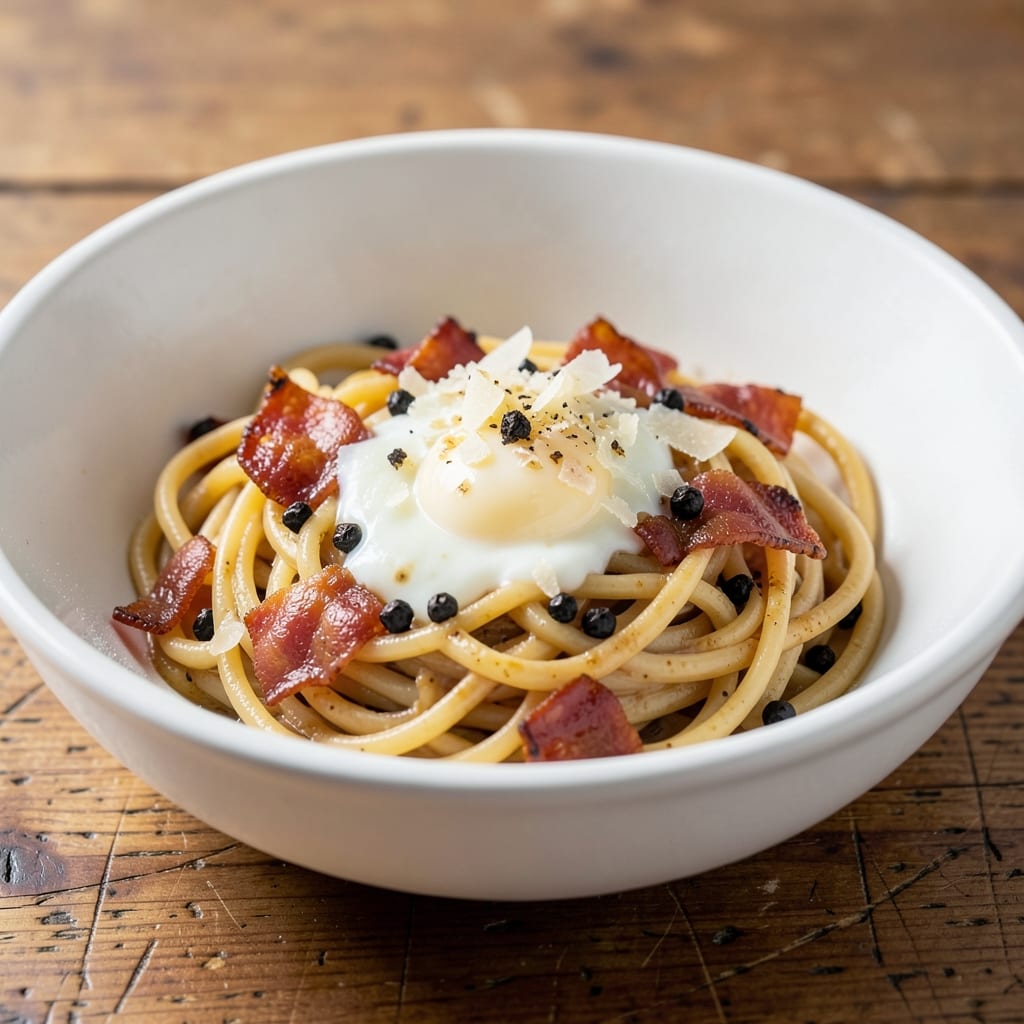
This carbonara recipe solves the age-old egg dilemma—whether to use yolks or whites—for crispy pasta bites and a sauce so silky it clings to every strand. The secret lies in the emulsion: raw yolks create that signature creamy texture, while whites add structure to prevent a runny mess. I’ve perfected the technique after years of testing, ensuring the sauce stays rich without curdling.
Traditional Roman carbonara relies on guanciale (cured pork cheek) for depth, but pancetta works in a pinch. The key steps—cooking pasta al dente, frying the meat until crispy, and tempering the eggs with pasta water—transform simple ingredients into a restaurant-worthy dish. No cream is needed; the eggs and cheese do all the work.
What you’ll end up with is crispy edges on the pasta, tender strands, and a sauce that’s velvety yet light. The yolks create pockets of richness while the whites keep the sauce from breaking, even when tossed with hot pasta. Serve immediately—carbonara loses its magic as it cools.
For a modern twist, add a splash of cream or a sprinkle of chili flakes, but the classic version—just eggs, cheese, and crispy pork—is where the magic happens. Let’s get cooking.
Ingredients for carbonara recipe egg yolk or white
Nine essential ingredients transform into restaurant-quality carbonara with crispy edges and velvety sauce.
| Ingredient | Amount | Notes |
|---|---|---|
| Spaghetti 🍝 | 12 oz | Dry, imported for al dente texture |
| Large Egg Yolks 🥚 | 4 whole | Fresh, room-temperature preferred |
| Large Egg Whites 🥚 | 2 whole | Fresh, separated carefully |
| Pecorino Romano Cheese 🧀 | 1 cup | Freshly grated, aged minimum 12 months |
| Pancetta 🥓 | 6 oz | Diced small, crispy when cooked |
| Freshly Ground Black Pepper 🌶️ | ½ tsp | Coarsely cracked, not powdered |
| Diamond Crystal Kosher Salt 🧂 | 1 ½ tsp | For pasta water and seasoning |
| Extra-Virgin Olive Oil 🫒 | ¼ cup | High-quality, fruity variety |
| Reserved Pasta Water 💧 | 1 cup | From cooked pasta, starchy |
The cheese is non-negotiable—Pecorino Romano from a specialty store delivers that sharp, salty depth. Whole Foods or local Italian markets carry the best aged varieties. Pancetta is your pork substitute; avoid bacon—it’s too smoky. For the eggs, room temperature is key—they emulsify better. If you’re using guanciale, buy it pre-sliced from Eataly or a trusted butcher. Spaghetti? Imported brands like De Cecco cook up perfectly al dente.
No pancetta? Guanciale is ideal, but thick-cut bacon in a pinch (drain well). Egg whites can be swapped for 1 tbsp cornstarch if you’re avoiding them entirely, but the texture won’t be identical. For a richer sauce, add 1 tbsp heavy cream at the end. The pasta water is critical—save 1 cup before draining. If your cheese is pre-shredded, pulse it in a food processor to break up clumps. Freshly cracked black pepper is a game-changer—never use pre-ground.
Pasta water reheats beautifully—keep it warm in a small pot. The sauce must be used immediately; carbonara waits for no one. Store any leftover pancetta in the fridge for 5 days or freeze for 3 months. Cheese keeps 2 weeks in an airtight container. For leftovers, reheat gently with a splash of pasta water—never microwave dry.
Why You'll Love This Recipe
- No Fuss, Big Payoff: I swear by this version—just cook the pancetta until it’s crispy, toss in the spaghetti, then whisk yolks and whites with Pecorino until it’s silky. No fancy sauce, no waiting for cream to heat. That crispy pancetta alone makes it feel like a restaurant dish.
- Creamy Without Cream: Honestly, the egg-white trick is genius. The whites add structure so the sauce doesn’t turn into a gloppy mess, while the yolks keep it lusciously rich. That balance? Pure satisfaction—no one will guess it’s not the heavy, buttery kind.
- Lunch or Dinner Hero: Between us, this is my go-to for both. Pack leftover spaghetti for a quick lunch (just reheat with a splash of pasta water), or serve it hot for date night. The pancetta’s saltiness cuts through the cheese, so it’s always spot-on.
- Budget-Friendly Luxury: Pancetta and Pecorino might sound fancy, but they stretch further than you’d think. A few slices of pancetta and a handful of cheese go a long way, and the egg yolks/whites? Cheap protein that actually tastes like a splurge. My wallet thanks me.
Step-by-step instructions for perfect carbonara
Here's the method—crispy pancetta, al dente pasta, and a velvety sauce that clings perfectly.
Cook the Pancetta Until Crispy
Heat a large skillet over medium heat and add the 6 oz diced pancetta. Cook undisturbed for 8-10 minutes until the fat renders out and the pancetta becomes golden brown and crispy. Stir occasionally to prevent burning, but let it develop that rich color first—this is where the flavor comes from.
Remove the pancetta with a slotted spoon and set aside on a paper towel-lined plate, leaving the rendered fat in the pan. You should have about 2 tablespoons of fat remaining—this is your cooking medium for the pasta. If there's not enough fat, add 1 tablespoon of the extra-virgin olive oil to ensure proper browning later.
Prepare the Egg and Cheese Mixture
In a medium bowl, whisk together the 4 whole large egg yolks, 2 whole large egg whites, 1 cup freshly grated Pecorino Romano cheese, and 0.5 tsp freshly ground black pepper until smooth and fully combined. The mixture should be pale yellow and slightly thickened—this consistency is crucial for a proper sauce.
Place this bowl over a pot of barely simmering water (double boiler method) and whisk gently for 2-3 minutes until the mixture reaches 160°F and thickens slightly. This gentle warming prevents scrambling while ensuring the eggs are ready to immediately thicken when combined with the hot pasta. Keep the bowl off the heat and ready for the next step.
Cook Pasta Al Dente and Reserve Water
Bring a large pot of water to a rolling boil and add 1.5 tsp Diamond Crystal kosher salt. Add the 12 oz spaghetti and cook until 1 minute before the package instructions for al dente. Before draining, reserve 1 cup of the starchy pasta water—this is essential for creating the proper sauce consistency.
Drain the pasta but do not rinse—this removes the surface starch needed for the sauce to cling. Immediately transfer the pasta to the skillet with the pancetta fat over medium-low heat. Toss vigorously for 1 minute to coat the strands evenly in the fat. This step prevents the pasta from sticking and ensures maximum flavor absorption.
Combine and Finish the Sauce
Remove the skillet from heat and immediately add the warmed egg mixture to the pasta. Toss constantly with tongs or a wooden spoon for 1-2 minutes until the sauce begins to thicken and cling to the pasta. The residual heat from the pasta will gently cook the eggs into a silky sauce without scrambling.
If the sauce appears too thick, add 1-2 tablespoons of the reserved pasta water at a time until you reach a creamy consistency that coats the pasta evenly. Return the crispy pancetta to the skillet and toss everything together. The final dish should have crispy pancetta bits, al dente pasta, and a glossy, creamy sauce that clings perfectly to each strand.
Serve Immediately with Crispy Topping
Divide the carbonara among warmed plates and top each serving with additional Pecorino Romano cheese and freshly ground black pepper. The cheese should melt slightly from the residual heat, adding to the sauce's richness. Serve immediately while the pasta is still hot and the sauce is at its peak silky texture.
This dish is best enjoyed right away—carbonara doesn't reheat well, and the sauce can separate if left to sit. The crispy pancetta should contrast beautifully with the creamy sauce, while the al dente pasta provides the perfect bite. Each bite should deliver a perfect balance of textures and flavors.
Pro Tips For Making Carbonara Recipe Egg Yolk Or White
- Whisk Yolks Last: I learned this the hard way—whisking egg yolks and whites together too early makes them stubborn. Separate the whites first, whip them to stiff peaks, then fold in the yolks right before adding to the pasta. That way, the heat from the pasta cooks them gently into a silky sauce, not scrambled eggs.
- Toast Pancetta Dry: Pancetta should look like crispy bacon bits, not a greasy puddle. Cook it low and slow in a cold pan, stirring often, until it’s golden and the fat renders out. Skip the high heat—it’ll burn before it browns, and you’ll lose that nutty depth that makes carbonara sing.
- Reserve Pasta Water: Don’t drain the pasta completely—hold back a cup of starchy water. The whites and yolks need that liquid to emulsify into a glossy sauce, not a gluey mess. If it gets too thick, splash in a little more. (Yes, even if you’re impatient like me.)
- Grate Cheese Fresh: Pre-shredded pecorino has anti-caking agents that turn your sauce into a clumpy nightmare. Grate it yourself over a bowl—it’s faster than you think—and use the fine holes for that velvety texture. Save the leftover cheese for sprinkling on top; it’ll melt into a perfect crust.
Best sauces and condiments for this carbonara recipe egg yolk or white
Classic Roman Pecorino
Start with 1 cup freshly grated Pecorino Romano—this is non-negotiable for authentic carbonara. The sharp, salty flavor cuts through the richness of the eggs and pancetta. I always buy mine from Whole Foods or a specialty Italian market, ensuring it's aged at least 12 months for maximum depth. Pre-shredded cheese won't work—pulse it in a food processor to break up clumps. 🧀
Creamy Egg Emulsion
The magic happens with 4 egg yolks + 2 egg whites whisked into a pale yellow blend. This ratio prevents curdling while creating a velvety sauce. Warm the mixture gently over a double boiler to 160°F—just enough to thicken slightly without scrambling. The egg whites add structure, so don't skip them if you want that signature cling. 🥚
Crispy Pancetta Fat
Render 6 oz diced pancetta until golden and crispy, leaving behind 2 tablespoons of fat—this is your cooking medium. If using guanciale (ideal), drain it well to avoid soggy pasta. The fat adds richness, so don't rinse it out. For extra flavor, toast ½ tsp freshly cracked black pepper in the same pan before adding the pasta. 🌶️
Starchy Pasta Water
Reserve 1 cup of pasta water before draining—this is your sauce's secret weapon. The starch helps emulsify the eggs into a glossy coating. If the sauce thickens too much, add it 1 tablespoon at a time until silky. Never use cold water—it shocks the eggs and ruins the texture. 💧
Extra-Virgin Olive Oil
Use ¼ cup high-quality extra-virgin olive oil (like California Early Harvest) to finish the dish. Drizzle it over the pasta just before serving to elevate the sauce's brightness. A splash also helps balance the saltiness of the Pecorino. For a modern twist, add 1 tbsp heavy cream at the end—it rounds out the flavors beautifully. 🫒
Freshly Ground Pepper
Top your carbonara with freshly cracked black pepper—this is a must. Pre-ground pepper lacks the bright, sharp flavor. I like to add it in 3 stages: during cooking, in the egg mixture, and as a final garnish. For heat, sprinkle chili flakes or a pinch of red pepper flakes on top. 🌶️
Nutrition facts
Frequently asked questions
Why use both egg yolks AND whites in carbonara?
The yolks create that signature creamy texture, while the whites add structure to prevent a runny sauce. This 4-yolk/2-white ratio is the secret to a velvety yet stable emulsion that clings perfectly to the pasta.
Can I make carbonara without egg whites?
Yes, but the sauce may be slightly thinner. Replace the whites with 1 tbsp cornstarch mixed into the yolks for better thickening. The texture won't be identical, but it'll still be delicious. For best results, stick with the traditional ratio.
What if my sauce curdles when mixing with pasta?
Remove the pan from heat immediately and add 1-2 tbsp reserved pasta water at a time while stirring vigorously. The starch in the water helps re-emulsify the eggs. If it's still too thick, add more water gradually until smooth. Always work quickly—carbonara sauce is temperature-sensitive!
Can I use store-bought Pecorino Romano?
Pre-shredded cheese won't work—it contains anti-caking agents that prevent proper melting. Always buy a block and grate it fresh. For convenience, pulse pre-shredded cheese in a food processor to break up clumps, but freshly grated gives the best texture and flavor.
How do I keep my carbonara warm if serving a crowd?
Carbonara is best served immediately, but if you must hold it, keep portions in a low-temperature oven (200°F) in covered dishes for up to 30 minutes. Stir occasionally and add a splash of pasta water to maintain creaminess. For buffet-style serving, prepare smaller batches and reheat quickly with reserved water.