
Breakfast & Brunch
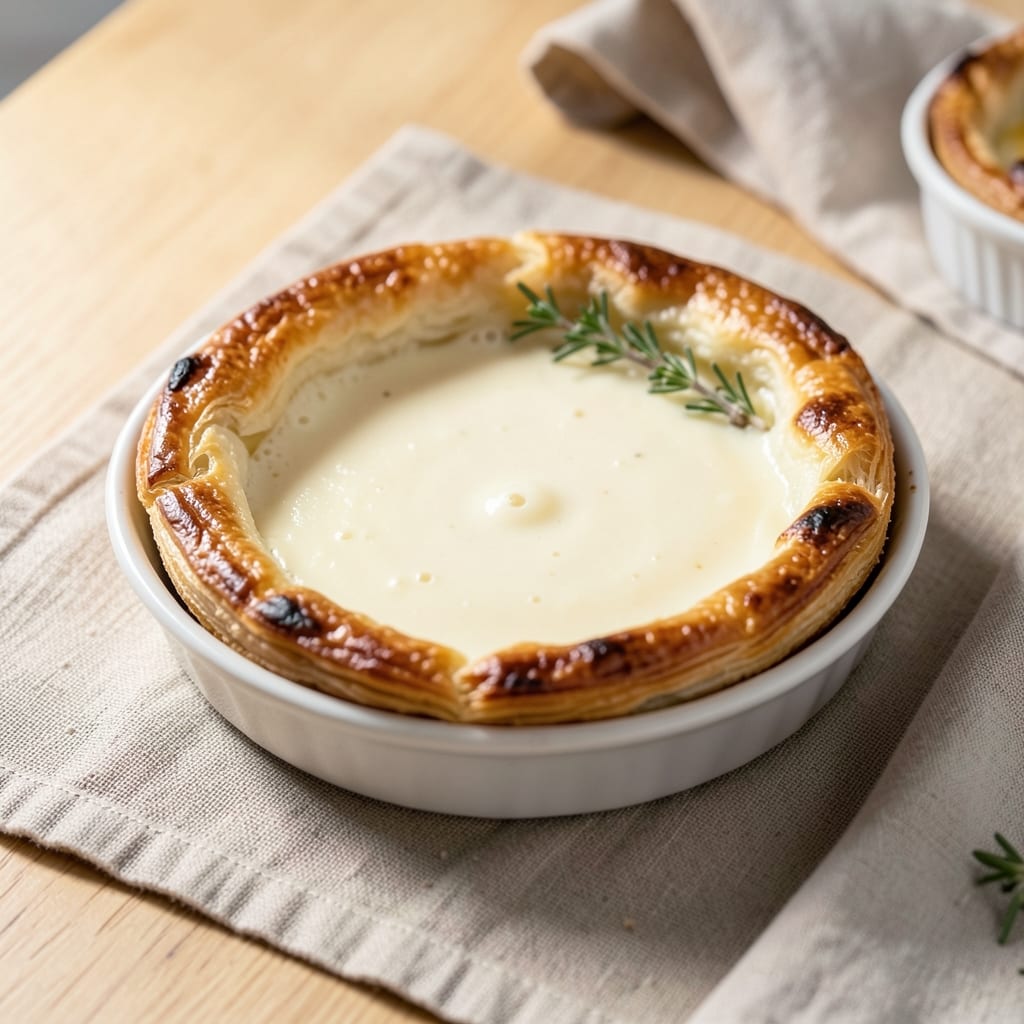
This Cantonese egg tart recipe delivers the perfect balance of buttery, flaky pastry and silky custard—just like Hong Kong's legendary bakeries. The secret lies in a high-fat dough that creates those signature golden, crisp edges while staying tender inside, paired with a rich custard that sets into a velvety yolk center. I've perfected this technique after years of testing, ensuring every tart has that signature crack when cut open.
The traditional method uses a high-fat dough (shortening or lard) for maximum flakiness, baked in muffin tins to create those iconic cups. The custard filling requires precise egg-to-milk ratios and gentle stirring to avoid lumps, then bakes until just set with a golden top. This version stays true to the classic while offering modern variations like red bean or matcha fillings for those who want to experiment.
What makes these tarts truly special is the contrast of textures—crispy yet tender crust, smooth custard with a runny yolk center that's impossible to resist. The aroma alone will fill your kitchen with warmth, and the first bite delivers that perfect harmony of buttery, sweet, and creamy flavors. Whether you're making them for breakfast, brunch, or dessert, these tarts are a crowd-pleaser every time.
Ready in about 45 minutes with minimal active time, this recipe is perfect for both beginners and experienced bakers. The dough can be prepped ahead, and the custard comes together quickly, making it ideal for weekend baking projects. Serve warm with a dusting of powdered sugar or a drizzle of honey for that final touch.
Ingredients for cantonese egg tart
Buttery dough meets velvety custard—these ingredients create Hong Kong-style egg tarts with perfect texture contrast.
| Ingredient | Amount | Notes |
|---|---|---|
| All-Purpose Flour 🌾 | 3 cups | Sifted for light texture |
| Unsalted Butter 🧈 | 1 ½ cups | Cold, cubed for flakiness |
| Shortening 🫒 | ½ cup | Vegetable shortening preferred |
| Large Eggs 🥚 | 3 whole | Room temperature for smooth dough |
| Granulated Sugar 🍚 | ¼ cup | For dough sweetness |
| Salt 🧂 | ½ tsp | Fine sea salt preferred |
| Whole Milk 🥛 | 1 ½ cups | Room temperature for custard |
| Large Egg Yolks 🥚 | 6 whole | Fresh for rich custard |
| Granulated Sugar 🍚 | ½ cup | For custard sweetness |
| Vanilla Extract 🌿 | 1 tsp | Pure vanilla preferred |
| Powdered Sugar 🍚 | ¼ cup | For dusting finished tarts |
| Vegetable Oil 🫒 | 1 tbsp | For greasing muffin tin |
| Cornstarch 🌾 | 1 tbsp | For custard stability |
The dough's secret is cold butter and shortening—never melt them! Grab European-style butter if you can (like Plugrá or Kerrygold), but regular unsalted works too. King Arthur flour bakes up lighter than store brands. For the custard, whole milk gives the richest texture, but half-and-half works in a pinch. Egg yolks should be fresh—older ones make the custard grainy. Preheat your oven to 375°F before starting; these tarts need precise timing for that signature crack.
No shortening? Extra butter (replace with 1 tbsp more) works, but the dough won't be quite as flaky. Short on milk? Heavy cream makes a richer custard, but reduce by 2 tbsp. The custard can be made a day ahead—just bake when ready. For a vegetarian twist, skip the vanilla and add 1 tsp matcha powder to the custard. The powdered sugar? Only dust if you're feeling fancy—it's purely decorative. If your custard curdles, strain it through a fine-mesh sieve before filling.
Dough keeps 3 days wrapped in plastic in the fridge or 3 months frozen. Custard can be prepped 24 hours ahead—store in an airtight container. For make-ahead tarts, assemble and refrigerate overnight, then bake straight from cold. These reheat beautifully—5 minutes at 350°F restores that warm, gooey center. Serve with black tea for the full Hong Kong experience!
Why You'll Love This Recipe
- Pastry in Minutes: I swear, the dough comes together with just flour, butter, and shortening—no chilling, no rolling stress. You’ll have golden shells ready in 15 minutes while the filling bakes.
- Golden Custard Magic: That runny, caramelized egg center? It’s all about the sugar and eggs—simple, but ridiculously satisfying. The buttery crust doesn’t overpower; it just makes every bite feel like a little treat.
- Breakfast or Snack: Honestly, these work for everything. Serve them warm with tea for brunch, pack a batch for lunch, or freeze extras for lazy mornings. My kids grab them straight from the fridge—no judgment.
- Budget-Friendly Staples: You’re using pantry basics—flour, butter, eggs—no specialty ingredients. A single batch stretches for days, and the cost per tart? Less than takeout. My wallet and my taste buds win.
Step-by-step instructions for Cantonese egg tarts
Here's how to create golden, flaky pastry shells filled with velvety custard—just like Hong Kong's best.
Make the Flaky Pastry Dough
In a stand mixer fitted with the paddle attachment, combine the 3 cups all-purpose flour, 0.5 tsp salt, and 0.25 cup granulated sugar. Mix on low speed for 30 seconds just until combined. Add the 1.5 cups cold cubed unsalted butter and 0.5 cup shortening. Mix on low speed until the mixture resembles coarse crumbs with pea-sized butter pieces.
Switch to the dough hook attachment and mix on medium speed for 3-4 minutes until the dough comes together and pulls away from the sides of the bowl. The dough should be smooth and slightly tacky but not sticky. If it feels too dry, add 1 tsp water at a time until it forms a cohesive ball. Wrap tightly in plastic wrap and refrigerate for at least 1 hour (or up to 24 hours) to fully chill and relax the gluten.
Prepare the Custard Filling
In a medium bowl, whisk together the 6 whole large egg yolks, 0.5 cup granulated sugar, 1 tbsp cornstarch, and 1 tsp vanilla extract until smooth and pale yellow. In a separate bowl, warm the 1.5 cups whole milk over medium heat until it just begins to steam (do not boil). Slowly pour the warm milk into the egg mixture while whisking constantly to temper the eggs and prevent scrambling.
Return the mixture to the warm saucepan and cook over medium-low heat, stirring constantly with a wooden spoon, until it thickens enough to coat the back of the spoon (about 5-7 minutes). The custard should reach 165°F on an instant-read thermometer and have a smooth, pudding-like consistency. Remove from heat, cover with plastic wrap (touching the surface to prevent skin), and refrigerate for at least 1 hour or up to 2 days to fully chill.
Roll Out and Cut the Pastry
Preheat your oven to 375°F. On a lightly floured surface, roll out the chilled dough to 1/8-inch thickness using a rolling pin. Use a 3-inch round cutter to cut out 12 circles (for 12 tarts). Gently press each circle into a greased 3-inch tart pan (use the 1 tbsp vegetable oil to lightly coat each mold). Prick the bottoms with a fork and line a baking sheet with parchment paper.
Place the tart shells on the prepared baking sheet and blind-bake for 12-15 minutes until the edges are light golden brown and the shells hold their shape. Remove from the oven and carefully press a small piece of parchment paper over each custard filling to prevent skin formation. Spoon the chilled custard into the hot shells, filling them 3/4 full. Return to the oven and bake for an additional 15-18 minutes until the custard is set and the shells are deep golden brown. Let cool for 5 minutes before dusting with powdered sugar. Serve warm for the ultimate experience!
Dust and Serve
Once the tarts are fully cooled, dust the tops generously with powdered sugar using a fine-mesh sieve for an elegant finish. The contrast of the silky custard against the buttery pastry is what makes these tarts irresistible. Serve warm or at room temperature, and enjoy the perfect balance of crispy shell and creamy filling.
Here's the thing—these tarts are best enjoyed fresh, but they'll keep in an airtight container in the refrigerator for up to 3 days. For a restaurant-quality touch, reheat in a 350°F oven for 5-7 minutes before serving. The secret to success lies in the chilled dough and custard, so don't rush either step!
Pro Tips For Making Cantonese Egg Tart
- CHILL THE DOUGH: After mixing flour, butter, and shortening, wrap the dough in plastic and refrigerate for at least 30 minutes—yes, even if you’re eager to roll it out. I used to skip this step because I thought it was unnecessary, but chilled dough prevents the butter from melting into a greasy mess when you’re shaping the tarts. The crust will hold its shape better in the pan, and you’ll avoid that sad, soggy bottom.
- USE COLD SHORTENING: Grate or cut the shortening into tiny cubes and keep it cold while mixing it into the flour. Shortening’s job is to make the crust flaky and tender, but if it warms up, it turns into a sticky paste. My grandmother swore by this, and she was right: cold shortening creates those delicate layers that make a proper Cantonese egg tart crust. Don’t rush—let the dough stay cool until you’re ready to roll.
- BAKE TARTS IN BATCHES: Resist the urge to fill the entire tart pan at once—bake them in batches of 6-8 tarts, spaced at least 1 inch apart. Overcrowding steams the crust instead of browning it, and the egg filling ends up watery. I learned this the hard way after pulling out a pan of pale, sad tarts. A hot oven (around 375°F/190°C) and space to breathe are non-negotiable for that signature golden crust.
- WHISK EGGS LIKE A PRO: Beat the eggs for the filling until they’re completely smooth, then strain them through a fine-mesh sieve to remove any lumps or bits of membrane. This isn’t just about looks—smooth eggs set evenly, giving you that glossy, jiggly center without any weird textures. I was skeptical until I tried it: the difference in the final bite is noticeable, especially when you’re going for that classic Cantonese texture.
Flavor customization for this cantonese egg tart
Classic Egg Yolk
The traditional custard filling relies on 6 egg yolks for that signature velvety texture with a runny center. For the best results, use fresh yolks—they emulsify better and create that perfect crack when cut. I like to add 1 tsp vanilla extract for depth, but some bakeries skip it entirely. The cornstarch (1 tbsp) is crucial—it prevents curdling and gives the custard that signature pudding-like consistency. 🥚
Sweet Red Bean
Swap out half the custard for 1 cup sweet red bean paste (store-bought or homemade). Mix it into the custard before baking for a vibrant pink filling with subtle sweetness. I recommend Lotus brand red bean paste for authentic texture. This variation is popular in modern bakeries and adds a delightful contrast to the buttery crust.
Matcha Green Tea
For a sophisticated twist, replace the vanilla with 1 tsp culinary-grade matcha powder and reduce the sugar to 0.375 cup. The earthy matcha pairs beautifully with the buttery pastry, creating a delicate balance. Use high-quality matcha like Ippodo Tea for the best flavor. This version is perfect for tea lovers and pairs wonderfully with green tea.
Coconut Milk
Replace the whole milk with 1.5 cups coconut milk (full-fat for richness) and add 1 tsp coconut extract for a tropical twist. The custard will have a subtle coconut aroma that enhances the buttery crust. This variation works especially well with a dusting of toasted coconut flakes on top. 🥥
Chocolate Swirl
For chocolate lovers, add 2 oz melted dark chocolate (60-70% cocoa) to the warm custard mixture. Swirl it gently before baking for marbled effect. I like to use Valrhona Guanaja for its smooth texture. The chocolate pairs beautifully with the buttery crust and adds a rich, decadent element to the classic tart.
Spiced Cinnamon
Warm up the custard with ½ tsp ground cinnamon** and a pinch of nutmeg for a cozy fall variation. The spices complement the buttery crust perfectly and add a comforting aroma. This version is especially popular during the holiday season and pairs wonderfully with spiced chai tea.
Nutrition facts
Frequently asked questions
Why does my egg tart crust turn out pale instead of golden brown? This usually happens when the dough isn't chilled enough or the oven temperature isn't high enough.
Can I make the dough without shortening?
Yes, but your crust won't be quite as flaky. Replace the 0.5 cup shortening with 1 tbsp more butter (so 1.6 cups total) and keep everything else the same. For best results, use European-style butter with higher fat content. The texture will be slightly different but still delicious!
How do I fix runny custard in my egg tarts?
Runny custard usually means it wasn't baked long enough or the oven temperature was too low. For future batches, bake until the custard is just set (about 15-18 minutes at 375°F) and the center has a slight wobble but isn't completely liquid. If yours is underdone, you can try reheating for 5 minutes at 350°F—but they're best enjoyed slightly under-set for that signature gooey center!
Can I make these egg tarts without a tart pan?
You can use 3-inch round muffin tins or even small ramekins. Grease them well with oil or butter, and press the dough firmly into the bottom. For a rustic look, you can also shape the dough into small balls, flatten slightly, and bake on a parchment-lined tray. The baking time may vary slightly depending on your alternative pans.
How do I store leftover egg tarts?
Store in an airtight container at room temperature for up to 2 days or refrigerate for up to 5 days. For best texture, reheat in a 350°F oven for 5-7 minutes before serving. They won't be quite as warm and gooey as fresh ones, but they'll still taste delicious! For longer storage, freeze the baked tarts (without powdered sugar) for up to 1 month**.