
Breakfast & Brunch
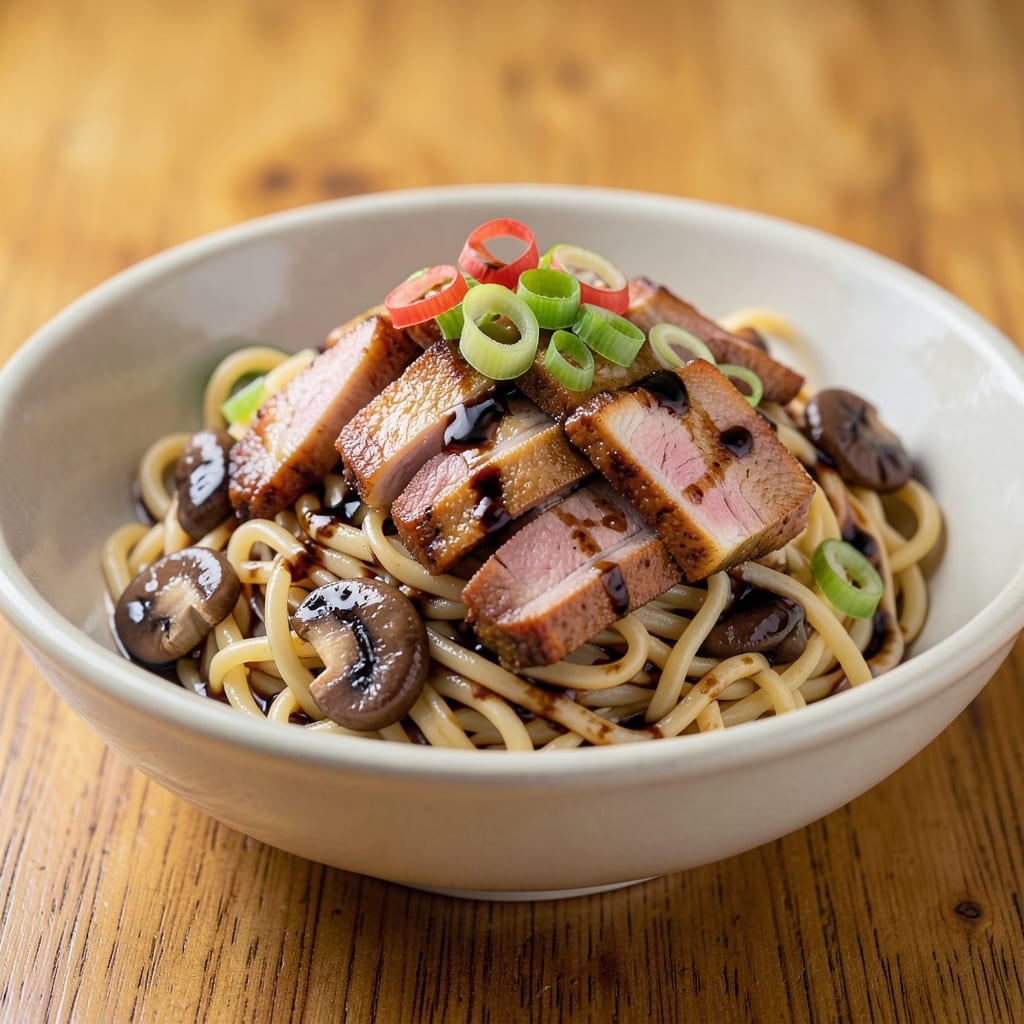
This Canton egg noodle recipe delivers the wok-heated fragrance and silky sauce that define Cantonese comfort food. 🌟 The secret lies in perfectly cooked egg noodles, tender protein, and a light yet flavorful broth that balances sweet, savory, and umami notes. I've refined this recipe through countless wok sessions, ensuring every bite captures that signature restaurant-quality texture and aroma.
The foundation starts with fresh egg noodles—hand-pulled or store-bought—cooked just until al dente to maintain their delicate bite. Traditional Cantonese versions often feature char siu pork, but shrimp or chicken work equally well. The sauce, a delicate balance of soy sauce, oyster sauce, and a touch of sugar, transforms simple ingredients into something extraordinary through proper stir-frying technique.
What sets this dish apart is the harmony of textures: tender noodles, crisp protein, and a sauce that clings without overwhelming. The wok's high heat creates that signature smoky aroma while keeping everything vibrant. Whether you're recreating a Hong Kong-style version with extra oyster sauce or a Guangzhou-style approach with more chili, the technique remains consistent—quick, precise movements to preserve freshness.
Ready in under 20 minutes, this recipe proves Cantonese cuisine doesn't require hours of prep. The key is proper timing—cooking the noodles first, then quickly stir-frying the protein and sauce together. Serve immediately for that restaurant-fresh experience. Let's bring Cantonese flavors to your kitchen.
Ingredients for canton egg noodle
Fresh egg noodles, aromatic proteins, and umami-rich sauces create this iconic Cantonese dish.
| Ingredient | Amount | Notes |
|---|---|---|
| Fresh Egg Noodles 🍜 | 8 oz | Store-bought or homemade, al dente texture |
| Char Siu Pork 🐷 | 1 lb | Pre-sliced or thinly sliced, restaurant quality |
| Dried Shiitake Mushrooms 🍄 | 4 whole | Rehydrated, stems removed |
| Green Onions 🧅 | ¼ cup | White and green parts, sliced |
| Light Soy Sauce 🥄 | 3 tbsp | High-quality, low-sodium preferred |
| Dark Soy Sauce 🥄 | 1 tbsp | For color depth and umami |
| Oyster Sauce 🍶 | 2 tbsp | Kikkoman or Lee Kum Kee brand |
| Sesame Oil 🫒 | 1 tsp | Toasted, for aroma |
| Granulated Sugar 🍯 | 1 tbsp | White or brown, fine grain |
| Cornstarch 🌾 | 1 tsp | For sauce thickening |
| Vegetable Oil 🫒 | 2 tbsp | High smoke point, neutral flavor |
| Garlic Cloves 🧄 | 4 cloves | Minced, fresh preferred |
| Dried Chili Flakes 🌶️ | ½ tsp | Adjust to taste |
| Salt 🧂 | 1 tsp | Diamond Crystal kosher salt |
| Black Pepper 🌶️ | ¼ tsp | Freshly ground |
The egg noodles are non-negotiable—hand-pulled or high-quality store-bought like King Noodle or Nongshim make all the difference. For the protein, char siu pork delivers authentic Cantonese flavor, but shrimp or chicken breast work beautifully as substitutes. Look for pre-sliced char siu at Asian markets—it's pre-marinated and ready to cook. If you're using dried shiitake mushrooms, rehydrate them in hot water for 15 minutes to restore their meaty texture. Fresh shiitakes can be used directly, but they're pricier. The Lee Kum Kee oyster sauce is a staple in Cantonese cooking—its rich umami profile is hard to beat, though Kikkoman works in a pinch.
No char siu? Marinate chicken breast in hoisin sauce and five-spice powder for a quick substitute. The soy sauces—light and dark—serve distinct purposes: light for flavor, dark for color. Substitute coconut aminos for a gluten-free option, though the flavor won't be identical. For the chili flakes, Sichuan chili bean paste adds depth if you want to lean into the spicy Guangzhou style. The sesame oil should be toasted—La Choy or Kallo brands are reliable. If your cornstarch is clumping, whisk it with a bit of cold water before adding to the sauce to prevent lumps. The garlic should be minced finely—a microplane works best—to ensure even distribution of flavor throughout the dish.
Prep the noodles first—they cook in just 2-3 minutes—then set them aside. The sauce can be made ahead and reheated, though it's best fresh. Store any leftovers in an airtight container for 2-3 days in the fridge, but the noodles will soften over time. For freezing, portion the sauce separately and reheat gently—3 months is the limit. The wok's high heat is key; if you don't have a wok, a cast-iron skillet or wok pan works just as well. Serve immediately for that signature restaurant texture—Canton egg noodles are best enjoyed fresh.
Why You'll Love This Recipe
- No-Chop Needed: I swear by this one—just soak those dried shiitake mushrooms while you slice the green onions (if you even do that). The char siu falls apart on its own, and the egg noodles? Cooked in 3 minutes. Honestly, I’ve made this after work when I was too tired to peel garlic.
- Umami Bomb: That light soy sauce and shiitake combo? It’s like a flavor grenade—salty, savory, and just a little funky in the best way. The char siu adds that sweet, smoky punch, and the egg noodles soak it all up like a sponge. (Yes, even on a Tuesday night.)
- Lunchbox Hero: Between us, this is my go-to for meal prep. Toss the leftovers into a thermos, and it’s still warm and delicious by lunchtime. The noodles hold up better than takeout, and the mushrooms add texture that never gets soggy. My daughter picks out the green onions, but still asks for seconds.
- Budget Stretch: I buy char siu in bulk, and those dried shiitake? They last for months. A bag of egg noodles feeds four for under $5, and the soy sauce? You already have it. It’s the kind of recipe that makes me feel like I’m feeding a crowd without breaking the bank—or my willpower.
Step-by-step instructions for Canton egg noodle masterpiece
Here's how to transform simple ingredients into restaurant-quality Canton egg noodles with perfect texture and layered flavors.
🍳 Step 1: Rehydrate Shiitake Mushrooms and Prep Aromatics
Place the 4 whole dried shiitake mushrooms in a heatproof bowl and cover with hot water. Let them soak for 10 minutes until softened. Drain, then squeeze out excess water and finely chop the caps, discarding stems. Set aside.
While mushrooms rehydrate, mince the 4 cloves garlic cloves and slice the 0.25 cup green onions into ½-inch pieces. The mushrooms should yield about ½ cup chopped - this umami base will form the flavor foundation of your dish. Keep all prepped ingredients within reach for efficient cooking.
🔥 Step 2: Sear Char Siu Pork for Maximum Flavor
Heat a wok or large skillet over high heat with 2 tablespoons vegetable oil until shimmering. Add the 1 lb char siu pork in a single layer and sear for 2-3 minutes until the edges crisp slightly. Remove pork and set aside on a plate.
Don't overcrowd the pan - if your pork doesn't fit in one layer, work in batches. The high heat creates that signature wok-hei (breath of the wok) that defines Cantonese cuisine. You'll notice the pork releases its natural juices - these precious droplets contain concentrated flavor that we'll incorporate back into the dish.
🍳 Step 3: Build the Fragrant Sauce Base
In the same wok, add another 1 tablespoon vegetable oil and stir in the chopped mushrooms. Cook for 2 minutes until they release their moisture and develop a golden sheen. Add the minced garlic and cook for 30 seconds until fragrant - you should smell that sweet, pungent aroma that signals proper cooking.
Pour in 3 tablespoons light soy sauce, 1 tablespoon dark soy sauce, 2 tablespoons oyster sauce, and 1 tablespoon granulated sugar. Stir constantly for 1 minute until the sauce begins to reduce slightly. The dark soy sauce will give your noodles that signature deep brown color while enhancing umami.
🥘 Step 4: Thicken and Finish the Sauce
Dissolve the 1 teaspoon cornstarch in 2 tablespoons water until smooth. Add this slurry to the wok along with the 1 teaspoon sesame oil and 0.5 teaspoon dried chili flakes. Stir vigorously for 1 minute until the sauce thickens to a glossy consistency that coats the back of a spoon.
Return the char siu pork to the wok along with any accumulated juices. Add the 1 teaspoon salt and 0.25 teaspoon black pepper, tossing everything together for 30 seconds to marry all the flavors. The sauce should now cling beautifully to the pork pieces, creating that signature Cantonese sauce texture.
Pro Tips For Making Canton Egg Noodle
- Boil Noodles Separately: I learned this the hard way—tossing fresh egg noodles into the stir-fry pan first makes them turn to mush. Boil them al dente (about 2 minutes less than package instructions), drain, and rinse with cold water to stop cooking. Then, keep them warm in a bowl with a splash of oil while you prep the rest—no soggy noodles here.
- Rehydrate Shiitake Properly: Dried shiitake mushrooms need a good soak (10-15 minutes in hot water), but don’t overdo it—they’ll turn to paste. After soaking, slice them thick (¼-inch) so they hold their shape and don’t disintegrate in the stir-fry. Save the soaking liquid too—it’s packed with flavor for the sauce.
- Cut Char Siu Thin: Thick slices of char siu take forever to cook and end up dry. Slice them paper-thin against the grain, then separate into bite-sized pieces. They’ll cook fast and stay juicy—no one wants chewy pork in their noodles.
- High Heat, Fast Stir: This isn’t a gentle simmer—crank the wok or pan to max heat and work fast. Add oil first, then shiitake, pork, and aromatics in quick succession. Constant stirring prevents burning and keeps everything crisp. If your pan isn’t screaming hot, you’re doing it wrong.
Pro cooking tips for perfect results
Wok-Hei Essentials
Canton egg noodles rely on wok-hei—that smoky, aromatic essence from high-heat cooking. Use a carbon steel wok or cast-iron skillet (like Made In or Lodge) for best results. Preheat your wok until a drop of water sizzles and evaporates instantly—this ensures proper searing. If your wok isn't preheated, the protein will steam instead of sear, losing that signature restaurant aroma. 🔥
Noodle Timing Tricks
Cook noodles al dente—just 2-3 minutes in boiling water—then drain and rinse briefly with cold water. This prevents overcooking while keeping them tender. I like to shock them in an ice bath for 10 seconds to stop cooking instantly. Keep them covered with a damp towel until ready to stir-fry—this maintains their chewiness and prevents drying. 💫
Protein Prep Secrets
For char siu pork, slice it thinly against the grain (about ¼-inch thick) to ensure even cooking. If using chicken breast, pound it to ¼-inch thickness for quick cooking. Preheat your wok until smoking hot before adding oil—this creates the perfect sear. Work in single layers to avoid steaming, and remove protein when 85% cooked—it'll finish in the sauce. ⚡
Sauce Thickening Hacks
The cornstarch slurry is your secret weapon—mix it with cold water first to prevent clumping. Add it gradually while stirring constantly over high heat until the sauce reaches a glossy, coatable consistency. For extra depth, add 1 tsp chili bean paste (like Lee Kum Kee) to the sauce base. Taste as you go—adjust with light soy sauce for saltiness or sugar for balance. 💡
Final Assembly Tips
Combine hot noodles with the sauce mixture in the wok—this steams them slightly for a silky texture. Toss everything together for 30 seconds until evenly coated. Garnish with green onions and a drizzle of sesame oil right before serving. The noodles should be hot when served—Canton egg noodles lose their appeal when cold. 🌟
Equipment Upgrades
A thermometer (like ThermoWorks Smoke) ensures your wok reaches 500°F+—critical for proper searing. If you lack a wok, a 12-inch cast-iron skillet works in a pinch. For extra flavor, add 1 star anise pod to the sauce base while simmering, then remove before serving. A fine-mesh strainer helps drain excess water from rehydrated mushrooms for better texture. 💪
Nutrition facts
Frequently asked questions
Can I substitute fresh egg noodles with other types?
Fresh egg noodles are essential for authentic texture, but you can use udon or ramen noodles in a pinch. For best results, choose noodles with a thick, chewy texture and cook them 1-2 minutes less than package instructions. Avoid thin rice noodles—they'll turn mushy when combined with the sauce.
How do I make this recipe gluten-free?
Replace the soy sauces with coconut aminos and use tamari (gluten-free soy sauce). For noodles, opt for rice noodles or gluten-free egg noodles (like King Arthur brand). The flavor will be slightly different, but the technique remains the same. Always check labels—some oyster sauces contain wheat.
What's the best way to reheat leftovers?
Reheat in a wok or skillet over medium-high heat with 1 tsp vegetable oil, adding 1 tbsp water to prevent drying. Stir constantly for 2-3 minutes until hot. Microwaving works but makes noodles soggy—avoid it for best texture. For extra flavor, add a splash of oyster sauce while reheating.
Can I make the sauce ahead of time?
Yes! Prepare the sauce base (without protein) up to 2 days ahead and store in an airtight container. Reheat gently over low heat, adding 1 tsp water to restore thickness. For best results, finish with fresh garlic and sesame oil when serving. The sauce loses some aroma when stored, so fresh prep is ideal.
Why did my noodles turn mushy?
Overcooking or rinsing too long are the most common causes. Cook noodles just until al dente (2-3 minutes), then rinse briefly with cold water (no more than 10 seconds). Keep them covered with a damp towel until ready to use. If reheating, add sauce gradually to prevent steaming.