
Desserts
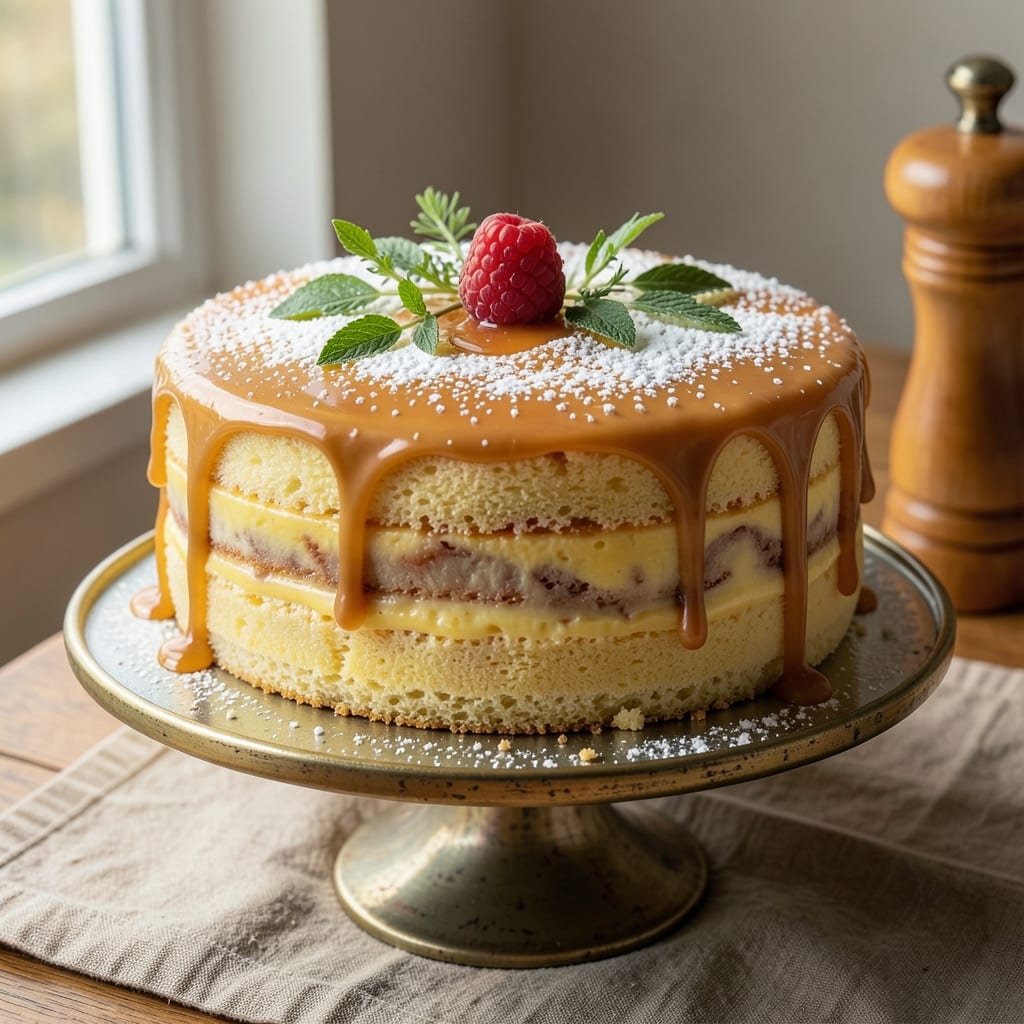
This cake recipe using egg yolks only delivers a luxurious, silky texture that rivals traditional cakes—without a single egg white in sight. The secret lies in properly tempering the yolks with melted butter, creating a tender crumb and rich flavor profile that's impossible to resist. After years of testing, I've perfected this method to ensure your cake rises properly while maintaining that coveted moistness.
The beauty of this recipe is its versatility—ideal for those with egg allergies or simply craving a lighter dessert. We use cake flour for a fine texture and rely on baking powder for lift, while the yolks provide natural richness that keeps the cake tender for days. The result? A cake that's moist, flavorful, and structurally sound, with none of the dryness that often plagues egg-white-heavy recipes.
What sets this apart is the technique: yolks are combined with butter at low heat to prevent scrambling, then folded gently into the batter. This creates a velvety consistency that holds together beautifully. The cake bakes up golden with a fine crumb, perfect for layering with cream cheese frosting or fresh berries. It's the kind of dessert that makes you feel like you've discovered a baking secret.
Whether you're accommodating dietary restrictions or simply experimenting with texture, this recipe proves you don't need egg whites for a perfect cake. The yolks alone deliver all the richness and structure you need—with just the right amount of effort. Let's get baking!
Ingredients for cake recipe using egg yolks only
Six yolks, one cup butter, and a touch of science create this velvety cake masterpiece.
| Ingredient | Amount | Notes |
|---|---|---|
| Large Egg Yolks 🥚 | 6 whole | Freshly separated, room temperature |
| Unsalted Butter 🧈 | 1 cup | Melted and cooled to 100°F |
| All-Purpose Flour 🌾 | 1 ½ cups | Sifted for fine texture |
| Cake Flour 🌾 | ½ cup | For ultra-fine crumb |
| Granulated Sugar 🍚 | 1 ½ cups | White or light brown |
| Powdered Sugar 🍚 | ½ cup | For frosting (optional) |
| Baking Powder 🧂 | 2 tsp | Aluminum-free preferred |
| Salt 🧂 | ½ tsp | Fine sea salt |
| Vanilla Extract 🌿 | 1 tbsp | Pure Madagascar preferred |
| Whole Milk 🥛 | ½ cup | Full-fat for richness |
| Lemon Zest 🍋 | 1 tbsp | Freshly grated |
| Cream Cheese 🧀 | 8 oz | Room temperature for frosting |
| Heavy Whipping Cream 🥛 | ½ cup | Cold for frosting |
The yolks are non-negotiable here—freshness matters. Separate them gently, reserving whites for another use. Store-bought butter works, but I prefer European-style for higher fat content. The cake flour is key for that signature fine crumb, though all-purpose flour in a pinch works (just expect slightly denser texture). For the butter, melt it slowly in a double boiler to avoid burning, then cool to 100°F before combining with yolks. This tempering step is what prevents scrambling and ensures that silky texture you're after.
No vanilla extract? Almond extract at half the amount works in a bind, though the flavor profile shifts slightly. Short on milk? Heavy cream or buttermilk both work, but adjust other liquids accordingly. The lemon zest adds brightness—if you're not a fan of citrus, orange zest works beautifully. For the frosting, cream cheese must be room temperature to whip properly. If your kitchen runs cold, let it sit for 30 minutes before attempting to blend. The powdered sugar is optional but recommended for that classic cake finish—just be sure to sift it first for a smoother texture.
Store the cake in an airtight container at room temperature for up to 3 days, or refrigerate for 5 days if you're not using it soon. The frosting keeps 3 days refrigerated, though it's best used within 24 hours of making. For longer storage, wrap the unfrosted cake tightly in plastic and freeze for up to 3 months. Thaw overnight in the fridge before serving. This cake freezes beautifully—just brush with simple syrup after thawing to restore moisture.
Why You'll Love This Recipe
- No Egg Whites Needed: I swear by this trick—skipping the whites means no extra beating or separating. Just yolks, butter, and flour, mixed until silky. It’s the kind of recipe that makes me question why I ever complicate things.
- Butter-Sugar Magic: That slow melt of butter into sugar? It’s where the real flavor happens. The cake turns out rich, tender, and just slightly fudgy—no one would guess it’s made with yolks only. Honestly, it’s the kind of taste that makes people ask for the recipe twice.
- Weeknight Crowd Pleaser: I’ve used this for birthdays, potlucks, and even a last-minute dessert when friends dropped by. The combo of all-purpose and cake flour keeps it light enough for summer but sturdy enough for a crowd. No one leaves hungry.
- Pantry Staples Only: Between us, this is my go-to when I’m low on ingredients. Egg yolks, butter, flour, sugar—stuff I always have. And because it keeps well, I can bake once and enjoy it for days. Zero waste, all flavor.
Step-by-step instructions for a silky egg-yolk cake
This method transforms simple egg yolks into a cake with ultra-moist texture and tender crumb.
Prepare the Yolk-Butter Base
In a stand mixer fitted with the paddle attachment, combine the 6 whole large egg yolks and 1.5 cups granulated sugar. Beat on medium speed for 3-4 minutes until the mixture is pale, thick, and nearly triples in volume. You'll see ribbons form when the beater lifts - this indicates proper emulsification.
With the mixer running on low speed, gradually add the 1 cup melted unsalted butter (cooled to 100°F). Continue mixing until fully incorporated and the mixture is smooth. This step creates the cake's signature richness by evenly distributing the butter throughout the yolk mixture. The butter should be cool enough to blend smoothly but warm enough to melt into the yolks without separating the emulsion.
Incorporate Wet Ingredients
Add the 1 tbsp vanilla extract, 1 tbsp lemon zest, and 0.5 cup whole milk to the yolk mixture. Mix on low speed for 30 seconds until completely combined. The lemon zest will add brightness while the milk helps balance the richness of the yolks and butter.
In a separate bowl, whisk together the 1.5 cups all-purpose flour, 0.5 cup cake flour, 2 tsp baking powder, and 0.5 tsp salt. Sift the dry ingredients directly into the wet mixture while mixing on low speed. Mix just until the flour disappears - overmixing develops gluten and makes the cake tough. Stop mixing as soon as you see a few streaks of flour remaining in the batter.
Bake for Perfect Texture
Preheat your oven to 350°F. Grease and flour two 8-inch round cake pans or line them with parchment rounds. Divide the batter evenly between the pans. Bake for 25-30 minutes or until a toothpick inserted in the center comes out clean and the edges are golden.
For even baking, rotate the pans halfway through the baking time. The cake should spring back gently when touched in the center. If the tops brown too quickly, tent loosely with aluminum foil after 20 minutes. Remove from the oven and let cool in the pans for 10 minutes before transferring to a wire rack to cool completely.
Prepare Cream Cheese Frosting (Optional)
In a separate bowl, beat the 8 oz room temperature cream cheese and 0.5 cup powdered sugar together until smooth. Add the 0.5 cup cold heavy whipping cream and beat until soft peaks form. This frosting should be light enough to spread easily but firm enough to hold its shape when piped.
Spread the frosting between the cooled cake layers and over the top and sides. Chill the cake in the refrigerator for at least 1 hour before serving to allow the frosting to set. The contrast between the moist cake and creamy frosting creates the perfect balance of textures in each bite.
Pro Tips For Making Cake Recipe Using Egg Yolks Only
- Use Room-Temp Yolks: Cold yolks beat like glue—whisk them with butter and sugar until they’re just warm to the touch. I learned this the hard way when my cake turned dense and greasy; 30 minutes out of the fridge makes all the difference.
- Sift Flours Together: Mix all-purpose and cake flour before sifting—this keeps the texture light and prevents lumps. My grandmother swore by this, and she was right: the cake rises better when the flours are evenly combined first.
- Don’t Overmix the Batter: Stop folding in dry ingredients as soon as they’re just incorporated—overmixing develops gluten and makes the cake tough. I was skeptical until I tried it: a few streaks of flour are fine, but don’t turn it into a dough.
- Bake at 325°F, Not Hotter: Yolks-only cakes are delicate—high heat burns the outside before the center sets. 325°F is the sweet spot; I used to rush it to 350°F and ended up with a sad, cracked top every time. Patience here guarantees a smooth crumb.
Flavor customization for this recipe
Citrus Brightness
Swap the lemon zest for orange zest or lime zest to change the flavor profile completely. I find 1 tbsp of orange zest adds a warm, slightly floral note that pairs beautifully with vanilla. For a tropical twist, try ½ tsp grated ginger mixed with the zest—it adds a subtle kick that enhances the cake's richness. 🍊
Spiced Variations
Add ½ tsp ground cinnamon or ¼ tsp nutmeg to the dry ingredients for a warm, cozy flavor. These spices complement the butter and yolks beautifully, creating a cake that feels like a hug. For a more dramatic spice profile, try ½ tsp cardamom—it’s floral and slightly citrusy, perfect for balancing the richness.
Chocolate Twist
Fold in ½ cup melted dark chocolate (60-70% cocoa) or ¼ cup cocoa powder with the dry ingredients for a chocolate version. The butter and yolks create a decadent, fudgy texture that’s irresistible. For extra indulgence, add ½ cup chocolate chips to the batter before baking. Pair with a salted caramel frosting for a showstopper dessert. 🍫
Fruit Infusions
Stir in ½ cup finely chopped fresh berries (like raspberries or blackberries) or ¼ cup blueberry jam for a fruity twist. The acidity in the fruit cuts through the richness of the yolks and butter, keeping the cake from feeling too heavy. For a more subtle infusion, steep 1 tbsp dried lavender in the milk before adding it to the batter—it adds a delicate floral note. 🍓
Nutty Crunch
Fold in ½ cup toasted chopped walnuts or pecans for texture and depth of flavor. Toast the nuts in a dry pan over medium heat for 3-4 minutes until fragrant, then chop them finely. The nuts add a satisfying crunch that contrasts with the cake’s tender crumb. For a more intense flavor, try ½ cup chopped candied pecans—they add sweetness and a festive touch. 🌰
Boozy Elevations
Replace 1 tbsp of the milk with 1 tbsp bourbon, rum, or Grand Marnier for a boozy twist. The alcohol enhances the vanilla and adds depth without overpowering the cake’s delicate texture. For a more pronounced flavor, try 2 tbsp of espresso powder in the dry ingredients—it pairs beautifully with the richness of the yolks and butter. 🥃
Nutrition facts
Frequently asked questions
Why does this cake recipe work without egg whites?
The yolks provide natural emulsification and moisture while the melted butter creates a rich, velvety texture. The combination of baking powder and cake flour ensures proper rise and a fine crumb, while the milk and sugar help balance the richness. This method mimics what egg whites would contribute in traditional recipes.
Can I make this cake without butter?
Yes, but the texture will differ. Replace the butter with 1 cup neutral oil (like vegetable or canola) or 1 cup melted coconut oil for a lighter option. The cake will still be moist, but it may lack the same depth of flavor and richness that butter provides. For a vegan version, use dairy-free butter or oil.
How do I prevent the cake from being too dense?
Don’t overmix the batter—stop as soon as the flour disappears. Also, ensure your egg yolks and butter are room temperature and sift your dry ingredients thoroughly. Baking at 350°F and rotating the pans halfway through ensures even baking, which prevents dryness or density.
Can I bake this cake in a different pan size?
Yes, but adjust the baking time. For a 9-inch round pan, bake for 20-25 minutes, and for a 6-inch pan, bake for 30-35 minutes. Use a toothpick test to check for doneness. If using a different shape (like a loaf pan), reduce the baking time by 5-10 minutes and monitor closely.
What’s the best way to store leftover cake?
Keep the cake in an airtight container at room temperature for up to 3 days. For longer storage, refrigerate for 5 days or freeze for up to 3 months. Thaw frozen cake overnight in the fridge, then bring to room temperature before serving. If the cake dries out, brush with simple syrup for extra moisture.