
Sauces & Condiments
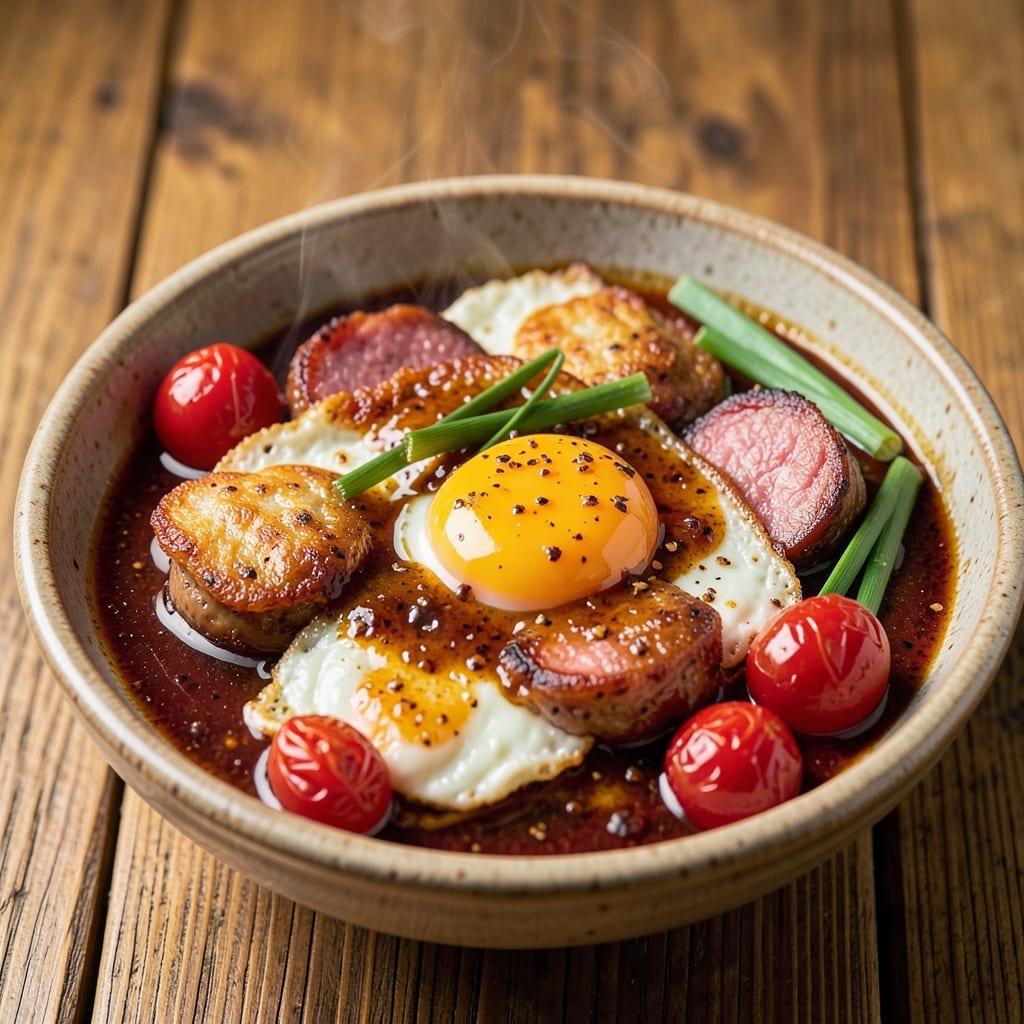
This Cajun egg boil sauce recipe transforms ordinary deviled eggs into a smoky, spice-kissed masterpiece that'll have guests begging for seconds. The secret lies in balancing heat, tang, and depth—where cayenne meets apple cider vinegar, and smoked paprika adds that signature Louisiana flair. I've perfected this sauce to cut through rich egg yolks while enhancing their natural creaminess, creating a dip that's both bold and harmonious.
The foundation of this sauce is simplicity: just six core ingredients that work together to deliver restaurant-quality results at home. A touch of Dijon mustard adds complexity, while a pinch of black pepper rounds out the heat for a finish that's never overwhelming. The sauce thickens beautifully when chilled, making it ideal for dipping or drizzling over deviled eggs right before serving.
What you'll achieve is a sauce that's perfectly balanced—smoky enough to satisfy Cajun cravings, tangy enough to cut through richness, and just sweet enough to complement the eggs' natural flavor. The spices develop deeper as it sits, so making it ahead ensures maximum flavor impact when you're ready to serve.
This sauce keeps for up to one week in the refrigerator, making it perfect for holiday gatherings or meal prep. Whether you're hosting a picnic or simply elevating your next deviled egg spread, this recipe delivers professional-quality results with minimal effort. Let's create this flavorful foundation for your perfect deviled eggs.
Ingredients for cajun egg boil sauce
Six ingredients, bold flavors - this sauce transforms deviled eggs into a smoky, zesty masterpiece.
| Ingredient | Amount | Notes |
|---|---|---|
| Smoked Paprika 🌶️ | 1 ½ tbsp | Smoked variety for authentic Cajun flavor |
| Cayenne Pepper 🌶️ | 1 tbsp | Adjust for desired heat level |
| Apple Cider Vinegar 🍏 | ½ cup | Unfiltered for deeper flavor |
| Dijon Mustard 🍯 | 1 tbsp | Adds tangy complexity |
| Extra-Virgin Olive Oil 🫒 | ¼ cup | High quality for richness |
| Black Pepper 🌶️ | ½ tsp | Freshly ground for best flavor |
| Garlic Powder 🧄 | 1 tsp | Enhances the Cajun profile |
| Granulated Sugar 🍚 | 1 tsp | Balances heat and acidity |
The smoked paprika is non-negotiable here—Penzeys or the bulk section at Whole Foods have the best quality. Cayenne can vary wildly in heat, so taste as you go. Apple cider vinegar should be unfiltered (like Bragg) for that deeper, complex flavor. I always grab the Maille Dijon at Trader Joe's—it's the perfect balance of tang and richness. The olive oil matters too; California avocado oil has a neutral taste that won't overpower the spices.
No smoked paprika? Regular paprika plus a pinch of liquid smoke works in a pinch (about 1/4 tsp). Short on vinegar? Lemon juice at the same amount keeps the tang. The sugar is key for balancing heat—don't skip it, even if you're sensitive to sweetness. For extra depth, add a pinch of onion powder. This sauce develops better when made ahead, so plan to let it sit for at least 30 minutes before serving—trust me, the flavors meld beautifully.
Store this sauce in a clean glass jar in the fridge for up to 1 week. The flavors actually improve over time, so it's perfect for meal prep. If you make a big batch, portion it into small containers—ice cube trays work great for single servings. Freezes beautifully for 3 months if you want to stock up for holidays. Just give it a quick stir before using to redistribute any settled spices.
Why You'll Love This Recipe
- Five-Ingredient Magic: That’s it—just five things in a bowl. Honestly, the smoked paprika and cayenne do most of the work while you stir, and the apple cider vinegar cuts through the heat like a cool breeze. No fancy techniques, no last-minute grocery runs.
- Heat That Sticks: Between us, the first time I made this, I thought, "This is either going to be amazing or a disaster." Spoiler: it’s amazing. The Dijon mustard adds depth, the olive oil smooths it out, and that vinegar? It’s the secret that makes it taste like a restaurant sauce, not something thrown together.
- Dips Everything: Here’s what sold me—this sauce turns anything into a showstopper. Eggs, obviously, but also grilled chicken, roasted veggies, even a simple charcuterie board. I keep a jar in the fridge for lazy nights when I just want to elevate whatever’s on the table.
- Budget-Friendly Fire: A little goes a long way, and the ingredients? Most are pantry staples. I’ve made this for game day, lazy Sundays, and even as a quick marinade—no waste, no regrets. Plus, it keeps for weeks, so you’re not scrambling to use it up before it expires.
Step-by-step instructions for Cajun egg boil sauce
This bold, smoky sauce transforms ordinary deviled eggs into a Cajun feast—let's build it together.
Toast the Spices for Deep Flavor
Heat a small dry skillet over medium-low heat. Add the 1.5 tablespoons smoked paprika and 1 tablespoon cayenne pepper, stirring constantly for 1-2 minutes until fragrant and slightly darkened. You'll smell that authentic Cajun warmth—the spices should look deeper red and smell like a Louisiana bayou.
Remove from heat immediately and let cool for 2 minutes. This step develops the spices' natural oils, creating a complex flavor base that won't overpower the eggs. If you skip toasting, you'll miss that smoky depth that makes this sauce truly special.
Whisk Vinegar and Mustard for Tangy Foundation
In a medium bowl, combine the 0.5 cup apple cider vinegar and 1 tablespoon Dijon mustard. Whisk vigorously for 30 seconds until fully emulsified—this creates the tangy backbone of your sauce. The vinegar should look glossy and slightly thickened from the mustard's action.
Add the toasted spices to the vinegar mixture and whisk again for 1 minute. You'll notice the spices disperse evenly, creating a vibrant red sauce. This is where the magic happens—the acidity of the vinegar balances the heat while the mustard adds that signature Cajun tang.
Gradually Incorporate Oil for Creamy Texture
Slowly drizzle in the 0.25 cup extra-virgin olive oil while whisking continuously. This gradual approach prevents the sauce from breaking. You're looking for a smooth, velvety consistency—not too thick, not too thin—with the oil fully incorporated after 2-3 minutes of whisking.
The sauce should now coat the back of a spoon but still flow easily. If it's too thick, add 1 teaspoon water at a time until you reach the perfect consistency. The olive oil adds richness that rounds out the heat while maintaining that signature Cajun brightness.
Season and Sweeten for Perfect Balance
Add the 0.5 teaspoon black pepper, 1 teaspoon garlic powder, and 1 teaspoon granulated sugar, whisking constantly for 30 seconds until fully combined. The sugar might seem odd, but it's essential—it cuts through the heat and enhances all the other flavors.
Taste and adjust: if the heat is too intense, add a pinch more sugar; if it's too mild, add a tiny bit more cayenne. The perfect sauce should have a slow-building heat that lingers with smoky, tangy notes. Let it rest for 10 minutes before using—this allows all the flavors to meld completely.
Pro Tips For Making Cajun Egg Boil Sauce
- Whisk Like You Mean It: This sauce isn’t just about mixing—it’s about emulsifying. Start with the Dijon and olive oil on medium-low heat, whisking vigorously for 30 seconds before adding anything else. I learned this the hard way when my sauce split like a bad marriage—now I treat that whisk like it’s my only lifeline.
- Toast the Spices First: Bloom the smoked paprika and cayenne in a dry pan for 30 seconds—just until you smell that deep, toasty aroma. This isn’t optional; it’s the difference between a flat, powdery flavor and a sauce that sings. (Yes, even if you’re impatient like me.)
- Vinegar Last, Always: Add the apple cider vinegar after everything else is warm and emulsified. Dumping it in early makes the sauce curdle faster than a summer popsicle. Stir it in slowly while whisking like you’re trying to win a prize—because you are.
- Taste Before You Commit: Skip the “eyeballing” and taste as you go. The sauce should balance smoky, tangy, and a little heat—adjust with more vinegar (for acid), a pinch of cayenne (for kick), or even a splash of water (to thin) if needed. I used to ignore this and wonder why my sauce tasted like a sad campfire.
Common mistakes when making your cajun egg boil sauce
Over-Toasting Spices
I've seen this happen more times than I can count—spices burn and turn bitter. Keep your skillet over medium-low heat and stir constantly. If the spices darken too quickly (after 30 seconds), remove immediately. Burnt spices will make your sauce taste smoky but acrid, not the authentic Cajun warmth you want. 🌶️
Skipping the Toasting Step
Many recipes skip toasting, but this is where the sauce's soul lives. Toasted spices release their natural oils, creating depth that raw spices simply can't match. If you're short on time, at least warm the spices in the dry skillet for 30 seconds—this still makes a noticeable difference in flavor complexity.
Adding Oil Too Fast
Drizzling oil too quickly causes the sauce to separate into a greasy, unappetizing mess. I recommend adding oil drop by drop at first, then gradually increasing to a slow stream. Use a whisk to continuously emulsify as you go. If you've already ruined the emulsion, add 1 teaspoon vinegar to help rebalance the mixture.
Ignoring the Resting Time
Rushing to use the sauce immediately means missing out on flavor development. The 10-minute rest allows all components to meld—heat, tang, and smokiness—to create harmony. I've tasted sauces used straight from the bowl that were disjointed and harsh compared to their rested counterparts. Patience here is key to professional-quality results.
Using Low-Quality Vinegar
3
Not all vinegars are created equal. Store-bought white vinegar lacks the complexity of unfiltered apple cider vinegar. The maltiness and slight sweetness in Bragg or other premium brands create a better balance with the spices. If you must substitute, use lemon juice—but it won't have the same depth of flavor.
Over-Adjusting Heat Levels
It's tempting to keep adding cayenne for more heat, but this can easily overwhelm the sauce. Start with the recipe's amount, then adjust gradually—¼ teaspoon at a time. The sugar in the recipe already helps balance heat, so you might not need extra cayenne at all. Trust the initial measurement unless you're serving to spice enthusiasts.
Nutrition facts
Frequently asked questions
Can I make this sauce without smoked paprika?
Yes, but the flavor will differ. For a substitute, mix 1 tbsp regular paprika with ¼ tsp liquid smoke to mimic the smoky depth. The sauce will still have heat and tang, but that authentic Cajun smokiness will be noticeably different. Toast the paprika mixture as directed for best results.
How spicy should the finished sauce be?
The recipe balances heat with sweetness for a moderate kick—think "spicy but approachable." The cayenne provides initial heat, while the sugar and vinegar create a slow-building warmth. For milder versions, reduce cayenne to ½ tsp; for extra heat, add ¼ tsp at a time until you reach your preferred level.
Can I use this sauce for other dishes besides deviled eggs?
This versatile sauce works beautifully as a dip for fried chicken, a marinade for grilled shrimp, or a drizzle over cornbread. The smoky-spicy profile pairs well with rich, creamy, or fried foods. For dipping, thin with a splash of water; for marinades, reduce the vinegar slightly to prevent over-acidifying proteins.
Why does my sauce look separated?
Separation usually means the oil wasn't incorporated properly. Re-emulsify by whisking vigorously while adding 1 tsp vinegar at a time. If it's still stubborn, place the jar in warm water for 1 minute to help the ingredients blend. The sauce should become smooth again—this happens when oil is added too quickly or the mixture isn't whisked enough.
How do I adjust the sauce for a sweeter or tangier taste?
For more sweetness, add ½ tsp extra sugar; for extra tang, increase vinegar by 1 tbsp. Both adjustments should be made gradually—start with ¼ tsp sugar or ½ tbsp vinegar first, then taste. The sugar balances heat, while vinegar enhances the Cajun brightness. Remember, the sauce develops more flavor when rested, so adjustments may need tweaking after 30 minutes.