
Breakfast & Brunch
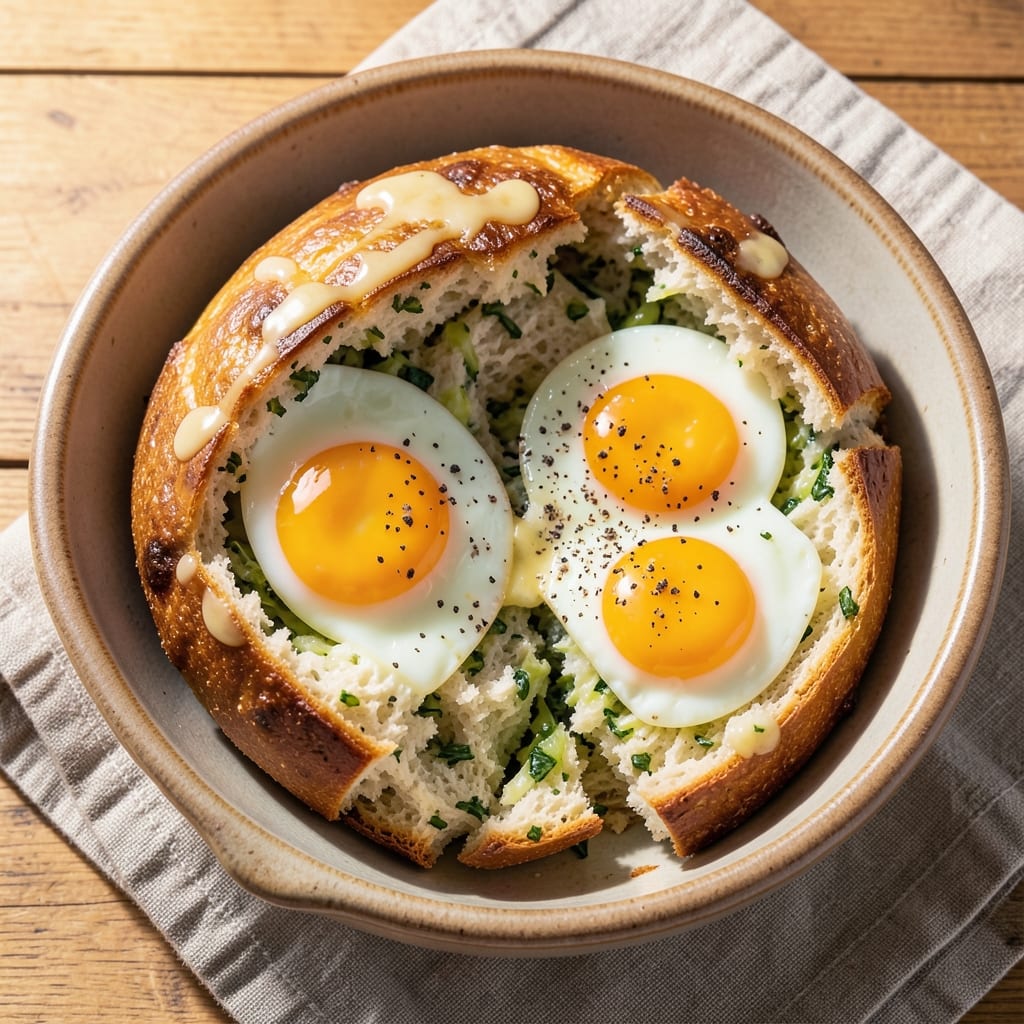
This cabbage egg bread recipe delivers flaky layers with golden egg-packed crusts that taste like a cozy breakfast from a European bakery. The secret lies in a simple dough enriched with finely chopped cabbage and beaten eggs, creating tender pockets that hold creamy yolks perfectly. I developed this recipe after years of experimenting with savory breads—it’s the kind of dish that transforms a simple meal into something special.
The dough comes together in just 15 minutes of prep, then bakes to golden perfection with crispy edges and a soft, airy interior. The cabbage adds subtle sweetness that balances the richness of the eggs, while a touch of garlic and herbs elevates the flavor without overpowering. This isn’t your typical bread—it’s a hearty, satisfying breakfast or brunch dish that feels indulgent yet simple to make.
By the time it emerges from the oven, you’ll have a loaf with golden crusts that crack open to reveal tender layers filled with creamy egg centers. The aroma alone will have everyone gathering around the table, and each slice is packed with flavor and texture. It’s the kind of bread that disappears quickly—perfect for feeding a crowd or enjoying as a solo treat with butter and jam.
Whether you’re serving it warm for breakfast or packing slices for lunch, this cabbage egg bread is a game-changer. The recipe scales easily, so you can bake one loaf for a family or two for a gathering. Let’s get started—your taste buds will thank you.
Ingredients for cabbage egg bread
Flaky layers and golden egg pockets start with these simple, quality ingredients.
| Ingredient | Amount | Notes |
|---|---|---|
| All-Purpose Flour 🌾 | 3 ½ cups | Spooned and leveled for accuracy |
| Green Cabbage 🥬 | 3 cups | Finely chopped, core removed |
| Large Eggs 🥚 | 4 whole | Room temperature for even baking |
| Unsalted Butter 🧈 | ½ cup | Cold, cubed for flaky layers |
| Active Dry Yeast 🍞 | ¼ oz | Or 1 packet (2.25 tsp) |
| Granulated Sugar 🍚 | ½ tsp | For yeast activation |
| Warm Water 💧 | ¾ cup | 110°F for optimal yeast |
| Salt 🧂 | 1 tsp | Kosher or sea salt preferred |
| Garlic Powder 🧄 | ½ tsp | For subtle savory depth |
| Dried Parsley 🌿 | 1 tsp | Or 1 tbsp fresh, finely chopped |
| Milk 🥛 | ¼ cup | Warmed for tender dough |
| Cornmeal 🌽 | ½ cup | For dusting loaf pan |
The cabbage is the secret—green cabbage works best for its mild sweetness, but red will add subtle color. Grab a small head from Whole Foods or your local market for the freshest flavor. If you're using pre-shredded, drain and pat it dry—wet cabbage makes the dough gummy. The eggs should be large, room-temperature for even baking, so pull them out 30 minutes before mixing. For the yeast, Bob's Red Mill is my go-to brand—it activates every time without fail.
No garlic powder? Fresh minced garlic at half the amount gives a brighter flavor, but powder works in a pinch. Short on parsley? Dried thyme or marjoram adds a similar earthy note. The milk can be swapped for water or plant-based milk, but warm it to 110°F first to help the dough rise properly. For a richer dough, add 1 tbsp sour cream to the wet ingredients—it keeps the bread tender longer. And if you're making this ahead, pre-chop the cabbage and store it in the fridge for up to 2 days.
This dough is best used within 2 hours of mixing, but you can refrigerate it overnight for a slower rise—just bring it to room temp before shaping. The baked loaf keeps well at room temperature for 2 days, wrapped in a clean kitchen towel. For longer storage, freeze slices wrapped individually—they toast up perfectly. The egg pockets are best eaten fresh, but the bread itself reheats beautifully in the oven at 350°F for 5 minutes.
Why You'll Love This Recipe
- No Fuss, No Waste: I’ll use the whole cabbage—stems, leaves, everything—so no sad half-eaten veggie drawer leftovers. The shredded bits mix right into the dough, and honestly? You’d never guess it’s there once it’s baked.
- Rich, Unexpected Crunch: That crispy butter crust paired with the soft, eggy center? It’s like a hug for your taste buds. The cabbage adds a subtle sweetness when caramelized, balancing the richness of the eggs and butter.
- Lunchbox Hero: Between us, this bread is my go-to for school lunches or office snacks. Slice it thick, toast it lightly, and it’s hearty enough to stand up to peanut butter or cheese. Kids (and adults) actually eat their veggies without realizing it.
- Budget Bread, Big Payoff: A single cabbage and a pack of eggs stretch this recipe far—perfect for stretching groceries without sacrificing flavor. Plus, the yeast does all the work while you’re doing other stuff, so it’s basically free time with delicious results.
Step-by-step instructions for cabbage egg bread
This bread delivers restaurant-quality flakiness with golden egg-packed crusts—let's make it together.
Activate the Yeast and Prepare the Dough Base
In a small bowl, combine the 0.25 oz active dry yeast, 0.5 tsp granulated sugar, and 0.75 cup warm water (110°F). Let it sit for 5-10 minutes until it becomes frothy—this tells you the yeast is alive and ready to work. If it doesn't bubble, start over with fresh yeast.
In a large mixing bowl, whisk together the 3.5 cups all-purpose flour, 1 tsp salt, 0.5 tsp garlic powder, and 1 tsp dried parsley. Make a well in the center and pour in the yeast mixture along with the 0.25 cup warm milk and 0.5 cup cold cubed unsalted butter. Mix with a wooden spoon until a shaggy dough forms.
Knead the Dough Until Silky Smooth
Turn the dough onto a lightly floured surface and knead for 8-10 minutes until it becomes smooth and elastic. You'll know it's ready when it springs back slowly when poked. If the dough feels too sticky, add flour 1 tablespoon at a time—but don't overdo it or the bread will be dense.
Here's the thing—this dough needs patience. I like to knead by hand because it gives me better control over the texture. Once smooth, place the dough in a lightly greased bowl, cover with a damp towel, and let it rise in a warm place for 1-2 hours or until it doubles in size. The kitchen should feel warm enough that a drop of water on your wrist feels slightly warm.
Prepare the Cabbage Filling and Shape the Loaf
While the dough rises, finely chop the 3 cups green cabbage (about 1/8-inch pieces) and cook it in a nonstick skillet over medium heat for 5-7 minutes until just tender and most of the moisture evaporates. Drain well in a colander, pressing out excess water with a clean kitchen towel. The filling should be dry enough to hold its shape when packed.
Once the dough has risen, punch it down to release air, then divide it into two equal portions. Roll each portion into a rectangle about 8x10 inches. Sprinkle half of the cabbage filling evenly over one rectangle, leaving a 1-inch border around the edges. Top with two of the whole large eggs, then fold the other rectangle over the top, sealing the edges tightly. Repeat with the remaining dough, cabbage, and eggs.
Layer and Chill for Perfect Flakiness
Place the sealed loaves seam-side down in a greased 9x5-inch loaf pan, then dust the tops generously with 0.5 cup cornmeal. Cover with a damp towel and refrigerate for 12-24 hours. Chilling is non-negotiable—it prevents the butter from melting too quickly and ensures those gorgeous flaky layers. I usually do this overnight for maximum flavor development.
Here's where the magic happens: the cold dough creates distinct layers when it bakes. If you're short on time, chill for at least 4 hours, but don't skip this step entirely. The eggs will stay intact and create those beautiful golden crusts we're after.
Bake to Golden Perfection
Preheat your oven to 375°F. Remove the loaves from the refrigerator and bake for 45-50 minutes until the tops are deep golden brown and the internal temperature reaches 190°F. The bread should sound hollow when tapped on the bottom. If the tops brown too quickly, tent with foil to prevent over-browning.
Let the bread cool in the pan for 10 minutes before transferring to a wire rack. The eggs will stay perfectly intact if you don't cut into them too soon. Slice while still warm for the most tender texture—each bite should deliver flaky layers, tender cabbage, and rich egg yolk goodness. Real talk: this bread is even better the next day when the flavors have fully melded.
Pro Tips For Making Cabbage Egg Bread
- Sauté Cabbage Until Tender: Don’t just chop and toss—cook the cabbage until it’s soft enough to fold into the dough without resistance. I used to rush this step, and the bread turned dense and chewy. A solid 8-10 minutes over medium heat, stirring occasionally, guarantees it blends smoothly.
- Use Room-Temp Eggs: Cold eggs make the dough sluggish. Let them sit out for 30 minutes before mixing, especially if your kitchen is chilly. Trust me, the dough will come together faster and the texture will be lighter—no one wants a gummy cabbage-egg bread.
- Don’t Over-Knead the Dough: This isn’t pizza dough—handle it just enough to combine. Overworking it develops too much gluten, and the bread turns tough. Two minutes by hand or five on low speed in a mixer is plenty. Your future self will thank you when slicing isn’t a chore.
- Proof in a Warm Spot: Skip the oven for proofing—it’s a hassle. Instead, turn off your oven, leave the light on, and place the dough bowl inside with a damp towel over it. The residual heat keeps it cozy and speeds up rising without drying it out. Works every time, no thermometer needed.
Flavor customization for these flavors
Sweet & Savory Balance
Caramelize the cabbage filling by cooking it with 1 tbsp brown sugar and ½ tsp cinnamon for 5 minutes before adding to the dough. This adds subtle sweetness that pairs beautifully with the savory eggs. For extra richness, fold in ¼ cup dried cranberries or chopped dried apricots—they’ll soften slightly during baking and add chewy texture. 🍯
Herb & Garlic Variations
Boost the savory profile by adding 1 tsp smoked paprika and ½ tsp onion powder to the dough. For fresh herbs, swap dried parsley for 1 tbsp finely chopped fresh dill or chives. If you love garlic, infuse the warm milk with 2 crushed garlic cloves while it steeps—this deepens the flavor without overpowering. The eggs will soak up these aromatics beautifully.
Spicy Kick Options
For heat lovers, sprinkle ½ tsp cayenne pepper or 1 tsp hot paprika over the cabbage filling before sealing it in the dough. For a smoky-spicy twist, add 1 tbsp chipotle powder and ½ tsp ground cumin to the dry ingredients. The eggs’ creaminess will balance the heat perfectly, creating a complex flavor profile. Adjust to taste—start with ¼ tsp cayenne if you’re sensitive to spice. 🌶️
Cheesy Twist
Fold ½ cup shredded sharp cheddar or Parmesan cheese into the cabbage filling for a salty, umami-rich bite. For a melty surprise, place 2 oz cream cheese between the dough layers before baking—it’ll create pockets of gooey goodness alongside the eggs. The cheese also helps bind the filling, preventing it from becoming too wet. Use Kraft sharp cheddar for convenience or Parmigiano-Reggiano for a gourmet touch.
Dairy-Free Adaptations
Replace the milk with unsweetened almond milk or oat milk and use vegetable butter (like Miyoko’s) instead of unsalted butter. For binding, add 1 tbsp ground flaxseed mixed with 3 tbsp water** to the dough—it mimics the egg’s moisture-retaining properties. The texture will still be tender, though slightly denser. The eggs remain the star, so this version works best for those who enjoy the egg flavor without the dairy. 🌱
Nutrition facts
Frequently asked questions
Can I use red cabbage instead of green?
Yes, but expect a slightly different flavor and color! Red cabbage has a milder, sweeter taste and will give your bread a beautiful pinkish hue. Just be aware it may bleed its color into the dough slightly. For best results, use the same quantity and prep method as green cabbage.
Why do the eggs stay intact in the bread?
The eggs stay perfectly intact because of the chilling step before baking. The cold dough creates a protective barrier around the eggs, preventing them from leaking. The 12-24 hour refrigeration is key—it allows the butter to stay firm longer, creating those gorgeous flaky layers while keeping the eggs encapsulated.
How do I fix if my dough is too sticky?
If your dough feels too sticky during kneading, add flour 1 tablespoon at a time until it reaches a smooth, elastic consistency. Don't overdo it—too much flour makes the bread dense. For extra help, wet your hands slightly while kneading to prevent sticking and maintain control over the texture.
Can I make this bread without eggs?
While the eggs are essential for the signature pockets, you can create a similar texture by replacing them with ¼ cup melted butter or ¼ cup dairy-free butter substitute spread between the dough layers. The bread will still be flaky, though without the egg surprise. For a vegan version, use flax eggs (1 tbsp ground flaxseed + 3 tbsp water per egg) in the dough itself, but omit the filling eggs.
How should I store leftovers?
Wrap cooled slices in a clean kitchen towel and store at room temperature for up to 2 days. For longer storage, freeze slices individually on a tray before transferring to a bag—they'll toast beautifully later. To reheat, warm in a 350°F oven for 5 minutes or microwave for 10-15 seconds—just watch the egg pockets!