
Breakfast & Brunch
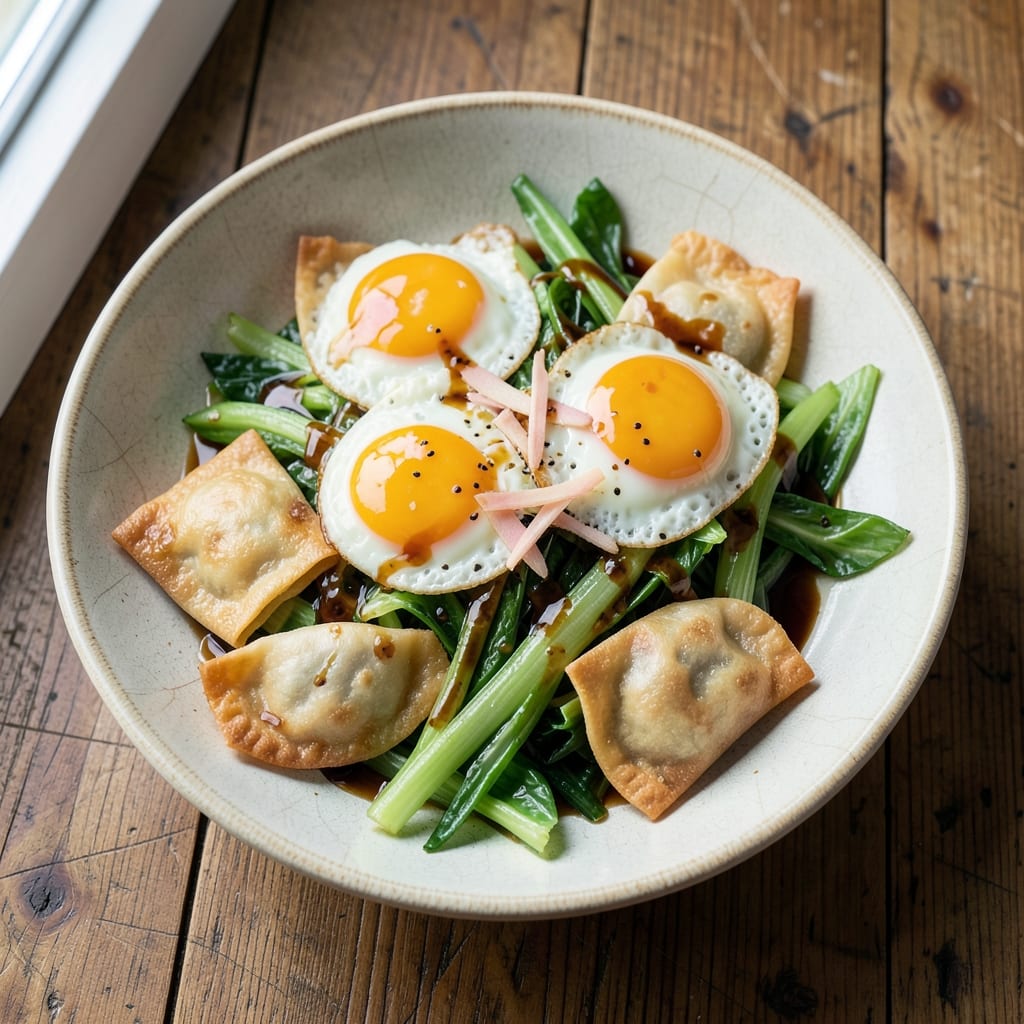
This cabbage egg Asian recipe delivers the perfect balance of textures—crispy wonton cups with silky scrambled egg centers that melt in your mouth. The secret lies in using store-bought wonton wrappers as edible cups, transforming simple ingredients into a restaurant-worthy dish with minimal effort. I developed this recipe after craving something hearty yet light for brunch, and it quickly became a staple in my rotation.
The magic happens when you stir-fry thinly sliced cabbage until tender-crisp, then layer it with a delicate egg mixture that scrambles just enough to create those coveted silky strands. A touch of soy sauce, sesame oil, and fresh ginger infuses every bite with authentic Asian flavors without overpowering the natural taste of the cabbage and eggs. The crispy wonton cups hold everything together beautifully, making this dish both impressive and foolproof.
What you'll end up with is a plate that looks as good as it tastes—golden-brown wonton cups filled with vibrant green cabbage and creamy egg, garnished with a sprinkle of sesame seeds for extra texture. This recipe serves four and comes together in under 30 minutes, perfect for weeknight breakfasts or brunch gatherings. The combination of textures and flavors makes it addictively satisfying, with each bite offering a perfect harmony of crisp, tender, and creamy elements.
Pair it with steamed rice or a simple side salad to round out the meal. The beauty of this dish is its versatility—you can adjust the spice level to your preference or swap in other vegetables like bell peppers or mushrooms for added variety. Let's get started on creating this delicious, texturally perfect Asian-inspired dish that's sure to impress.
Ingredients for cabbage egg asian
Crispy wonton cups, silky eggs, and vibrant cabbage—this Asian brunch star needs just 12 ingredients.
| Ingredient | Amount | Notes |
|---|---|---|
| Green Cabbage 🥬 | 4 cups | Thinly sliced, core removed |
| Large Eggs 🥚 | 4 whole | Fresh, room temperature |
| Wonton Wrappers 🍜 | 16 pieces | Store-bought, uncooked |
| Sesame Oil 🫒 | 1 tbsp | Toasted, for aroma |
| Light Soy Sauce 🥄 | 1 ½ tbsp | Low-sodium preferred |
| Fresh Ginger 🧄 | 1 tbsp | Grated, finely chopped |
| White Sesame Seeds 🌰 | 1 tbsp | Toasted for garnish |
| Vegetable Oil 🫒 | 2 tbsp | High smoke point |
| Salt 🧂 | ½ tsp | Kosher or sea salt |
| Black Pepper 🌶️ | ¼ tsp | Freshly ground |
| Green Onion 🧅 | 2 whole | Thinly sliced, for garnish |
| Rice Vinegar 🍶 | 1 tsp | Optional, for brightness |
The cabbage is your canvas here. Green cabbage works best—it stays crisp longer than red or purple varieties. Grab the outer leaves for extra crunch, but the heart is fine too. If you're using pre-shredded, rinse it well to remove any slimy bits. For the wonton wrappers, King Noodle or Martini brands are my go-tos—they're sturdy enough to hold the filling without tearing. Keep them covered with a damp towel until ready to use, or they'll dry out faster than you can say 'crispy'.
No sesame oil? Toasted peanut oil works in a pinch—just use half the amount. The ginger needs to be fresh for that zingy kick, but if you're out, ground ginger at half the quantity is better than nothing. Swapping in baby spinach or bok choy for half the cabbage keeps the dish vibrant. The eggs? Room temperature is key—they scramble more evenly. Pro tip: beat them with a pinch of salt first, then add the rest later. The wonton wrappers can be pre-cut into circles if you're feeling fancy, but squares work too (just fold the edges).
Prep the cabbage first—it needs time to soften slightly while you work. Store leftover wonton wrappers in an airtight container between parchment paper for up to 1 week. The cooked cups reheat beautifully in a skillet with a splash of water for 2-3 minutes. Sesame seeds lose their crunch fast, so toast them fresh whenever you garnish. This dish tastes even better the next day—make extra and store the filling separately from the cups. Freeze the filling (without oil) for up to 3 months, and the cups (uncooked) for 2 months.
Why You'll Love This Recipe
- Pantry-Friendly Magic: I swear by this one when I forget to grocery shop. Green cabbage lasts forever, eggs are always in my fridge, and wonton wrappers? Those little squares are my secret weapon for days when I’m too tired to think.
- Crispy-Creamy Payoff: That first bite—crispy wonton wrapper, runny egg yolk, cabbage still holding its crunch—is next-level. The sesame oil ties it all together with a nutty, aromatic punch that makes it taste like a restaurant dish.
- Lunchbox Hero: Between us, this is my go-to for packed lunches. Wrap the cooked cabbage-egg mix in leftover wonton wrappers, drizzle with soy sauce, and boom—something that feels special but costs pennies. My kid brings them back half-eaten every time.
- Leftovers That Lie: Honestly, I make this on Sunday and pretend it’s a special occasion all week. The flavors only get better as the cabbage softens, and the egg stays rich. Reheat in a pan or microwave—no one will guess it’s been sitting in the fridge.
Step-by-step instructions for crispy wonton cabbage egg cups
Here's how to create golden, crispy wonton cups filled with tender cabbage and silky scrambled eggs—every bite delivers that perfect crunch and creamy texture.
Prepare the Cabbage Filling
Start by thinly slicing the 4 cups green cabbage (core removed) into long, even strips about ¼-inch wide. The thinner the slices, the quicker they'll cook and the more tender they'll stay. Place the cabbage in a large bowl and toss with 1.5 tablespoons light soy sauce, 1 tablespoon finely grated fresh ginger, 0.5 teaspoon salt, and 0.25 teaspoon black pepper. Mix well so every slice gets coated in the savory, aromatic marinade. Let it sit for 10 minutes—this helps draw out moisture and intensifies the flavors.
After marinating, squeeze out any excess liquid using your hands or a clean kitchen towel. You want the cabbage to be dry enough to crisp up nicely when baked. This step is crucial for achieving that satisfying crunch in your wonton cups. If the cabbage feels too wet, pat it dry again before moving forward.
Assemble the Wonton Cups
Heat 2 tablespoons vegetable oil in a non-stick skillet over medium heat. Working in batches, place 4 wonton wrappers at a time into the hot oil. Press them gently with a spatula to help them puff up slightly—this creates those beautiful, crispy edges. Fry for 30-45 seconds per side until they turn a light golden brown. Remove with a slotted spoon and drain on paper towels. Keep them warm in a single layer while you prepare the rest.
Once all 16 wonton wrappers are fried, carefully cut each one in half diagonally to create two triangular cups. This gives you 32 half-cups for filling. Line a baking sheet with parchment paper and arrange the wonton cups cut-side up. They should be slightly overlapping but not touching—this ensures even crispiness when baked.
Fill and Bake the Wonton Cups
Divide the prepared cabbage filling evenly among the 32 wonton cups, pressing it gently into the bottom of each. You'll want about 1 teaspoon of cabbage per cup—enough to create a snug fit. In a small bowl, whisk together the 4 whole large eggs with 1 tablespoon toasted sesame oil and 1 teaspoon rice vinegar (if using). This mixture will give your eggs that signature Asian flavor and silky texture.
Carefully pour ½ teaspoon of egg mixture into each wonton cup, filling them about ¾ full. The eggs will expand slightly as they cook, so don't overfill. Place the baking sheet in a 375°F preheated oven and bake for 12-15 minutes until the edges turn deep golden brown and the eggs are just set. You want them slightly underdone in the center—this ensures that creamy, custard-like texture when they finish cooking.
Finish and Serve
Remove the wonton cups from the oven and let them cool for 2-3 minutes. This resting time helps the filling set and makes them easier to handle. While they're cooling, toast the 1 tablespoon white sesame seeds in a dry skillet over low heat for 1-2 minutes until fragrant and lightly golden. Sprinkle them evenly over the wonton cups just before serving.
Garnish each cup with thinly sliced green onion for a pop of freshness and color. Serve immediately while the wonton cups are still crispy and the eggs are silky inside. The contrast of the crunchy wonton shells with the tender cabbage and creamy eggs makes every bite irresistible. Enjoy these with a side of chili sauce or extra soy sauce for dipping!
Pro Tips For Making Cabbage Egg Asian
- SHRED CABBAGE THIN: I used to hack off uneven strips and wonder why my cabbage looked like it came from a salad bar. Grab a sharp knife, cut the core off, then slice the wedges lengthwise into ¼-inch strips—consistent thickness means even cooking and a better texture. (Yes, it takes 30 seconds longer, but your dish won’t taste like mushy disappointment.)
- CRACK EGGS IN HOT WATER: Cold eggs? Forget it. Drop them into a bowl of scalding water for 30 seconds first—the whites slide out cleanly, no shells clinging to your fingers. Pro move: Crack them directly into the pan after the cabbage starts sizzling, so they hit high heat and cook fast without turning rubbery.
- SALT WRAPPERS BEFORE FOLDING: Skip this, and your wonton cups taste bland. Lightly brush the inside of each wrapper with soy sauce, sprinkle a pinch of salt, then fold—it seasons the egg filling as it cooks. (I learned this the hard way after eating a batch where the wrappers just… disappeared flavor-wise.)
- STOP WHEN EGGS ARE JUST SET: Overcooked eggs? They turn into sad, gray blobs. Pull the pan off heat the second the whites are fully opaque but yolks still wiggle slightly—finish cooking with residual heat. If you’re serving immediately, they’ll firm up; if not, cover loosely to keep them tender. (Your future self will curse you if you ignore this.)
Dietary considerations for this dish
Vegetarian-Friendly Adaptations
This recipe is naturally vegetarian, but you can enhance its plant-based appeal by swapping the eggs for a tofu scramble. Use ½ cup firm tofu, crumbled and sautéed with 1 tsp turmeric and ½ tsp black salt (kala namak) for an eggy flavor. The texture won’t be identical, but it still delivers a satisfying bite. 🌱
Gluten-Free Considerations
For gluten-free versions, replace wonton wrappers with rice paper wrappers or gluten-free wonton skins (like King Noodle GF brand). These hold up well to frying and baking, though they may crisp slightly differently. Double-check labels—some brands process in shared facilities with gluten. The rest of the recipe remains unchanged, so you won’t sacrifice flavor or texture. 🥢
Low-Sodium Options
If you’re watching sodium, reduce the light soy sauce to 1 tbsp and use coconut aminos (a gluten-free alternative) for the remaining ½ tbsp. Boost umami with 1 tsp fish sauce (if vegetarian, use vegetarian fish sauce or mushroom powder). Fresh ginger and rice vinegar add brightness without extra salt. Always taste as you go! 🧂
Allergen-Free Swaps
Sesame allergies? Skip the sesame oil and seeds, and use avocado oil for frying instead. For nut-free alternatives, toast pumpkin seeds instead of sesame seeds—they add crunch without cross-contamination risks. Double-check all ingredients (like soy sauce for gluten-free certification) to ensure a safe, allergy-friendly dish. 🌿
Protein Boosts
Add ¼ cup chopped scallions or 1 tbsp nutritional yeast to the cabbage filling for extra protein and depth. For a heartier dish, fold in 2 tbsp crumbled feta (omit if vegan) or vegan cheese crumbles into the egg mixture before baking. These tweaks keep the dish light but satisfying. 💪
Nutrition facts
Frequently asked questions
Can I use red cabbage instead of green?
Red cabbage works, but the color will be less vibrant and the texture slightly sweeter. For the best results, stick with green cabbage—it holds its crunch better and pairs beautifully with the crispy wonton cups. If you prefer red, reduce the soy sauce slightly to balance the natural sweetness.
How do I prevent the wonton cups from getting soggy?
Sogginess happens when moisture seeps through. Always pat the cabbage completely dry after marinating, and use just ½ teaspoon of egg mixture per cup—overfilling causes leaks. Bake at 375°F for no longer than 15 minutes to maintain crispiness. Let them rest 2-3 minutes after baking before serving.
What if I don't have wonton wrappers?
Use phyllo dough or rice paper wrappers as alternatives. Phyllo requires brushing with oil between layers, while rice paper needs soaking in warm water first. For a quicker option, try mini spring roll wrappers—they hold filling well and crisp up nicely. Adjust baking time as needed (phyllo may need 10-12 minutes).
Can I make this ahead of time?
Assemble the cups without baking, then refrigerate for up to 24 hours. Bake from cold, adding 2-3 extra minutes to ensure crispiness. For freezing, bake the cups, cool completely, then freeze on a tray before transferring to a bag. Reheat in a 350°F oven for 5-7 minutes—they’ll lose some crunch but still taste delicious.
Why did my eggs turn out rubbery instead of silky?
Overcooking or using cold eggs causes rubbery texture. Always use room-temperature eggs and bake until just set (edges golden, center slightly runny). For extra silkiness, whisk the eggs vigorously with 1 tablespoon cold water before adding to the cups. Avoid opening the oven door during baking to prevent temperature drops.