
Breakfast & Brunch
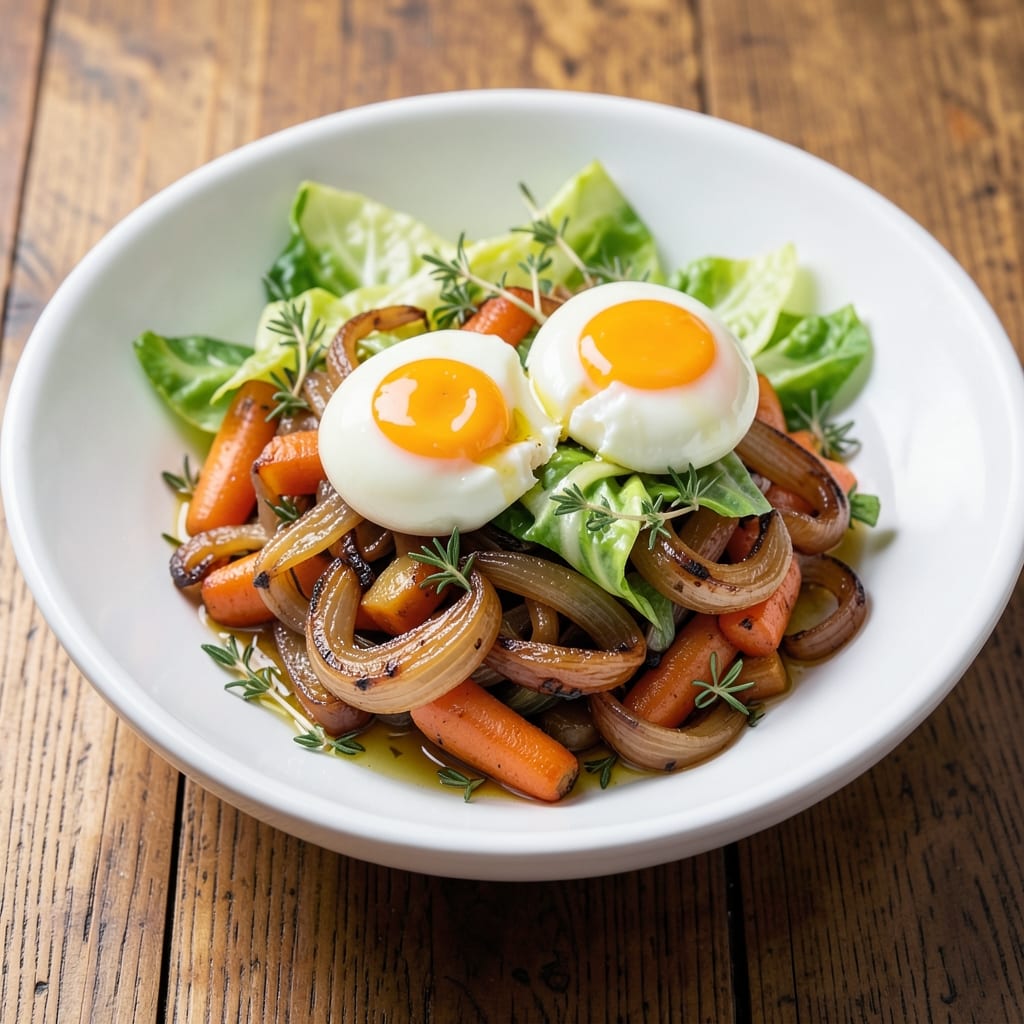
This cabbage carrot onion egg recipe delivers a fast, nutrient-packed breakfast that transforms humble vegetables into a hearty, flavorful dish in one pan. The secret lies in caramelizing the onions and cabbage until tender, then finishing with fried eggs that soak up all the savory goodness. I developed this recipe during a busy week when I needed a meal that was both satisfying and simple—no fancy techniques required, just fresh ingredients and a little patience.
The magic happens when the cabbage softens just enough to hold its shape while still offering a satisfying bite, and the carrots add natural sweetness that balances the sharpness of the onions. A sprinkle of herbs like thyme or parsley elevates the dish from ordinary to extraordinary, adding an aromatic depth that makes it feel like a restaurant-quality meal. The eggs, fried sunny-side-up or over-easy, provide that perfect protein boost while keeping the dish light enough for a brunch spread.
What you’ll end up with is a fast, vegetarian-friendly breakfast that’s packed with color, texture, and flavor—crisp edges on the cabbage, tender carrots, caramelized onions, and creamy eggs all working together. It’s the kind of dish that feels indulgent but is actually packed with nutrients, making it ideal for weekdays or weekend brunches. The best part? It comes together in under 30 minutes with minimal cleanup.
Serve this herb-packed breakfast with a side of crusty bread or a simple salad for a complete meal that’s as nourishing as it is delicious. The recipe scales easily, so you can make it for one or double it for a crowd. Let’s get cooking!
Ingredients for cabbage carrot onion egg
Fresh cabbage, carrots, onions, and eggs—just six ingredients for a brunch that feels like a celebration.
| Ingredient | Amount | Notes |
|---|---|---|
| Green Cabbage 🥬 | 4 cups | Shredded, outer leaves removed |
| Carrots 🥕 | 2 medium | PEELED, sliced into thin rounds |
| Yellow Onions 🧅 | 2 large | SLICED THIN, about 1/2 inch |
| Large Eggs 🥚 | 4 whole | Room temperature for even cooking |
| Extra-Virgin Olive Oil 🫒 | ½ cup | For high-heat cooking |
| Fresh Thyme Leaves 🌿 | 1 tbsp | Or 1 tsp dried thyme |
| Fresh Parsley 🌿 | ¼ cup | Chopped, for garnish |
| Garlic Cloves 🧄 | 3 cloves | Minced for depth of flavor |
| Salt 🧂 | 1 tsp | Diamond Crystal preferred |
| Ground Black Pepper 🌶️ | ½ tsp | Freshly cracked |
| Balsamic Vinegar 🍷 | 1 tbsp | For finishing touch |
| Crusty Bread 🍞 | 1 loaf | For serving (optional) |
The cabbage and onions are the stars here, so pick fresh ones. Green cabbage with crisp leaves holds up best to caramelizing, while yellow onions give the deepest flavor. I grab mine from Whole Foods or the farmers market—avoid wilted or yellowing leaves. Carrots should be firm and bright orange; organic carrots from the store work fine, but if you're feeling fancy, try rainbow carrots for extra color. The eggs? Pasture-raised from the grocery store's deli section make a difference in richness. Fresh herbs matter too—thyme and parsley from the grocery store's herb section stay vibrant longer than pre-chopped mixes.
No fresh thyme? Dried works at one-third the amount, but it lacks that bright aroma. Short on parsley? Fresh cilantro or basil can step in, though the flavor will shift slightly. Using pre-minced garlic? Toast it in the pan first to deepen the flavor. The balsamic vinegar is non-negotiable for that tangy finish—Trader Joe's has a great affordable bottle. For extra richness, add a splash of vegetable broth when caramelizing the veggies. And if you're watching calories, reduce the olive oil to 3 tbsp—it still works beautifully.
This dish reheats surprisingly well—just warm in a skillet with a splash of water. Keeps 3-4 days in the fridge, though the cabbage gets softer with time. For meal prep, cook the veggies ahead and store separately, then fry the eggs fresh when serving. The bread? Toast it just before eating—crusty sourdough or a baguette from the bakery section works best. Leftovers? Toss with a fried egg for a quick lunch the next day.
Why You'll Love This Recipe
- I’ll be real: my fridge gets a little sad when I forget to meal prep. This recipe fixes that. Use up wilted cabbage, a lone carrot, or that onion you swore you’d use. The eggs make it feel substantial, and the olive oil? It turns scraps into something ridiculously good. Plus, it’s cheap enough to make twice in one week if I’m feeling fancy.
- Five-Ingredient Magic: I swear by this combo—cabbage, carrots, onions, eggs, and olive oil. That’s it. No hidden pantry staples, no last-minute grocery runs. My fridge always has these basics, and boom, dinner’s sorted. The eggs bind everything together while the olive oil keeps it from drying out—simple, but chef’s kiss.
- Sweet-Savory Balance: The caramelized onions and shredded cabbage hit different—sweet, sharp, and just a little crunchy. Then you crack those eggs right into the pan, and suddenly you’ve got creamy yolks cutting through the veggie punch. Honestly, it’s the kind of dish where every bite feels like a little flavor party.
- Lunchbox Hero: Between us, this is my go-to for packed lunches. I make a big batch on Sundays, let it cool, and portion it out—no soggy salads here. The eggs add protein, the cabbage stays crisp, and the onions? They mellow out just right over time. My kids used to complain about "brown food," but now they ask for seconds.
Step-by-step instructions for herb-packed cabbage egg breakfast
This one-pan wonder comes together faster than you can say "breakfast."
Sauté the Vegetable Base
Heat the 0.5 cup extra-virgin olive oil in a large skillet over medium-high heat until shimmering. Add the 2 large sliced yellow onions and 2 medium sliced carrots, spreading them evenly in the pan. Cook for 5-6 minutes until the onions become translucent and the carrots begin to soften at the edges.
Add the 4 cups shredded green cabbage, stirring to combine with the other vegetables. Cook for another 5-7 minutes until the cabbage wilts and releases its moisture. Here's the thing—don't overcrowd the pan. If your skillet looks too full, cook in batches to ensure everything gets properly browned. You want those vegetables to caramelize just slightly, developing deep flavor without burning.
Build Flavor with Aromatics
Push the vegetable mixture to one side of the skillet and add the 3 cloves minced garlic to the empty space. Cook for 30 seconds until fragrant—you'll smell that unmistakable garlic aroma. Stir the garlic into the vegetables, then add the 1 tablespoon fresh thyme leaves and 1 teaspoon salt. Cook for another 1-2 minutes until the thyme releases its piney scent.
This is where the magic happens. The thyme and garlic infuse the vegetables with layers of flavor. If you're using dried thyme instead, add it now along with the garlic. The key is letting these aromatics cook just until fragrant, not until they turn bitter. Keep an eye on the pan—garlic burns faster than you think.
Create Wells for the Eggs
Using a spoon, create 4 evenly spaced wells in the vegetable mixture. Crack the 4 whole large eggs into these wells. Sprinkle the 0.5 teaspoon ground black pepper evenly over the eggs and vegetables. Reduce the heat to medium-low—this gentle heat ensures the eggs cook slowly and evenly without scrambling.
Here's the crucial part: don't touch the eggs for at least 3 minutes. Let them set gently in their own juices. The low heat allows the whites to firm up while keeping the yolks runny. If you're impatient, you'll end up with scrambled eggs instead of perfect runny yolks. Trust the process—this is where the real flavor comes together.
Finish with Balsamic and Garnish
Once the egg whites are set but the yolks remain runny (about 5-6 minutes total), drizzle the 1 tablespoon balsamic vinegar evenly over the pan. Tilt the skillet slightly to let the vinegar seep into the vegetables and eggs, then quickly stir everything together for 30 seconds. This adds a tangy brightness that cuts through the richness of the eggs.
Remove from heat and immediately sprinkle the 0.25 cup chopped fresh parsley over everything. The parsley adds a fresh finish and bright green color that makes this dish look restaurant-worthy. Serve immediately with slices of 1 loaf crusty bread on the side for soaking up those delicious juices. The balsamic gives the dish that perfect balance of sweet and tangy that makes every bite irresistible.
Pro Tips For Making Cabbage Carrot Onion Egg
- Sauté Onions First: I used to toss everything in at once, but the onions need time to soften and sweeten—about 5 minutes on medium heat before adding cabbage or carrots. This builds flavor; skipping it leaves the dish flat and one-dimensional.
- Slice Cabbage Thin: Thick wedges stay tough and chewy. Instead, cut the cabbage into ¼-inch slices—almost like shredding but keeping some structure. The edges will crisp just enough to hold the egg mixture without turning to mush.
- Don’t Overmix the Eggs: Whisk the eggs until just combined, no more. Overbeating adds rubbery texture, and you’ll end up with scrambled bits instead of a silky coating. A few streaks of unbroken yolk keep it rich and tender.
- Salt the Cabbage Early: Toss the sliced cabbage with ½ teaspoon salt and let it sit for 10 minutes before cooking. This draws out moisture, so the final dish isn’t soggy. Rinse briefly if you’re worried about bitterness, but don’t skip this step—it’s the thing that matters most.
Common mistakes when making great cabbage carrot onion egg
Overcrowding the Pan
This is my biggest rookie mistake when making this dish. If your skillet looks packed with veggies, they'll steam instead of caramelize, leaving you with soggy cabbage and bland flavors. I learned this the hard way—my first attempt had a pan so full the cabbage barely browned. The fix? Cook in batches if needed, giving each layer space to develop those golden edges. A 10-inch cast iron skillet is perfect for this recipe—it gives enough surface area without overcrowding. 🔥
Skipping the Garlic Toast
Many recipes just toss in minced garlic, but I've found the real flavor magic happens when you toast it first. That 30-second cook until fragrant makes all the difference—it deepens the flavor and prevents that bitter aftertaste. I once made this dish without toasting the garlic and noticed a flatness in the final result. Pro tip: If using pre-minced garlic, toast it in the oil for 1 minute before adding other ingredients. The extra effort pays off in flavor.
Undercooking the Vegetables
The cabbage needs to soften just enough to hold its shape while still offering texture. I've seen people rush this step, resulting in crunchy cabbage that's unpleasant to eat. Cook the vegetables for the full 5-7 minutes after adding cabbage—this ensures they're tender but not mushy. The carrots should be fork-tender but still hold their shape. If you're worried about overcooking, pull the pan off heat for 1 minute while you prepare the eggs, then return to finish.
Moving the Eggs Too Soon
This is where most home cooks mess up. The eggs need that 3-minute undisturbed period to set properly. I've caught myself poking at them too early, which turns perfect runny yolks into scrambled messes. The secret is patience—let the eggs cook gently at medium-low heat. If you're really worried about them overcooking, crack them in just before the final 5-6 minutes of vegetable cooking. The residual heat will finish them perfectly.
Using Low-Quality Olive Oil
Not all olive oils are created equal, and this recipe demands the best. I used to grab whatever was on sale, but after making this dish with extra-virgin olive oil, I noticed a significant difference in flavor. The high-quality oil handles the high heat better and adds a fruity depth to the caramelized vegetables. For this recipe, I recommend California Extra Virgin Olive Oil from Trader Joe's—it's affordable and delivers great flavor. Avoid "light" or "pure" olive oils for this dish.
Forgetting the Balsamic Finish
That final drizzle of balsamic vinegar might seem like an afterthought, but it's what ties the whole dish together. I once made this recipe without it and found the flavors lacked balance. The balsamic adds a tangy brightness that cuts through the richness of the eggs and caramelized onions. Use Trader Joe's balsamic glaze** for a sweeter finish or regular balsamic vinegar for a sharper tang. Add it just before serving so the flavors can meld immediately with the hot dish. 💫
Nutrition facts
Frequently asked questions
Can I make this recipe with frozen vegetables?
Fresh vegetables work best for this dish, but you can use frozen cabbage and carrots in a pinch. Thaw and drain them completely first, then pat dry with a paper towel to prevent excess moisture in the pan. The texture won't be exactly the same, but it'll still taste delicious. For onions, always use fresh—they caramelize much better and add depth that frozen versions can't match.
How do I adjust this for a vegetarian diet?
This recipe is already vegetarian-friendly! The eggs provide protein, while the cabbage, carrots, and onions offer fiber and vitamins. For a vegan version, replace the eggs with tofu scramble or chickpea flour omelets. Cook the tofu in the same way you would the eggs, seasoning it with turmeric for color and black salt (kala namak) for an eggy flavor.
What's the best way to store leftovers?
Store leftovers in an airtight container in the fridge for up to 3-4 days. The cabbage will soften further, but reheating with a splash of water in a skillet works well. For best results, cook the veggies ahead and store them separately, then fry fresh eggs when reheating. The eggs don't reheat as nicely, so it's better to enjoy them fresh.
Can I make this dish ahead of time?
Cook the vegetable base completely, then store it in the fridge for up to 3 days. When ready to serve, reheat the veggies in a skillet with a little olive oil, create wells, and fry fresh eggs in the pan. This method keeps the cabbage from getting too mushy and ensures the eggs stay perfect. The balsamic and parsley should be added fresh for the best flavor.
What if I don't have fresh herbs?
No problem! Use dried thyme (1/3 the amount) and freeze-dried parsley if that's all you have. For extra flavor, add a pinch of smoked paprika or dried oregano to replace the thyme. The dish will still taste great, though fresh herbs add that bright, aromatic finish that really makes it special.