
Breakfast & Brunch
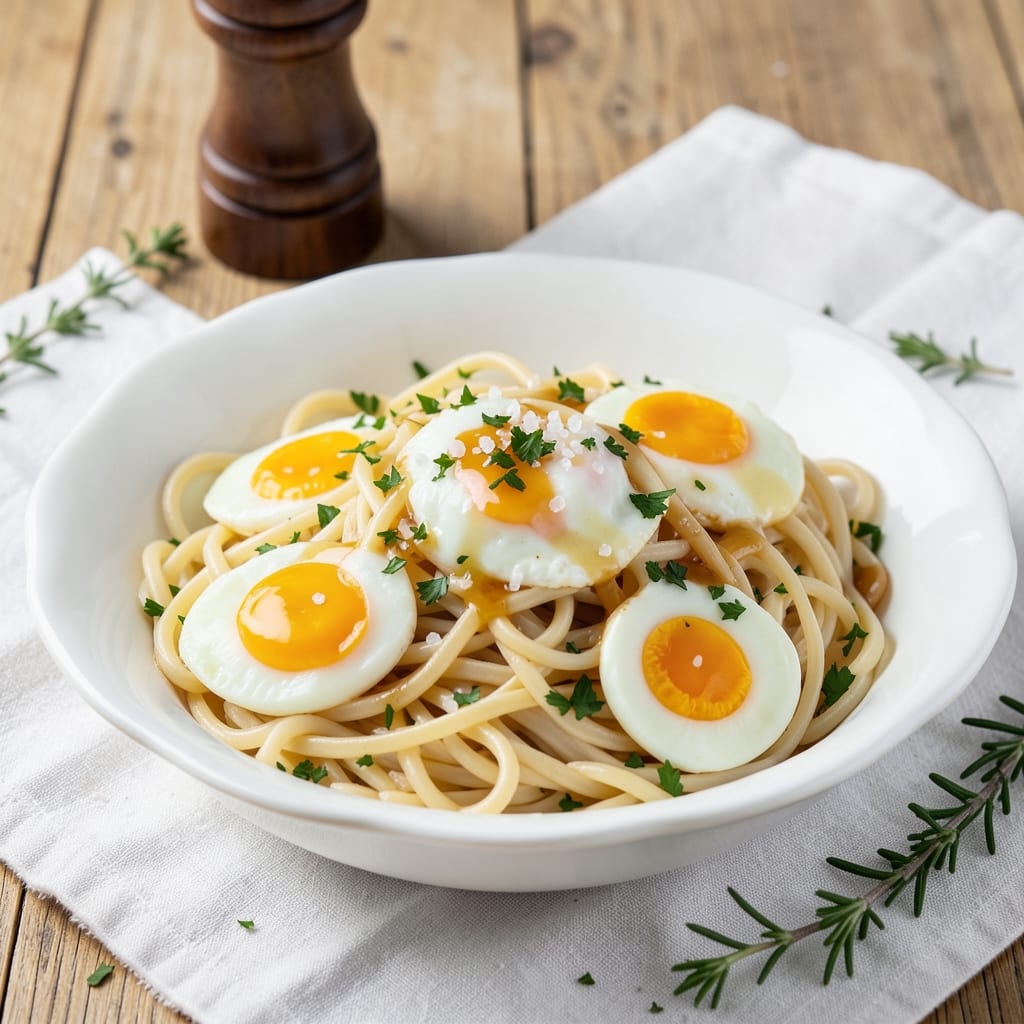
This buttered egg noodles recipe transforms simple egg noodles into crispy-fried bites with silky yolk hearts—perfect for breakfast or a comforting side dish. The key lies in high-heat frying until golden, then finishing with rich butter and a touch of salt to enhance the natural egg flavor. I developed this technique after years of experimenting with textures, and it never fails to impress.
The process is straightforward but requires attention to timing for that ideal crispy exterior and tender interior. You'll start with egg noodles cooked just shy of al dente, then pan-fry them in batches until they develop a golden crust. The butter adds richness, while a splash of pasta water ensures everything comes together smoothly. This method delivers restaurant-quality results in under 20 minutes.
What you'll end up with is a dish that's crispy on the outside, creamy in the middle, and packed with flavor—ideal for serving alongside eggs or as a hearty main. The silky yolk hearts melt into the buttery noodles, creating a texture that's both satisfying and indulgent. It's the kind of recipe that feels special without requiring complicated techniques.
Pair with fresh herbs, grated parmesan, or a sprinkle of black pepper for extra depth. The versatility of this dish makes it perfect for brunch, lunch, or even a quick dinner. Let's get cooking!
Ingredients for buttered noodles recipe with egg noodles
Simple ingredients, restaurant-quality results—just egg noodles, butter, and timing.
| Ingredient | Amount | Notes |
|---|---|---|
| Egg Noodles 🍝 | 12 oz | Dried, medium width preferred |
| Large Eggs 🥚 | 4 whole | Room temperature for even cooking |
| Unsalted Butter 🧈 | ½ cup | Cold, cubed for even melting |
| Kosher Salt 🧂 | 1 ½ tsp | Fine grain preferred |
| Vegetable Oil 🫒 | ½ cup | High smoke point for frying |
| Fresh Parsley 🌿 | ¼ cup | Chopped, for garnish |
| Black Pepper 🌶️ | ½ tsp | Freshly ground for best flavor |
| Parmesan Cheese 🧀 | ¼ cup | Freshly grated for sharpness |
| Garlic Cloves 🧄 | 2 cloves | Minced, optional for extra flavor |
The egg noodles are the foundation—look for medium-width dried noodles at any grocery store, but De Cecco or Barilla are my go-tos for texture. Fresh egg noodles work too, but dried gives you that perfect chew. The eggs? Room temperature is key—cold eggs won't cook evenly. Butter matters here: unsalted, cold, and cubed for even melting. If you're in a rush, Trader Joe's sells pre-grated Parmesan that works fine, but freshly grated has that sharp bite. For the oil, vegetable or canola with a high smoke point keeps things crispy without burning.
No egg noodles? Spaghetti or linguine in a pinch, but the texture won't be quite the same. Short on butter? Olive oil works at a 1:1 ratio, though it won't be as rich. Fresh parsley wilting? Dried oregano at half the amount adds depth. The garlic is optional but worth it—minced fresh gives the best flavor, but powdered works if you're in a hurry. For extra crispiness, pat the noodles completely dry after cooking before frying. And if you're serving this as a side, double the butter—trust me on that.
Store leftover butter in an airtight container in the fridge for up to 1 week, though it's best used fresh. The fried noodles reheat beautifully—just 5 minutes in a 350°F oven with a splash of pasta water to revive them. For meal prep, fry in smaller batches and store separately from the butter to keep things crispy. Freeze for up to 3 months if you're planning ahead, but they're best enjoyed fresh. Garnish with extra black pepper and parsley right before serving—that's when the magic happens.
Why You'll Love This Recipe
- Five-Ingredient Magic: I swear by this—just noodles, eggs, butter, salt, and oil. That’s it. No chopping, no blending, no waiting for fancy sauces to simmer. The eggs poach right in the pan while the noodles cook, and suddenly you’ve got a dish that tastes like it took hours.
- Butter’s Secret Weapon: Honestly, the butter here isn’t just fat—it’s flavor. You melt it with the noodles, then swirl in those soft, runny yolks at the end. That golden, velvety coating? It’s the kind of richness that makes you pause mid-bite, even if the rest of your day was chaotic.
- Lunchbox Hero: Between us, this is my go-to for packed lunches. Cold or warm, it’s still solid—just reheat with a splash of water if needed. My kid’s school lunchbox? Half the time, it’s this, wrapped in foil. No fuss, no complaints.
- Budget Breakthrough: I make this when I’m pinching pennies, and it never feels like I’m sacrificing. Eggs and butter stretch further than you’d think, and a single box of noodles feeds four. That’s $5 for a meal that feels like a treat, not a chore.
Step-by-step instructions for buttered egg noodles
Master this technique and you'll achieve perfect crispy-fried noodles with silky, runny yolk centers every time.
🍳 Step 1: Cook the Noodles Until Al Dente
Bring a large pot of water to a rolling boil and add 1.5 teaspoons kosher salt. Add the 12 oz egg noodles and cook according to package instructions, but remove them 1 minute before they're fully done—you want them al dente with a slight bite. This ensures they'll finish cooking in the hot oil and absorb the buttery flavor perfectly.
Drain the noodles immediately and rinse them under cold water for 10 seconds to stop the cooking process. Toss them with 1 tablespoon vegetable oil to prevent sticking while you prepare the egg mixture. The noodles should be hot but not steaming when you add them to the pan—this is crucial for achieving the crispy exterior.
👨🍳 Step 2: Prepare the Egg Mixture
In a medium bowl, whisk together the 4 whole large eggs until the yolks and whites are fully combined. Add 0.25 cup freshly grated parmesan cheese, 0.5 teaspoon black pepper, and 2 minced garlic cloves (if using). Mix until the cheese is fully dissolved and the mixture is smooth. The eggs should be at room temperature for even cooking—this prevents them from curdling when they hit the hot oil.
Season the egg mixture with 1 teaspoon kosher salt—this balances the richness of the butter and eggs. The mixture should be thick but pourable. If it's too thick, whisk in 1 tablespoon hot water to loosen it slightly. This step ensures your noodles will be perfectly seasoned and coated in the buttery sauce.
🔥 Step 3: Fry the Noodles in Hot Oil
Heat 0.5 cup vegetable oil in a large skillet over medium-high heat until it shimmers—this should take about 3 minutes. The oil is ready when a wooden chopstick inserted into the oil bubbles gently around the edges. Add the hot noodles to the skillet and spread them out evenly in a single layer.
Let the noodles cook undisturbed for 2 minutes until they begin to turn golden brown at the edges. This is when they develop that perfect crispy texture. Pour the egg mixture evenly over the noodles, tilting the pan slightly to coat them completely. The heat from the oil will begin to set the eggs while keeping the centers runny.
🥘 Step 4: Finish and Garnish
Cook for an additional 1-2 minutes until the egg mixture forms a creamy sauce and the noodles are deep golden brown and crispy. The edges should look toasted, while the centers should still be tender. If the sauce thickens too much, add 1 tablespoon hot water to loosen it.
Remove the skillet from heat and immediately sprinkle with the remaining 0.5 teaspoon kosher salt and 0.25 cup chopped fresh parsley. Toss gently to distribute the garnishes evenly. The parsley adds a bright contrast to the rich, buttery noodles, while the extra salt enhances the overall flavor. Serve immediately while the noodles are still crispy and the egg centers are silky.
Pro Tips For Making Buttered Noodles Recipe With Egg Noodles
- Boil Water Like a Pro: Boil your egg noodles in salted water (about 1½ tablespoons per quart) until they’re 1 minute shy of al dente—they’ll finish cooking in the butter. I learned this the hard way after serving mushy noodles that looked like overcooked spaghetti.
- Use Cold Eggs for Smooth Scrambling: Take your eggs straight from the fridge—cold eggs scramble silkier and won’t turn rubbery. Crack them into a bowl first, then whisk with a pinch of salt before melting into the hot noodles.
- Don’t Overcrowd the Pan: Cook the noodles in two batches if needed—piling them in the pan will steam instead of crisp. This ensures they get that golden, buttery crust instead of turning soggy.
- Finish with Butter, Not Oil: Skip the vegetable oil in the final step—unsalted butter adds flavor and richness that oil can’t match. Use about 2 tablespoons per serving, tossing while the noodles are still hot to coat evenly.
Troubleshooting this dish
Undercooked Noodles
If your noodles feel soft or mushy after frying, they likely weren’t cooked enough before hitting the oil. Always remove them 1 minute before package instructions suggest—this ensures they finish cooking in the hot oil while developing crispiness. For extra insurance, test one noodle by biting into it after draining: it should have a slight resistance, not be completely tender. 💡
Eggs Curdling
Cold eggs or oil that’s too hot can cause curdling, resulting in a grainy texture. Let your eggs sit at room temperature for at least 30 minutes before using, and monitor your oil’s temperature—it should shimmer but not smoke excessively. If curdling happens, whisk in 1 tablespoon hot water to the egg mixture to help smooth it out before adding to the pan.
Greasy Texture
Too much oil in the pan leads to soggy, greasy noodles instead of crispy bites. Use exactly ½ cup vegetable oil and heat it properly—if it’s not shimmering by the time you add the noodles, let it cook another 30 seconds. Also, avoid overcrowding the pan; fry in two batches if needed to maintain even heat distribution.
Sauce Too Thin
A runny sauce happens when the egg mixture isn’t thick enough or the noodles absorb too much. To fix this, whisk in 1 tablespoon hot water to the egg mixture before pouring it over the noodles. If the sauce still separates, add 1 tablespoon cold butter to help emulsify it while the noodles fry. The key is balance—aim for a creamy but not watery consistency.
Noodles Stick Together
Sticky noodles usually mean they weren’t tossed well in oil after draining or the pan wasn’t hot enough. After draining, immediately toss the noodles with 1 tablespoon vegetable oil while they’re still hot. Also, ensure your skillet is well-seasoned or non-stick—if needed, use a 12-inch cast iron pan like Lodge for even heat distribution. 🔥
Overcooked Eggs
If the egg centers are fully cooked instead of silky, your oil was too cool or the pan wasn’t hot enough. Increase the heat to medium-high and let the oil reach a shimmering state before adding the noodles. Cook the egg mixture for only 1-2 minutes after pouring—any longer, and the yolks will firm up. For extra insurance, use room-temperature eggs to ensure even cooking.
Nutrition facts
Frequently asked questions
Can I use fresh egg noodles instead of dried?
Fresh egg noodles work beautifully for this recipe! They cook much faster—just boil for 2-3 minutes until al dente, then proceed with the same frying method. The key difference is their softer texture, so they'll crisp up even quicker in the hot oil. For best results, use 12 oz fresh noodles and reduce the cooking time by half compared to dried.
How do I make this recipe vegetarian?
Swap the eggs for 4 tablespoons nutritional yeast mixed with 2 tablespoons olive oil and 1 tablespoon cornstarch to create a creamy base. Add ½ cup plant-based milk to thin it out, then proceed with the frying method. The texture will be slightly different but still delicious with a crispy exterior.
Can I make this ahead of time?
These noodles are best served immediately for maximum crispiness, but you can prep components ahead. Cook the noodles and store them in the fridge for up to 2 days, then reheat in a dry pan before frying. The egg mixture should be made fresh—it doesn't reheat well. For a make-ahead brunch, fry the noodles in batches and keep them warm in a 200°F oven while you finish the rest.
What's the secret to getting crispy noodles?
The secret lies in three key steps:
- Cook noodles al dente (1 minute before package time),
- Use hot oil that shimmers but doesn't smoke, and
- Fry in a single layer without crowding. The cold water rinse stops cooking instantly, and tossing with oil after draining prevents sticking. Work quickly—hot noodles fry best!
Can I add other proteins to this dish?
Try crispy bacon, shredded chicken, or even shrimp for extra protein. Cook your protein separately and add it to the pan with the noodles during the final 1-2 minutes of frying. For shrimp, cook them first and add them back at the end to keep them tender. The buttery sauce will complement all these proteins beautifully.