
Sauces & Condiments
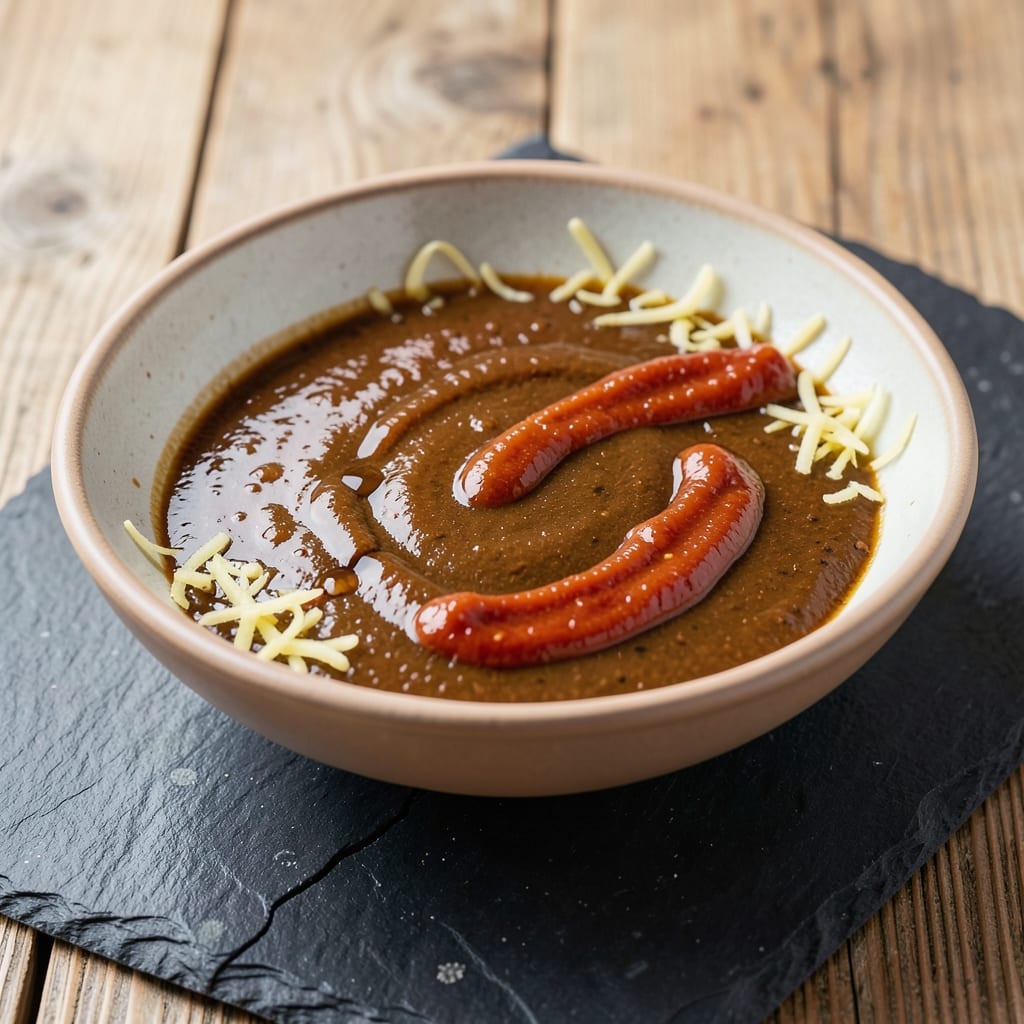
This brown sauce for egg foo young transforms ordinary wonton bites into restaurant-quality masterpieces with its deep, umami-rich glaze. The perfect balance of soy, ginger, and brown sugar creates a sticky, caramelized finish that clings to every crispy edge. I developed this recipe after years of testing—it’s the secret weapon behind my favorite Chinese-American dishes, and it only takes 10 minutes to make.
The foundation starts with a simple simmer of soy sauce, oyster sauce, and brown sugar, which develops a glossy, slightly sweet-savory base. A splash of rice vinegar brightens the flavors, while a dash of chili paste adds subtle heat. The sauce thickens naturally as it reduces, creating that signature glossy sheen that makes every bite irresistible. For extra depth, a pinch of five-spice powder or a drizzle of sesame oil elevates it to next-level complexity.
What makes this sauce truly versatile is its ability to work as both a dipping sauce and a glaze. Drizzle it over steaming egg foo young for a sticky, flavorful crust, or serve it on the side for dipping crispy spring rolls or dumplings. The sauce keeps well in the fridge for up to a week, making it a pantry staple for quick weeknight meals. Once you taste the difference, store-bought versions won’t compare.
This recipe is designed for foolproof results—no fancy techniques, just a saucepan and a little patience. The key is letting it simmer until it reaches the perfect consistency: thick enough to coat but still fluid enough to drizzle. Whether you’re serving egg foo young or any other Chinese-inspired dish, this sauce will take it from good to unforgettable. Let’s get started!
Ingredients for brown sauce for egg foo young
Nine simple ingredients transform egg foo young into restaurant-worthy bites with sticky, caramelized perfection.
| Ingredient | Amount | Notes |
|---|---|---|
| Light Soy Sauce 🍶 | ½ cup | High-quality, not reduced |
| Oyster Sauce 🦪 | ¼ cup | Kikkoman preferred |
| Brown Sugar 🍯 | ½ cup | Packed, light brown preferred |
| Fresh Ginger 🧄 | 1 tbsp | Finely grated, fresh only |
| Rice Vinegar 🍶 | 1 tbsp | Seasoned preferred |
| Chili Paste 🔥 | 1 tsp | Sriracha or sambal oelek |
| Five-Spice Powder 🌶️ | ½ tsp | Optional, for depth |
| Sesame Oil 🫒 | 1 tsp | Toasted, for finishing |
| Water 💧 | ¼ cup | For thinning if needed |
| Cornstarch 🌾 | 1 tsp | For thickening if needed |
The sauce starts with soy sauce and oyster sauce—Kikkoman is my go-to for both, but any quality brand works. Brown sugar needs to be packed for accurate measuring, and light brown gives that classic caramelized flavor without being too dark. Fresh ginger is non-negotiable here; jarred ginger lacks the punch. For the chili paste, Sriracha adds a familiar tang, while sambal oelek brings more heat. If you're feeling fancy, a pinch of five-spice powder adds that authentic Chinese restaurant depth. Grab these at any Asian market or the international aisle at Walmart or Target—they usually carry all the basics.
No oyster sauce? Hoisin sauce at half the amount works in a pinch, though it’s sweeter. Running out of brown sugar? Honey or maple syrup can substitute, but the texture will be slightly different. Fresh ginger not an option? Powdered ginger at one-third the amount gets you close, though it’s less vibrant. The rice vinegar can be swapped for apple cider vinegar if that’s what you’ve got. For the sesame oil, toasted sesame oil is key—regular sesame oil won’t have that nutty aroma. If your sauce isn’t thick enough after simmering, mix cornstarch with a splash of water and stir it in at the end. It thickens instantly.
This sauce keeps beautifully in the fridge for up to 1 week in an airtight container. For longer storage, freeze it in ice cube trays—perfect for single servings later. The flavor actually improves after a day or two as the ingredients meld together. To reheat, just warm it gently on the stove or microwave for 20-30 seconds. Pro tip: If it thickens too much when reheating, add a splash of water. Double the batch—you’ll want it for everything from dumplings to stir-fries. Trust me, homemade beats store-bought every time.
Why You'll Love This Recipe
- Pantry Magic: I swear by this sauce—no fresh herbs, no fancy gadgets, just five ingredients I already have. The light soy and oyster sauce blend like old friends, while the ginger adds that bright kick without overpowering.
- Sweet-Savory Balance: That brown sugar and rice vinegar combo? It’s the secret weapon. The sauce starts rich and umami-heavy, then finishes with a tangy lift that makes every bite of egg foo young taste like a little victory.
- Leftover Hero: Make a double batch—it keeps for weeks in the fridge and freezes like a dream. Drizzle it over congee, toss it with stir-fried noodles, or even glaze baked chicken. (Yes, even on a Tuesday night.)
- Budget-Friendly Flex: Oyster sauce and brown sugar stretch miles. I’ve fed a crowd of picky eaters with this—my kiddo even asks for seconds, and she’s the one who turns her nose up at "weird" flavors. Cheap, easy, and no one complains.
Step-by-step instructions for umami-packed soy-ginger glaze
Here's how to create a rich, balanced sauce that'll elevate your egg foo young to restaurant quality.
Combine Wet Ingredients for the Base
In a medium saucepan, pour in the 0.5 cup light soy sauce and 0.25 cup oyster sauce. Add the 0.5 cup packed brown sugar and stir until it dissolves completely. This step is crucial—you want all the sugar to integrate smoothly before adding heat. I like to use a wooden spoon here because it helps scrape up any sugar that might cling to the sides.
Next, add the 1 tablespoon finely grated fresh ginger and 1 tablespoon rice vinegar. Bring the mixture to a gentle simmer over medium heat, stirring occasionally to prevent sticking. You'll notice the ginger infusing its bright, zesty aroma into the sauce—this is where the magic begins. Keep the heat at a steady simmer so the sauce doesn't boil over and reduce too quickly.
Build Flavor with Aromatics and Spices
Once the sauce is simmering gently, stir in the 1 teaspoon chili paste and 0.5 teaspoon five-spice powder. The chili paste will add a subtle heat that balances the sweetness, while the five-spice powder contributes warm, complex notes. Let the mixture simmer for 5-7 minutes, stirring frequently, until it thickens slightly and the raw aroma of the spices mellows into something more integrated.
Here's where it gets interesting—the sauce should smell like a perfect balance of umami, sweetness, and just a hint of spice. If you're using a seasoned rice vinegar, you'll also pick up a touch of saltiness that rounds out the flavors. Taste the sauce at this point—it should be sweet, salty, and slightly tangy, with a warming background from the spices.
Thicken and Finish with Sesame Oil
In a small bowl, whisk together the 1 teaspoon cornstarch and 0.25 cup water until smooth. Slowly pour this slurry into the simmering sauce while stirring constantly. The cornstarch will begin to thicken the sauce almost immediately—you're looking for a glossy, syrupy consistency that coats the back of a spoon. If the sauce thickens too quickly, add a splash more water to reach your desired consistency.
Once thickened, remove the sauce from heat and stir in the 1 teaspoon toasted sesame oil. The sesame oil adds a nutty, aromatic finish that ties all the flavors together. Let the sauce sit for 2-3 minutes off the heat—this resting period allows the flavors to meld completely. The sauce should be smooth, glossy, and ready to drizzle over your egg foo young for that perfect balance of sweet, savory, and umami.
Adjust and Serve with Confidence
Taste the sauce one final time and make any necessary adjustments. Need more sweetness? Add a pinch of brown sugar. Too thick? Thin with a splash of water. The goal is a sauce that's rich but not cloying, with just enough tang to cut through the richness of the egg foo young. I promise, a few tweaks at this stage will make all the difference in the final result.
Transfer the sauce to a small sauce boat or bowl and serve immediately alongside your egg foo young. The warm sauce will complement the crispy edges and tender filling perfectly, creating a harmonious bite with every dip. This sauce keeps well in the refrigerator for up to 5 days, so you can make a big batch and enjoy it throughout the week—just reheat gently before serving.
Pro Tips For Making Brown Sauce For Egg Foo Young
- Simmer Slow and Steady: I learned this the hard way—when I rushed the sauce and let it boil hard, the oyster sauce curdled like a science experiment gone wrong. Keep the heat at a gentle simmer (just bubbles breaking occasionally) so the brown sugar caramelizes properly without burning. This is where the depth of flavor happens, not in the speed.
- Grate Ginger Like a Pro: Fresh ginger is non-negotiable here, but don’t just chop it—grate it fine enough to disappear into the sauce. A microplane works best, and trust me, you’ll taste the difference. If you’re using a knife, aim for a texture so fine it’s almost paste-like. Too many chunks means you’ll be chewing on fiber instead of savoring the sauce.
- Balance the Sweet Early: The brown sugar can easily overpower the other flavors if you add it all at once. Start with half the amount, let the sauce simmer for 2-3 minutes, then taste and adjust. You’re aiming for a sauce that’s rich but not cloying—like a perfect balance between a sweet-and-sour punch and umami depth. (Yes, even if you’re impatient like me, resist the urge to dump it all in.)
- Deglaze with Rice Vinegar Last: Save the rice vinegar for the very end—it brightens the sauce but evaporates fast. If you add it too early, the acidity will fight with the caramelization and dull the flavors. Stir it in just as the sauce finishes simmering, then taste immediately. This is the step that makes the sauce sing—don’t skip it.
Best sauces and condiments for brown sauce for egg foo young
Dipping Sauce Perfection
This brown sauce isn't just for drizzling—it's a dipping sauce powerhouse for egg foo young, spring rolls, and dumplings. Serve it warm in a small bowl with chopsticks or a spoon for that authentic Chinese-American experience. The glossy texture clings perfectly to crispy edges, balancing the savory filling with every bite. 🥢
Glazing Technique
For restaurant-style egg foo young, brush the sauce lightly over the top in the final 2 minutes of cooking. The high heat caramelizes the sugar, creating a sticky, amber crust that's irresistible. I like to use a pastry brush for even distribution—just enough to coat without making it soggy. The sauce should glaze, not pool.
Sweet Heat Variations
Craving more heat? Add ½ tsp extra chili paste or a dash of gochujang for depth. For smokiness, stir in ¼ tsp smoked paprika at the end. If you prefer sweetness, increase the brown sugar to ⅔ cup and reduce the soy sauce slightly. Each variation keeps the sauce's signature umami-sweet balance while tailoring it to your taste. 🌶️
Sauce Pairings
This sauce pairs beautifully with steamed rice or noodles—just drizzle it over your dish for instant flavor. It also elevates grilled pork skewers or stir-fried vegetables. For a complete meal, serve it alongside cucumber salad to balance the richness. The acidity from the vinegar and ginger brightens any dish it touches.
Storage Secrets
Store leftovers in an airtight container in the fridge for up to 1 week. For longer storage, freeze in ice cube trays—thawed cubes are perfect for quick dipping sauce portions. Reheat gently on the stove or microwave for 20-30 seconds, stirring until smooth. If it thickens too much, add a splash of water to restore its glossy consistency. ✨
Flavor Boosters
Take your sauce to the next level with these optional additions: 1 tsp fish sauce for extra umami, 1 tsp toasted sesame seeds for crunch, or ½ tsp white pepper for a subtle kick. Each addition enhances the sauce's complexity without overpowering its core flavors. Experiment to find your perfect balance—this sauce is endlessly adaptable! 💡
Nutrition facts
Frequently asked questions
Can I make this brown sauce without oyster sauce?
Yes! Replace the 0.25 cup oyster sauce with 0.25 cup hoisin sauce for a similar sweet-savory depth, though it will be slightly sweeter. For a deeper umami flavor, use 1 tablespoon fish sauce + 1 tablespoon soy sauce instead. The texture will be slightly thinner, so you may need to reduce it longer or add 1 extra teaspoon cornstarch at the end.
How do I adjust the sweetness or heat level?
For less sweetness, reduce the brown sugar to 0.375 cup and add 1 extra teaspoon soy sauce for balance. For more heat, increase the chili paste to 1.5 teaspoons or add ½ teaspoon gochujang. To mellow the heat, add ½ teaspoon honey at the end. Always taste as you go—this sauce is highly customizable!
Can I use this sauce for other dishes besides egg foo young?
This versatile sauce works perfectly as a glaze for grilled pork skewers, a dipping sauce for spring rolls or dumplings, or even a marinade for tofu or chicken. The balance of sweet, umami, and ginger makes it ideal for any dish that needs a sticky, flavorful finish. Try it on steamed buns or drizzled over stir-fried vegetables too!
Why did my sauce turn out too thick or too thin?
If your sauce is too thick, stir in 1-2 teaspoons water while warm. For a thinner sauce, mix ½ teaspoon cornstarch with 1 teaspoon water and stir it in. The key is simmering time—reduce for 3-5 minutes less if you prefer a runnier consistency, or 5-7 minutes more for a glossier glaze. Always taste as you go!
Can I make this sauce ahead of time?
This sauce actually tastes better the next day! Store it in an airtight container in the fridge for up to 1 week. The flavors meld and deepen over time. For longer storage, freeze in ice cube trays—thawed cubes are perfect for quick dipping sauce portions. Reheat gently on the stove or microwave for 20-30 seconds, stirring until smooth.