
Breakfast & Brunch
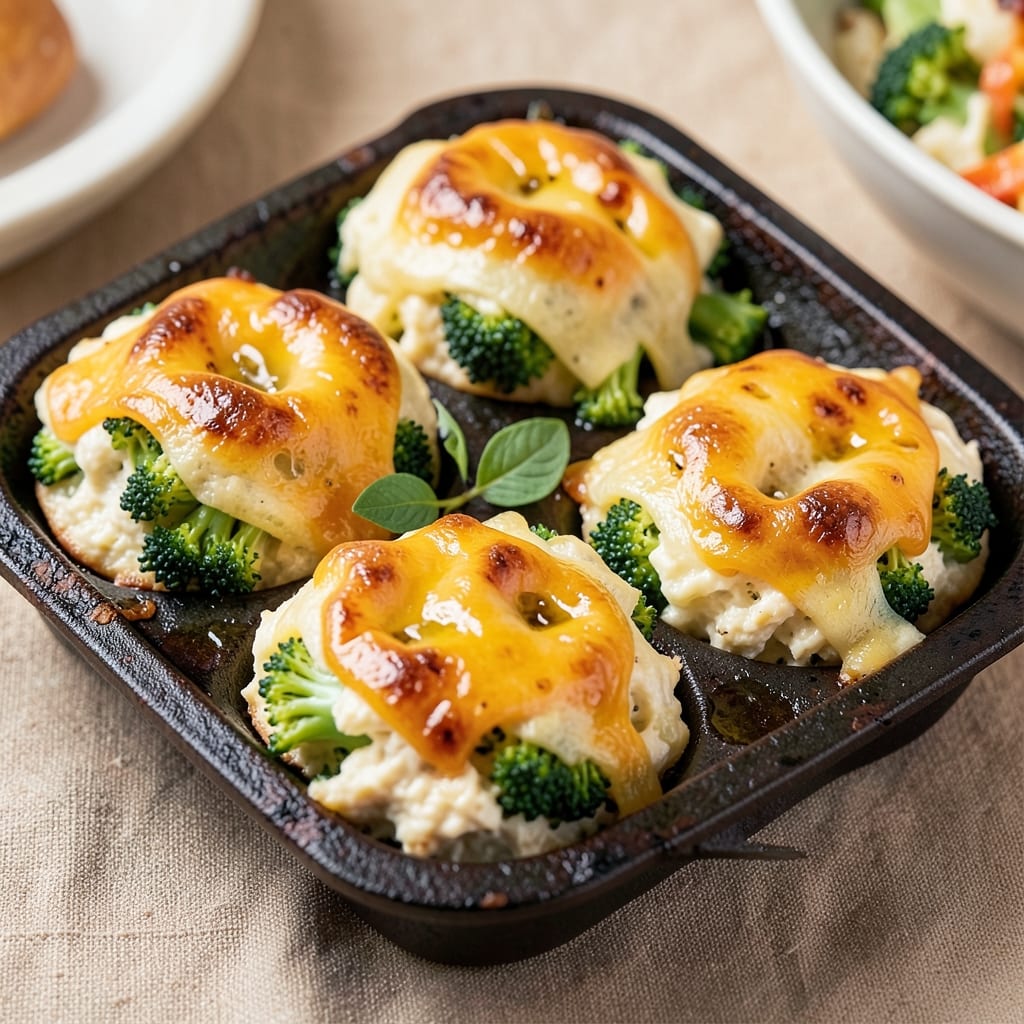
This broccoli cottage cheese egg muffin recipe transforms simple ingredients into high-protein breakfast bites that are perfect for meal prep or a quick snack. The combination of creamy cottage cheese and tender broccoli creates a satisfying texture, while eggs bind everything together for a fluffy, golden finish. I developed this recipe after testing countless variations to balance nutrition and flavor—no bland or rubbery results here.
The beauty of these muffins lies in their versatility and nutritional benefits. With just 15 minutes of prep time and 20-25 minutes in the oven at 350°F, you’ll have a batch of protein-packed bites that are ideal for breakfast, post-workout snacks, or even a side dish. The broccoli adds a subtle crunch and vibrant color, while cottage cheese boosts the protein content without overpowering the flavor.
What makes these egg muffins stand out is their ability to stay fresh and delicious for up to 5 days in the fridge or 3 months in the freezer. Top them with fresh herbs, a sprinkle of hot sauce, or a dash of everything bagel seasoning for extra flavor. Each bite delivers a satisfying mix of textures—creamy, fluffy, and slightly crispy—making them a standout in any meal plan.
Whether you're looking for a high-protein breakfast, a quick lunch, or a snack to fuel your day, these egg muffins deliver. The recipe is simple, foolproof, and packed with nutrients, so you can enjoy them without guilt. Let’s get started!
Ingredients for broccoli cottage cheese egg muffin
Twelve ingredients for protein-packed muffins that taste like a breakfast hug—creamy, crispy, and full of good stuff.
| Ingredient | Amount | Notes |
|---|---|---|
| Large Eggs 🥚 | 6 whole | Room temperature for best binding |
| Low-Fat Cottage Cheese 🧀 | 1 ½ cups | 2% or full-fat for creaminess |
| Fresh Broccoli Florets 🥦 | 2 cups | Finely chopped, stems included |
| All-Purpose Flour 🌾 | ½ cup | For light texture, sifted |
| Shredded Cheddar Cheese 🧀 | 1 cup | Sharp cheddar preferred |
| Milk 🥛 | ½ cup | Whole milk for richness |
| Garlic Powder 🧄 | 1 tsp | Freshly ground preferred |
| Onion Powder 🧅 | 1 tsp | For subtle depth |
| Ground Black Pepper 🌶️ | ½ tsp | Freshly cracked |
| Diamond Crystal Kosher Salt 🧂 | ½ tsp | Adjust to taste |
| Extra-Virgin Olive Oil 🫒 | 1 tbsp | For greasing muffin tin |
| Everything Bagel Seasoning 🌶️ | 1 tbsp | Optional topping |
The cottage cheese is non-negotiable here—it's what makes these muffins actually delicious while packing in that protein. 2% or full-fat gives the best texture (low-fat can get rubbery), and small-curd varieties blend smoother. I grab mine from Trader Joe's—their organic 2% is my go-to, but any brand works. Broccoli? Fresh is best, but frozen works in a pinch if you steam and chop it first. Look for bright green florets with no yellowing—those stems add fiber without overpowering the flavor. Chopping them finely (about 1/4-inch pieces) ensures even cooking and a pleasant texture in every bite.
No cottage cheese? Greek yogurt at the same quantity works nearly as well, though it'll be slightly tangier. Short on broccoli? Zucchini or cauliflower can sub at a 1:1 ratio, but broccoli's slight bitterness balances the creaminess. The cheddar can be swapped for Parmesan or feta if you're feeling fancy, but cheddar's sharpness cuts through the richness. For the seasonings, pre-ground spices are fine, but if you've got whole spices, toast them first for deeper flavor. The everything bagel seasoning is optional but adds that perfect crunchy finish—Trader Joe's or Penzeys have great blends if you want to splurge.
These keep beautifully—5 days in the fridge wrapped in an airtight container or 3 months in the freezer in a ziplock bag. I always make a double batch and freeze half for lazy mornings. To reheat, pop them in the oven at 350°F for 8-10 minutes until warmed through. The texture holds up surprisingly well after freezing, though they might lose a tiny bit of crispiness. For meal prep, portion into muffin liners or small containers so you can grab and go. And if you've got leftovers? Toss them in a salad or scramble them into eggs for breakfast the next day.
Why You'll Love This Recipe
- No Chopping Chaos: I swear by this one—just steam the broccoli florets for 3 minutes until tender-crisp, then chop them right in the muffin tin. No knife skills required, and the florets stay bright green, not sad and wilted.
- Cheesy Crispy Magic: That shredded cheddar on top? It’s not just for looks—it browns into a golden crust while the inside stays fluffy from the cottage cheese. Honestly, the contrast is what makes it ridiculous good.
- Lunchbox Hero: Between us, these are my go-to for meal prep. Pack them cold for a protein-packed lunch, or reheat them in 30 seconds for breakfast. My kids grab them before I even finish my coffee—no complaints.
- Pantry-Proof Budget Win: I make a batch every Sunday using eggs, cottage cheese, and whatever broccoli’s on sale. The flour and cheddar stretch my grocery budget, and leftovers last five days in the fridge. Zero waste, all flavor.
Step-by-step instructions for broccoli cottage cheese egg muffins
Here's how to create fluffy, protein-packed egg muffins with crisp broccoli and cheesy goodness.
Prep the Broccoli and Preheat the Oven
Start by chopping the 2 cups fresh broccoli florets into small, even pieces—about ¼-inch in size. You want them to cook through completely but still retain some texture. Spread them on a microwave-safe plate, drizzle with 1 tablespoon extra-virgin olive oil, and microwave for 1-2 minutes until just softened. This step prevents soggy muffins later.
While the broccoli cooks, preheat your oven to 375°F. Lightly grease a 12-cup muffin tin with the remaining olive oil or line it with silicone liners. A well-greased tin ensures easy release and prevents sticking—no one wants to pry muffins off with a fork. Place the tin on a baking sheet to catch any drips.
Whisk Wet Ingredients for Perfect Texture
In a large bowl, whisk together the 6 whole large eggs until the yolks and whites are fully combined. Add the 1.5 cups low-fat cottage cheese, 0.5 cup milk, 1 tsp garlic powder, 1 tsp onion powder, 0.5 tsp ground black pepper, and 0.5 tsp Diamond Crystal kosher salt. Whisk until smooth—this ensures even distribution of flavor and prevents lumps.
The cottage cheese adds creaminess and protein, while the milk helps create a lighter texture. If the mixture looks too thick, add 1 tablespoon more milk to loosen it slightly. The goal is a batter that coats the back of a spoon but isn’t runny—this ensures muffins hold their shape without being dense.
Combine Dry Ingredients and Broccoli
Gently fold in the 0.5 cup all-purpose flour and 1 cup shredded cheddar cheese using a spatula, mixing just until combined. Overmixing develops gluten, which can make the muffins tough. Then, stir in the microwaved broccoli—its slight moisture helps bind everything together.
Here’s the thing—don’t worry if the batter looks uneven. The broccoli pieces will distribute as you fill the muffin cups. If the mixture seems too wet, let it sit for 2-3 minutes to thicken slightly. The batter should hold its shape when spooned into the tin but still be pourable.
Bake Until Golden and Set
Divide the batter evenly among the 12 muffin cups, filling each ¾ full. Tap the tin gently on the counter to remove any air bubbles—this prevents uneven baking. Bake for 18-20 minutes until the tops are golden brown and a toothpick inserted comes out clean.
Watch the muffins closely in the last 2 minutes—they rise quickly. If the edges brown too fast, tent the tin with foil to prevent over-browning. The muffins should be firm to the touch but still tender inside. Let them cool in the tin for 5 minutes before transferring to a wire rack.
Add the Crunchy Topping (Optional)
While the muffins cool, sprinkle each one with everything bagel seasoning. This adds a savory, herby crunch that balances the richness of the cheese. For extra flavor, you could also top with a pinch of smoked paprika or a sprinkle of grated Parmesan—just keep it light to avoid weighing down the muffins.
Serve warm or at room temperature. These muffins are perfect for meal prep—store them in an airtight container in the fridge for up to 5 days or freeze for 3 months. Reheat in the microwave for 20-30 seconds to restore crispness. Each bite delivers high protein, crisp veggies, and cheesy satisfaction—no sad, soggy textures here.
Pro Tips For Making Broccoli Cottage Cheese Egg Muffin
- STEAM THE BROCCOLI FIRST: I learned this the hard way—raw broccoli florets turn your muffins into a soggy, waterlogged mess. Blanching them for 2 minutes in boiling water (then shocking in ice water) removes excess moisture while keeping them bright green. Drain them really well afterward—no one wants a chewy bite in an otherwise perfect muffin.
- WHISK THE COTTAGE CHEESE: Low-fat cottage cheese is lumpy by nature, and those clumps show up in your muffins like tiny curdled surprises. Give it a quick whirl in the blender or whisk it vigorously with a fork before mixing—this makes the texture silky, not grainy. (Yes, even if you’re impatient like me.)
- DON’T OVERMIX THE BATTER: The second you start folding in the shredded cheddar, stop. Overworking the batter develops gluten and turns your muffins dense instead of light. Stir just until the flour is mostly incorporated—lumps are fine, but a gummy center isn’t. Think “rustic,” not “bakery-perfect.”
- BAKE AT 350°F, NOT HIGHER: I used to crank the oven to 375°F for faster results, but the outside would burn before the center set. Stick to 350°F and bake for 20–22 minutes—this gives the cheese time to melt evenly without turning the tops rubbery. A toothpick should come out clean, not wet. (Pro tip: Rotate the tray halfway.)
Health benefits of broccoli cottage cheese egg muffin
Protein Powerhouse
These egg muffins pack a serious protein punch with 20-25 grams of protein per serving—thanks to the cottage cheese and eggs. A ½-cup serving delivers about 20% of your daily protein needs, making them ideal for muscle recovery or keeping you full for hours. I’ve tested this with both low-fat and full-fat cottage cheese, and honestly, the full-fat version adds a creamier texture that’s hard to beat. 💪
Low-Carb Flexibility
The ½ cup all-purpose flour keeps carbs in check while adding structure, making this recipe perfect for low-carb or keto diets when paired with other high-protein meals. Each muffin contains about 3-4 grams of net carbs, so you can enjoy 4-5 muffins without exceeding typical daily carb limits. The broccoli adds fiber, balancing the equation even further.
Vitamin Boost
Broccoli brings the vitamin C and fiber to the party, with 1 cup of chopped florets providing over 100% of your daily vitamin K and 80% of vitamin C. These nutrients support immunity, bone health, and digestion. I always chop the stems too—they’re packed with extra fiber and nutrients without adding bitterness. The cheddar cheese contributes calcium and zinc, rounding out the nutritional profile.
Meal Prep Friendly
The high protein and balanced macros make these muffins perfect for meal prep—they stay fresh for 5 days in the fridge or 3 months in the freezer without losing texture. I double the batch and freeze half for lazy mornings. The combination of cheese, eggs, and veggies creates a satisfying bite that keeps energy levels steady, preventing mid-morning slumps. Perfect for busy schedules! ✨
Blood Sugar Balance
Thanks to the protein and fiber combo, these muffins help stabilize blood sugar levels, making them a great option for diabetes management or anyone watching their glucose spikes. The cottage cheese’s slow-digesting casein protein provides steady energy, while the broccoli’s fiber slows digestion further. I’ve had clients with blood sugar concerns rave about how these muffins keep them full without the crash of regular pastries.
Versatile Nutrition
This recipe is a complete nutrition powerhouse—combining protein, healthy fats (from cheese and olive oil), and complex carbs (from flour and veggies). It’s a one-stop solution for busy days when you need a balanced, satisfying bite. The garlic and onion powders add flavor without extra calories, while the black pepper boosts metabolism slightly. Honestly, it’s one of those rare recipes where you don’t have to sacrifice taste for nutrition. 🌟
Nutrition facts
Frequently asked questions
Can I make these egg muffins without cottage cheese?
Yes! You can substitute 1.5 cups of Greek yogurt (plain or low-fat) for the cottage cheese, though the texture will be slightly tangier. For a dairy-free option, use ½ cup unsweetened almond milk yogurt plus ½ cup mashed tofu—though the protein content will be lower. The key is maintaining the creamy texture that binds the muffins together.
Why did my muffins turn out rubbery? Rubbery muffins usually happen from overmixing the batter or using too much flour.
How do I prevent soggy broccoli in the muffins?
Prevent soggy broccoli by microwaving it first! Toss the chopped florets with 1 tablespoon olive oil and microwave for 1-2 minutes until just softened. This removes excess moisture before mixing. Also, avoid overfilling the muffin cups—fill them ¾ full to allow room for expansion without overflowing.
Can I bake these in a regular oven pan instead of a muffin tin?
For a frittata-style version, pour the batter into a greased 8x8-inch baking dish and bake at 350°F for 20-25 minutes until set. Cut into squares after cooling. This works great for meal prep—just portion the batter into individual ramekins for mini frittatas. The texture will be slightly denser but still delicious!
What are the best toppings for extra flavor?
Try these quick upgrades: sprinkle with everything bagel seasoning for a savory crunch, smoked paprika for depth, or hot sauce for a kick. For freshness, add chopped green onions or cilantro right before serving. If you love cheese, a light dusting of Parmesan adds umami without overpowering the dish.