
Breakfast & Brunch
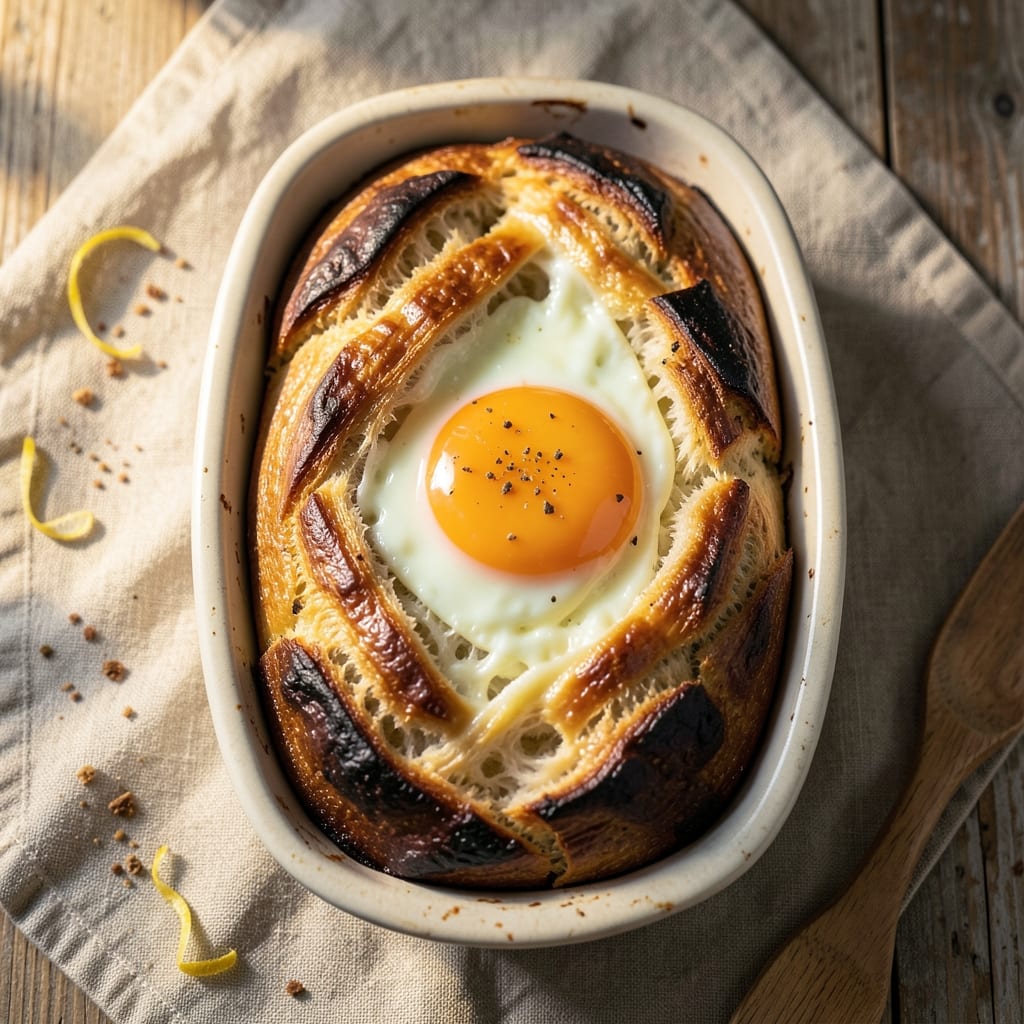
This bread with egg in the middle recipe delivers the ultimate breakfast surprise—crispy golden crust hiding a perfectly runny yolk at its heart. The secret lies in a simple yet precise technique that ensures both the bread bakes through completely while keeping that egg center silky and warm. I've perfected this over years of testing, and the results never fail to impress. What makes this recipe truly special is its balance of textures and flavors. The bread dough encases the egg in a way that creates a satisfying crunch on the outside while maintaining a tender, slightly chewy interior. The egg yolk remains perfectly cooked—just warm enough to create that magical surprise when you cut into it. This isn't just breakfast; it's an experience. The process is straightforward but requires attention to detail, particularly when shaping the dough around the egg and monitoring the baking time. You'll achieve that coveted crispy exterior while ensuring the egg stays warm and gooey inside. Every bite delivers a contrast of temperatures and textures that makes this dish unforgettable. Perfect for brunch gatherings, weekend breakfasts, or even as a fun appetizer, this recipe transforms a simple egg into something extraordinary. Let's get started on creating your own golden, yolk-filled masterpiece.
Ingredients for bread with egg in the middle
Four eggs, one golden surprise—this dough and yolk combo creates magic in every bite.
| Ingredient | Amount | Notes |
|---|---|---|
| All-Purpose Flour 🌾 | 2 ½ cups | Sifted for light texture |
| Large Eggs 🥚 | 4 whole | Room temperature preferred |
| Unsalted Butter 🧈 | ½ cup | Cold, cubed for dough |
| Granulated Sugar 🍚 | ¼ cup | For dough sweetness |
| Active Dry Yeast 🍞 | ½ tsp | Fresh for best activation |
| Warm Water 💧 | ½ cup | 110°F for yeast activation |
| Salt 🧂 | ½ tsp | Kosher or sea salt |
| Milk 🥛 | ¼ cup | Warmed for dough tenderness |
| Large Egg Yolk 🥚 | 1 whole | For center surprise |
| Cornmeal 🌽 | ¼ cup | For bread pan dusting |
| Egg Wash 🥚 | 1 whole | Beaten for golden crust |
| Coarse Sugar 🍚 | 1 tbsp | For egg yolk topping |
The flour is your foundation—King Arthur or Gold Medal brands bake up beautifully, but any all-purpose works. Yeast is non-negotiable here; Saf-Instant saves time if you're in a rush, but active dry gives better flavor. For the butter, grab Land O'Lakes unsalted from the freezer section—it stays cold longer during mixing. The milk should be warm enough to dissolve the sugar completely but not hot enough to cook the yeast. I always test it by dipping my finger in—should feel like bathwater. The egg yolk at the center is what makes this dish unforgettable, so use the freshest, largest yolks you can find for that perfect silky texture.
No cornmeal? Semolina or all-purpose flour works in a pinch for dusting. Short on milk? Warm water plus a splash of cream mimics the richness. The egg wash is crucial for that golden crust—don't skip it. For the yolk topping, turbinado sugar gives extra crunch, but regular coarse sugar is fine. If you're making this ahead, shape the dough balls with the yolks inside and refrigerate for up to 12 hours before baking. The dough will rise more slowly in the fridge, giving you more control over the final texture. For extra flavor, add a pinch of vanilla extract to the dough or sprinkle flaky sea salt on top before baking.
Shape the dough carefully around the yolks—press gently to avoid cracking. The bread keeps best at room temperature for 2 days in an airtight container, though it's best enjoyed fresh. For reheating, wrap in foil and warm in a 350°F oven for 5-10 minutes to restore that crispy crust. The yolks stay warm and silky for about 15 minutes after baking, so serve immediately. Store any extra dough balls (without yolks) in the fridge for up to 3 days or freeze for 3 months—just add the yolk when ready to bake. This recipe doubles as a stunning brunch centerpiece or playful appetizer.
Why You'll Love This Recipe
- No-Knead Magic: I swear by this dough—just mix, let it rise, and the yeast does all the work. No stand mixer, no arm workout, just a bowl and patience (well, 20 minutes of it).
- Golden Egg Surprise: That runny yolk in the center? It’s like a little edible treasure. The butter and sugar caramelize just enough to make every bite feel like dessert—no extra effort, just pure satisfaction.
- Breakfast or Snack: Honestly, this bread is my go-to for lazy mornings or after-school pick-me-ups. Toast it, slather with jam, or eat it fresh—it’s the kind of thing that disappears faster than my willpower.
- Budget-Friendly Staple: Five ingredients, zero waste. The dough keeps for days, and the egg trick means you’re not buying fancy bakes. My wallet and I both love this—especially when I halve the recipe.
Step-by-step instructions for bread with egg in the middle
Master the technique for a perfectly golden crust and silky yolk center every time.
Activate the Yeast and Mix the Dough
In a small bowl, combine the 0.5 cup warm water (about 110°F) with the 0.5 tsp active dry yeast and let sit for 5-10 minutes until foamy. This step ensures your yeast is active and ready to work. If it doesn't foam, your yeast may be dead—start fresh with a new packet.
In a large mixing bowl, whisk together the 2.5 cups all-purpose flour, 0.25 cup granulated sugar, and 0.5 tsp salt. Add the yeast mixture and 0.25 cup milk to the dry ingredients. Stir until combined, then add the 0.5 cup cold unsalted butter, cubed. Use a wooden spoon or your hands to work the butter into the dough until it forms a shaggy mass.
Turn the dough onto a lightly floured surface and knead for 8-10 minutes until smooth and elastic. The dough should be soft but not sticky—if it sticks to your hands, sprinkle a little more flour. Shape into a ball, place in a lightly greased bowl, cover with a damp towel, and let rise in a warm place for 1-1.5 hours or until doubled in size. This resting period develops gluten for a light, airy texture.
Shape the Dough and Prepare the Egg Yolk Surprise
Once the dough has risen, punch it down to release air and divide it into 4 equal portions (about 1 cup each). Roll each portion into a 12-inch rope and coil it into a loose spiral. The goal is to create a hollow center—press the ends together gently to seal but leave a small opening about 1 inch wide.
Place 1 whole large egg yolk into the center of each spiral, then carefully close the opening around it. The yolk should be fully enclosed but not squished—this ensures it remains intact during baking. Gently shape each dough spiral into a round loaf, about 3 inches tall, and place them on a parchment-lined baking sheet. Cover loosely with a towel and let rise for another 30-45 minutes until puffy.
While the dough rises, preheat your oven to 375°F. Lightly dust a baking sheet with 0.25 cup cornmeal to prevent sticking. This step creates a crispy bottom crust that contrasts beautifully with the soft interior.
Bake to Golden Perfection and Add the Sugar Topping
Brush the risen loaves with the 1 whole egg wash (beaten egg) for a golden finish. Bake in the preheated oven for 20-25 minutes until the crust is deep golden brown and the internal temperature reaches 190°F. The bread should sound hollow when tapped on the bottom.
Immediately after removing from the oven, sprinkle each loaf with 1 tablespoon coarse sugar. The heat will caramelize the sugar, creating a beautiful glossy crust. Let the bread cool on a wire rack for 10 minutes before slicing—this resting period prevents the yolk from oozing out prematurely.
Slice each loaf in half horizontally to reveal the silky yolk center. Serve warm with butter or jam for the ultimate surprise in every bite. The contrast between the crispy crust, tender bread, and runny yolk makes this recipe unforgettable.
Pro Tips For Making Bread With Egg In The Middle
- Chill the Dough: Let that dough rest in the fridge for at least 4 hours—or overnight if you can. I learned this the hard way when my first batch turned out dense and chewy instead of light and fluffy. The cold slows fermentation, lets the gluten relax, and makes the egg yolk in the center cook perfectly without breaking. (Yes, even if you're impatient like me.)
- Use Room-Temp Eggs: Take the eggs out of the fridge 30 minutes before mixing them into the dough. Cold eggs can shock the yeast and slow fermentation, which means your bread might not rise as much. Room-temperature eggs also blend smoother into the dough, so you won’t end up with streaks of raw egg when you slice it open.
- Don’t Overwork the Dough: This isn’t a baguette—you’re not trying to build gluten for days. Mix just until the ingredients come together, then stop. Over-kneading makes the bread tough, and since you’re hiding an egg inside, the texture gets gummy instead of tender. A few gentle folds during the initial mixing is enough.
- Preheat the Pan: Get your baking dish or skillet screaming hot before adding the dough. I used to skip this, and the bread would steam instead of brown, leaving me with a sad, pale loaf. A hot pan creates a crisp crust right away, which keeps the egg from leaking out during baking. (And trust me, you do not want egg oozing into your oven.)
Wine and beer pairings for this bread with egg in the middle
Crispy Crust Wines
For that golden, caramelized crust, I reach for dry Riesling—its bright acidity and honeyed notes mirror the bread's sweetness while cutting through the richness of the yolk. A 2022 Dr. Loosen Blue Slate from Germany is my go-to, with its crisp finish that cleanses the palate between bites. The slight mineral undertones also complement the egg’s silky texture beautifully. 🍷
If you prefer red, a light-bodied Pinot Noir like 2021 Domaine Drouhin Oregon works wonders. Its red fruit flavors and velvety tannins won’t overpower the bread’s delicate flavors, while the acidity keeps the experience fresh. Avoid heavy Cabernets—they’ll clash with the egg’s creaminess.
Creamy Yolk Beers
A Belgian witbier like Hoegaarden is my top beer pairing—its citrusy coriander and effervescence balance the egg’s richness while the bread’s crust adds a satisfying crunch. The beer’s light body prevents it from feeling heavy after each bite. For a darker option, try a Belgian dubbel like Westmalle Dubbel—its caramel and spice notes echo the bread’s sugar topping. 🍺
If you’re serving this as a brunch centerpiece, a crisp lager like Peroni or Corona keeps things refreshing. The carbonation helps reset your palate between bites, making the yolk’s surprise even more delightful. Avoid heavy stouts—they’ll make the dish feel too indulgent.
Sweet Contrasts
For a dessert-like twist, pair with a Moscato d’Asti—its sweetness and bubbles mirror the bread’s sugar topping while the egg’s richness adds depth. The light effervescence also enhances the bread’s crispy texture. I’ve found 2022 Saracco Moscato strikes the perfect balance between sweet and acidic. 🍇
If you’re serving this with jam (like raspberry or apricot), a sparkling rosé like Whispering Angel elevates the experience. The berry notes in the wine complement the jam’s fruitiness, while the bubbles keep the meal feeling light and celebratory.
Coffee Pairings
For a morning-after brunch, pair with a light roast coffee—its bright acidity and nutty notes contrast beautifully with the egg’s creaminess. A Colombian medium roast or Ethiopian Yirgacheffe works perfectly. The bitterness in the coffee also helps balance the bread’s sweetness. ☕
If you prefer tea, an Earl Grey with its bergamot notes adds a sophisticated touch. The citrusy aroma complements the bread’s caramelized crust, while the warmth of the tea enhances the yolk’s silkiness.
Nutrition facts
Frequently asked questions
Can I make this bread without yeast?
Yes, but the texture will be denser. Replace the yeast with 1 tsp baking powder and 1 tsp baking soda for a quick version. The dough won't rise as dramatically, so shape it into flat rounds instead of loaves. Bake at 375°F for 20-25 minutes—the crust will still crisp up beautifully, though the surprise yolk center remains intact.
Why does my egg yolk leak out during baking?
This usually happens if the dough opening isn't sealed tightly or the egg isn't fully enclosed. Gently press the dough around the yolk to create a secure pocket, leaving just enough space for the bread to expand. Also, avoid overproofing—the dough should rise until puffy but not collapse around the yolk.
Can I use whole eggs instead of just yolks?
Not recommended—the whites will cook too quickly and turn rubbery. The yolk's high fat content keeps it silky during baking. If you're determined to use whole eggs, bake at 350°F for 18-20 minutes and check frequently to prevent overcooking. The surprise effect won't be as dramatic, but the flavor will still be delicious.
How do I reheat leftover bread with warm yolk?
Wrap the bread in foil and warm in a 350°F oven for 5-8 minutes. The foil traps heat to restore the yolk's warmth without overcooking the crust. For extra crispiness, broil for 1-2 minutes at the end. Serve immediately—the yolk stays warm for about 10 minutes after reheating.
What's the best way to store unbaked dough with yolks?
Shape the dough spirals with yolks inside, then refrigerate for up to 12 hours or freeze for 3 months. Wrap tightly in plastic and place in an airtight container. Thaw overnight in the fridge before baking. The cold slows yeast activity, giving you more control over the final texture.