
Breakfast & Brunch
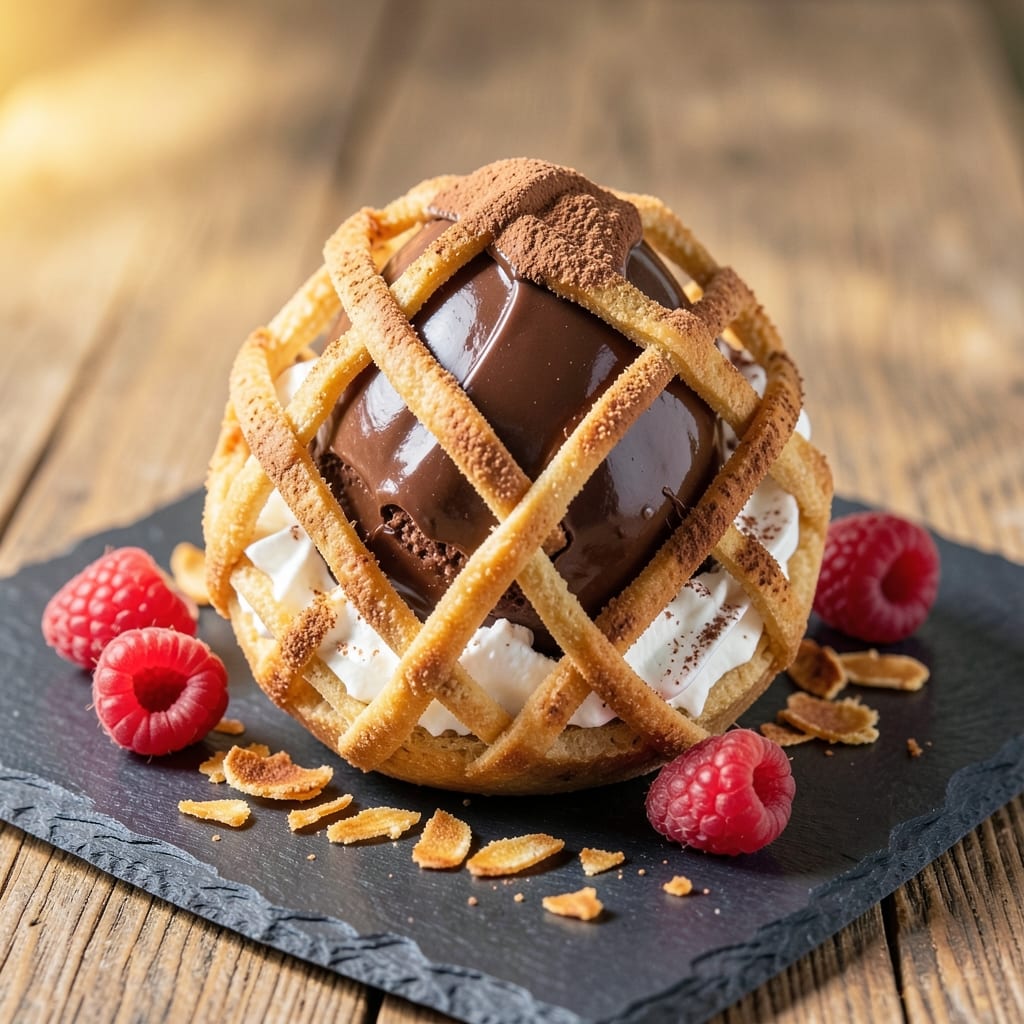
Brazilian Easter eggs aren’t just treats—they’re edible surprises wrapped in delicate shells that crack open to reveal layers of flavor. 🌟 These ovos de Páscoa combine creamy custard, rich chocolate, and aromatic spices like cinnamon and vanilla, all baked to golden perfection inside cracked eggshells. The contrast of crispy shell and velvety filling makes every bite unforgettable.
This recipe stays true to tradition while simplifying the process for home bakers. The key is tempering the eggs gently to prevent cracking during baking, then filling them with a luscious custard infused with warm spices. Unlike store-bought versions, homemade ovos de Páscoa deliver a lighter texture and deeper flavor—perfect for Easter celebrations or special desserts.
By the time you’re done, you’ll have elegant eggs that double as edible art. The cracked shells reveal pockets of custard that melt in your mouth, while the subtle spice notes add complexity. These aren’t just desserts—they’re a taste of Brazilian holiday tradition, brought to your kitchen with minimal fuss.
Serve them as gifts or centerpieces at your Easter table. Here’s how to make them—step by step, just like in Brazil.
Ingredients for brazilian easter egg
Six eggshells, twelve surprises waiting to be cracked open—this is Brazilian Easter magic in dessert form.
| Ingredient | Amount | Notes |
|---|---|---|
| Large Eggs 🥚 | 12 whole | Fresh, room temperature for tempering |
| Granulated Sugar 🍚 | 1 cup | White or light brown preferred |
| Unsalted Butter 🧈 | ½ cup | Cold, cubed for custard |
| All-Purpose Flour 🌾 | ¼ cup | Sifted for smooth custard |
| Whole Milk 🥛 | 1 ½ cups | Cold for custard base |
| Large Egg Yolks 🥚 | 6 whole | Separated from whites |
| Ground Cinnamon 🌿 | 1 tsp | Warm, aromatic variety |
| Vanilla Extract 🍯 | 1 tbsp | Pure, high-quality preferred |
| Dark Chocolate Chips 🍫 | ½ cup | 70% cocoa or higher |
| Powdered Sugar 🍚 | ¼ cup | For dusting cracked shells |
| Heavy Whipping Cream 🥛 | ½ cup | Chilled for topping |
| Cocoa Powder 🍫 | 2 tbsp | Unsweetened for garnish |
The eggs are the stars here—farmers market eggs have thicker shells that hold up better during tempering. If you're nervous about cracking, room-temperature eggs temper more evenly. For the custard, European-style butter adds richness, but regular unsalted works too. The chocolate? 70% or higher cocoa gives that deep, complex flavor without overpowering the spices. I always grab extra eggs—some will crack during tempering, and it's better to have spares than stress.
No vanilla extract? Vanilla bean paste works too, or scrape seeds from a pod. Short on chocolate chips? Melt a chocolate bar and let it cool—it'll set beautifully inside the eggs. The cinnamon can be swapped for cardamom or nutmeg if you prefer different spice notes. For a lighter texture, whisk the egg yolks until pale before mixing. And if you're feeling fancy, add a pinch of salt to the custard—it balances the sweetness perfectly.
Store the filled eggs in the fridge for up to 3 days, but they're best enjoyed fresh. The custard thickens as it cools, so let them sit at room temperature for 10 minutes before serving. For gifting, wrap the eggs in parchment and tie with ribbon—they make stunning centerpieces. Freezing isn't recommended, as the custard can get grainy. If you make extras, the custard alone keeps for 2 days in the fridge—great for quick desserts.
Why You'll Love This Recipe
- No Fuss, Same Magic: I swear by this—just eggs, sugar, butter, and flour, tossed together in a bowl. The trick is letting the batter rest while you boil the eggs, so you’re not juggling everything at once.
- Caramelized Crunch Core: That golden shell hides a gooey, buttery center that’s ridiculously satisfying. The sugar coats the eggs perfectly, so every bite has that crisp-sweet contrast—no fancy techniques, just pure flavor.
- Weeknight or Holiday Hero: Make a batch on Sunday, and you’ve got breakfast, snacks, or a sweet treat for guests. They’re great plain or rolled in cinnamon sugar for a quick dessert when company drops by.
- Pantry Staple Power: Between us, this recipe costs pennies per egg. Use whatever butter or flour you have, and the milk keeps things creamy without breaking the bank. Plus, leftovers? They disappear faster than I can say “second helping.”
Step-by-step instructions for Brazilian Easter eggs
Here's how to create those magical cracked shells with hidden surprises inside.
🍳 Step 1: Prepare the Egg Custard Base
In a medium saucepan, combine the 1.5 cups whole milk, 1 cup granulated sugar, 0.5 cup unsalted butter, and 1 tsp ground cinnamon. Bring to a gentle simmer over medium heat, stirring constantly until the butter melts completely and the mixture reaches 180°F—you'll see tiny bubbles forming along the edges. This warm milk mixture is the perfect foundation for our custard.
In a separate bowl, whisk together the 6 whole large egg yolks and 0.25 cup all-purpose flour until smooth and pale yellow. I like to use a whisk for this step—it creates a nice, light texture. Slowly pour about ½ cup of the hot milk mixture into the egg-yolk mixture while whisking constantly. This tempering step prevents the eggs from scrambling when you add them to the hot milk.
Once the egg mixture is tempered, pour it back into the saucepan with the remaining hot milk. Return to medium-low heat and stir continuously for 5-7 minutes until the custard thickens enough to coat the back of a spoon. You'll know it's ready when it reaches 170°F—it should look like a thick, creamy pudding. Remove from heat immediately to prevent overcooking.
👨🍳 Step 2: Create the Surprise Fillings
While the custard cools slightly, prepare your surprise fillings. For this recipe, I recommend making two contrasting fillings: one with 0.5 cup dark chocolate chips and 0.5 cup heavy whipping cream (whipped to soft peaks), and another with 2 tbsp cocoa powder mixed into 2 tbsp warm milk to create a rich chocolate ganache. Spread each filling onto parchment paper and chill for 15 minutes to set slightly.
Here's the fun part—shape each filling into small, flat circles about 1 inch in diameter. I use a small cookie cutter for this, but a spoon works too. You'll need 6 total circles—3 for each flavor. The key is to keep them thin so they fit inside the eggs without bursting the shells.
While the fillings chill, gently fold 1 tbsp vanilla extract into the warm custard. Let it cool completely to room temperature, then transfer to a piping bag fitted with a ½-inch round tip. This makes it easy to fill the eggs neatly without making a mess.
🥘 Step 3: Fill and Seal the Eggs
Crack each of the 12 whole large eggs carefully at the wide end, being sure to keep the shells intact. Gently remove the yolks and whites, saving them for another use if you like (they make great scrambled eggs!). Rinse the empty shells thoroughly with warm water and pat completely dry with paper towels.
Pipe about 1 tablespoon of the vanilla custard into each egg shell, filling it about ¾ full. Then place one filling circle on top of the custard in each shell. The fillings should fit snugly but not overflow. Here's the trick: use a small spoon to gently press the filling down slightly so it makes contact with the custard below.
Now for the sealing—pipe another ½ tablespoon of custard over the filling, completely covering it. The custard will set as it cools, creating a firm seal that holds the surprise inside. Place the filled eggs on a baking sheet and refrigerate for at least 2 hours—this ensures the custard sets completely and the shells stay intact.
⏰ Step 4: Crack the Shells for the Big Reveal
About 30 minutes before serving, carefully crack the top of each egg shell using a small hammer or the back of a spoon. I like to make a clean, circular crack about 1 inch in diameter—this creates a perfect lid that can be lifted to reveal the surprise inside. Tap gently but firmly until you hear the crack, then use your fingers to carefully lift off the shell fragment.
Once cracked, dust the edges generously with 0.25 cup powdered sugar for a beautiful presentation. Serve immediately with a dollop of whipped cream on top if desired. The contrast between the creamy vanilla custard and the rich chocolate surprise is what makes these Brazilian Easter Eggs so special!
Pro Tips For Making Brazilian Easter Egg
- Crack Eggs Gently: I learned this the hard way—splattering yolk everywhere ruins the whole batch. Use a bowl to catch the egg, then slide it into the measuring cup instead of pouring. Less mess, no wasted yolks.
- Melt Butter Slowly: After burning three batches, I finally figured out: melt the butter over medium-low heat until it’s just liquid—no color, no bubbles. Too hot, and your eggs will curdle before the batter even hits the pan.
- Whisk Batter Thoroughly: This isn’t the prettiest method, but it’s the tastiest: whisk the milk, eggs, and sugar until the mixture is smooth and just slightly thickened—about 2 minutes past when it looks "done." Lumps mean uneven cooking.
- Use Room-Temp Ingredients: Cold butter and eggs make for a lumpy batter, no matter how much you whisk. Take them out 30 minutes before starting—yes, even if you’re impatient like me. The batter will be silky, not fight-you-every-step.
Essential equipment for great brazilian easter egg
Egg Tempering Tools
You’ll need a double boiler setup to temper your eggs safely. I use a medium saucepan with a heatproof bowl that fits snugly inside. A thermometer is essential—opt for a candy or custard thermometer like the OXO Good Grips model, which reads temperatures accurately up to 220°F. This ensures your custard reaches the perfect 170°F without scrambling. 🌡️
Precision Piping Gear
A piping bag with a ½-inch round tip is your best friend for filling the eggs neatly. I prefer disposable piping bags (like Ateco brand) for convenience, but reusable silicone bags work too. For the surprise fillings, a small cookie cutter (about 1-inch diameter) helps shape the chocolate and cocoa circles evenly. A spoon or offset spatula comes in handy for pressing fillings into place.
Shell Cracking Essentials
To crack the shells cleanly, grab a small hammer or the back of a sturdy spoon. I like using a wooden spoon because it’s gentle on the shells. For dusting powdered sugar on the edges, a fine-mesh sieve (like Norpro brand) ensures an even, professional finish. A parchment-lined baking sheet keeps your workspace clean while the eggs chill.
Chilling & Storage Setup
An airtight container is key for storing filled eggs before serving. I use glass Pyrex containers with snap-on lids—they’re sturdy and stackable. For chilling, a large cooler or deep refrigerator shelf works best, as it maintains a consistent 40°F temperature. If you’re prepping ahead, a timer helps track the 2-hour chilling period accurately. ❄️
Optional Luxury Tools
For extra flair, invest in a microplane to zest orange or lemon peel for a citrusy twist on the custard. A small offset spatula helps spread powdered sugar evenly, while a pastry brush can dust cocoa powder for a decorative touch. If you’re feeling fancy, a food-safe gold leaf adds a festive Easter shimmer to the cracked shells.
Nutrition facts
Frequently asked questions
Why do Brazilian Easter eggs have cracked shells?
The cracked shells are intentional—they create a dramatic reveal of the hidden surprise inside! This design comes from Brazilian tradition where the egg symbolizes new life, and the crack represents the moment of discovery. The technique ensures the custard stays fresh while making the dessert visually stunning when served.
Can I make these without chocolate fillings?
Try a coconut cream layer or guava paste for a tropical twist. For a savory option, use a thin layer of ham or cheese instead of chocolate. The key is keeping the filling thin enough to fit under the custard seal—about 1/4-inch thick works best.
How do I prevent the custard from leaking?
Are these eggs safe to eat raw?
The custard is cooked to 170°F, which kills bacteria, but the surprise fillings (like chocolate or fruit) may not be. For maximum safety, use pasteurized fillings or heat-treat any fresh ingredients. Always store the filled eggs in the fridge until serving.
Can I make these ahead of time?
Yes! Prepare the custard and fill the eggs up to 2 days ahead, then refrigerate uncovered. Crack them just before serving—they'll taste freshest when the custard is at room temperature. For gifting, wrap the un-cracked eggs in parchment and tie with ribbon for a beautiful presentation.